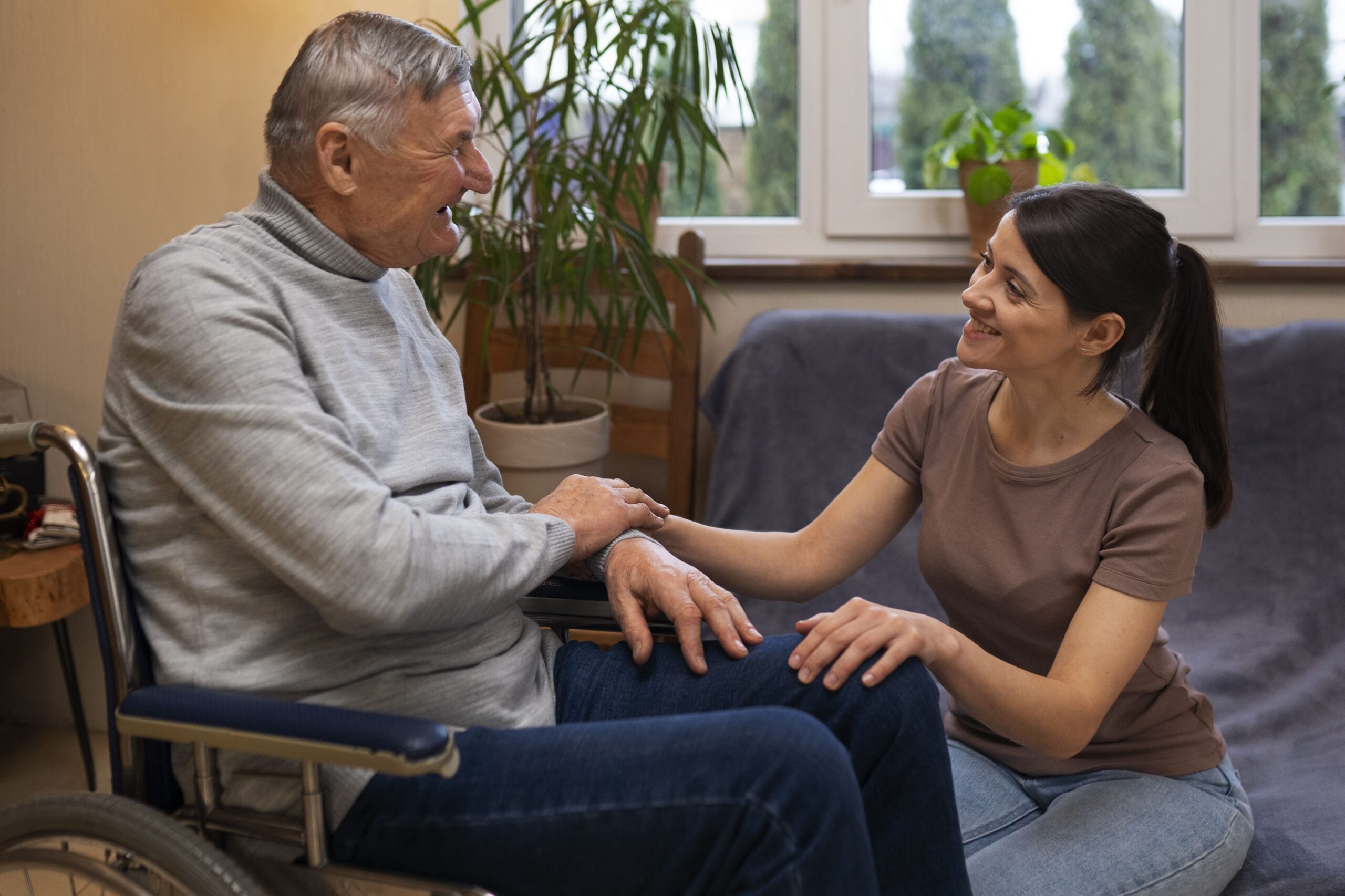
Blog2

What Is Respite Care and How Can It Help Families?

What Is Respite Care and How Can It Help Families?

Caring for an elderly loved one is an act of love—but it can also be physically and emotionally demanding. Even the most dedicated caregivers need time to rest, recharge, or attend to personal responsibilities. That’s where respite care comes in—a valuable service designed to offer temporary care and caregiver relief without compromising your loved one’s comfort or safety. In this article, we’ll explore what respite care is, how it works, and why it’s one of the most beneficial elderly support options for families today.

Understanding Respite Care

Respite care provides short-term, professional care for older adults, allowing family caregivers to take a well-deserved break. It can last for a few hours, several days, or even weeks—depending on your family’s needs. During a short stay, your loved one receives the same level of attention, support, and compassion as permanent residents in a care home. They benefit from nutritious meals, engaging activities, and 24/7 supervision—all while their primary caregiver enjoys time to rest or manage other commitments.

In Simple Terms:

Respite care = Temporary support for your loved one + Relief for you. It’s not just a break—it’s a way to sustain long-term caregiving and protect both the caregiver’s and the senior’s wellbeing.

The Purpose of Respite Care

The main goal of respite care is to provide balance and support for families. Caring for someone with complex health needs can be rewarding, but it’s also challenging and time-consuming. Respite services ensure that caregivers can take time off without guilt and with peace of mind knowing their loved one is in safe hands.

Respite Care Serves Two Key Purposes:

  1. Caregiver Relief – Offering rest and recovery to those providing long-term care.
  2. Continuity of Elderly Support – Ensuring the older adult’s routine, comfort, and medical needs are still met.
By taking short breaks, caregivers return refreshed, recharged, and better equipped to provide loving, consistent care.

Types of Respite Care Available

Every family’s situation is different, which is why care homes and healthcare providers offer flexible respite options. Here are the most common forms of respite care:

1. Residential Respite Care

Offered in care homes, this option provides full-time support for a fixed duration—such as a few days or weeks. It’s ideal for caregivers going on holiday, recovering from illness, or simply needing rest.

2. Day Care Services

These are short-term daytime programs where seniors participate in social, recreational, and therapeutic activities while caregivers work or take a break.

3. Home-Based Respite Care

Trained professionals come to your home to care for your loved one, helping with daily tasks like medication management, meals, and companionship.

4. Emergency Respite Care

Unexpected events happen—like sudden illness or travel needs. Emergency respite care ensures your loved one receives immediate, professional assistance whenever required. Each type is designed to offer flexibility, safety, and peace of mind, ensuring the right level of care is available at the right time.

Who Can Benefit from Respite Care?

Respite care is suitable for a wide range of individuals and families. It supports both caregivers and elderly loved ones who may have diverse health or lifestyle needs.

Ideal for:

  • Families caring for someone with dementia, Alzheimer’s, or Parkinson’s disease
  • Seniors recovering from illness, injury, or surgery
  • Caregivers balancing work, family, and care responsibilities
  • Elderly individuals who are socially isolated or need companionship
Whether your loved one needs help with daily activities, medication, or just some extra company, respite care ensures they’re well looked after in your absence.

Key Benefits of Respite Care for Families

1. Reduces Caregiver Stress and Burnout

Continuous caregiving can lead to exhaustion and emotional fatigue. Regular breaks through respite care allow caregivers to rest, preventing burnout and improving their long-term ability to provide compassionate care.

2. Provides Social Engagement for the Elderly

During a short stay, seniors can participate in group activities, socialize with peers, and enjoy new experiences—all of which enhance emotional wellbeing and reduce loneliness.

3. Ensures Consistent Professional Care

Even in your absence, your loved one receives round-the-clock attention from trained caregivers. From personal assistance to medical supervision, everything is handled with care and expertise.

4. Supports Recovery and Independence

Many care homes use respite periods to strengthen mobility, improve mental stimulation, and help residents regain independence through structured daily routines and personalized care plans.

5. Builds Confidence for Future Transitions

For families considering long-term care, respite stays provide a gentle introduction. It helps both the family and the elderly person become familiar with the care home environment before committing to a permanent arrangement.

Inside a Typical Respite Stay at a Care Home

At high-quality facilities like Park View Care Home, respite residents enjoy all the same amenities and compassionate services as permanent residents.

A Typical Day Includes:

  • Nutritious meals prepared to meet dietary needs
  • Personal care assistance (bathing, dressing, grooming)
  • Engaging group activities like arts, music, or gentle exercise
  • Medical supervision and medication management
  • Safe, comfortable accommodations designed for accessibility
  • Social time with other residents and caring staff
Every moment is planned to support both physical health and emotional comfort.

How Respite Care Strengthens Family Relationships

When caregivers are well-rested, they’re able to give more love, patience, and attention to their loved ones. Taking breaks also encourages open communication within families—acknowledging that asking for help is not a weakness, but an act of care. Respite care allows families to:
  • Avoid caregiver fatigue and emotional strain
  • Spend quality time together without constant care duties
  • Maintain healthy boundaries and mutual respect
Ultimately, respite care nurtures stronger, more sustainable family relationships.

Common Myths About Respite Care

Despite its many benefits, some families hesitate to use respite care due to misconceptions. Let’s clear up a few:
  • Myth: “It’s only for emergencies.” Reality: Respite care is available anytime families need temporary relief.
  • Myth: “My loved one won’t adjust.” Reality: Most residents adapt quickly to the caring and welcoming environment.
  • Myth: “It’s only for seniors with health issues.” Reality: Respite care also supports healthy older adults who simply need companionship or supervision while families are away.
Breaking these myths helps families see respite care as a positive, proactive solution, not a last resort.

Choosing the Right Respite Care Home

When selecting a respite care home, consider the following factors:
  • Experience in elderly and dementia care
  • Warm, home-like environment
  • Qualified staff available 24/7
  • Transparent pricing and clear communication
  • Positive testimonials from families

Final Thoughts: A Helping Hand for Families

Respite care isn’t just about temporary support—it’s about sustaining long-term wellbeing for both caregivers and loved ones. Whether you need a few days’ rest, are planning a holiday, or  

Creating a Safe and Stimulating Environment for Dementia Patients

Creating a Safe and Stimulating Environment for Dementia Patients

For individuals living with dementia, the environment around them plays a vital role in shaping their daily experience, mood, and overall wellbeing. A thoughtfully designed space can reduce confusion, prevent accidents, and encourage independence and engagement. At the heart of quality dementia care is the commitment to providing both safety and stimulation—a balance that promotes comfort while nurturing mental and emotional health. In this article, we’ll explore how dementia homes create secure, supportive, and enriching spaces that help residents live with dignity and joy.

Why Environment Matters in Dementia Care

Dementia affects memory, perception, and judgment, often making familiar surroundings feel confusing or overwhelming. Simple environmental factors—like lighting, layout, or noise—can greatly impact how a person feels and behaves. A well-designed dementia home can:
  • Reduce agitation, anxiety, and confusion 
  • Support orientation and independence 
  • Encourage social interaction and activity 
  • Prevent falls and other safety hazards 
  • Foster a sense of calm, security, and familiarity 
In short, the environment becomes a form of therapy itself—supporting cognitive function and emotional stability in everyday life.

Key Principles of a Safe Dementia Environment

Creating a safe yet homely setting for dementia patients requires careful planning and understanding of their unique needs. Here are some key principles followed in specialized memory care homes like Park View Care Home:

1. Safety First

Safety is always the foundation of dementia care. Since individuals with dementia may wander or forget potential dangers, preventive design is essential. Safety features include:
  • Non-slip flooring to prevent falls 
  • Secured exits and alarmed doors to prevent unsafe wandering 
  • Good lighting to reduce shadows and visual confusion 
  • Rounded furniture edges to minimize injury 
  • Clearly marked pathways and accessible handrails 
Every design element contributes to minimizing risks while promoting confidence and mobility.

2. Familiarity and Comfort

Familiar environments help residents recognize and connect with their surroundings. This reduces anxiety and provides emotional reassurance. Ways to promote familiarity:
  • Use of personal items and family photos in bedrooms 
  • Home-like décor with soft colors and warm lighting 
  • Familiar furniture layouts and personal keepsakes 
  • Consistent routines that build a sense of predictability 
This combination of comfort and familiarity helps individuals feel “at home,” even within a care setting.

3. Clear Orientation Aids

Disorientation is common in dementia, making visual cues and signage essential. Effective orientation strategies include:
  • Color-coded zones to help with navigation 
  • Pictures or symbols on room doors 
  • Memory walls or life-story displays 
  • Clearly visible clocks and calendars 
These small but powerful design choices help residents maintain a sense of control and awareness.

The Role of Stimulation in Dementia Care

While safety is crucial, mental stimulation is equally important for promoting elderly wellbeing and slowing cognitive decline. A stimulating environment encourages participation, communication, and creativity.

1. Sensory Stimulation

Sensory activities awaken the senses and evoke positive memories. Examples include:
  • Music therapy to trigger emotions and recall familiar tunes 
  • Aromatherapy with calming scents like lavender or rosemary 
  • Tactile objects like soft fabrics, textured cushions, or fidget blankets 
  • Nature sounds and visuals to promote relaxation 
These sensory experiences can improve mood, reduce stress, and spark joy even in advanced dementia stages.

2. Physical and Cognitive Activities

Movement and mental engagement are vital for maintaining physical and emotional health. Care homes often organize:
  • Gentle exercises or yoga for flexibility and balance 
  • Gardening and outdoor walks for fresh air and activity 
  • Art, puzzles, and crafts to boost focus and creativity 
  • Reminiscence sessions using photos, music, and storytelling 
These activities enhance memory care, build confidence, and encourage social interaction.

3. Social Interaction and Emotional Engagement

Social connection combats loneliness and fosters belonging. At dementia homes, group activities like sing-alongs, games, or communal meals help residents bond and communicate. Compassionate staff also play a key role, offering empathy, reassurance, and companionship, which are just as important as medical care.

Designing Dementia-Friendly Spaces: A Room-by-Room Approach

Let’s explore how care homes create safe, welcoming environments across different spaces:

Bedrooms

  • Personalized décor with family photos and favorite colors 
  • Adjustable lighting for day-night comfort 
  • Soft bedding and uncluttered layouts for safety 

Living Areas

  • Open spaces that encourage interaction 
  • Calm color schemes and comfortable seating 
  • Access to books, puzzles, and music 

Dining Rooms

  • Clearly defined meal areas with contrasting tableware 
  • Familiar aromas to stimulate appetite 
  • Gentle background music to create a relaxed dining experience 

Outdoor Spaces

  • Secure gardens and walking paths 
  • Raised flower beds for gardening activities 
  • Shaded seating for rest and reflection 
These design elements ensure residents enjoy both security and stimulation, promoting independence in a supervised setting.

Emotional Safety: The Heart of Dementia Care

A safe environment goes beyond physical features—it’s about emotional safety, too. People with dementia thrive in settings where they feel understood, respected, and valued. At Park View Care Home, staff are trained to:
  • Use positive body language and gentle communication 
  • Offer reassurance during confusion or distress 
  • Encourage residents to make small daily choices 
  • Celebrate individual achievements, no matter how small 
These practices build trust, self-esteem, and emotional stability, turning the care home into a place of warmth and belonging.

The Importance of Staff Training in Dementia Safety

Even the most well-designed environment depends on skilled caregivers who understand dementia behaviors. Staff training ensures every team member knows how to:
  • Identify and prevent potential hazards 
  • Respond calmly to wandering or agitation 
  • Communicate effectively with empathy 
  • Maintain dignity while assisting with personal care 
At Park View, dementia care is more than a service—it’s a shared commitment to safety, compassion, and respect.

Balancing Safety and Independence

A common misconception is that safety means restriction. However, the best dementia homes focus on enabling residents—not limiting them. Through thoughtful design and supportive care, individuals are encouraged to:
  • Move freely within secure spaces 
  • Participate in everyday routines 
  • Enjoy nature and social gatherings 
  • Make choices that enhance their sense of self 
This approach nurtures independence, purpose, and dignity, even as memory challenges progress.

Final Thoughts: Building a Better Tomorrow for Dementia Care

Creating a safe and stimulating environment for dementia patients requires more than physical design—it demands understanding, compassion, and innovation. At Park View Care Home, we integrate safety with warmth, structure with creativity, and care with respect. Every corner of our home is designed to ensure residents feel secure, comfortable, and fulfilled.

Discover Exceptional Dementia Care Today

Looking for a dementia home that prioritizes both safety and stimulation? Contact Park View Care Home today to learn how our dedicated team and thoughtfully designed spaces can support your loved one’s memory care and elderly wellbeing. Let us help create a brighter, safer, and more meaningful tomorrow.

How Park View Care Home Supports Residents Living with Dementia

How Park View Care Home Supports Residents Living with Dementia

Caring for someone living with dementia or Alzheimer’s can be both emotional and challenging. It requires patience, understanding, and a nurturing environment where individuals feel safe, valued, and understood. At Park View Care Home, we are dedicated to offering specialized dementia care that focuses not only on health and safety but also on maintaining each resident’s dignity, comfort, and joy in everyday life. Our approach combines expert medical care with meaningful emotional and social support—because at Park View, we believe every moment matters.

Understanding Dementia and Its Impact

Dementia is not a single disease, but a collection of symptoms that affect memory, thinking, and behavior. The most common form is Alzheimer’s disease, though there are many other types, including vascular dementia and Lewy body dementia. These conditions can make daily life increasingly difficult, affecting:
  • Short-term and long-term memory
  • Communication and language abilities
  • Judgment and reasoning
  • Mood, perception, and behavior
  • Independence and confidence
For families, watching a loved one experience these changes can be heart-wrenching. That’s why choosing the right dementia home—one that provides compassionate, skilled support—is so important.

Park View Care Home’s Dementia Care Philosophy

At Park View Care Home, we believe that every individual deserves personalized, respectful, and holistic care. Our dementia care philosophy is centered around three principles:
  1. Empathy and Understanding – Seeing the person, not the condition.
  2. Stability and Familiarity – Creating a consistent, reassuring routine.
  3. Purpose and Connection – Encouraging meaningful engagement every day.
Our goal is to help residents feel safe, secure, and connected—both to their memories and to the people around them.

Specialized Dementia Care Programs

We understand that dementia affects everyone differently. That’s why Park View offers tailored dementia care programs designed to meet the unique needs of each resident.

1. Personalised Care Plans

Each resident receives a customized care plan developed in collaboration with family members and healthcare professionals. This plan includes:
  • Medical history and health needs
  • Preferred daily routines
  • Personal interests and hobbies
  • Communication preferences
By focusing on individual strengths and abilities, our caregivers promote independence and confidence while offering gentle assistance when needed.

2. Dedicated Memory Support

Our memory support programs are designed to help residents preserve cognitive function and emotional well-being. We incorporate:
  • Reminiscence therapy (discussing meaningful past experiences)
  • Music therapy to evoke positive memories
  • Art and sensory activities to stimulate the brain
  • Memory boxes and photo walls that celebrate personal stories
These activities not only enhance memory but also foster a strong sense of belonging and identity.

3. Expertly Trained Dementia Staff

Every member of our team undergoes specialised dementia training. This includes:
  • Understanding dementia-related behaviors
  • Effective communication strategies
  • Managing anxiety, confusion, or aggression with compassion
  • Promoting calm, safe environments
Our carers are not just professionals—they are companions who bring patience, warmth, and empathy to every interaction.

Creating a Safe and Comfortable Environment

At Park View Care Home, we’ve carefully designed our spaces to ensure residents with dementia can move around safely and confidently.

Key Features Include:

  • Clear signage and color cues to reduce confusion
  • Secure outdoor gardens for safe exploration and fresh air
  • Calm, uncluttered interiors with soothing color schemes
  • Familiar furnishings to create a sense of home
  • Sensory rooms for relaxation and emotional regulation
This thoughtful design promotes a balance between independence and safety, helping residents feel at ease and oriented throughout the day.

Supporting Emotional Well-being

Living with dementia can often lead to feelings of frustration, isolation, or anxiety. Park View Care Home actively supports emotional wellness through:
  • One-on-one companionship and friendly conversations
  • Group activities and entertainment to promote social connection
  • Gentle routines that reduce stress and confusion
  • Family involvement in daily life and celebrations
We also encourage spiritual and holistic care, respecting every resident’s beliefs, traditions, and values.

Family-Centered Dementia Care

We know that dementia affects not just the individual but the entire family. At Park View, we ensure families remain involved, informed, and supported throughout their loved one’s care journey.

Family Support Includes:

  • Regular updates and progress reports
  • Open communication with caregivers and nurses
  • Family visits and activity participation
  • Counselling and emotional support for loved ones
Our mission is to build a trust-based partnership with families—one where everyone feels reassured and confident in the care being provided.

Promoting Elderly Health and Daily Living

Beyond dementia-specific care, Park View also prioritizes overall elderly health and well-being. We provide:
  • Nutritious meals tailored to dietary needs
  • Exercise programs to maintain mobility and strength
  • 24/7 nursing and personal care for complete peace of mind
  • Medication management and regular health assessments
Our holistic approach ensures residents enjoy the highest possible quality of life, both physically and emotionally.

The Benefits of Dementia Care at Park View

Families choose Park View Care Home because we offer more than professional care—we offer compassion, connection, and comfort.

Why Families Trust Park View:

  • Experienced dementia and Alzheimer’s specialists
  • Warm, supportive community atmosphere
  • 24-hour care and medical oversight
  • Personalized care plans and engaging activities
  • Family inclusion and transparent communication
  • Beautiful, secure environment
When you choose Park View, you’re choosing a care home that treats your loved one like family.

A Day in the Life at Park View Care Home

A typical day at Park View is filled with moments of care, comfort, and connection. Morning: Residents enjoy a hearty breakfast followed by gentle exercise or a group memory activity. Afternoon: Creative sessions like art, gardening, or music help stimulate the senses. Evening: Residents relax with calming routines, quiet chats, or familiar shows before bedtime. Every day is designed to bring structure, stability, and smiles—the perfect balance for individuals living with dementia.

Final Thoughts: Caring with Heart and Dignity

At Park View Care Home, we believe dementia care should be about more than managing symptoms—it should be about living well. Our mission is to create a space where residents feel understood, valued, and loved, while families gain peace of mind knowing their loved one is in the best hands.

Experience the Difference in Dementia Care

If you’re searching for a trusted dementia home that combines expert care with compassion, we invite you to explore Park View Care Home. Contact us today to learn more about our dementia and Alzheimer’s support services and schedule a personalized tour. Let us help your loved one live with dignity, comfort, and joy—every single day.  

The Difference Between Nursing and Residential Care

The Difference Between Nursing and Residential Care

Choosing the right care home for a loved one is one of the most important decisions a family can make. With so many care options available, it can feel overwhelming to determine which type of support suits their needs best. Among the most common choices are nursing care and residential care—two forms of elderly support that differ in the level of medical and personal assistance they provide. In this article, we’ll break down the key differences between the two, helping you make an informed decision that prioritizes your loved one’s comfort, safety, and well-being.

Understanding Care Home Options

When it comes to elderly care, no two individuals have the same needs. Some may require round-the-clock medical supervision, while others simply need daily assistance with activities like bathing, dressing, or meal preparation. Care homes generally fall into two main categories: residential care and nursing care homes. While they share similarities—such as providing accommodation, meals, and personal care—they differ greatly in their medical capabilities and staff qualifications.

What Is Residential Care?

Residential care is designed for individuals who need some help with daily living but do not require regular medical attention. It’s perfect for older adults who are generally in good health but may struggle with mobility, personal hygiene, or household tasks.

Key Features of Residential Care:

  • 24-hour support with personal care tasks such as bathing, dressing, and grooming.
  • Nutritious meals prepared and served daily.
  • Social activities and companionship to prevent loneliness and promote engagement.
  • Housekeeping and laundry services to maintain a comfortable living environment.
  • Safe, home-like setting designed for ease of movement and accessibility.
Residents in these homes benefit from a caring environment that promotes independence and dignity while ensuring help is always available when needed.

What Is Nursing Care?

Nursing care, on the other hand, provides a higher level of medical and clinical support. These homes are staffed by qualified nurses who are available 24/7 to monitor residents’ health, administer medication, and handle complex medical conditions. This type of care is ideal for individuals with chronic illnesses, physical disabilities, or those recovering from surgery or hospital stays.

Key Features of Nursing Care:

  • Registered nurses on-site 24/7 providing professional medical care.
  • Medication management and health monitoring by qualified healthcare staff.
  • Specialised care plans tailored to individual medical needs.
  • Access to physiotherapy and rehabilitation services where required.
  • Emergency medical response and coordination with doctors or hospitals.
In short, nursing care homes combine the comfort of residential living with the expertise of a medical facility.

Nursing vs Residential Care: What’s the Difference?

While both types of care homes focus on comfort, safety, and well-being, the main difference lies in the level of medical care provided.
Feature Residential Care Nursing Care
Medical Support Minimal – personal care only 24-hour nursing and clinical care
Staff Qualifications Care assistants and support workers Registered nurses and healthcare professionals
Ideal For Elderly who need help with daily tasks but are generally healthy Elderly with medical conditions or requiring regular health monitoring
Cost Typically lower Usually higher due to medical staff and equipment
Environment More homely and social More clinical with medical equipment
Understanding these differences helps families choose a care environment that meets both physical and emotional needs.

How to Choose Between Nursing and Residential Care

Selecting the right care home requires assessing the individual’s health, mobility, and personal preferences. Here are some important questions to consider:
  • Does your loved one have ongoing medical conditions that require regular attention?
  • Are they able to move around safely on their own, or do they need assistance?
  • Do they need daily help with tasks like dressing, eating, or bathing?
  • Would they benefit from social interaction and activities in a community setting?
  • Has a doctor or health professional recommended nursing supervision?
If the answer to several of these questions leans toward medical care, then a nursing care home may be the right choice. However, if your loved one is fairly independent but just needs a bit of day-to-day support, residential care can offer a warm and supportive environment.

The Benefits of Each Care Option

Benefits of Residential Care:

  • Encourages independence in a supportive setting
  • Fosters social engagement through group activities
  • Provides safety and peace of mind for families
  • Offers a comfortable, homely atmosphere

Benefits of Nursing Care:

  • Ensures professional medical supervision around the clock
  • Provides specialised care plans for complex health needs
  • Reduces hospital visits through on-site treatment
  • Offers rehabilitation and recovery support
Both care types aim to enhance quality of life—it’s just a matter of matching the care level to your loved one’s specific needs.

Cost Considerations and Funding Options

The cost of care can vary depending on the location, facilities, and level of care required. Generally, nursing care homes cost more because of their medical staffing and equipment. Families should explore:
  • Local authority assessments to determine eligibility for financial support
  • NHS Continuing Healthcare funding for those with complex health needs
  • Private insurance or savings plans to cover long-term costs
Getting professional advice can help you make the most informed and financially sound decision.

Final Thoughts: Choosing Compassion and Care

Whether you choose residential care or nursing care, the goal remains the same — ensuring your loved one receives the best possible support, comfort, and respect. The right care home doesn’t just meet physical needs; it also nurtures emotional well-being and provides peace of mind for families.

Looking for Professional Elderly Support?

If you’re exploring care home options for a loved one, our team is here to help. Contact us today to learn more about our compassionate nursing and residential care services, and discover how we can create a personalized plan that suits your family’s needs.  

Why Professional Nursing Care Matters in Later Life

Why Professional Nursing Care Matters in Later Life

Aging is a natural part of life — one that brings wisdom, experience, and often, the need for a little extra care. For many seniors, maintaining good health and independence becomes challenging without professional nursing care. That’s where trained medical support and compassionate assistance can make all the difference. In this article, we’ll explore why professional nursing care plays such an essential role in elderly health and senior wellness, and how it helps older adults live safely, comfortably, and with dignity.

1. Continuous Medical Support and Monitoring

One of the biggest benefits of professional nursing care is 24/7 medical supervision. As people age, chronic conditions like diabetes, heart disease, or arthritis require constant attention and timely intervention. Professional nursing staff are trained to:
  • Monitor vital signs such as blood pressure, heart rate, and oxygen levels
  • Administer medications correctly and on schedule
  • Recognize early symptoms of illness or infection
  • Coordinate with doctors for timely treatment and care updates
This proactive approach ensures that seniors receive the right medical support at the right time — reducing hospital visits and improving overall elderly health.

2. Personalised Care Plans for Every Individual

Every senior has different health needs, preferences, and routines. That’s why nursing care services are designed around personalised care plans. These plans are created after thorough assessments and may include:
  • Medication management and therapy schedules
  • Diet and nutrition plans tailored to health conditions
  • Physical activity and mobility exercises
  • Emotional and psychological support
This individualised approach not only promotes senior wellness but also helps maintain a sense of independence and personal identity.

3. Professional Care Ensures Safety and Comfort

For many older adults, living alone can pose risks — from accidental falls to delayed medical attention. A nursing care home provides a safe and secure environment, equipped with:
  • Anti-slip flooring and mobility aids
  • Emergency call systems in every room
  • 24-hour caregiver availability
  • Regular health and safety checks
This level of professional care ensures seniors can live in comfort, knowing that help is always close by.

4. Emotional Wellbeing and Companionship

Good health isn’t just about the body — it’s about the mind and heart too. Loneliness and social isolation are common among the elderly, which can negatively affect their emotional wellbeing. Professional nursing care homes focus on nurturing the social and emotional aspects of health through:
  • Group activities and light exercise
  • Music, art, and hobby sessions
  • Celebrations and community events
  • Emotional counselling and friendly companionship
This caring environment encourages social connection, laughter, and a renewed sense of purpose — all vital for senior wellness.

5. Support for Complex Health Conditions

Many seniors live with multiple or complex health conditions such as dementia, Parkinson’s disease, or mobility impairments. In such cases, specialised nursing care is crucial. Professional nurses have the skills and experience to manage:
  • Dementia and Alzheimer’s symptoms
  • Post-surgery rehabilitation
  • Palliative and end-of-life care
  • Pain management and wound care
They work hand-in-hand with healthcare professionals to ensure residents receive the best possible treatment, with empathy and understanding.

6. Promotes Independence with the Right Support

Contrary to popular belief, moving into a nursing care home doesn’t mean losing independence. In fact, it often helps seniors regain it. Through assistive care, mobility support, and structured routines, residents can participate in daily activities while still receiving help when needed. Whether it’s dressing, walking, or enjoying a meal with others — professional care allows seniors to live life on their own terms, with confidence and safety.

7. Peace of Mind for Families

For families, the decision to seek professional nursing care can be emotional. But knowing that their loved one is receiving expert medical attention and compassionate care brings incredible peace of mind. Families can focus on spending quality time together rather than worrying about medications, meals, or safety. They also have access to regular updates from the nursing team, ensuring transparency and trust throughout the care journey.

The True Value of Nursing Care in Later Life

As we grow older, our needs evolve — and so should our care. Professional nursing care bridges the gap between medical expertise and human compassion, ensuring that every senior feels valued, safe, and supported. It’s more than just healthcare — it’s about promoting dignity, comfort, and connection in the later years of life.

Why Choose Our Nursing Care Services

At Park View Care Home, we take pride in offering high-quality nursing care tailored to each resident’s needs. Our experienced nurses and caregivers are committed to ensuring complete physical, emotional, and social wellbeing.  

7 Benefits of Choosing Residential Care for Seniors

7 Benefits of Choosing Residential Care for Seniors

As our loved ones age, ensuring their comfort, safety, and happiness becomes a top priority. While caring for them at home may feel like the best option, sometimes professional residential care can offer the level of support, companionship, and healthcare they truly deserve. In this article, we’ll explore the seven major benefits of residential care homes for seniors — and why families across the UK are turning to these caring environments to help their elderly loved ones thrive.

1. Round-the-Clock Professional Support

One of the biggest advantages of choosing a residential care home is the 24/7 professional support available to residents. Qualified carers and nurses are always on hand to assist with:
  • Medication management
  • Personal hygiene and mobility support
  • Daily health monitoring
  • Emergency response and care
This consistent, compassionate attention gives families peace of mind knowing their loved ones are always safe and cared for.

2. A Safe and Comfortable Living Environment

Care homes are designed with seniors’ safety and comfort in mind. From non-slip flooring and grab rails to emergency call systems, every detail ensures a secure and accessible environment. Residents enjoy private or shared rooms, balanced meals, and access to beautifully maintained gardens — making the care home feel more like a community than an institution.

3. Companionship and Social Interaction

Loneliness is one of the biggest challenges among the elderly. Residential care homes actively promote social engagement and friendship, offering group activities like:
  • Music sessions and movie nights
  • Gentle exercise classes
  • Arts, crafts, and gardening clubs
  • Outings and celebrations
These meaningful interactions improve emotional well-being and reduce feelings of isolation, helping residents enjoy each day with purpose and joy.

4. Personalised Care Plans

Every senior has unique needs — which is why personalised care plans are a core feature of residential care services. Before admission, professional carers assess each resident’s medical history, mobility, and preferences. Based on this, they design an individualised support plan that covers:
  • Nutrition and meal preferences
  • Medication and therapy schedules
  • Physical activity routines
  • Emotional and mental health support
This approach ensures residents receive care that’s tailored to their personal comfort and lifestyle.

5. Access to Healthcare and Specialist Services

Residential care homes maintain close connections with local healthcare professionals, ensuring residents receive prompt medical attention when needed. Many facilities also provide on-site GP visits, physiotherapy, dementia care, and palliative support — eliminating the stress of traveling to multiple appointments. This integrated approach to healthcare promotes early detection, continuous treatment, and overall better well-being for seniors.

6. Relief for Families and Carers

Caring for an elderly loved one can be emotionally and physically demanding. By choosing a residential home, families can rest assured that their loved one is in a safe, professional, and nurturing environment. This arrangement gives family caregivers the freedom to focus on quality time during visits rather than daily caretaking tasks — strengthening relationships and reducing stress.

7. Enriched Lifestyle and Activities

Modern residential care homes focus not just on health, but on happiness. Residents are encouraged to pursue hobbies, stay active, and enjoy life to the fullest. Activities like gardening, baking, music therapy, or light exercise keep residents mentally and physically stimulated. Many homes also celebrate birthdays, holidays, and cultural festivals — turning each day into an opportunity for joy.

Why Residential Care Might Be the Right Choice

Deciding to move a loved one into residential care is never easy. However, when families see the positive transformation in their loved one’s health, mood, and confidence, the decision often feels right. From expert care and companionship to peace of mind for families, residential care homes truly provide an environment where seniors can live with dignity, safety, and happiness.  

What Makes Residential Care Feel Like Home?

What Makes Residential Care Feel Like Home?

Finding the right place for your loved one is about more than just medical support — it’s about discovering a home away from home. For many families, residential care offers the perfect balance between professional elderly care and the comforting touch of a genuine home environment. But what truly makes a residential care home feel like home? Let’s explore the key elements that transform care facilities into welcoming, warm spaces where residents can live with dignity, joy, and peace of mind.

1. A Warm and Welcoming Atmosphere

The first impression of a care home often sets the tone for everything that follows. A place filled with friendly smiles, cozy interiors, and thoughtful décor immediately creates a sense of belonging. Modern senior living communities prioritize creating a homelike setting with:
  • Soft lighting and warm colors
  • Comfortable communal lounges
  • Private or personalized rooms
  • Family-style dining spaces
It’s these subtle touches that make residents feel they are not just living in a facility — but truly living in a home.

2. Personalised Care That Feels Genuine

At the heart of every great residential care home is personalised care. Each resident is unique, with their own preferences, habits, and life stories. Care staff who take time to know each individual — their favorite meals, routines, or even the music they enjoy — help nurture familiarity and trust. Personalized care includes:
  • Tailored personal care plans
  • Respect for individual routines and privacy
  • One-to-one attention from compassionate caregivers
This human-centered approach ensures that care doesn’t feel clinical, but rather, heartfelt and family-oriented.

3. Comfort Beyond the Basics

While safety and health are priorities, comfort is what truly defines home. The best care homes understand this and go above and beyond to ensure residents enjoy a comfortable lifestyle — physically, emotionally, and socially. Features that enhance comfort include:
  • Spacious, bright bedrooms with personal touches
  • Garden areas and outdoor relaxation zones
  • Nutritious, home-cooked meals
  • Quiet reading corners or TV lounges
Comfort is not just about physical space — it’s about creating an emotional atmosphere that feels safe and nurturing.

4. Meaningful Activities & Social Connections

A true sense of home thrives where there’s laughter, friendship, and purpose. That’s why life enrichment programs play a vital role in residential care. Activities like:
  • Group games and music sessions
  • Gentle exercise or gardening clubs
  • Celebrations and themed events
  • Outings to local parks or cafés
help residents stay engaged and connected. Social bonds formed here often feel like extended family relationships, offering companionship and joy every day.

5. Dedicated, Compassionate Staff

Behind every successful care home is a team of passionate caregivers who treat residents as family. Their warmth, patience, and empathy are what truly bring life to the environment. Whether it’s helping with daily routines, sharing stories, or offering a comforting hand, staff play a crucial role in maintaining a loving and homely atmosphere. A consistent team also builds trust — ensuring residents feel secure and valued in their surroundings.

6. Family Involvement and Open Communication

A real home is never isolated. The best elderly care homes encourage family involvement through open communication and regular visits. Many care homes host:
  • Family events and shared meals
  • Regular care plan updates
  • Visiting hours that promote inclusion
Families often find peace of mind knowing their loved ones are not only well cared for but also part of a thriving community where they can stay emotionally connected.

7. A Sense of Independence and Dignity

What truly makes residential care feel like home is the freedom to live independently — with support when needed. Residents are encouraged to:
  • Make choices about daily routines
  • Decorate their rooms
  • Participate in decision-making
This balance between independence and care allows seniors to retain their identity and dignity, making them feel truly at home.

8. Modern Facilities with a Personal Touch

Today’s modern care homes blend contemporary amenities with a homely feel. Advanced healthcare systems, safety features, and technology integration ensure residents are well-supported while still enjoying the comforts of everyday living. Think:
  • Accessible bathrooms and mobility-friendly spaces
  • Emergency call systems for peace of mind
  • On-site salons or therapy rooms
  • Internet access to connect with family
The result? A safe, secure, and comforting space that truly feels like home — enhanced by modern convenience.

Creating “Home” Through Heart

At the end of the day, it’s not just about the building or the amenities — it’s about the heart that goes into caring. When residents are surrounded by kindness, respect, and warmth, a care home becomes more than a place to stay — it becomes a place to live and thrive.

Final Thoughts

Choosing residential care is an emotional decision. But when you find a place where care meets comfort, and compassion meets community, you’ll know you’ve found the right home. At Park View Care Home, we pride ourselves on offering personalized elderly care in a warm, family-style setting. Every resident is part of our extended family — supported, respected, and cherished. Ready to learn more about how we make residential care feel like home? Explore our Residential Care Services or book a visit today to experience the difference for yourself.

Supporting Our Community: A Heart-Warming Visit to St. Augustine’s Centre in Halifax

At the start of the week, residents from Lee Mount and Park View Care Homes came together for a wonderful cause — to support our local community by creating a donation hamper for the St. Augustine’s Centre in Halifax.

Over several days, our residents thoughtfully collected non-perishable food items, toiletries, and household essentials. With lots of creativity and teamwork, they decorated a donation box filled with care, colour, and kindness.

Once everything was packed and ready, our team proudly delivered the hamper to St. Augustine’s Centre. We received such a warm welcome from the staff and volunteers, who were incredibly thankful for the support.

After the delivery, we stayed for a lovely cup of tea and enjoyed some friendly conversation with members of the centre and local community. It was a heart-warming experience filled with laughter, connection, and shared stories. To our delight, the team even invited us back to enjoy a community meal together next week!

This meaningful outing reminded us just how powerful it is to give back and stay connected. It gave our residents a chance to step outside the care home, meet new people, and feel part of something bigger.

At Lee Mount and Park View Care Homes, we’re proud to support local initiatives and encourage our residents to stay involved in the community. We’re already looking forward to our next visit to St. Augustine’s Centre — and to building more wonderful friendships along the way.

Jungle Experience Adventure at Manor Heath Park

Today, residents and staff from our care home embarked on an exciting outing to Manor Heath Park, and what a day it turned out to be! Originally set for a classic bear hunt, our adventure took an unexpected and delightful turn as we found ourselves exploring the wonders of the Jungle Experience! The park was alive with the sounds of nature, and it didn’t take long for our group to spot a variety of fascinating creatures. Among the most memorable moments were the beautiful butterflies fluttering by, adding a splash of color to the scenery, and the playful terrapin turtles who seemed just as curious about us as we were about them. After our wildlife adventure, we gathered under the cool shade of a large tree. The views of the park were simply stunning, and it was the perfect spot to settle down, unwind, and enjoy a lovely picnic. With cups of hot tea in hand, everyone shared laughs, stories, and plenty of delicious treats, making it a heartwarming afternoon for all involved. The day was not just about getting out into nature—it was about making memories, creating new friendships, and fostering the sense of community that makes our care home so special. This outing will certainly be one to remember, and we’re grateful for the chance to spend such a wonderful time together. A big thank you to the Well-being Team for organizing the outing and ensuring everything ran smoothly. Their dedication to creating these memorable experiences truly shines!

A Day at the Rugby: Supporting the Halifax Panthers!

Earlier this week, residents from Park View and Lee Mount Care Homes enjoyed a lively and memorable day out at a live rugby match, cheering on our local team — the Halifax Panthers.

The weather may have been a little wet, but it didn’t dampen anyone’s spirits. For several residents, this was their very first time attending a live rugby game — and it turned out to be a fantastic experience from start to finish. From the energy in the stadium to the excitement of the crowd, everyone was fully immersed in the match day atmosphere.

To top it all off, the Halifax Panthers secured a brilliant win, which made the day even more special.

We were warmly welcomed by the dedicated teams at the Halifax Panthers Foundation, along with the LDSL and PDRL squads, whose enthusiasm, kindness, and inclusivity made the visit truly memorable. Their support throughout the day was greatly appreciated by both residents and staff.

Days like this go far beyond entertainment. Outings to local events provide residents with valuable opportunities to connect with their community, explore new interests, and enjoy meaningful shared experiences. It was wonderful to see so many smiling faces, lively conversations, and lasting memories being made.

We extend our heartfelt thanks to everyone at the Halifax Panthers and the Panthers Foundation for their incredible hospitality. We’re proud to continue building strong partnerships that enrich the lives of our residents and promote inclusive, community-based living.

eBook Cover

    Discover Life at Park View
    Download Your Free eBrochure

    Learn more about our specialist dementia & elderly care, innovative activities-based environment, and the warm, person-centred approach that makes Park View so special.

    Our eBrochure includes:

    • Overview of our care & facilities
    • Meet our award-winning team
    • Insight into our dementia expertise
    • How we support families and loved ones

    Enter your details below to download your free copy today.

    Please view our Privacy Policy for more information on how we use your data.

    Book A Visit

    Call (01422) 350088 to book

      Apply For... Care Assistant

      Fields marked with an * are required.

      For more details on how we handle your data, please view our Privacy Policy.

        Contact me regarding... What Is Respite Care and How Can It Help Families?

        Fields marked with an * are required.

        For more details on how we handle your data, please view our Privacy Policy.

          Write to me here

          Fields marked with an * are required.

          For more details on how we handle your data, please view our Privacy Policy.

            Contact me regarding... What Is Respite Care and How Can It Help Families?

            Fields marked with an * are required.

            For more details on how we handle your data, please view our Privacy Policy.

              Contact Us Today

              Fields marked with an * are required.

              For more details on how we handle your data, please view our Privacy Policy.