Blog2

How Comfort-Focused Care Improves Seniors’ Quality of Life

When care is centered on comfort, dignity, and compassion, life feels different—calmer, warmer, and more meaningful. Comfort-focused care isn’t just about medical support; it’s about enhancing everyday living for seniors, especially those navigating chronic illness or advanced age. In a care home setting, this thoughtful approach can dramatically elevate emotional wellbeing, physical ease, and overall happiness.

What Comfort-Focused Care Really Means

Comfort-focused care, often associated with comfort care for seniors and palliative services, prioritizes relief, reassurance, and respect. Rather than focusing solely on treatments or procedures, it emphasizes how a person feels—physically, emotionally, and socially. Key elements include:
  • Pain and symptom management tailored to individual needs
  • Emotional and psychological support for residents and families
  • Personalized daily routines that respect preferences and independence
  • A calming, home-like environment that promotes peace and security
This approach supports seniors at various stages of life, not only those at the end of life, making it a powerful model for modern care homes.

Why Comfort Care Matters for Seniors

As we age, priorities naturally shift. Comfort, familiarity, and emotional connection often become more important than aggressive interventions. Comfort-focused care recognizes this shift and responds with empathy. Benefits of comfort care for seniors include:
  • Reduced stress and anxiety
  • Improved sleep and relaxation
  • Better pain control without unnecessary interventions
  • Stronger trust between residents and caregivers
By placing comfort first, care homes create a setting where seniors can truly live well, not just be cared for.

Enhancing Palliative Quality of Life Through Thoughtful Care

Palliative care is about quality of life, not quantity of days. When done right, it empowers seniors to experience joy, connection, and dignity—regardless of health challenges. Comfort-focused palliative care enhances quality of life by:
  • Addressing physical discomfort promptly and gently
  • Supporting emotional needs through active listening and companionship
  • Encouraging meaningful activities, hobbies, and social interaction
  • Respecting cultural values, beliefs, and personal wishes
This holistic approach ensures that seniors feel seen, heard, and valued every single day.

Compassionate Support Makes All the Difference

At the heart of comfort-focused care lies compassionate support. It’s the reassuring smile, the patient conversation, and the genuine understanding that transforms care from clinical to deeply human. Compassionate support in a care home includes:
  • Caregivers trained in empathy and communication
  • Consistent staff who build trusting relationships
  • Emotional support for families navigating complex decisions
  • Gentle guidance during life transitions
When seniors feel emotionally supported, their sense of safety and belonging grows—an essential part of overall wellbeing.

Personalization: The Key to True Comfort

No two seniors are alike, and comfort-focused care celebrates individuality. From favorite meals to preferred daily routines, personalization plays a crucial role in enhancing comfort. Personalized comfort care may involve:
  • Customized care plans based on health, lifestyle, and preferences
  • Flexible schedules that honor personal rhythms
  • Familiar furnishings, clothing, and décor
  • Choice-driven activities that spark joy and engagement
This level of personalization helps seniors maintain a strong sense of identity and independence.

The Role of Environment in Comfort-Focused Care

A thoughtfully designed care home environment can significantly impact how seniors feel. Soft lighting, quiet spaces, and warm décor create a soothing atmosphere that supports relaxation and emotional ease. Comfort-enhancing environmental features include:
  • Cozy communal areas for social connection
  • Private spaces for rest and reflection
  • Accessible outdoor areas for fresh air and nature
  • Calm, uncluttered interiors that reduce confusion and stress
When surroundings feel welcoming, seniors are more likely to feel at home.

Supporting Families Through Compassionate Care

Comfort-focused care doesn’t stop with residents—it extends to families as well. Loved ones often experience emotional strain, uncertainty, and concern. Compassionate support helps families feel informed, reassured, and involved. Family-centered benefits include:
  • Open communication and regular updates
  • Emotional guidance during challenging moments
  • Shared decision-making that respects family input
  • Peace of mind knowing their loved one is comfortable and cared for
This collaborative approach strengthens trust and eases the caregiving journey for everyone involved.

Comfort Care Beyond Medical Needs

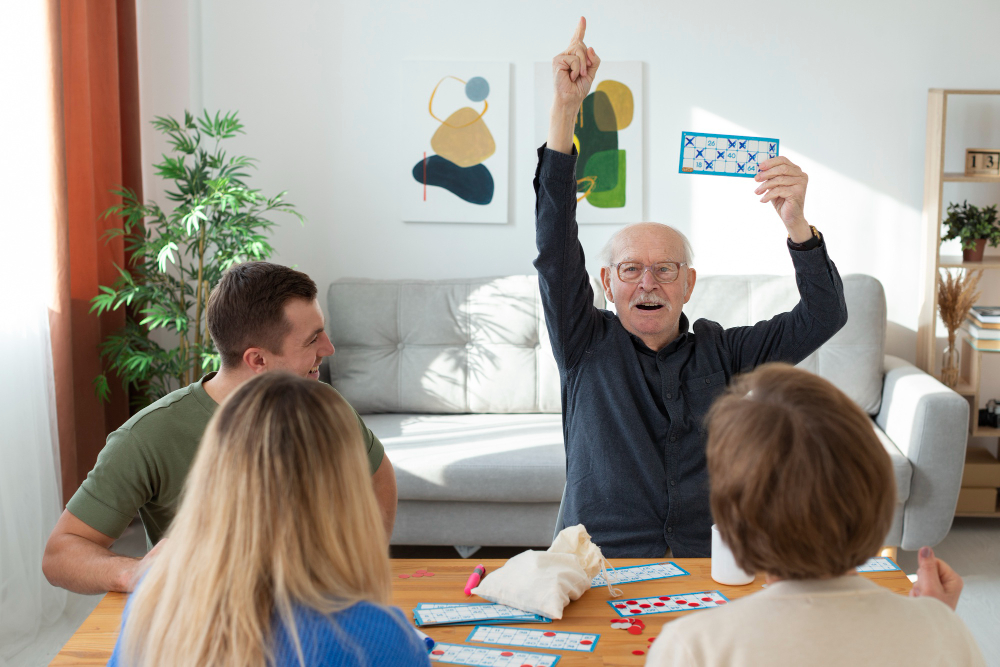
True comfort goes beyond symptom relief. It includes laughter, connection, and moments of normalcy. Activities, social engagement, and emotional enrichment are vital components of comfort-focused care. Examples include:
  • Music, art, and gentle movement sessions
  • One-on-one conversations and companionship
  • Celebrating milestones and everyday joys
  • Encouraging friendships within the care community
These experiences nourish the spirit and remind seniors that life can still be fulfilling.

Choosing a Care Home That Prioritizes Comfort

When selecting a care home, families should look beyond facilities and focus on philosophy. A commitment to comfort care, palliative quality of life, and compassionate support signals a place where seniors are truly respected. Questions to consider:
  • How does the care team manage comfort and pain?
  • Is emotional and psychological support emphasized?
  • Are care plans personalized and flexible?
  • Does the environment feel warm, calm, and welcoming?
The right care home will feel less like an institution and more like a supportive community.

A Better Way to Age with Dignity

Comfort-focused care redefines what it means to age gracefully. By prioritizing wellbeing, empathy, and individualized support, care homes can offer seniors a life filled with comfort, respect, and meaningful connection. This approach isn’t about doing less—it’s about doing what truly matters.

Short-Stay Care as a Trial Before Long-Term Care

Making decisions about care for a loved one can feel overwhelming—especially when it comes to choosing residential care. What if there were a way to test the waters before making a long-term commitment? That’s exactly where short-stay care as a trial comes in, offering families peace of mind, flexibility, and confidence during a crucial stage of elderly care planning. In this guide, we’ll explore how short-stay care works, why it’s becoming a popular option, and how it can support a smoother, more informed residential care decision.

What Is Short-Stay Care?

Short-stay care—often called respite care or temporary residential care—is a time-limited stay in a care home. It can last anywhere from a few days to several weeks, depending on individual needs and circumstances. Unlike permanent placement, short-stay care is designed to be flexible and low-pressure, making it ideal for families who are:
  • Exploring care options for the first time
  • Recovering from a hospital stay
  • Giving a primary caregiver a break
  • Unsure whether long-term residential care is the right fit
Think of it as a trial run—a practical, real-life experience of care home living without the permanence.

Why Consider a Short-Stay Care Trial?

Choosing long-term care is a big step, emotionally and financially. A short-stay care trial allows everyone involved to make decisions based on experience rather than assumptions. Here’s why families increasingly see it as a smart move:
  • Reduces uncertainty around care quality and environment
  • Builds confidence for both residents and families
  • Provides clarity before committing to long-term care
  • Supports better elderly care planning overall
Instead of guessing how a loved one might adapt, you get to see it in action.

How Short-Stay Care Supports Better Residential Care Decisions

A well-informed residential care decision should never feel rushed. Short-stay care gives families time and insight to evaluate what truly matters. During a trial stay, you can assess:
  • The daily routine and structure
  • Staff approach, friendliness, and responsiveness
  • Quality of meals, activities, and social interaction
  • Comfort of the living space
  • Emotional wellbeing and adjustment of your loved one
This real-world exposure often answers questions that brochures and tours simply can’t.

Emotional Benefits for Older Adults

Transitioning into care can be daunting. A short-term stay helps older adults ease into the idea of residential living without the fear of “this is forever.” Key emotional benefits include:
  • Less anxiety thanks to a temporary commitment
  • Opportunity to build relationships with staff and residents
  • A sense of independence and choice
  • Time to adjust at their own pace
Many residents discover they enjoy the companionship, activities, and support more than they expected.

Practical Benefits for Families and Caregivers

For families, short-stay care offers more than just evaluation—it provides breathing room. Benefits include:
  • Time to reflect on long-term needs
  • Relief from caregiver burnout
  • Space to discuss options openly as a family
  • A structured way to plan next steps in elderly care
It transforms a stressful decision into a collaborative, informed process.

Short-Stay Care vs. Long-Term Care: Key Differences

Understanding the distinction helps set expectations. Short-Stay Care
  • Temporary and flexible
  • Ideal for trials, recovery, or respite
  • Lower emotional commitment
  • Great for testing suitability
Long-Term Residential Care
  • Permanent placement
  • Best for ongoing support needs
  • Requires higher emotional readiness
  • Long-term financial planning involved
A trial stay bridges the gap between uncertainty and commitment.

When Is a Short-Stay Care Trial the Right Choice?

A short-stay care trial is particularly useful during certain life transitions. Consider it if your loved one:
  • Has recently experienced a health decline
  • Is being discharged from hospital
  • Lives alone and may need more support
  • Feels isolated or unsafe at home
  • Is unsure about moving into care permanently
It’s a gentle first step rather than a sudden leap.

What to Look for During a Trial Stay

To get the most out of a short-stay care trial, approach it with intention. Pay attention to:
  • Communication: Are staff clear, kind, and responsive?
  • Personalization: Is care tailored to individual preferences?
  • Engagement: Are residents encouraged to socialize and participate?
  • Safety and cleanliness: Does the environment feel secure and welcoming?
  • Feedback from your loved one: How do they feel about the experience?
These insights are invaluable when finalizing a residential care decision.

How Short-Stay Care Fits into Elderly Care Planning

Effective elderly care planning is proactive, not reactive. Short-stay care allows families to plan ahead rather than waiting for a crisis. It helps with:
  • Anticipating future care needs
  • Understanding costs and funding options
  • Aligning care choices with personal values
  • Avoiding rushed decisions during emergencies
In many cases, a trial stay becomes the foundation for a confident, long-term plan.

Financial Considerations to Keep in Mind

While short-stay care is a paid service, it can actually save money in the long run by preventing unsuitable long-term placements. Things to consider:
  • Daily or weekly care home rates
  • What’s included (meals, activities, personal care)
  • Potential funding support or local authority options
  • Comparing trial costs to long-term commitments
Always ask for transparent pricing before booking a stay.

Common Myths About Short-Stay Care

Let’s clear up a few misconceptions:
  • “It means we’ve failed to care at home.” Not true—short-stay care is a proactive, supportive choice.
  • “It will confuse my loved one.” In reality, many find it reassuring and enjoyable.
  • “It’s just a temporary fix.” It’s actually a strategic tool for long-term planning.
Understanding the truth makes the decision far less intimidating.

Turning a Trial Stay into a Confident Next Step

After a short-stay care trial, families often feel clearer, calmer, and more aligned. Some choose to move forward with permanent residential care, while others adjust home support instead. Either way, the decision is informed, intentional, and compassionate. That’s the real value of a short-stay care trial—it empowers families to choose what’s best, without pressure.

Final Thoughts: A Smarter Way to Choose Care

Short-stay care isn’t just a temporary solution—it’s a powerful decision-making tool. By offering real experience, emotional reassurance, and practical insight, it transforms how families approach residential care decisions and elderly care planning. If you’re standing at a crossroads, unsure which path to take, a short-stay care trial may be the clarity you’ve been looking for.   Ready to explore care options with confidence? Discover how our short-stay care programs can support your family’s journey, provide peace of mind, and help you make the right long-term decision—on your terms.

How Respite Care Prevents Caregiver Burnout

Caring for a loved one is an act of love, but even the most devoted caregivers can feel emotionally and physically drained. If you’ve ever felt exhausted, guilty, or stretched too thin, you may be experiencing caregiver burnout—and it’s more common than you think.

Understanding Caregiver Burnout

Caregiver burnout happens when ongoing stress, responsibility, and emotional pressure take a toll on your well-being. Family caregivers often juggle multiple roles—nurse, companion, advocate, and household manager—without adequate breaks. Common signs of caregiver burnout include:
  • Constant fatigue or sleep problems
  • Feeling overwhelmed or helpless
  • Irritability, anxiety, or depression
  • Withdrawing from friends and activities
  • Declining physical health
Ignoring these signs doesn’t just affect caregivers—it can impact the quality of care seniors receive.

Why Taking a Break Is Not Selfish

Many caregivers feel guilty stepping away, but rest is not a luxury—it’s a necessity. Just like fashion trends evolve to suit comfort and lifestyle, caregiving must adapt to support long-term sustainability. You can’t pour from an empty cup. This is where respite care relief steps in, offering a practical, compassionate solution.

What Is Respite Care?

Respite care provides short-term senior care designed to give caregivers temporary relief while ensuring seniors continue receiving professional, attentive support. Respite care can last:
  • A few hours
  • A weekend
  • Several weeks
It may be planned in advance or arranged during emergencies, offering flexibility when life gets unpredictable.

How Respite Care Helps Prevent Caregiver Burnout

Restores Physical and Emotional Energy

Caring for a senior loved one is demanding. Respite care allows caregivers to:
  • Catch up on sleep
  • Attend to personal health
  • Enjoy downtime without worry
Even a short break can feel like a full reset, helping caregivers return refreshed and more present.

Supports Mental Well-Being

Chronic stress is one of the leading contributors to caregiver burnout. Respite care offers mental clarity by:
  • Reducing anxiety and emotional overload
  • Providing peace of mind knowing loved ones are safe
  • Preventing feelings of resentment or emotional exhaustion
Caregivers often report feeling more patient and emotionally balanced after respite support.

Improves Quality of Care

When caregivers are well-rested and emotionally grounded, the quality of care improves naturally. Respite care ensures seniors benefit from:
  • Trained professionals
  • Structured routines
  • Social engagement and stimulation
Meanwhile, caregivers return with renewed focus and compassion.

Encourages Healthy Boundaries

Caregiving can quietly consume personal identity. Respite care helps caregivers:
  • Maintain relationships outside caregiving
  • Reconnect with hobbies and passions
  • Preserve independence and confidence
Setting boundaries isn’t neglect—it’s a sign of sustainable care.

Benefits of Short-Term Senior Care for Seniors

Respite care isn’t just beneficial for caregivers; it’s enriching for seniors too. Short-term senior care can offer:
  • Social interaction with peers
  • New activities and environments
  • Professional medical oversight
  • Emotional reassurance and routine
For many seniors, respite stays feel like a refreshing change rather than a disruption.

Types of Respite Care Options

Respite care comes in different forms to suit unique family needs. In-Home Respite Care A professional caregiver provides support in the senior’s home, maintaining familiar surroundings. Residential Respite Care Seniors temporarily stay at a care home, enjoying full-time support, meals, and activities. Day Respite Programs Ideal for daytime breaks, allowing caregivers time for work, errands, or rest.

When Should You Consider Respite Care?

You don’t need to reach a breaking point to seek help. Consider respite care if:
  • You feel constantly exhausted or overwhelmed
  • Your health is declining
  • You’re managing multiple responsibilities
  • You need time to recharge or travel
Early intervention prevents caregiver burnout before it escalates.

Overcoming Guilt Around Taking a Break

Caregiver guilt is real—but it’s misplaced. Choosing respite care is choosing better care for everyone involved. Think of it like investing in quality wardrobe staples—they last longer, perform better, and support you every day. Respite care works the same way for caregiving.

How to Choose the Right Respite Care Provider

Selecting a trusted care home ensures peace of mind. Look for:
  • Experienced and compassionate staff
  • Personalized care plans
  • Clean, welcoming environments
  • Clear communication and transparency
  • Flexible short-term care options
A reputable care home will treat your loved one like family.

Respite Care as Part of Long-Term Care Planning

Respite care isn’t a one-time fix—it’s a powerful part of ongoing care planning. Regular breaks help caregivers sustain their role without sacrificing health, relationships, or joy. By embracing respite care relief, families create a healthier, more balanced caregiving journey.

Caregivers Deserve Care Too

Caregiving is an act of love, but love should never come at the cost of your own well-being. Caregiver burnout is preventable, and respite care offers a supportive, dignified solution. Taking a break doesn’t mean stepping away—it means stepping up with renewed strength.

Final Thoughts

If you’re feeling overwhelmed, remember—you don’t have to do it alone. Respite care relief offers comfort, balance, and peace of mind for both caregivers and seniors. Take the next step toward healthier caregiving today. Explore our respite care options, learn more about short-term senior care, and give yourself the break you deserve.  

Dementia Diagnosis Support for Families

A dementia diagnosis can feel like the ground shifts beneath your feet—but it doesn’t have to leave you lost. Whether you’re caring for a parent, partner, or close friend, knowing how to offer meaningful dementia diagnosis support can make all the difference in their emotional and physical well-being. This guide breaks down the essential steps families can take to navigate the early stages of a diagnosis with confidence, compassion, and clarity. Let’s walk through what you can expect, how to prepare, and the practical ways you can create a supportive environment tailored to your loved one’s unique needs.

Understanding What a Dementia Diagnosis Really Means

A dementia diagnosis doesn’t define a person—it simply gives a name to the memory changes, confusion, and cognitive challenges they may have been experiencing. It’s a starting point for memory loss guidance, care planning, and open, honest conversations. Key things to understand early on:
  • Dementia is not one single condition; it’s an umbrella term for various disorders that affect memory and thinking.
  • Symptoms progress differently for every individual.
  • Support isn’t just medical—emotional stability, routine, and social connection play major roles.
  • Families aren’t alone; there are professionals, communities, and resources designed to help at every step.
By learning the basics, families can set realistic expectations and avoid feeling overwhelmed.

The Emotional Impact: What Your Loved One May Be Feeling

A new diagnosis brings up a whirlwind of emotions—for your loved one and for you. Fear, frustration, embarrassment, and uncertainty are common. Some may feel relieved that their challenges finally have a name. Here are some gentle support strategies to help them process the diagnosis:
  • Listen without correcting. They may repeat questions or express fears—let them open up.
  • Reassure them they are not alone. Remind them that you will navigate this together.
  • Validate emotions. Statements like “It’s okay to feel unsure. We’ll work through this step by step.” go a long way.
  • Encourage confidence. Focus on their strengths and abilities, not the limitations.
Compassion is the most valuable tool during these early conversations.

How Families Can Step Into Caregiving With Confidence

Taking on a caregiving role can feel intimidating, but with the right approach, families can establish a strong foundation for effective family dementia care. The goal is not perfection—it’s creating stability and comfort.

Build a Supportive Daily Routine

People with dementia thrive when life feels predictable. A consistent schedule helps reduce anxiety, supports memory recall, and makes daily tasks easier to manage. Try incorporating:
  • Regular meal times
  • Familiar morning and evening rituals
  • Gentle activity blocks like reading, music, or short walks
  • Quiet time for rest and decompression
Even small routines can provide reassurance and structure.

Prioritise Safety at Home

A safe, supportive living space is essential. Focus on minimizing risks without making the environment feel restrictive. Consider simple adjustments such as:
  • Removing trip hazards
  • Improving lighting in hallways and entryways
  • Labelling cupboards or rooms with clear wording
  • Securing medication and cleaning supplies
  • Using motion sensors or nightlights
These changes help maintain independence while reducing preventable accidents.

Keep Communication Clear and Calm

Communication shifts as dementia progresses, but you can adapt:
  • Use short, clear sentences.
  • Ask one question at a time.
  • Maintain eye contact.
  • Allow extra time for responses.
  • Avoid arguing over incorrect details—refocus gently instead.
This approach supports emotional stability and strengthens connection.

Memory Support Techniques That Truly Help

Providing memory loss guidance doesn’t mean trying to improve memory—it means supporting it effectively. Here are practical tools families can integrate at home: Memory Aids & Tools
  • A large, easy-to-read calendar for appointments and events
  • Labels on drawers, rooms, and household items
  • A memory journal or notebook
  • Digital reminders on phones or tablets
  • A visual daily schedule
Engaging Activities
  • Sorting or organizing simple objects
  • Music from their favourite era
  • Photo albums and storytelling
  • Short puzzles or word games
  • Household tasks like folding or dusting
These encourage mental stimulation and give your loved one a sense of purpose.

Balancing Independence With Support

One of the most delicate parts of dementia care is knowing when to step in—and when to step back. Supporting independence for as long as possible helps your loved one maintain dignity and confidence. You can encourage autonomy by:
  • Offering choices, such as outfits or meal options
  • Allowing extra time to complete tasks
  • Guiding rather than taking over
  • Adapting tasks so they’re manageable (e.g., pre-measuring ingredients for cooking)
The goal is not to shield them from every challenge, but to empower them within safe limits.

When to Seek Professional Help

There may come a point when professional care—whether in-home support, respite services, or a specialized care home—can significantly improve quality of life for both your loved one and your family. Consider extra support when:
  • Safety concerns increase
  • Caregiving becomes physically or emotionally overwhelming
  • Your loved one requires supervision throughout the day
  • Their medical needs become more complex
  • Daily tasks consistently lead to stress or confusion
Seeking professional help isn’t giving up—it’s expanding the circle of care.

Taking Care of Yourself as a Caregiver

Caring for someone with dementia is rewarding, but also demanding. Burnout is common, and self-care is not optional—it’s essential. Prioritise your well-being by:
  • Scheduling regular breaks
  • Joining a caregiver support group
  • Sharing responsibilities with family
  • Speaking with a counsellor when needed
  • Making time for hobbies, exercise, and rest
Remember: You can only provide strong support when you’re supported, too.

Building a Circle of Support

Supporting someone after a dementia diagnosis takes a team. Beyond family and professional carers, consider tapping into:
  • Local memory cafés
  • Dementia-friendly community events
  • Support charities and helplines
  • Educational workshops
  • Online caregiver forums
The more connected your support network, the stronger and more confident your loved one will feel.

Final Thoughts: You’re Not Alone in This Journey

A dementia diagnosis marks the beginning of a new chapter—one that can be filled with compassion, connection, and meaningful moments. With the right approach, resources, and support system, families can create a nurturing environment that empowers loved ones to live with comfort, dignity, and joy. If you’re ready to learn more about how professional dementia care can enhance your loved one’s well-being, our team is here to help. Explore your care options today and take the next step with confidence.

How Familiar Routines Help Dementia Patients Feel Secure

For someone living with dementia, the world can feel unpredictable and overwhelming. Familiar routines act like an anchor, offering comfort, clarity, and emotional safety when memory and cognition begin to shift. In a care home setting, well-structured daily routines don’t just organize the day—they restore a sense of control and dignity. Research and real-world care experience show that dementia routines reduce anxiety, improve mood, and support independence, even as memory challenges progress. Let’s explore how consistent routines play a powerful role in memory care stability and elderly cognitive support.

Understanding Dementia and the Need for Predictability

Dementia affects how the brain processes time, place, and sequence. Simple changes—like a different mealtime or unfamiliar caregiver—can feel deeply unsettling. When daily life becomes predictable:
  • The brain works less hard to interpret what’s happening
  • Emotional stress is reduced
  • Confidence in everyday activities increases
This predictability is why structured routines are a cornerstone of high-quality memory care.

How Dementia Routines Create Emotional Security

A familiar routine tells the brain, “You are safe here.” When events follow a consistent pattern, residents are less likely to feel confused or frightened. Benefits of consistent dementia routines include:
  • Reduced agitation and restlessness
  • Fewer episodes of anxiety or distress
  • Improved emotional regulation
  • Stronger sense of belonging
Over time, routines become emotionally reassuring—even when specific memories fade.

Memory Care Stability Starts With Small, Consistent Moments

Stability doesn’t mean rigidity. Instead, it’s about gentle consistency. In a care home, this often looks like:
  • Waking up at the same time each day
  • Familiar faces assisting with personal care
  • Meals served in a predictable environment
  • Regular activities scheduled at consistent times
These repeated experiences build memory care stability, allowing residents to anticipate what comes next—even if they can’t articulate it.

The Role of Daily Routines in Elderly Cognitive Support

Cognitive decline doesn’t erase the brain’s ability to learn patterns. In fact, procedural memory—the memory for routines—often lasts longer than short-term recall. This is why daily routines:
  • Support remaining cognitive abilities
  • Reinforce neural pathways
  • Encourage independence for longer
For elderly cognitive support, routines act as a gentle cognitive exercise, reinforcing familiarity and confidence throughout the day.

Morning Routines: Setting the Tone for the Day

Mornings can be disorienting for dementia patients. A calm, familiar start makes a remarkable difference. Effective morning routines often include:
  • Same caregiver assisting with dressing and hygiene
  • Familiar clothing choices laid out in order
  • Gentle reminders and clear, simple communication
When mornings feel safe and unhurried, residents are more relaxed and cooperative throughout the day.

Mealtime Routines and Their Impact on Wellbeing

Food is deeply tied to memory and comfort. Predictable mealtime routines help residents feel grounded and secure. Consistent mealtime routines support:
  • Better appetite and nutrition
  • Reduced confusion around eating
  • Social engagement and connection
Serving meals at the same time, in the same place, with familiar table settings creates a comforting rhythm residents can rely on.

Activity Routines That Encourage Engagement

Structured activities offer more than entertainment—they provide purpose and identity. Popular routine-based activities include:
  • Morning walks or light stretching
  • Music sessions at the same time each week
  • Familiar crafts or hobbies
  • Regular social gatherings
These activities become touchstones in the day, reinforcing memory care stability while supporting emotional wellbeing.

Evening and Bedtime Routines Reduce Anxiety

As daylight fades, many dementia patients experience increased confusion, often known as sundowning. Evening routines are essential in easing this transition. Effective bedtime routines may include:
  • Dimmed lighting at consistent times
  • Calm, familiar music or reading
  • Identical bedtime rituals each night
Predictable evenings help residents wind down naturally, improving sleep quality and reducing nighttime distress.

Familiar Caregivers Make Routines Work

Routines are most effective when paired with consistent caregivers. Familiar faces build trust, emotional safety, and clear communication. In care homes that prioritize staffing consistency:
  • Residents show fewer behavioral challenges
  • Personal care becomes less stressful
  • Emotional bonds strengthen over time
This human connection is a vital part of elderly cognitive support.

Balancing Structure With Flexibility

While routines are essential, they should never feel restrictive. The best care homes understand that flexible routines respect individuality. A person-centered approach allows:
  • Small choices within a routine
  • Adjustments for mood or energy levels
  • Respect for lifelong habits and preferences
This balance preserves dignity while maintaining the comfort of predictability.

Family Involvement Strengthens Familiarity

When families are involved in care planning, routines become even more meaningful. Loved ones can share:
  • Past daily habits
  • Favorite activities
  • Preferred wake-up and bedtime patterns
Incorporating these personal details transforms routines into deeply familiar experiences, strengthening emotional security.

Why Care Homes Focus on Routine-Based Dementia Care

High-quality care homes are designed around structured, familiar living. From consistent layouts to predictable daily schedules, every detail supports memory care stability. The result?
  • Happier, calmer residents
  • Reduced stress for families
  • Improved overall quality of life
Routine-based care isn’t just practical—it’s compassionate.

Choosing the Right Care Home for Routine-Focused Memory Care

When evaluating a care home, look for one that values:
  • Personalized daily routines
  • Consistent caregiving teams
  • Calm, structured environments
  • Strong family collaboration
These elements are essential for effective dementia routines and long-term elderly cognitive support.

The Lasting Power of Familiarity

Even as memories change, the comfort of familiarity remains. Routines provide reassurance, purpose, and emotional grounding—helping dementia patients feel secure in a world that can otherwise feel confusing. In the right care home, routines become more than schedules. They become a source of peace, dignity, and trust.

Final Thoughts: Comfort Is Found in Consistency

Familiar routines are one of the most powerful tools in dementia care. They nurture emotional safety, support cognitive function, and create a stable environment where residents can truly feel at home. If you’re exploring memory care options, choose a care home that understands the importance of routine-led support. The difference it makes is felt every single day. Take the next step today—learn more about our compassionate, routine-focused dementia care and discover how we help residents feel safe, supported, and truly at home.

The Role of Care Plans in Personalised Nursing Support

Every senior has a unique story, lifestyle, and set of health needs—and that’s exactly why personalised nursing care has become the gold standard in modern care homes. Gone are the days of one-size-fits-all support. Today, thoughtfully designed care plans for seniors ensure that every resident receives care that truly reflects who they are, not just what they need medically. At the heart of exceptional nursing support lies one powerful tool: the personalised care plan. It’s more than paperwork—it’s a living, evolving guide that shapes daily routines, health decisions, and emotional wellbeing.

What Is a Care Plan in a Care Home Setting?

A care plan is a detailed, individualised roadmap created to support a resident’s physical, emotional, and social needs. Developed collaboratively by nurses, carers, healthcare professionals, residents, and families, it ensures individual health support is consistent, respectful, and proactive. A well-structured care plan typically covers:
  • Medical history and current health conditions
  • Medication schedules and clinical monitoring
  • Mobility, nutrition, and personal care needs
  • Emotional wellbeing and mental health support
  • Personal preferences, routines, and lifestyle choices
This tailored approach helps residents feel seen, heard, and genuinely cared for.

The Core Benefits of Personalised Nursing Care Plans

Personalised care plans bring structure, clarity, and compassion together. Here’s why they are essential in high-quality senior care:
  • Consistency in care delivery across all nursing shifts
  • Improved health outcomes through proactive monitoring
  • Greater independence and dignity for residents
  • Enhanced communication between staff, families, and healthcare providers
  • Reduced risk of medical errors or overlooked needs
By aligning daily care with individual requirements, personalised nursing care becomes both safer and more meaningful.

How Care Plans Support Seniors’ Physical Health

Physical health is often the most visible aspect of nursing care—and care plans ensure nothing is left to chance. Through detailed documentation and regular reviews, care plans help nurses:
  • Monitor chronic conditions such as diabetes, arthritis, or heart disease
  • Track vital signs and changes in mobility
  • Manage pain effectively and safely
  • Ensure proper nutrition and hydration
  • Reduce hospital admissions through early intervention
For seniors, this level of individual health support can significantly improve comfort, confidence, and long-term wellbeing.

Emotional and Mental Wellbeing: An Essential Focus

True personalised nursing care goes beyond physical needs. Emotional health plays a huge role in overall quality of life—especially for seniors transitioning into a care home environment. Care plans help address:
  • Anxiety, depression, or loneliness
  • Cognitive changes, including dementia or memory loss
  • Social engagement and meaningful activities
  • Personal routines that provide comfort and familiarity
By recognising emotional triggers and personal preferences, care teams can offer reassurance, stability, and genuine human connection.

Personal Preferences: The Heart of Individual Health Support

From morning routines to favourite meals, personal details matter. Care plans capture these nuances, transforming everyday care into a truly personalised experience. Examples include:
  • Preferred wake-up and bedtime schedules
  • Clothing choices and grooming habits
  • Cultural, religious, or dietary requirements
  • Hobbies, music, or social interests
Respecting these preferences reinforces dignity and helps seniors maintain a strong sense of identity.

The Role of Families in Care Planning

Families play a vital role in creating effective care plans for seniors. Their insights help care teams understand a resident’s history, personality, and evolving needs. Family involvement:
  • Improves transparency and trust
  • Ensures continuity between home life and care home life
  • Supports informed decision-making
  • Strengthens emotional reassurance for residents
Regular care plan reviews also keep families updated and involved, fostering confidence in the quality of care provided.

How Care Plans Evolve Over Time

A personalised care plan is not static—it evolves as needs change. Regular assessments allow nursing teams to adjust care strategies based on:
  • Changes in health or mobility
  • New medical diagnoses
  • Emotional or cognitive shifts
  • Feedback from residents and families
This flexibility ensures personalised nursing care remains relevant, responsive, and effective at every stage.

Supporting Independence Through Structured Care

One common misconception is that care plans limit independence. In reality, they do the opposite. By clearly outlining abilities and preferences, care plans:
  • Encourage safe independence
  • Reduce unnecessary assistance
  • Empower residents to make choices
  • Build confidence in daily activities
The result? Seniors feel supported—not controlled.

Technology and Modern Care Planning

Many care homes now use digital care planning systems to enhance accuracy and communication. These tools allow:
  • Real-time updates to care records
  • Faster response to health changes
  • Better coordination between care teams
  • Improved compliance with care standards
Technology strengthens the delivery of individual health support, ensuring nothing is missed.

Why Care Plans Are Central to Quality Nursing Support

In a high-quality care home, care plans are the foundation of everything. They guide nursing actions, inform carers, reassure families, and most importantly, protect the wellbeing of residents. When care plans are thoughtfully created and consistently followed, seniors experience:
  • Better health stability
  • Stronger emotional security
  • Higher satisfaction with care
  • A genuine sense of belonging
That’s the true power of personalised nursing care.

Choosing a Care Home That Prioritises Personalised Care

When selecting a care home, always ask about their care planning process. The best care homes will:
  • Involve residents and families from day one
  • Review care plans regularly
  • Adapt support as needs evolve
  • Treat care plans as living documents—not formalities
This commitment reflects a deep respect for individuality and wellbeing.

Final Thoughts: Personalised Care Starts with a Plan

At its core, a care plan is a promise—a promise to treat every senior as an individual, not a number. Through tailored strategies, compassionate nursing, and ongoing collaboration, care plans for seniors deliver meaningful, dignified, and effective support. If you’re exploring care options for yourself or a loved one, understanding the role of personalised care planning can make all the difference. Take the next step today—learn more about how personalised nursing care can transform daily living and ensure comfort, confidence, and peace of mind.

How Medication Management Improves Senior Safety

A single missed pill or incorrect dosage can change everything—especially for seniors. As we age, managing multiple prescriptions becomes part of daily life, and without the right support, it can quickly feel overwhelming. That’s where medication management for seniors steps in, transforming a complex routine into a safer, more confident way of living. In care homes, medication management isn’t just about handing out pills—it’s about protecting dignity, health, and independence while ensuring round-the-clock safety.

Understanding Medication Challenges in Older Adults

Seniors often take multiple medications for chronic conditions such as heart disease, diabetes, arthritis, or memory-related illnesses. This increases the risk of:
  • Medication errors
  • Adverse drug interactions
  • Missed or doubled doses
  • Confusion due to similar-looking pills
  • Side effects that impact mobility or cognition
Without structured elderly medication support, even the most organized individuals can face serious health risks.

What Is Medication Management in a Care Home Setting?

Medication management in a care home is a professional, systemized approach to ensuring residents receive the right medication, at the right time, in the right dose. This typically includes:
  • Prescription coordination with doctors and pharmacies
  • Secure storage of medications
  • Scheduled administration by trained nursing staff
  • Monitoring for side effects or changes in condition
  • Regular medication reviews
This process forms a critical pillar of nursing care safety, especially for residents with complex medical needs.

How Medication Management Improves Senior Safety

The impact of effective medication management goes far beyond convenience—it actively saves lives.

Reduces Medication Errors

Trained caregivers follow strict protocols, double-check prescriptions, and maintain accurate records. This dramatically lowers the chances of incorrect dosages or missed medications.

Prevents Harmful Drug Interactions

Many seniors take five or more medications daily. Care home professionals monitor combinations closely, spotting potential interactions before they become dangerous.

Supports Memory and Cognitive Health

For residents with dementia or memory challenges, medication schedules can’t rely on self-reminders. Professional support ensures consistency without stress or confusion.

The Role of Skilled Nursing in Medication Safety

At the heart of safe medication practices is qualified nursing care. Nurses are trained to:
  • Recognize early signs of adverse reactions
  • Adjust care plans based on a resident’s response
  • Communicate with physicians when changes are needed
  • Educate residents about their medications in simple terms
This hands-on oversight significantly enhances nursing care safety, offering peace of mind to both residents and families.

Personalized Medication Plans for Every Resident

No two seniors are alike, and medication management should never be one-size-fits-all. Care homes develop personalized medication plans based on:
  • Medical history
  • Current diagnoses
  • Lifestyle and daily routines
  • Swallowing difficulties or dietary needs
  • Allergies or sensitivities
This tailored approach ensures elderly medication support that respects individuality while maintaining the highest safety standards.

Emotional and Mental Benefits of Proper Medication Support

Medication management isn’t only about physical health—it also plays a powerful role in emotional well-being. When seniors feel confident that their medications are handled correctly:
  • Anxiety levels decrease
  • Independence feels supported, not taken away
  • Trust in caregivers strengthens
  • Overall quality of life improves
Families also experience relief, knowing their loved ones are protected by reliable systems.

Preventing Hospitalizations and Emergency Situations

One of the most significant benefits of structured medication management is fewer emergency hospital visits. Medication-related complications are a leading cause of hospital admissions among older adults. Effective systems help:
  • Catch side effects early
  • Prevent overdoses
  • Maintain stable chronic condition management
This proactive care model keeps residents safer, healthier, and more comfortable at home.

Technology and Medication Management in Modern Care Homes

Today’s care homes blend compassion with innovation. Many now use digital medication tracking systems that:
  • Alert staff to upcoming doses
  • Maintain real-time medication records
  • Reduce human error
  • Improve communication between caregivers
When combined with professional oversight, technology enhances medication management for seniors without replacing the human touch.

Supporting Families Through Clear Communication

Families want transparency—and great care homes deliver it. Medication management includes:
  • Regular updates on medication changes
  • Open communication with healthcare providers
  • Clear explanations of why medications are prescribed
This partnership approach builds trust and ensures everyone is aligned around the resident’s health goals.

Medication Reviews: A Key to Long-Term Safety

Medications that were once necessary may no longer be appropriate. Regular medication reviews help:
  • Remove unnecessary prescriptions
  • Adjust dosages as health changes
  • Minimize side effects
  • Improve overall wellness
These reviews are essential for ongoing nursing care safety and long-term senior health.

Promoting Independence While Ensuring Safety

The best care homes strike a balance between assistance and autonomy. Medication management allows seniors to:
  • Focus on enjoying daily life
  • Participate in social activities
  • Maintain routines without constant worry
Rather than limiting independence, professional support protects it.

Why Families Trust Care Homes with Medication Management

Choosing a care home is about trust. Families look for environments where safety, professionalism, and compassion come together. Medication management reassures families that:
  • Their loved one’s health is closely monitored
  • Risks are minimized
  • Care is proactive, not reactive
It’s one of the strongest indicators of a care home’s commitment to excellence.

Final Thoughts: Safety Starts With the Right Support

Medication may be a small part of the day—but it plays a massive role in senior safety. With structured systems, skilled nursing, and personalized care, medication management for seniors becomes a foundation for healthier, happier aging. In a care home setting, it’s not just about managing medicine—it’s about protecting lives, preserving dignity, and empowering seniors to thrive. Looking for a care home that prioritizes safety, compassion, and professional medication support? Learn more about our approach to nursing care safety and discover how we help seniors live confidently every day.

How Residential Care Reduces Senior Loneliness

Loneliness doesn’t wrinkle with age—it deepens when connection fades. For many older adults, the quiet moments can feel heavier than ever, which is why residential care is becoming one of the most powerful antidotes to senior loneliness. Much like a thoughtfully styled outfit can lift confidence, the right living environment can transform emotional wellbeing. Residential care homes are no longer just about medical support—they’re about belonging, connection, and community living that helps seniors thrive.

Understanding Senior Loneliness in Today’s Aging Population

Senior loneliness is more than feeling alone—it’s a growing public health concern. As people age, life changes such as retirement, reduced mobility, loss of a spouse, or living far from family can significantly limit social interaction. Common contributors to loneliness among older adults include:
  • Living alone for extended periods
  • Limited opportunities for daily conversation
  • Reduced independence or mobility
  • Feeling disconnected from society
  • Lack of meaningful social roles
Over time, loneliness can impact mental health, cognitive function, and even physical wellbeing. This is where residential care benefits truly shine.

Why Residential Care Is More Than Just a Place to Live

Think of residential care as a well-curated lifestyle—structured, supportive, and designed with intention. Instead of isolation, seniors experience community living where interaction is woven into everyday routines. Residential care offers:
  • Built-in companionship
  • Daily opportunities for social engagement
  • Emotional reassurance and consistency
  • A sense of safety and belonging
This shift from solitary living to shared experiences can dramatically reduce feelings of loneliness and isolation.

Community Living: The Heart of Connection

At the core of residential care is community living, a setting where seniors live among peers who share similar life experiences. Just like fashion trends bring people together, shared routines and interests create natural bonds. Community living encourages:
  • Casual daily conversations over meals
  • Group participation without pressure
  • A sense of “being seen” and included
  • Shared celebrations, milestones, and memories
These small, consistent interactions are essential for combating senior loneliness in a meaningful, sustainable way.

Built-In Social Opportunities That Feel Natural

One of the greatest residential care benefits is the ease of socialization. There’s no need to plan outings or rely on transportation—connection is right outside the door. Most residential care homes offer:
  • Group activities like crafts, games, and music sessions
  • Fitness and wellness classes tailored for seniors
  • Hobby clubs and interest-based groups
  • Movie nights, themed dinners, and social events
These activities aren’t forced—they’re optional, inclusive, and designed to feel enjoyable rather than overwhelming.

Emotional Support That Goes Beyond Friendship

While friendships are vital, elderly social support also comes from trained staff who understand emotional wellbeing. Care professionals are often the first to notice changes in mood or behavior and can provide reassurance when it’s needed most. Emotional support in residential care includes:
  • Daily check-ins and friendly conversations
  • Encouragement to participate without pressure
  • Compassionate listening during difficult moments
  • Support during transitions or life changes
This consistent emotional presence helps seniors feel valued, understood, and emotionally secure.

Structure and Routine Create a Sense of Purpose

Loneliness often grows when days feel repetitive or meaningless. Residential care introduces gentle structure—much like a well-planned wardrobe simplifies daily choices. Daily routines can include:
  • Scheduled meals enjoyed with others
  • Morning wellness or movement sessions
  • Afternoon social or creative activities
  • Evening relaxation or entertainment
This rhythm gives seniors something to look forward to, reinforcing a sense of purpose and reducing emotional isolation.

Family Connection Without the Pressure

Many families worry that moving a loved one into residential care may weaken their bond. In reality, it often strengthens it. When seniors receive daily elderly social support from staff and peers, family visits become more relaxed and meaningful. Loved ones can focus on quality time instead of caregiving stress. Benefits for family relationships include:
  • More positive, engaging visits
  • Reduced guilt or worry
  • Improved communication and connection
  • Peace of mind knowing their loved one is supported
Residential care complements family involvement—it doesn’t replace it.

Mental and Physical Health Benefits of Reduced Loneliness

Reducing senior loneliness has a ripple effect on overall health. Research consistently shows that socially connected seniors experience better outcomes across multiple areas of wellbeing. These benefits include:
  • Improved mood and emotional resilience
  • Reduced risk of depression and anxiety
  • Better cognitive engagement and memory
  • Increased motivation for physical activity
By fostering connection, residential care supports both mental clarity and physical vitality.

Independence Within a Supportive Environment

A common misconception is that residential care removes independence. In reality, it redefines independence—allowing seniors to live freely while knowing help is always available. Residents can:
  • Choose how they spend their day
  • Participate in activities that match their interests
  • Enjoy privacy alongside social connection
  • Maintain personal routines with added support
This balance empowers seniors to stay confident and socially engaged without feeling overwhelmed.

A Lifestyle Designed for Dignity and Belonging

Modern residential care is thoughtfully designed—warm interiors, inviting communal spaces, and environments that encourage interaction without sacrificing comfort. Just like great style is about feeling good as well as looking good, residential care focuses on:
  • Comfort and accessibility
  • Welcoming shared spaces
  • Opportunities for spontaneous conversation
  • A dignified, home-like atmosphere
These details matter when it comes to reducing loneliness and enhancing daily life.

Choosing Residential Care as a Positive Step Forward

Transitioning into residential care isn’t about loss—it’s about gaining connection, support, and community. For seniors experiencing loneliness, it can be a powerful step toward renewed joy and engagement. With the right environment, seniors rediscover:
  • A sense of belonging
  • Daily social interaction
  • Emotional reassurance
  • Purposeful, fulfilling routines
In short, residential care turns isolation into inclusion.

Final Thoughts: Connection Never Goes Out of Style

Loneliness may be common in later life, but it’s not inevitable. Residential care benefits extend far beyond physical support—they create vibrant, caring communities where seniors can truly flourish. If you or a loved one is seeking warmth, companionship, and meaningful connection, residential care offers a lifestyle where no one feels alone—and where community living is always in season. Take the next step toward a more connected, confident future. Explore your options, learn more about residential care, and discover how the right community can make all the difference.

First Week in Residential Care: What Families Should Expect

The first week in a care home can feel like stepping into a brand-new chapter, filled with mixed emotions, big changes, and lots of questions. While it is completely natural to feel anxious, understanding what usually happens during the first week of residential care can bring comfort, clarity, and confidence to both seniors and their families. This guide walks you through the typical care home transition, highlights how senior adjustment unfolds, and explains the types of elderly support families can expect during those important first few days.

Understanding the Emotional Side of the Transition

Moving into residential care is not just a physical change, it is an emotional journey. During the first few days, seniors may experience:
  • Nervousness or uncertainty
  • Sadness about leaving their previous home
  • Relief at having help readily available
  • Curiosity about their new surroundings
These feelings often come and go. Care staff are trained to recognize emotional cues and gently support residents as they begin to feel comfortable. For families, emotions may include:
  • Guilt about the decision
  • Worry about whether their loved one will settle in
  • Hope that daily life will become safer and easier
Knowing that emotional ups and downs are part of the normal care home transition can make the process feel less overwhelming.

Day One: Settling In and Getting Oriented

The first day is all about making your loved one feel welcome, safe, and respected.

Warm Welcome and Introductions

Upon arrival, residents are usually greeted by:
  • Care assistants
  • Nursing staff (if applicable)
  • Activity coordinators
  • Sometimes fellow residents
Staff may show them around key areas such as:
  • Their bedroom
  • Dining spaces
  • Activity rooms
  • Gardens or walking areas
This helps reduce anxiety and gives seniors a sense of belonging right from the start.

Personal Belongings Make a Big Difference

Having familiar items can ease the senior adjustment process significantly:
  • Favorite blankets or pillows
  • Family photos
  • A familiar chair or bedside lamp
  • Personal clothing and accessories
These small touches make the new room feel like home, not just a place to stay.

Care Assessments and Individualized Support Plans

One of the most important parts of the first week of residential care is understanding your loved one’s specific needs.

Comprehensive Health and Lifestyle Assessments

Care teams typically conduct assessments covering:
  • Medical history and medications
  • Mobility and fall risk
  • Personal care preferences
  • Dietary requirements
  • Emotional wellbeing
This allows staff to provide the right level of elderly support without making residents feel rushed or pressured.

Creating a Personalized Care Routine

From bathing schedules to meal preferences, care plans are designed to respect routines your loved one is already comfortable with. This helps reduce feelings of loss of independence and builds trust between residents and caregivers.

Mealtimes: More Than Just Food

Meals play a big role in daily comfort and social connection.

What to Expect During the First Few Meals

In the early days, seniors may:
  • Eat smaller portions
  • Prefer familiar foods
  • Need reminders to drink enough fluids
Care staff gently encourage healthy eating while respecting individual tastes.

Social Dining and Gentle Introductions

Residents may be invited to join communal dining areas, but participation is never forced. Some seniors prefer quiet meals in their rooms initially, while others enjoy meeting new people right away. Both approaches are completely normal during the care home transition.

Activities That Support Senior Adjustment

Activity programs are carefully designed to help residents feel engaged and emotionally connected.

Low-Pressure Participation

In the first week, activities are usually:
  • Optional
  • Short and relaxed
  • Adaptable to different energy levels
Examples may include:
  • Light exercise sessions
  • Music therapy
  • Arts and crafts
  • Group games
These gentle opportunities help build confidence and reduce isolation.

Why Activities Matter Early On

Participating in even small social moments can:
  • Improve mood
  • Encourage routine
  • Support emotional wellbeing
  • Speed up senior adjustment
Staff often observe which activities spark interest and tailor future invitations accordingly.

Family Visits: Finding the Right Balance

Families play a huge role in helping seniors feel secure, but timing and balance matter.

Visiting During the First Week

Visits are usually welcome, but it is helpful to:
  • Keep visits positive and calm
  • Avoid long emotional goodbyes
  • Encourage independence rather than focusing on worries
Short, reassuring visits can strengthen confidence without disrupting the new routine.

Supporting Without Overwhelming

While staying connected is important, giving your loved one space to build relationships with staff and other residents supports long-term comfort in their new environment.

Building Trust With Care Staff

Trust is the foundation of quality elderly support, and it begins early.

Open Communication With Families

During the first week, families can expect:
  • Updates on how the resident is settling in
  • Feedback about sleep, appetite, and mood
  • Opportunities to discuss concerns
Do not hesitate to ask questions. Care teams appreciate family involvement and open dialogue.

Consistency Builds Confidence

Seeing the same caregivers regularly helps residents feel:
  • Recognized
  • Respected
  • Emotionally secure
This consistency supports smoother adjustment and reduces stress during the transition period.

Common Challenges During the First Week

While many residents settle in smoothly, some may face temporary challenges.

Sleep Disruptions

New surroundings can affect sleep patterns. This may include:
  • Difficulty falling asleep
  • Waking up during the night
Staff monitor sleep closely and offer comfort strategies without immediately relying on medication.

Appetite Changes

It is normal for appetite to fluctuate initially. Gentle encouragement, favorite meals, and flexible dining options help restore regular eating habits.

Moments of Homesickness

Feeling nostalgic or missing home is completely natural. Care teams respond with reassurance, emotional support, and distraction through meaningful activities. These challenges are usually temporary and improve as residents grow familiar with their environment.

How Families Can Support a Positive Transition

Your encouragement can make a meaningful difference during the first week of residential care.

Helpful Ways to Stay Involved

Families can support adjustment by:
  • Bringing familiar personal items
  • Encouraging participation in activities
  • Maintaining positive conversations
  • Trusting care staff to handle daily routines

What to Avoid in the Early Days

Try to avoid:
  • Expressing guilt in front of your loved one
  • Frequently questioning staff during visits
  • Comparing the care home to their previous home
Confidence and reassurance from family members often transfer directly to residents, helping them feel safer and more settled.

When Does It Start to Feel Like Home?

Every resident adjusts at their own pace. For some, comfort comes within days. For others, it may take a few weeks. Signs that adjustment is progressing well include:
  • Improved sleep and appetite
  • Willingness to join group activities
  • Smiling and relaxed body language
  • Developing friendly relationships with staff or residents
Patience is key. The goal of residential care is not just safety, but a meaningful, comfortable daily life.

Long-Term Benefits of a Strong Start

A smooth first week sets the tone for long-term wellbeing. When the care home transition is handled with empathy and personalized attention, residents often experience:
  • Greater emotional stability
  • Better physical health management
  • Increased social engagement
  • Reduced stress for family members
Early support plays a major role in creating a positive residential care experience that benefits everyone involved.

Final Thoughts: Moving Forward With Confidence

The first week in residential care is a time of change, adjustment, and new beginnings. While emotions may run high, understanding what to expect can replace fear with reassurance and uncertainty with hope. With compassionate caregivers, personalized routines, and supportive families, seniors can settle into their new environment feeling safe, respected, and valued. This is not just a move, it is the start of a more supported, comfortable chapter of life. If you are considering residential care or supporting a loved one through the transition, take the next step and learn more about how compassionate care can improve daily life, safety, and peace of mind for your entire family.

The Benefits of Social Events and Celebrations in Care Homes

A shared laugh, a birthday song, a festive meal—these moments matter more than we often realize. In care homes, social events and celebrations aren’t just pleasant extras; they are essential to emotional health, connection, and overall happiness. From weekly group activities to seasonal festivals and personal milestones, senior social activities play a powerful role in building confidence, reducing loneliness, and creating a true sense of home. In this guide, we’ll explore how elderly celebrations and community-focused events enrich daily life, support wellbeing, and transform care homes into vibrant places to live.

Why Social Connection Is Essential for Older Adults

Human connection is a lifelong need. As people age, social circles can naturally shrink due to retirement, mobility changes, or health concerns. Without intentional opportunities for connection, seniors may experience isolation. Strong social wellbeing for the elderly is linked to:
  • Better emotional health
  • Reduced anxiety and depression
  • Improved cognitive engagement
  • Greater sense of purpose
That’s why social interaction is a cornerstone of quality care.

What Are Social Events and Celebrations in Care Homes?

Social events in care homes are structured or informal gatherings designed to bring residents together in meaningful, enjoyable ways.

Common Senior Social Activities Include:

  • Birthday and anniversary celebrations
  • Cultural and religious festivals
  • Music, dance, and performance events
  • Games, quizzes, and themed afternoons
  • Family-inclusive celebrations
These activities go beyond entertainment—they are life enrichment programs that foster connection and joy.

How Social Events Support Emotional Wellbeing

1. Reducing Loneliness and Isolation

Loneliness is one of the biggest challenges facing older adults. Regular social events help counter this by creating shared experiences. Benefits include:
  • A sense of belonging
  • Emotional reassurance
  • Opportunities for friendship
Even quiet participation—simply being present—can significantly improve mood and comfort.

2. Boosting Happiness and Positive Emotions

Celebrations bring anticipation, excitement, and moments to look forward to. Events often:
  • Spark laughter and smiles
  • Create joyful memories
  • Break up daily routines
This emotional uplift is a key part of life enrichment for seniors.

Strengthening Community Living for Seniors

3. Building a Sense of Community

Care homes thrive when residents feel part of a community—not just occupants of a facility. Community living for seniors is strengthened through:
  • Shared traditions
  • Group participation
  • Collective celebrations
Over time, these shared moments create familiarity, trust, and connection.

4. Encouraging Peer Relationships

Social events naturally encourage conversation and bonding. They help residents:
  • Discover shared interests
  • Form friendships
  • Feel seen and included
Strong peer relationships contribute directly to long-term emotional wellbeing.

Celebrations That Honor Identity and Life Stories

5. Recognizing Milestones and Personal Achievements

Birthdays, anniversaries, and cultural celebrations validate a person’s life journey. These moments:
  • Reinforce personal identity
  • Show respect and appreciation
  • Create feelings of pride and joy
For seniors, being celebrated is deeply meaningful—it says, “You matter.”

6. Cultural and Seasonal Celebrations

Festivals and holidays provide familiarity and continuity. Examples include:
  • Religious observances
  • National holidays
  • Seasonal traditions
These events help seniors stay connected to their past and cultural roots, supporting emotional security.

Cognitive and Mental Health Benefits

7. Stimulating the Mind Through Engagement

Social activities often include games, music, storytelling, or themed discussions. These support:
  • Memory recall
  • Attention and focus
  • Mental stimulation
This makes social events an important part of holistic elderly wellbeing.

8. Supporting Seniors With Dementia

Even for residents with cognitive decline, social celebrations offer powerful benefits. They can:
  • Reduce agitation
  • Encourage engagement
  • Trigger positive emotional responses
Familiar music, routines, and friendly faces provide comfort and reassurance.

Physical Benefits of Social Participation

While social events focus on connection, they also promote gentle movement.

Physical Advantages Include:

  • Encouraging mobility
  • Improving posture and coordination
  • Reducing sedentary behaviour
Dance sessions, games, and group activities help seniors stay active in enjoyable ways.

Family Involvement: Strengthening Emotional Bonds

9. Bringing Families Into the Care Home Community

When families are invited to events, care homes become shared spaces—not separate worlds. Family-inclusive events:
  • Strengthen resident-family bonds
  • Build trust in care providers
  • Create shared memories
This involvement supports emotional comfort for both residents and loved ones.

Life Enrichment Programs Beyond Entertainment

10. Purposeful Programming With Meaning

The best social calendars are thoughtfully designed—not random. Effective life enrichment programs:
  • Reflect resident interests
  • Balance stimulation and rest
  • Adapt to different abilities
This ensures events feel meaningful, inclusive, and enjoyable for everyone.

11. Encouraging Participation Without Pressure

Not all seniors want to lead the dance or sing aloud—and that’s okay. Good programs:
  • Respect individual comfort levels
  • Offer choice and flexibility
  • Celebrate presence, not performance
This inclusive approach builds confidence over time.

The Role of Environment in Social Engagement

A welcoming environment encourages participation.

Social-Friendly Design Features Include:

  • Comfortable seating arrangements
  • Well-lit communal spaces
  • Calm acoustics
  • Easy accessibility
When the setting feels inviting, seniors are more likely to engage socially.

Clothing, Confidence, and Social Comfort

What residents wear can influence how they feel during social events.

Why Clothing Matters for Social Wellbeing

  • Comfortable fabrics encourage longer participation
  • Easy-to-wear designs reduce stress
  • Stylish, familiar outfits boost confidence
When seniors feel good in what they’re wearing, they’re more likely to join in and enjoy social moments.

How Social Events Improve Overall Care Home Satisfaction

Care homes with vibrant social calendars often see:
  • Happier, more engaged residents
  • Stronger community culture
  • Positive family feedback
Social connection directly influences how seniors perceive their living environment.

Supporting Emotional Resilience Through Celebration

Celebrations help seniors navigate life transitions. They:
  • Provide emotional anchors
  • Offer moments of joy during difficult times
  • Reinforce a sense of continuity and meaning
This emotional resilience is a key part of social wellbeing in elderly care.

Why Social Activities Are the Heart of Community Living

Care homes are more than care providers—they are communities. Social events:
  • Bring routines to life
  • Create shared stories
  • Turn neighbours into friends
They transform daily living into connected living.

Final Thoughts: Joy Is Essential at Every Age

Social events and celebrations remind us that joy, connection, and belonging never lose their importance. Through thoughtful senior social activities, meaningful elderly celebrations, and inclusive life enrichment programs, care homes can nurture emotional wellbeing and create truly fulfilling communities. Because aging well isn’t just about care—it’s about living fully, together.

Dress for Every Moment That Matters

Explore our senior-friendly, easy-wear clothing collections, designed for comfort, confidence, and style—perfect for everyday living and special celebrations alike. Because every moment is worth showing up for.  
eBook Cover

    Discover Life at Park View
    Download Your Free eBrochure

    Learn more about our specialist dementia & elderly care, innovative activities-based environment, and the warm, person-centred approach that makes Park View so special.

    Our eBrochure includes:

    • Overview of our care & facilities
    • Meet our award-winning team
    • Insight into our dementia expertise
    • How we support families and loved ones

    Enter your details below to download your free copy today.

    Please view our Privacy Policy for more information on how we use your data.

    Book A Visit

    Call (01422) 350088 to book

      Apply For... Care Assistant

      Fields marked with an * are required.

      For more details on how we handle your data, please view our Privacy Policy.

        Contact me regarding... How Comfort-Focused Care Improves Seniors’ Quality of Life

        Fields marked with an * are required.

        For more details on how we handle your data, please view our Privacy Policy.

          Write to me here

          Fields marked with an * are required.

          For more details on how we handle your data, please view our Privacy Policy.

            Contact me regarding... How Comfort-Focused Care Improves Seniors’ Quality of Life

            Fields marked with an * are required.

            For more details on how we handle your data, please view our Privacy Policy.

              Contact Us Today

              Fields marked with an * are required.

              For more details on how we handle your data, please view our Privacy Policy.