15th April 2026
Why Personal Hygiene Matters More Than Ever in Later Life
Growing older can bring many changes, but comfort, confidence, and dignity should never be compromised. For many older adults, daily routines such as bathing, dressing, oral care, and grooming are closely tied to independence and self-esteem. When these tasks become more difficult, the right support can make all the difference.
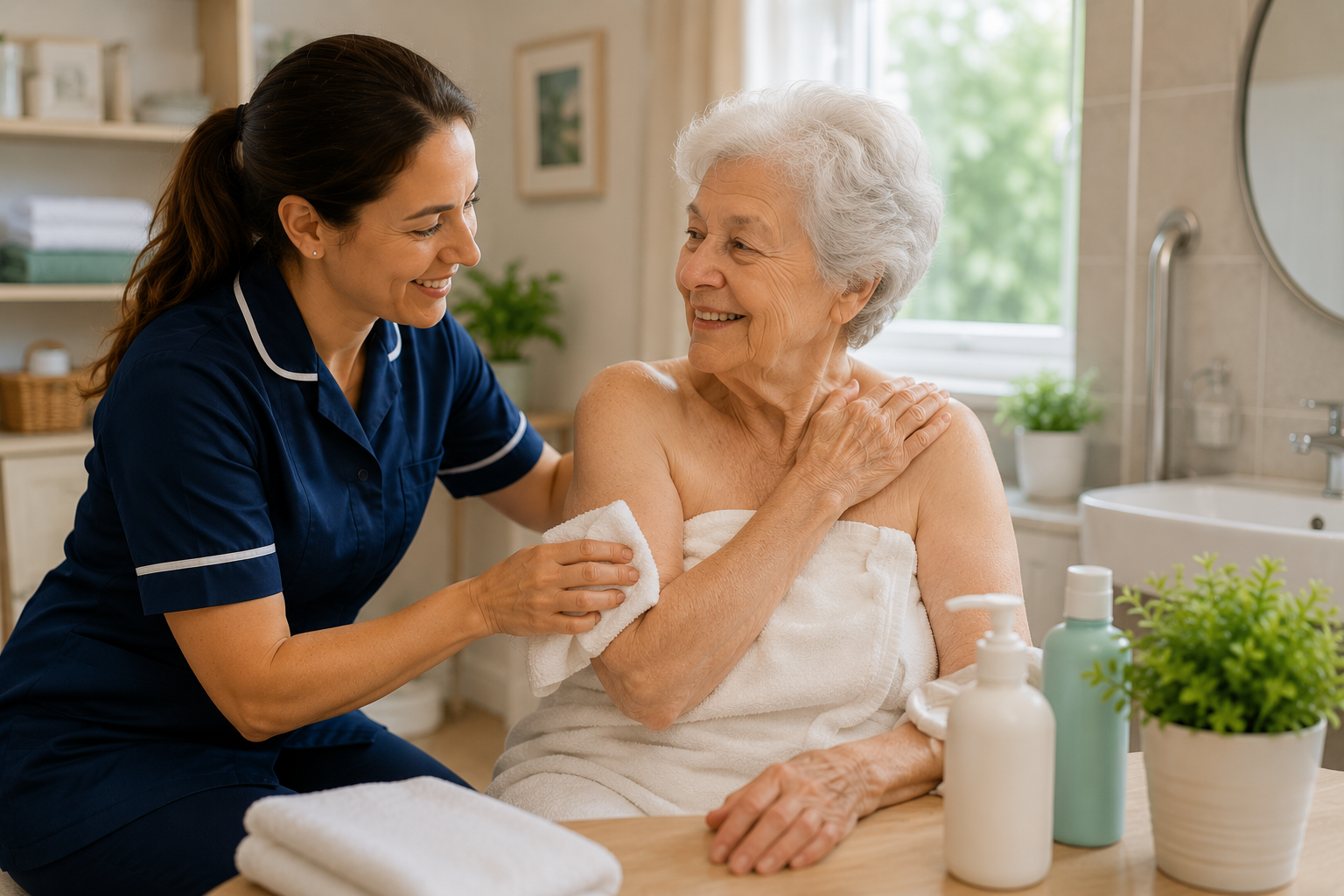
Elderly hygiene care is about much more than cleanliness. It supports physical health, emotional wellbeing, social confidence, and quality of life. A thoughtful approach to personal care support helps older adults maintain familiar routines while preserving autonomy and privacy.
Families and care professionals often face the challenge of offering help without making someone feel dependent. The most effective care recognises that personal hygiene is deeply personal. It should always be approached with compassion, patience, and respect.
The Connection Between Hygiene and Wellbeing
Good hygiene is a key part of healthy ageing. When daily personal care becomes harder to manage, it can affect both physical health and emotional wellbeing.
Regular hygiene routines help reduce the risk of:
- Skin irritation and infections
- Urinary tract infections
- Oral health issues
- Unpleasant odours
- Reduced confidence and social withdrawal
For many older adults, maintaining appearance also plays a role in identity. Brushing hair, choosing clothes, and feeling fresh after bathing often create a sense of normality and self-worth.
This is why dignity in senior care matters so much. Personal care should always support the individual rather than take control away from them.
Why Personal Hygiene Can Become Challenging for Seniors
Many factors can make everyday hygiene tasks more difficult in later life. Understanding these challenges helps families and carers provide better support.
Mobility limitations
Conditions such as arthritis, reduced strength, or balance issues may make stepping into a bath, standing in the shower, or bending down difficult.
Memory changes
Older adults living with memory loss or dementia may forget hygiene routines or feel confused about what needs to happen next.
Sensory changes
Reduced vision, hearing loss, or reduced sensitivity in the hands can make grooming, dressing, and washing more complicated.
Fatigue and health conditions
Chronic illness, pain, or low energy may make personal care feel physically exhausting.
Emotional barriers
Some people may feel embarrassed, frustrated, or resistant to accepting help, particularly if they have always valued independence.
Recognising these barriers allows care to become more personalised, respectful, and effective.
Supporting Personal Hygiene While Preserving Dignity
The goal of good personal care support is not to take over. It is to provide help in a way that protects confidence and autonomy.
Ask before helping
Always seek permission before stepping in. A simple question such as “Would you like some help with that?” respects personal choice.
Encourage independence
Allow older adults to complete the parts of the routine they can still manage. Even small actions can support confidence.
Examples include:
- Washing their own face
- Brushing their hair
- Choosing clothing
- Applying moisturiser
Protect privacy
Close doors, use towels or robes, and ensure the person feels covered and comfortable. Privacy plays a major role in maintaining dignity.
Use respectful language
Avoid language that sounds childish or controlling. Speak clearly, kindly, and directly.
Keep routines familiar
People often feel more comfortable when daily habits remain familiar. Maintaining preferred bathing times, favourite toiletries, and usual grooming routines can make care feel more natural.
Practical Tips for Everyday Elderly Hygiene Care
Small adjustments can make hygiene routines easier, safer, and less stressful.
Make the bathroom safer
A safe environment reduces anxiety and lowers fall risk.
Helpful additions include:
- Grab rails
- Non-slip mats
- Shower chairs
- Raised toilet seats
- Good lighting
A comfortable bathroom setup can help older adults remain independent for longer.
Choose gentle products
Ageing skin tends to become thinner and drier. Using gentle products can improve comfort.
Look for:
- Fragrance-free cleansers
- Mild shampoo
- Moisturising lotions
- Soft towels
- Non-irritating oral care products
Simplify grooming tasks
Adaptive tools can make daily grooming more manageable.
Examples include:
- Easy-grip toothbrushes
- Electric razors
- Long-handled brushes
- Clothing with easy fastenings
Encourage oral hygiene
Oral health is often overlooked, yet it affects comfort, appetite, and overall health.
Daily oral care should include:
- Brushing teeth or dentures
- Cleaning dentures properly
- Checking for sore spots or mouth discomfort
- Staying hydrated
Respect preferred appearance
Personal style remains important at every age. Favourite hairstyles, skincare routines, or clothing choices can provide emotional comfort and reinforce identity.
Personal Hygiene and Dementia Care
For people living with dementia, personal hygiene can sometimes become confusing or distressing. A calm and reassuring approach often works best.
Keep instructions simple
Offer one step at a time rather than several instructions at once.
For example:
- “Let’s wash your hands.”
- “Now we’ll brush your hair.”
Use visual cues
Laying out towels, toiletries, and clothing in order can make routines easier to understand.
Maintain calm surroundings
A quiet environment helps reduce overstimulation and anxiety.
Be flexible
If someone becomes upset, it may be better to pause and try again later.
Patience is essential. In dementia care, maintaining dignity in senior care often means adapting to the individual’s pace rather than rushing the task.
The Emotional Side of Personal Care Support
Personal hygiene can sometimes feel emotionally sensitive for both the person receiving help and the person providing it.
Older adults may feel:
- Embarrassed
- Frustrated
- Vulnerable
- Fearful of losing independence
Family members may feel uncertain about how much help to offer.
This is why empathy matters. Good care is not simply about getting tasks done. It is about preserving self-respect, trust, and comfort.
A compassionate caregiver understands that even small acts—offering choices, explaining what will happen next, or respecting preferences—can make a significant emotional difference.
When Professional Support Can Help
There may come a point when professional support becomes valuable.
Professional carers can help with:
- Bathing and showering
- Dressing and grooming
- Continence support
- Skin care routines
- Mobility assistance
- Personalised daily hygiene planning
Professional carers are trained to provide elderly hygiene care in a way that balances safety with independence.
For families, this can also provide reassurance. Knowing a loved one is receiving respectful and experienced care can ease stress while improving overall wellbeing.
Creating a Care Routine That Feels Empowering
A successful hygiene routine should feel supportive, not intrusive.
A person-centred routine often includes:
- Consistency
- Choice
- Comfort
- Privacy
- Respect
- Encouragement
It helps to involve the older adult in decisions wherever possible.
Questions such as these can make a meaningful difference:
- What time do you prefer to bathe?
- Which products do you like using?
- Would you rather have help now or later?
- What can you manage independently today?
These conversations help preserve control and promote confidence.
Helping Seniors Feel Their Best Every Day
Personal hygiene is about much more than cleanliness. It supports identity, health, confidence, and emotional wellbeing.
Thoughtful personal care support allows older adults to feel comfortable in their own skin while maintaining independence wherever possible.
Whether support comes from family members or professional carers, the most important principle remains simple: always protect dignity first.
When care is respectful, personalised, and compassionate, seniors can continue to feel valued, confident, and empowered every day.
If you are exploring thoughtful, person-centred support for a loved one, learn more about how professional elderly care can help maintain comfort, independence, and dignity at every stage of later life.
Recent Posts



