24th February 2026
The Role of Pet Therapy in Care Homes for Seniors
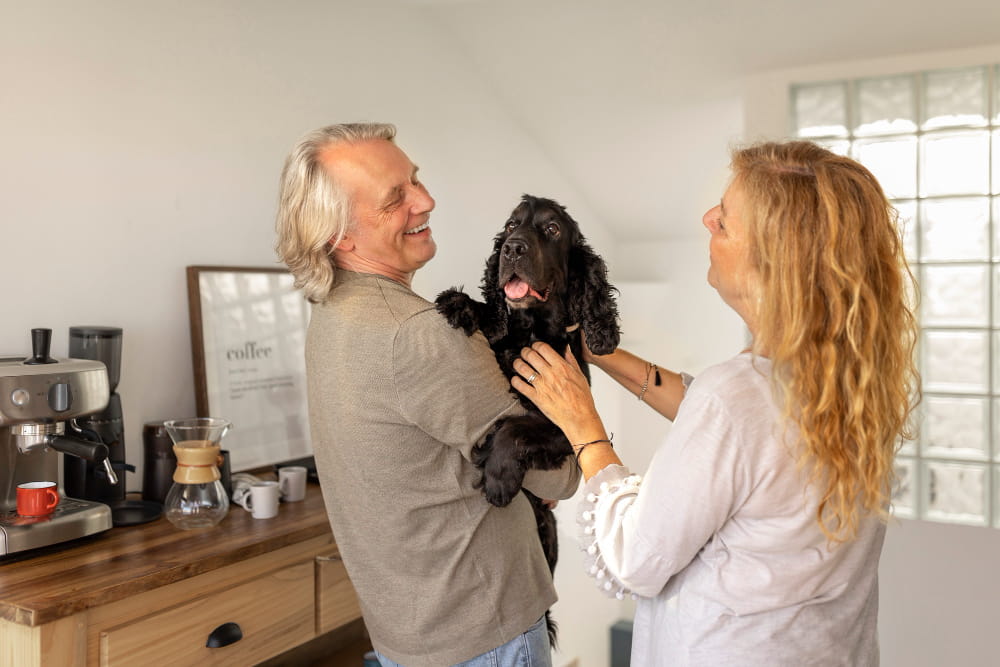
Imagine walking into a care home lounge and being greeted not just by friendly staff — but by a gentle dog wagging its tail or a calm cat curling up beside a resident. Pet therapy is transforming senior care, bringing comfort, joy, and meaningful emotional support to older adults who need it most.
In recent years, pet therapy for seniors has become a powerful, evidence-backed approach in residential care settings. From reducing loneliness to improving mental and physical wellbeing, animal-assisted therapy is reshaping how care homes nurture residents’ quality of life.
In this article, we’ll explore how pet therapy works, its key benefits, and why it’s becoming an essential part of compassionate elderly care.
What Is Pet Therapy in Care Homes?
Pet therapy, also known as animal-assisted therapy for the elderly, involves trained animals visiting or living in care homes to support residents’ emotional, social, and physical wellbeing.
Unlike casual pet visits, therapy animals are specifically trained to:
- Remain calm and predictable
- Respond gently to seniors
- Provide comfort during interaction
- Work alongside healthcare professionals
Care homes may offer:
- Scheduled therapy sessions with trained animals
- Resident pets living onsite
- Regular visits from volunteer therapy animal teams
The goal is simple: create meaningful human–animal connections that improve overall wellbeing.
Why Pet Therapy Matters for Seniors
As people age, they may face challenges such as:
- Loneliness and social isolation
- Loss of independence
- Reduced mobility
- Cognitive decline
- Emotional distress
Pet therapy directly addresses these issues by providing companionship, sensory stimulation, and emotional reassurance.
For many seniors, interacting with animals brings back memories, encourages engagement, and creates moments of genuine happiness.
Emotional Benefits of Pet Therapy
1. Reduces Loneliness and Isolation
Loneliness is one of the most significant challenges for care home residents. Regular interaction with therapy animals helps seniors feel connected and valued.
Animals offer unconditional companionship, which can be especially comforting for residents who:
- Have limited family visits
- Struggle with communication
- Experience grief or loss
Simply petting an animal can create a powerful emotional bond.
2. Provides Emotional Support
Emotional support is a core benefit of animal-assisted therapy. Animals help seniors feel:
- Calmer
- Less anxious
- More relaxed
- Emotionally secure
Many residents find it easier to express feelings while interacting with animals than with people.
This is particularly valuable for those dealing with:
- Depression
- Dementia-related distress
- Adjustment to care home life
3. Reduces Stress and Anxiety
Research consistently shows that spending time with animals can:
- Lower cortisol (stress hormone)
- Reduce heart rate and blood pressure
- Increase serotonin and dopamine
These changes help residents feel more peaceful and emotionally balanced.
Physical Health Benefits of Animal-Assisted Therapy
While emotional benefits are widely recognized, pet therapy also supports physical health.
1. Encourages Gentle Movement
Interacting with animals encourages seniors to:
- Reach out to pet
- Walk short distances
- Engage in light activity
Even small movements can improve mobility and circulation.
2. Supports Pain Management
Animal interaction can help distract residents from discomfort, reducing perceived pain levels.
This can be particularly beneficial for seniors with:
- Arthritis
- Chronic illness
- Post-surgical recovery
3. Promotes Better Vital Signs
Regular pet therapy sessions have been linked to:
- Lower blood pressure
- Improved cardiovascular health
- Reduced risk of stress-related conditions
Cognitive Benefits for Seniors with Dementia
One of the most remarkable uses of pet therapy seniors programs is in dementia care.
1. Stimulates Memory
Animals can trigger emotional memories, helping residents recall past experiences such as:
- Owning a pet
- Family life
- Childhood moments
This stimulation supports cognitive engagement.
2. Reduces Agitation
Residents with dementia often experience anxiety or restlessness. Therapy animals help:
- Calm agitation
- Reduce wandering behaviors
- Provide grounding sensory experiences
3. Improves Communication
Seniors who struggle with verbal communication often respond positively to animals, leading to:
- Increased social interaction
- More eye contact
- Improved emotional expression
Social Benefits of Pet Therapy in Care Homes
1. Encourages Interaction
Animals naturally act as social connectors.
Residents are more likely to:
- Start conversations
- Participate in group activities
- Engage with staff and peers
This helps build a stronger community atmosphere.
2. Boosts Mood and Morale
The presence of animals often creates a lively, positive environment in care homes.
Residents frequently report feeling:
- Happier
- More motivated
- More socially active
Types of Animals Used in Care Home Therapy
Different animals provide different therapeutic benefits.
Dogs
Most common therapy animals because they are:
- Highly trainable
- Friendly and responsive
- Comfortable with physical interaction
Cats
Ideal for residents who prefer calm, quiet companionship.
They provide:
- Gentle sensory stimulation
- Relaxation through touch
- Emotional comfort
Small Animals
Rabbits, guinea pigs, and birds are also used for:
- Sensory engagement
- Safe interaction for frail residents
- Low-maintenance companionship
How Care Homes Implement Pet Therapy Programs
Successful pet therapy programs require careful planning.
Professional Training and Safety
Therapy animals must:
- Be temperament-tested
- Receive specialized training
- Meet strict health and hygiene standards
Resident Assessment
Care homes evaluate each resident’s:
- Allergies
- Comfort level with animals
- Medical needs
This ensures safe and personalized participation.
Structured Therapy Sessions
Sessions may include:
- One-on-one visits
- Group activities
- Guided interaction with caregivers
Addressing Common Concerns
Hygiene and Safety
Modern pet therapy programs maintain strict standards:
- Regular animal grooming
- Vaccination requirements
- Infection control protocols
Fear of Animals
Residents who feel uncomfortable are never forced to participate.
Alternative activities are always provided.
The Future of Animal-Assisted Therapy in Elderly Care
Pet therapy is becoming increasingly integrated into holistic senior care models.
Emerging trends include:
- Robotic therapy pets for dementia care
- Permanent resident animals in care homes
- Customized therapy programs
As research continues, pet therapy is likely to become a standard feature of compassionate elderly care.
Why Families Value Pet Therapy Programs
Families often report peace of mind knowing their loved ones receive emotional support through animal interaction.
Key reasons include:
- Improved resident happiness
- Reduced depression symptoms
- Enhanced social engagement
This adds an extra layer of comfort for both residents and relatives.
How to Choose a Care Home with Pet Therapy
When selecting a care home, consider asking:
- Do they offer animal-assisted therapy?
- How often are sessions conducted?
- Are animals professionally trained?
- What safety measures are in place?
Choosing a care home with pet therapy can significantly enhance a senior’s quality of life.
Final Thoughts
The role of pet therapy in care homes goes far beyond simple companionship. It provides essential emotional support, improves mental wellbeing, encourages physical activity, and fosters meaningful social connections.
For seniors facing the challenges of aging, animal-assisted therapy offers something truly priceless: comfort, joy, and a sense of belonging.
Ready to Learn More?
If you’re exploring care options for a loved one, consider choosing a care home that offers pet therapy programs for seniors. These compassionate services can make a profound difference in emotional wellbeing and overall quality of life.
👉 Contact us today to discover how our care home integrates animal-assisted therapy to support happier, healthier living for residents.