17th December 2025
Short-Stay Care After Hospital Discharge: Why It Helps
Leaving the hospital is a relief—but for many seniors and families, it’s also where new challenges begin. Recovery doesn’t end at discharge. In fact, the days and weeks that follow are critical for healing, confidence, and long-term wellbeing.
This is where short-stay care after hospital discharge becomes a game changer. Designed to bridge the gap between hospital and home, short-stay support provides professional care, rehabilitation, and peace of mind during a vulnerable transition period. In this guide, we’ll explore why short-stay care works, how it supports senior recovery, and why it’s becoming a preferred choice for families focused on safe, dignified aging.
What Is Short-Stay Care After Hospital Discharge?
Short-stay care, often referred to as transitional care, is temporary residential support provided to seniors who are medically stable but not yet ready to return home independently.
Typical Length of Stay
- A few days
- One to three weeks
- Occasionally longer, depending on recovery needs
This form of post-hospital care focuses on healing, rehabilitation, and regaining independence—without the intensity of hospital settings.
Why the Transition From Hospital to Home Can Be Risky
Hospitals prioritize acute treatment. Once that phase is complete, patients are discharged—sometimes before they’re fully ready to manage daily life.
Common Post-Discharge Challenges
- Weakness or reduced mobility
- Medication management confusion
- Risk of falls
- Inadequate home support
- Delayed wound healing
Without proper short-stay support, seniors may face setbacks that lead to readmission.
How Short-Stay Care Supports Senior Recovery
1. A Safer Recovery Environment
Short-stay care facilities are designed specifically for recovery—not emergencies.
Residents benefit from:
- 24/7 professional monitoring
- Immediate response to health concerns
- Fall-prevention environments
- Calm, structured routines
This level of supervision makes recovery safer and more predictable.
2. Professional Elderly Rehabilitation
Many seniors require physical or occupational therapy after hospitalization.
Elderly rehabilitation services often include:
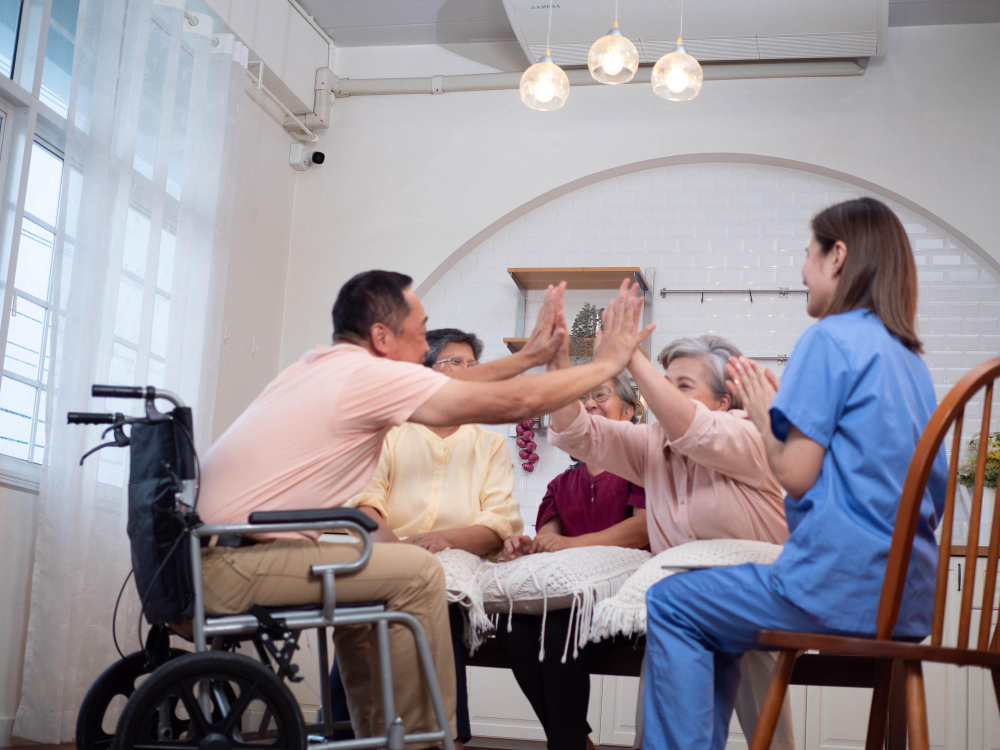
- Mobility and strength exercises
- Balance training
- Assistance with walking aids
- Daily living skill support
Consistent therapy accelerates recovery and reduces long-term dependency.
Transitional Care: The Missing Link in Recovery
3. Smooth Transition From Hospital to Home
Jumping straight from hospital to home can be overwhelming—especially after surgery or illness.
Transitional care ensures:
- Gradual adjustment
- Ongoing medical oversight
- Confidence rebuilding
- Better readiness for independent living
It’s not about delaying homecoming—it’s about doing it right.
4. Reduced Hospital Readmissions
One of the biggest benefits of short-stay care is fewer readmissions.
Why it works:
- Early detection of complications
- Better medication adherence
- Ongoing professional assessments
This makes short-stay care a preventive solution, not just a recovery option.
Who Benefits Most From Short-Stay Support?
Short-stay care is ideal for seniors who:
- Have undergone surgery
- Are recovering from infections or illness
- Need temporary mobility support
- Live alone without immediate caregivers
- Require monitoring after medication changes
Families also benefit from peace of mind, knowing their loved one is cared for professionally.
Daily Support That Makes a Real Difference
5. Help With Everyday Activities
After discharge, even simple tasks can feel exhausting.
Short-stay care provides assistance with:
- Bathing and dressing
- Meal preparation
- Mobility and transfers
- Personal hygiene
This support preserves dignity while preventing injury or overexertion.
6. Medication Management Made Simple
Medication errors are common after hospital discharge.
Short-stay care teams ensure:
- Correct dosages
- Timely administration
- Monitoring for side effects
- Coordination with healthcare providers
This is a critical component of effective post-hospital care.
Emotional Recovery Matters Too
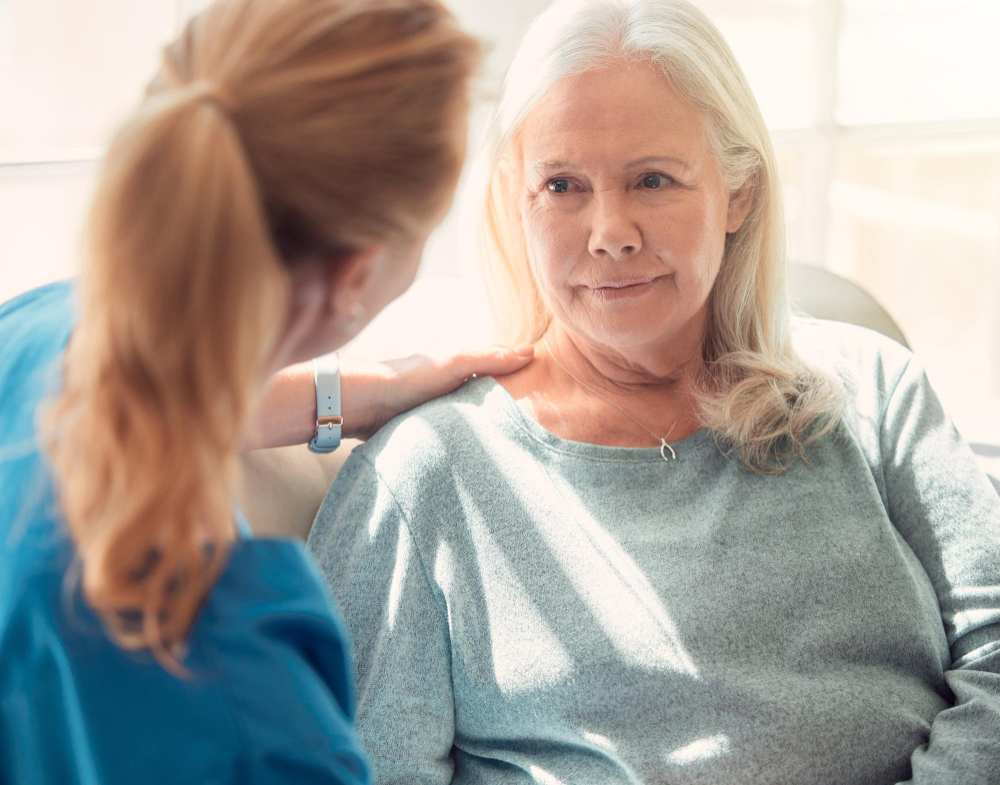
Healing isn’t just physical—it’s emotional.
7. Confidence, Comfort, and Companionship
Short-stay environments offer:
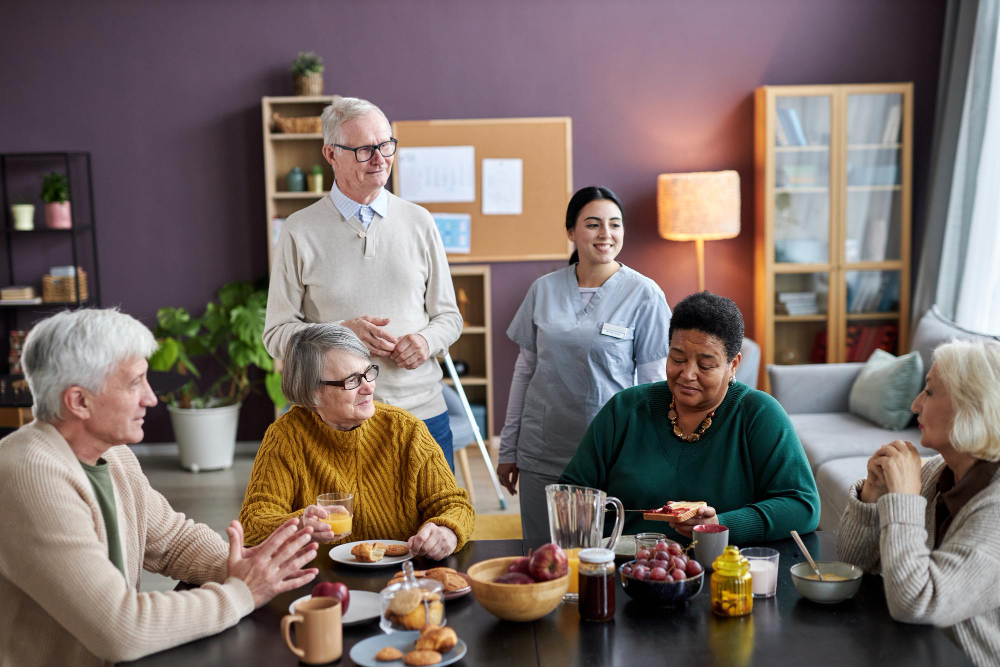
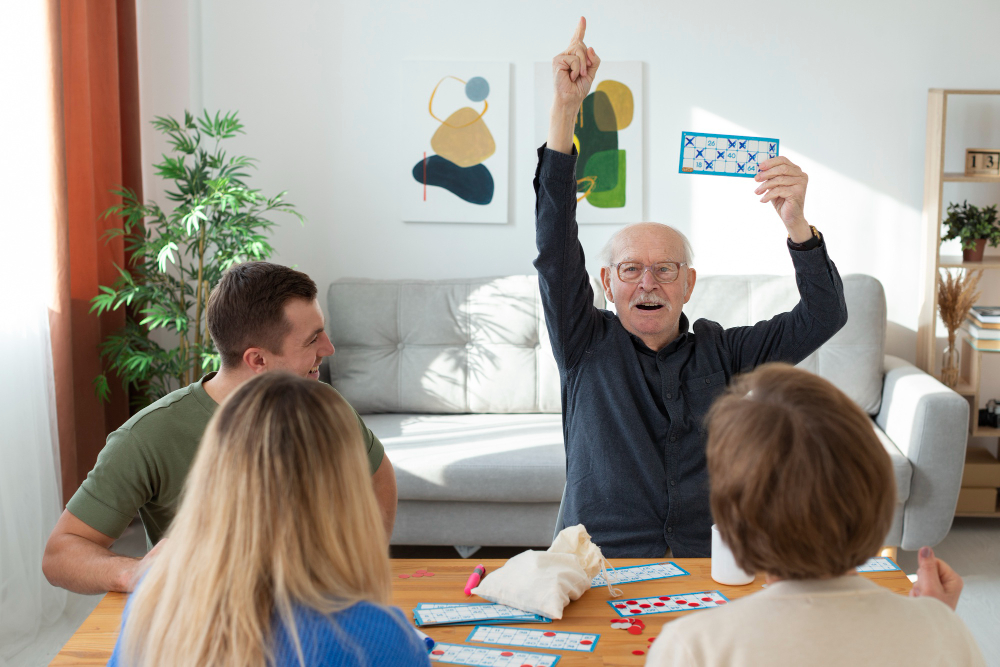
- Social interaction
- Reassurance and routine
- Reduced feelings of isolation
For many seniors, this emotional support boosts motivation and speeds up recovery.
The Role of Comfort, Clothing, and Familiarity
Recovery is easier when seniors feel comfortable and confident.
Why Clothing Choice Matters During Recovery
- Soft, breathable fabrics reduce skin irritation
- Easy-fastening garments support limited mobility
- Familiar clothing provides emotional reassurance
Comfortable clothing isn’t just about style—it’s about function, dignity, and healing during transitional care.
Short-Stay Care vs Home Recovery: A Clear Comparison
Recovering at Home
- Limited supervision
- High reliance on family
- Risk of falls or complications
- Emotional strain on caregivers
Short-Stay Care
- Professional 24/7 support
- Structured rehabilitation
- Safer environment
- Reduced caregiver stress
For many families, short-stay care offers the best of both worlds.
Planning Short-Stay Care After Hospital Discharge
Tips for a Smooth Transition
- Discuss options with hospital discharge planners
- Understand therapy and care needs
- Tour facilities if possible
- Pack familiar items and clothing
- Stay involved with regular updates
Preparation ensures a stress-free recovery experience.
How Short-Stay Care Supports Long-Term Independence
The ultimate goal of transitional care is independence.
By focusing on:
- Strength rebuilding
- Confidence restoration
- Skill relearning
Short-stay care helps seniors return home stronger, safer, and more self-reliant.
Why Care Homes Are Embracing Transitional Care
Care homes offering short-stay support play a vital role in modern healthcare by:
- Reducing hospital strain
- Supporting families
- Improving recovery outcomes
This integrated approach benefits individuals and the wider healthcare system.
Final Thoughts: Recovery Deserves the Right Environment
Short-stay care after hospital discharge isn’t a detour—it’s a smart step forward. With professional post-hospital care, tailored elderly rehabilitation, and compassionate transitional support, seniors can heal fully and return home with confidence.
Recovery isn’t just about getting better—it’s about getting back to living well.
Make Recovery More Comfortable
Explore our easy-wear, recovery-friendly clothing and comfort essentials, thoughtfully designed for seniors during short-stay care and beyond.
Because healing feels better when comfort comes first.