18th February 2026
Pain Management in Palliative Care for Seniors
When someone you love is facing a serious or life-limiting illness, comfort becomes everything. In those moments, effective pain management isn’t just medical treatment—it’s dignity, peace, and quality of life.
For families exploring palliative comfort care, understanding how pain management for seniors works can make all the difference. Whether your loved one resides at home or in a specialist care home, comprehensive elderly pain support ensures that their remaining time is lived with as much ease and meaning as possible.
Understanding Palliative Comfort Care
What Is Palliative Care?
Palliative comfort care focuses on improving quality of life for individuals living with serious illness. Unlike curative treatments, its goal is not to cure disease, but to:
- Relieve pain and distressing symptoms
- Provide emotional and psychological support
- Address spiritual and social needs
- Support families and caregivers
Palliative care can be provided alongside medical treatments or as part of end-of-life care. In care home settings across the UK, it is delivered by multidisciplinary teams including nurses, GPs, pain specialists, and trained carers.
Why Pain Management for Seniors Matters So Much
Pain is not a normal part of ageing—but unfortunately, many older adults live with chronic or acute pain due to:
- Cancer
- Advanced heart, lung, or kidney disease
- Arthritis and musculoskeletal disorders
- Neurological conditions such as dementia
- Post-surgical complications
Without proper pain management for seniors, discomfort can lead to:
- Reduced mobility
- Anxiety and depression
- Sleep disturbances
- Social withdrawal
- Decline in overall health
In palliative settings, unrelieved pain affects not only the individual but also their loved ones. That’s why elderly pain support is considered one of the core pillars of compassionate care.
The Goals of Pain Management in Palliative Care
Effective pain management in palliative comfort care aims to:
1. Relieve Physical Discomfort
Pain relief may include medication, therapeutic interventions, or supportive equipment designed to reduce strain and improve positioning.
2. Maintain Independence and Dignity
By managing pain effectively, seniors can:
- Sit comfortably
- Participate in conversations
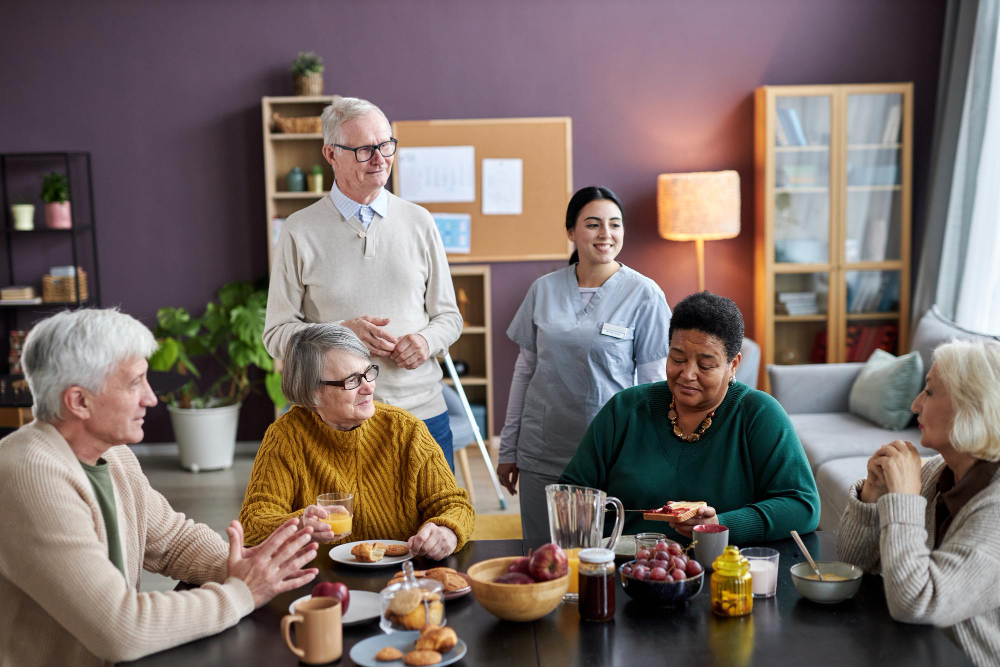
- Enjoy meals
- Spend meaningful time with family
3. Enhance Emotional Wellbeing
When physical pain is under control, anxiety often decreases. Seniors feel calmer, more secure, and better able to engage with the world around them.
Types of Pain Experienced by Seniors in Palliative Care
Understanding the type of pain helps care teams tailor elderly pain support effectively.
Acute Pain
Often linked to injury or surgery, acute pain may be intense but short-term. Quick intervention prevents unnecessary suffering.
Chronic Pain
Conditions such as arthritis or long-term illness can cause persistent discomfort requiring ongoing pain management for seniors.
Neuropathic Pain
Caused by nerve damage, this pain can feel burning, tingling, or shooting. It often requires specialist medication and careful monitoring.
Breakthrough Pain
Even with regular medication, sudden flare-ups can occur. Rapid-response pain relief strategies are crucial in palliative comfort care.
How Pain Is Assessed in Elderly Patients
Pain assessment in older adults can be complex, particularly for those with cognitive impairment or dementia.
Care teams use:
- Pain rating scales
- Observational tools for non-verbal patients
- Behavioural cues (restlessness, facial expressions)
- Input from family members
Regular assessments ensure that pain management for seniors remains responsive and personalised.
Approaches to Pain Management for Seniors
Effective elderly pain support involves a holistic, multi-layered approach.
Medication-Based Pain Relief
Medications may include:
- Paracetamol or mild analgesics
- Anti-inflammatory drugs
- Opioids (carefully monitored)
- Nerve pain medications
- Muscle relaxants
Doses are carefully adjusted based on age, weight, kidney function, and overall health.
Important: In palliative settings, comfort takes priority. When used responsibly, medication significantly improves quality of life.
Non-Pharmacological Pain Relief Methods
Pain management isn’t only about medication. Many care homes incorporate supportive therapies such as:
- Gentle massage
- Heat or cold therapy
- Physiotherapy
- Relaxation techniques
- Breathing exercises
- Music therapy
These complementary approaches enhance palliative comfort care and reduce reliance on medication alone.
Emotional and Psychological Support
Pain and emotion are closely connected. Anxiety can intensify discomfort.
Support may include:
- One-to-one counselling
- Family involvement
- Spiritual care
- Calm and reassuring environments
- Consistent caregiving teams
Providing emotional reassurance is a powerful form of elderly pain support.
The Role of Care Homes in Pain Management
Specialist care homes offering palliative comfort care are uniquely equipped to deliver comprehensive pain management.
24/7 Monitoring
Round-the-clock supervision ensures that pain changes are addressed immediately.
Multidisciplinary Collaboration
Care homes work with:
- GPs
- Palliative care specialists
- District nurses
- Pharmacists
This coordinated approach ensures optimal pain management for seniors.
Personalised Care Plans
Each resident receives an individual care plan detailing:
- Medication schedules
- Comfort preferences
- Mobility needs
- Emotional support requirements
This tailored strategy enhances dignity and comfort at every stage.
Supporting Families During Palliative Care
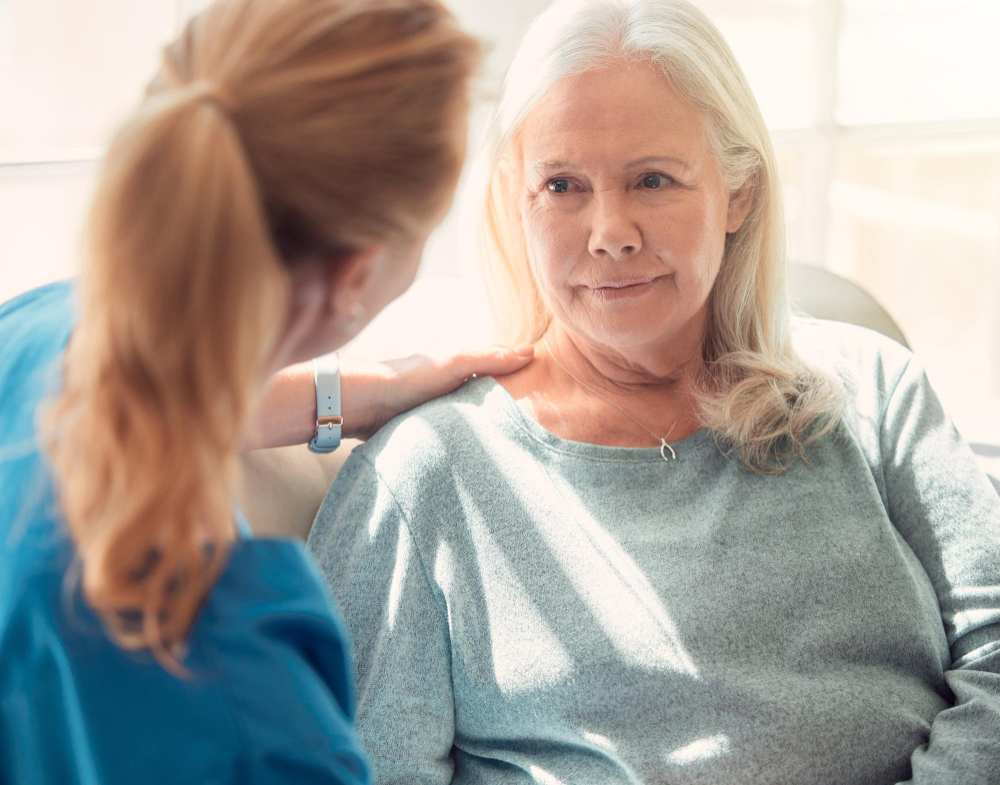
Pain management extends beyond the resident. Families often worry about whether their loved one is suffering.
Care teams provide:
- Transparent communication
- Regular updates
- Education about medications
- Emotional reassurance
Knowing that expert elderly pain support is in place gives families peace of mind.
Pain Management and Dementia in Seniors
For individuals living with dementia, pain may go unreported. Behavioural changes such as agitation or withdrawal may signal discomfort.
In these cases, care professionals rely on:
- Behaviour-based pain assessment tools
- Close observation
- Family insights
- Trial adjustments in pain medication
Effective pain management for seniors with dementia significantly reduces distress and improves overall wellbeing.
Ethical and Compassionate Pain Control
In the UK, palliative care follows strict ethical guidelines. The priority is always:
- Comfort
- Safety
- Respect
- Informed consent
Medications are administered responsibly, and decisions are made collaboratively with residents and families whenever possible.
The Benefits of Effective Elderly Pain Support
When pain is managed properly, seniors in palliative comfort care experience:
- Improved sleep
- Better appetite
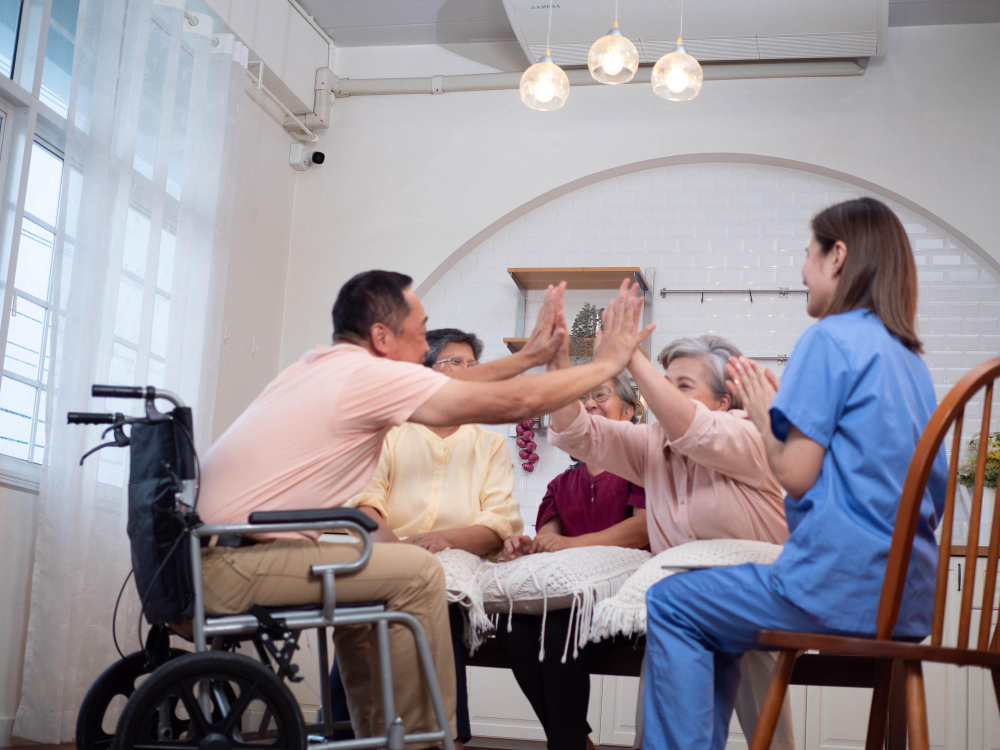
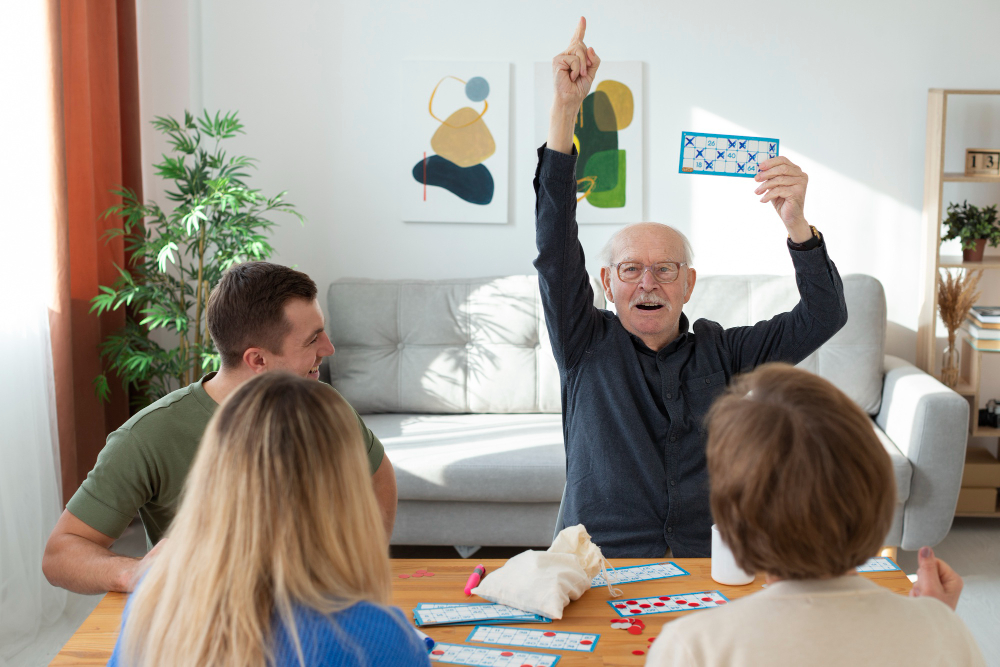
- Increased social interaction
- Reduced anxiety
- Greater emotional peace
Comfort allows individuals to focus on what truly matters—connection, reflection, and cherished moments with loved ones.
Choosing the Right Care Home for Palliative Support
If you’re exploring options, consider asking:
- How is pain assessed and monitored?
- Are staff trained in palliative care?
- Is there 24-hour nursing support?
- How are families involved in care decisions?
- What non-medical therapies are offered?
The right environment makes a profound difference in pain management for seniors.
A Holistic Approach to Comfort and Dignity
True palliative comfort care addresses more than symptoms—it embraces the whole person.
That means:
- Respecting individual wishes
- Supporting cultural and spiritual needs
- Maintaining familiar routines
- Encouraging meaningful interactions
Pain management becomes part of a wider mission: ensuring every day is lived with dignity and compassion.
Final Thoughts: Comfort Is Care
At its heart, pain management for seniors is about preserving quality of life. In palliative settings, comfort is not optional—it is essential.
Through skilled medication management, compassionate caregiving, and holistic elderly pain support, care homes create environments where residents feel safe, valued, and respected.
If you’re considering palliative comfort care for a loved one, explore a care home that prioritises comprehensive pain management and person-centred support.
Reach out today to learn more about our compassionate care services and discover how we help families find comfort, dignity, and peace during life’s most important moments.