Why Fall Prevention Matters More as We Age
As we grow older, natural changes in balance, vision, and muscle strength increase the elderly fall risk. According to health experts, falls are one of the leading causes of injury among seniors, often resulting in reduced mobility and loss of independence. Common factors contributing to falls include:- Reduced muscle strength and coordination
- Medication side effects such as dizziness or fatigue
- Vision or hearing impairments
- Unsafe surroundings or poor lighting
- Chronic conditions affecting balance or mobility
Understanding Fall Prevention for Seniors
Effective fall prevention for seniors goes far beyond installing handrails. It’s a proactive, personalized approach that considers physical health, emotional wellbeing, and daily routines. Professional nursing teams focus on:- Identifying individual fall risks early
- Creating personalized mobility and safety plans
- Monitoring changes in health or behavior
- Encouraging safe movement without limiting independence
The Role of Professional Nursing Support
Professional nurses play a critical role in maintaining safety while preserving dignity. Their training allows them to assess risks accurately and respond quickly to changing needs. Key nursing responsibilities include:- Conducting regular fall risk assessments
- Monitoring vital signs, mobility, and balance
- Managing medications safely
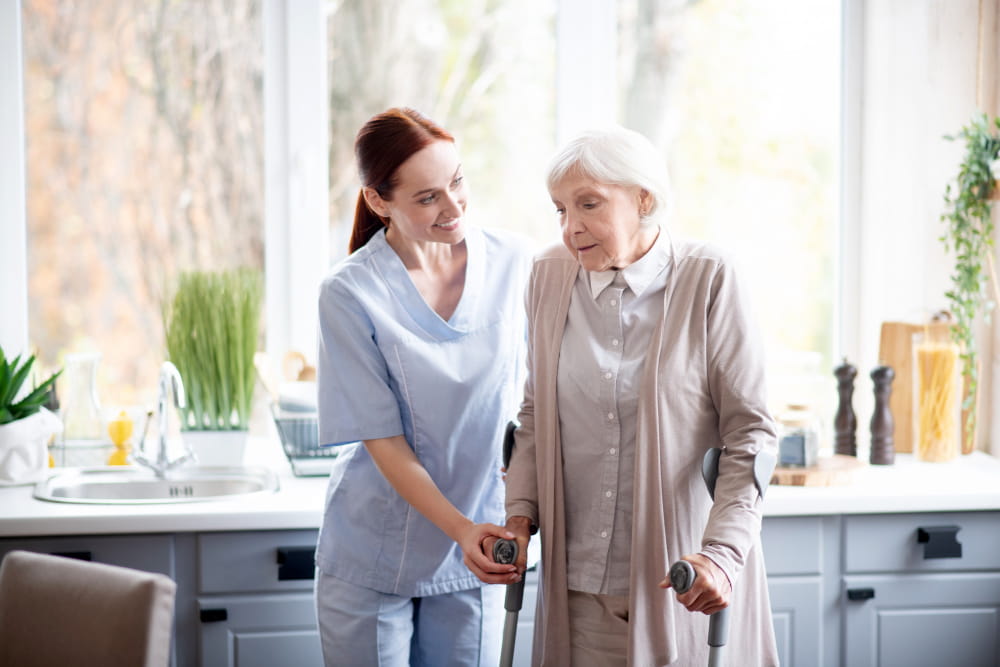
- Assisting with walking, transfers, and daily activities
- Educating residents on safe movement practices
Personalized Care Plans That Reduce Elderly Fall Risk
No two residents are the same, and professional nursing care reflects that. Personalized care plans are essential in reducing elderly fall risk while supporting independence. A tailored fall-prevention plan may include:- Strength and balance-support routines
- Adjusted medication schedules
- Mobility aids suited to individual needs
- Specific supervision during higher-risk activities
Safe Environments Make a Powerful Impact
A thoughtfully designed care home environment significantly supports fall prevention. Professional nursing teams work closely with care staff to ensure surroundings remain safe, accessible, and comfortable. Environmental safety measures often include:- Non-slip flooring and clear walkways
- Proper lighting in bedrooms and communal areas
- Grab rails in bathrooms and hallways
- Well-fitted footwear and mobility aids
Mobility Support Without Losing Independence
One of the biggest concerns seniors have is losing independence. Professional nursing support strikes the perfect balance—protecting residents without over-restricting them. Nurses encourage:- Safe walking with appropriate assistance
- Confidence-building mobility practices
- Regular movement to maintain strength
- Gentle reminders rather than constant intervention
Medication Management and Fall Prevention
Medications are a hidden but significant contributor to falls. Some prescriptions can cause dizziness, drowsiness, or drops in blood pressure. Professional nursing care ensures:- Regular medication reviews
- Monitoring for side effects that increase fall risk
- Coordination with healthcare providers
- Adjustments made promptly when issues arise
The Emotional Side of Nursing Care Safety
Fear of falling can be just as limiting as physical risk. Seniors who worry about falling may avoid movement altogether, leading to muscle weakness and greater risk over time. Compassionate nursing support helps by:- Reassuring residents during movement
- Building trust through consistent care
- Encouraging confidence in daily activities
- Supporting emotional wellbeing alongside physical safety
Supporting Families Through Professional Care
Families often worry about their loved ones falling when they’re not around. Professional nursing support offers reassurance through clear communication and visible safety practices. Families benefit from:- Regular updates on mobility and safety
- Transparent fall-prevention strategies
- Peace of mind knowing professionals are present
- Confidence in the care home’s safety standards
Training and Teamwork Behind the Scenes
Effective fall prevention doesn’t rely on one person—it’s a team effort. Professional nursing teams collaborate with carers, therapists, and management to maintain high safety standards. This teamwork includes:- Ongoing staff training in fall prevention
- Clear communication between care teams
- Prompt reporting and review of incidents
- Continuous improvement of safety protocols
Choosing a Care Home That Prioritizes Fall Prevention
When selecting a care home, families should look closely at how fall prevention and nursing care safety are handled. Important questions to ask:- Are professional nurses available on-site?
- How often are fall risk assessments completed?
- Are care plans reviewed regularly?
- Does the environment feel safe yet welcoming?