28th February 2026
How Technology Enhances Care Without Losing the Human Touch
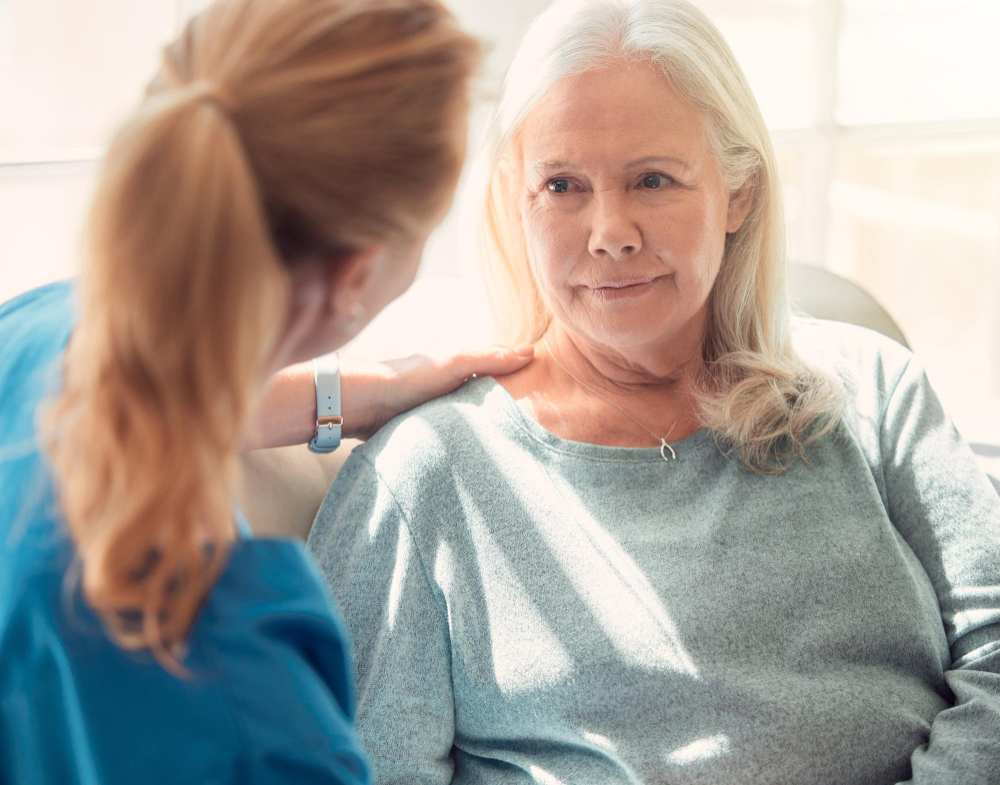
When people think about technology in care homes, they often imagine cold machines replacing warm human interaction. But the reality is quite the opposite. Modern care home technology is designed to strengthen — not replace — human connection, making elderly care safer, more responsive, and more compassionate than ever before.
Today’s innovations are transforming how caregivers support residents, enabling faster response times, personalized care, and improved quality of life — all while preserving the empathy and personal attention that seniors value most.
In this article, we’ll explore how technology enhances care without losing the human touch, and why it plays a crucial role in modern elderly care.
The Growing Role of Technology in Modern Elderly Care
As populations age, care homes face increasing demand for high-quality, efficient, and personalized services. Technology helps meet these challenges by supporting caregivers and improving resident outcomes.
Care home technology focuses on three main goals:
- Enhancing resident safety
- Improving health monitoring
- Supporting meaningful human interaction
Rather than replacing caregivers, technology acts as a powerful tool that enables staff to spend more time focusing on emotional and personal care.
Why Balancing Technology and Human Care Matters
Older adults need more than just medical support — they need companionship, reassurance, and emotional connection.
A balanced approach ensures:
- Residents feel valued and understood
- Care remains compassionate and personal
- Technology supports rather than dominates daily life
When used thoughtfully, technology allows caregivers to provide better, faster, and more attentive support.
How Care Home Technology Improves Resident Safety
1. Fall Detection and Prevention Systems
Falls are one of the biggest risks in elderly care. Modern safety technologies include:
- Motion sensors
- Bed and chair alarms
- Wearable fall detection devices
These systems alert staff immediately when a resident may need assistance.
Benefits include:
- Faster response times
- Reduced injury risk
- Increased resident confidence
2. Smart Monitoring Systems
Advanced monitoring tools track health indicators such as:
- Heart rate
- Movement patterns
- Sleep quality
- Oxygen levels
Caregivers can detect early warning signs before issues escalate, enabling proactive intervention.
3. GPS and Location Tracking
For residents with dementia or cognitive impairment, location tracking ensures safety while allowing independence.
This technology helps prevent:
- Wandering-related accidents
- Disorientation
- Stress for families
Enhancing Health Care Through Technology
1. Digital Health Records
Electronic records streamline communication among care teams.
Advantages include:
- Instant access to medical histories
- Accurate medication tracking
- Reduced documentation errors
This improves care coordination and ensures residents receive timely treatment.
2. Remote Health Monitoring
Telehealth tools allow healthcare professionals to monitor residents without requiring frequent hospital visits.
This reduces:
- Stress from travel
- Risk of infections
- Emergency hospitalizations
3. Medication Management Systems
Automated medication systems help ensure residents receive correct dosages at the right time.
They also:
- Reduce human error
- Provide reminders
- Track compliance
Supporting Emotional Wellbeing Through Technology
One of the biggest concerns about technology in elderly care is that it might reduce human interaction. In reality, it often enhances emotional wellbeing.
1. Video Communication Tools
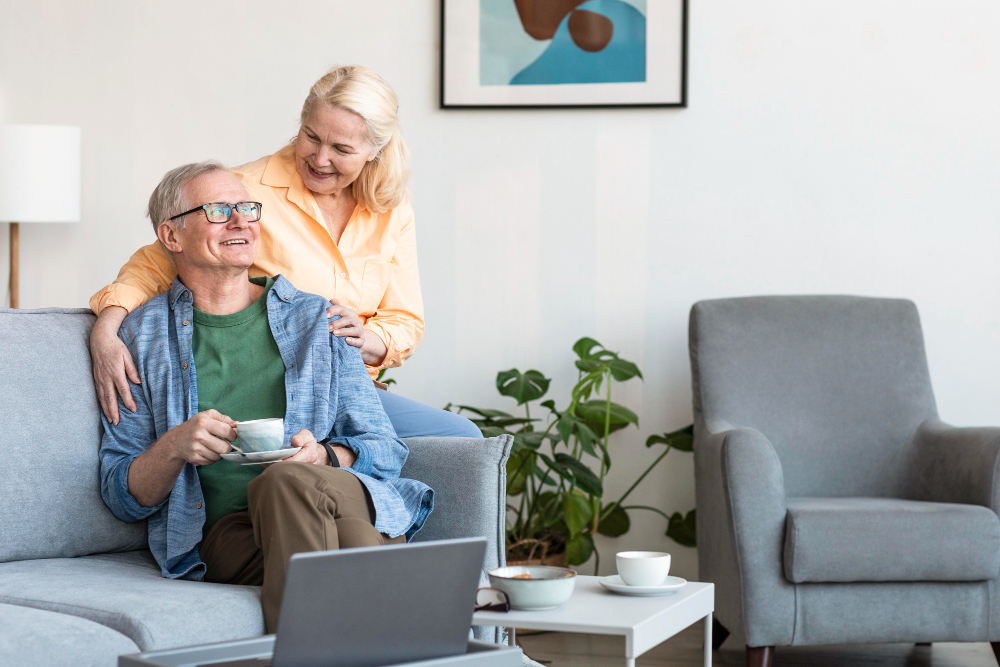
Video calls help residents stay connected with family members, especially those living far away.
Benefits include:
- Reduced loneliness
- Stronger family bonds
- Improved mental health
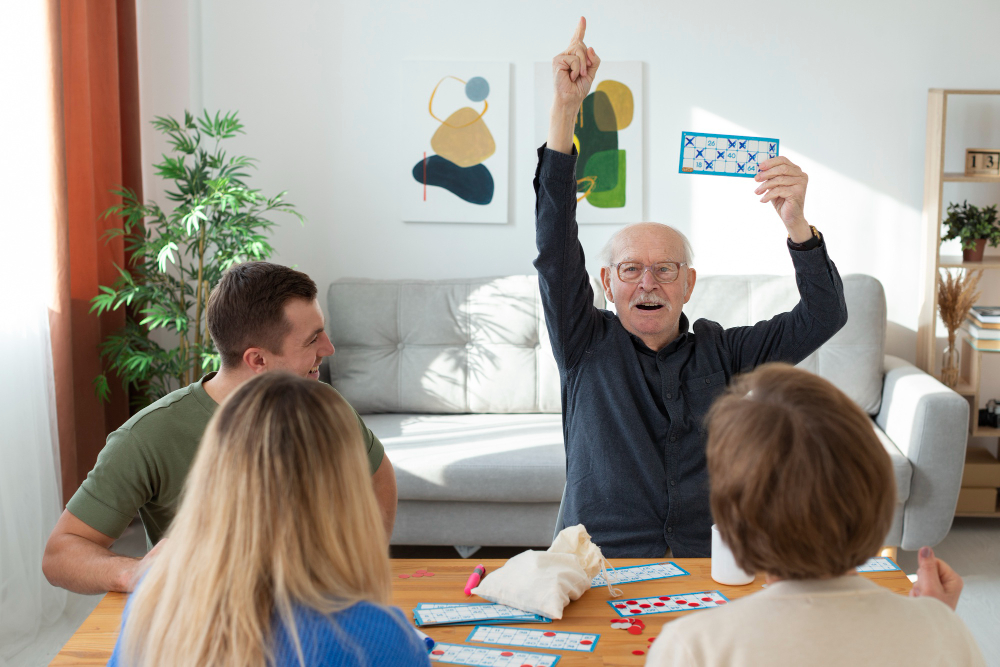
2. Digital Activity Programs
Interactive apps and digital entertainment platforms encourage engagement through:
- Brain games
- Virtual tours
- Music therapy sessions
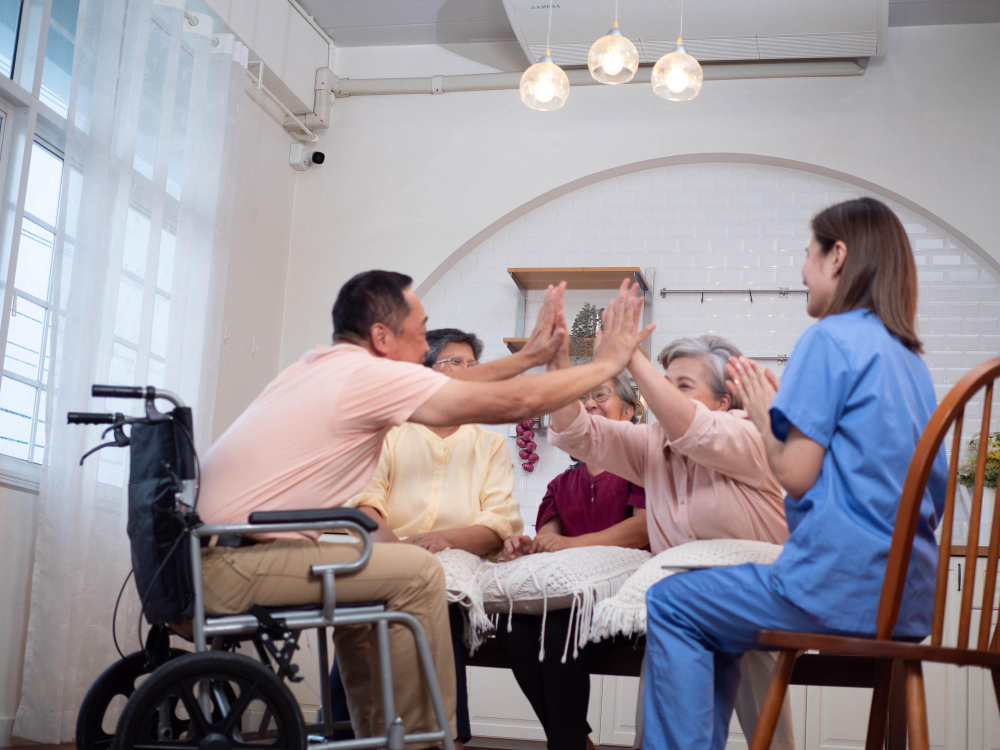
- Group activities
These tools support cognitive stimulation and social participation.
3. Personalized Digital Experiences
Technology allows care homes to tailor experiences based on residents’ preferences, including:
- Favorite music playlists
- Custom activity schedules
- Personalized reminders
This creates a more comfortable and familiar environment.
How Technology Frees Caregivers to Focus on Human Connection
One of the greatest benefits of senior safety innovation is that it reduces administrative workload.
Automation handles tasks such as:
- Record keeping
- Routine monitoring
- Medication reminders
This allows caregivers to spend more time:
- Talking with residents
- Providing emotional support
- Assisting with daily activities
Ultimately, technology helps caregivers be more present and attentive.
Examples of Senior Safety Innovation in Care Homes
Smart Room Technology
Modern care homes often feature smart rooms with:
- Automated lighting
- Voice-controlled systems
- Temperature regulation
These features improve comfort and independence.
Emergency Call Systems
Advanced call systems allow residents to request help instantly.
New systems include:
- Voice activation
- Mobile alert buttons
- Automatic fall detection
AI-Powered Risk Prediction
Artificial intelligence can analyze health data to identify potential risks early, such as:
- Fall likelihood
- Health deterioration
- Infection risks
This supports preventative care strategies.
Addressing Concerns About Technology in Care Homes
Fear of Losing Human Interaction
Many families worry that technology might replace personal care.
In reality, the opposite happens:
- Staff gain more time for personal interaction
- Residents receive quicker support
- Care becomes more responsive
Privacy and Data Security
Care homes implement strict policies to protect residents’ personal and medical data.
These include:
- Secure digital systems
- Controlled access protocols
- Data encryption
Ease of Use for Seniors
Modern care home technology is designed to be user-friendly, with:
- Simple interfaces
- Voice controls
- Minimal training required
The Future of Technology in Elderly Care
Innovation continues to evolve rapidly, with emerging trends including:
- Robotic assistance for mobility support
- Virtual reality therapy experiences
- Predictive health analytics
- Smart wearable health devices
These advancements will further enhance care quality while maintaining human-centered support.
Why Families Value Technology-Enhanced Care Homes
Families increasingly prefer care homes that use modern technology because it provides:
- Greater safety assurance
- Better communication with staff
- Improved healthcare monitoring
- Enhanced resident comfort
This combination creates peace of mind for loved ones.
Choosing a Care Home with the Right Technology Balance
When selecting a care home, look for facilities that:
- Use technology to support—not replace—caregivers
- Offer safety monitoring systems
- Provide digital communication tools
- Maintain strong personal care values
The best care homes integrate innovation while preserving compassion.
Final Thoughts
Care home technology is not about replacing human care — it’s about enhancing it. By improving safety, enabling proactive health monitoring, and freeing caregivers to focus on meaningful interactions, technology plays a vital role in modern elderly care.
When used thoughtfully, it creates an environment where seniors feel secure, connected, and truly cared for.
Discover Compassionate, Technology-Enhanced Care
Looking for a care home that combines advanced technology with genuine human compassion?
👉 Contact us today to learn how our innovative care solutions provide safer, smarter, and more personalized support — while always keeping the human touch at the heart of everything we do.