6th February 2026
How Regular Health Monitoring Improves Senior Outcomes
Great care, like great style, is all about attention to detail. In a care home setting, those small, consistent check-ins—vital signs, daily observations, gentle supervision—can make a powerful difference. When senior health monitoring is done right, it doesn’t just track wellbeing; it actively improves lives.
At high-quality care homes like PVCH, regular monitoring paired with expert nursing supervision creates a supportive environment where older adults can thrive with confidence, dignity, and comfort.
What Is Regular Health Monitoring in a Care Home?
Regular health monitoring is the ongoing assessment of a resident’s physical, mental, and emotional health. Rather than waiting for problems to appear, care teams take a proactive, preventative approach.
This typically includes:
- Daily health observations
- Monitoring vital signs such as blood pressure and pulse
- Medication management and reviews
- Nutritional and hydration checks
- Mobility and fall-risk assessments
- Emotional and cognitive wellbeing checks
Think of it as a tailored care routine, designed to fit each resident as perfectly as a bespoke outfit.
Why Senior Health Monitoring Matters More Than Ever
As people age, health can change subtly and quickly. Small shifts—reduced appetite, low energy, or changes in mood—can signal bigger concerns.
Consistent senior health monitoring allows care teams to:
- Spot early warning signs
- Prevent complications before they escalate
- Reduce hospital admissions
- Support faster recovery from illness
- Maintain independence for longer
It’s not just about living longer—it’s about living better.
The Role of Nursing Supervision in Quality Care
Behind every successful health monitoring system is skilled nursing supervision. Nurses provide clinical expertise, oversight, and reassurance for residents and families alike.
Their role includes:
- Interpreting health data and observations
- Adjusting care plans as needs change
- Coordinating with GPs and specialists
- Managing complex medical conditions
- Supporting care staff with training and guidance
This level of supervision ensures care is consistent, safe, and responsive, day in and day out.
How Monitoring Improves Elderly Wellbeing
True elderly wellbeing goes far beyond physical health. When residents feel seen, supported, and understood, their overall quality of life improves dramatically.
Regular monitoring supports wellbeing by:
- Encouraging routine and structure
- Providing reassurance and emotional security
- Reducing anxiety around health concerns
- Supporting mental clarity and confidence
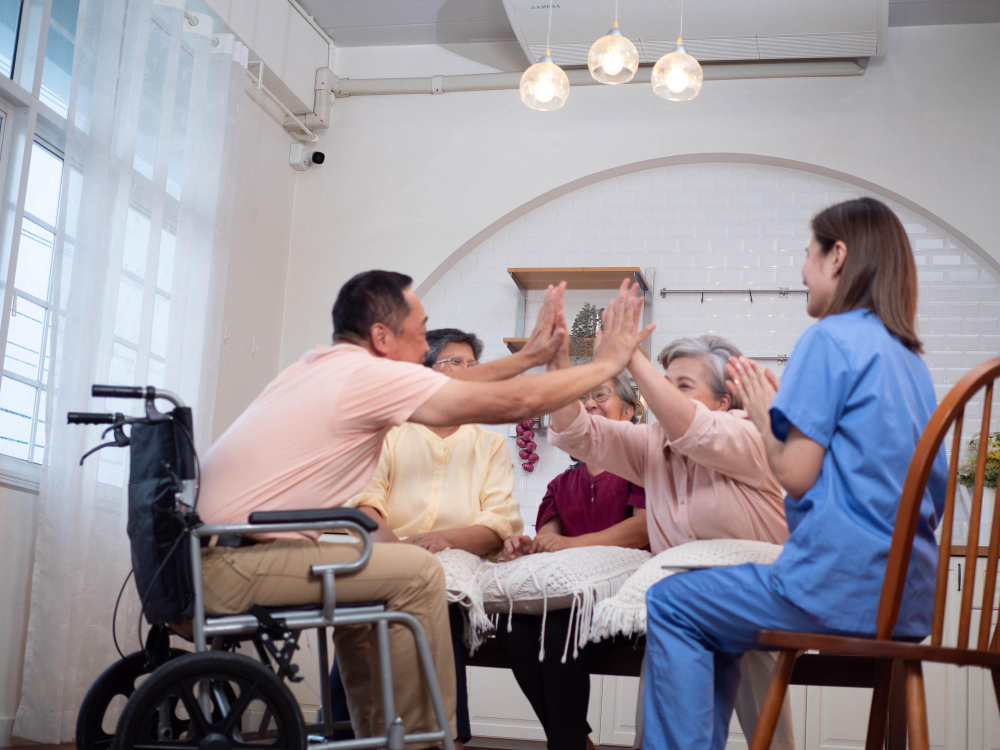
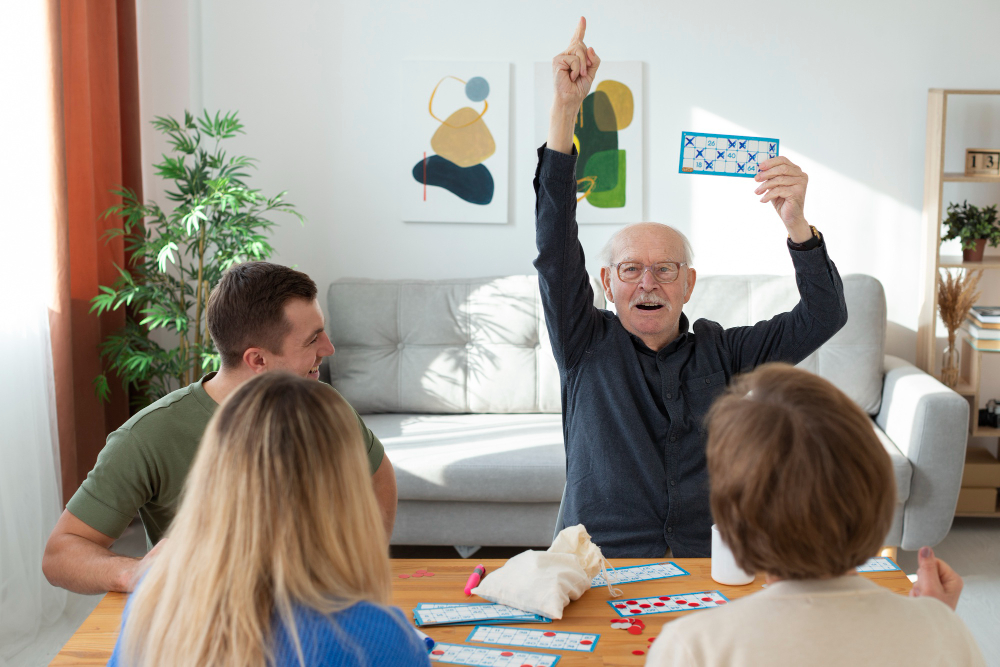
- Helping residents stay socially engaged
It’s the difference between simply existing and truly thriving.
Early Detection: The Secret to Better Senior Outcomes
One of the biggest benefits of ongoing monitoring is early detection.
Care teams can identify:
- Signs of infection
- Dehydration or malnutrition
- Medication side effects
- Mobility decline
- Cognitive changes
Addressing these early leads to faster treatment, less discomfort, and better long-term outcomes—a win for residents and families alike.
Personalised Care Plans That Evolve with Time
No two residents are the same, and their care shouldn’t be either. Regular health monitoring allows care plans to remain dynamic and personalised.
This means:
- Care adapts as health needs change
- Preferences and routines are respected
- Independence is encouraged where possible
- Support increases only when necessary
It’s care that moves with the individual—not against them.
Supporting Long-Term Conditions with Confidence
Many older adults live with chronic conditions such as diabetes, heart disease, or arthritis. With proper nursing supervision, these conditions can be managed safely and comfortably.
Monitoring helps by:
- Tracking symptoms consistently
- Preventing flare-ups
- Ensuring medication accuracy
- Supporting pain management
- Improving day-to-day comfort
This level of oversight allows residents to enjoy life without constantly worrying about their health.
Reducing Hospital Visits and Emergency Situations
Frequent hospital admissions can be stressful, disruptive, and exhausting for older adults. One of the key goals of senior health monitoring is keeping residents well at home.
Benefits include:
- Fewer emergency call-outs
- Reduced hospital stays
- Quicker recovery times
- Less disruption to daily routines
Stability is not just comforting—it’s essential for elderly wellbeing.
Emotional Reassurance for Families
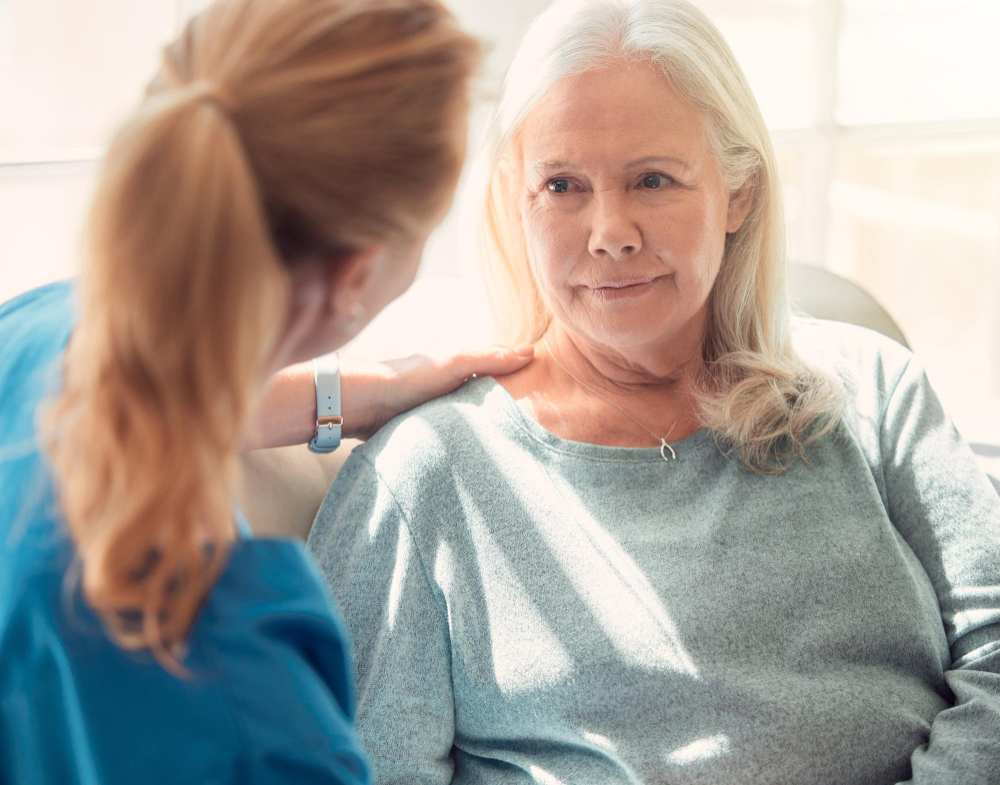
For families, knowing a loved one is under constant, professional supervision brings invaluable peace of mind.
Regular monitoring provides:
- Confidence in care quality
- Clear communication about health changes
- Reassurance that concerns won’t be missed
- Trust in professional nursing oversight
It transforms worry into confidence and clarity.
Technology and Modern Health Monitoring
Today’s care homes blend compassionate care with smart technology to enhance outcomes.
Modern monitoring may include:
- Digital care records
- Medication tracking systems
- Health trend analysis
- Secure communication with healthcare professionals
When combined with human insight, technology helps deliver accurate, timely, and personalised care.
Creating a Safer, Healthier Care Environment
A well-monitored care home is a safer place to live. From fall prevention to infection control, health monitoring supports a secure and supportive environment.
Key safety benefits include:
- Reduced risk of falls
- Faster response to incidents
- Better infection management
- Consistent hygiene and wellbeing checks
Safety, like style, is always in season.
Why Consistency Is Key in Elderly Care
Occasional check-ups aren’t enough. Consistency is what makes senior health monitoring truly effective.
Daily routines help:
- Build trust between residents and staff
- Establish clear health baselines
- Detect subtle changes early
- Create calm, predictable days
Consistency turns good care into exceptional care.
A Holistic Approach to Elderly Wellbeing
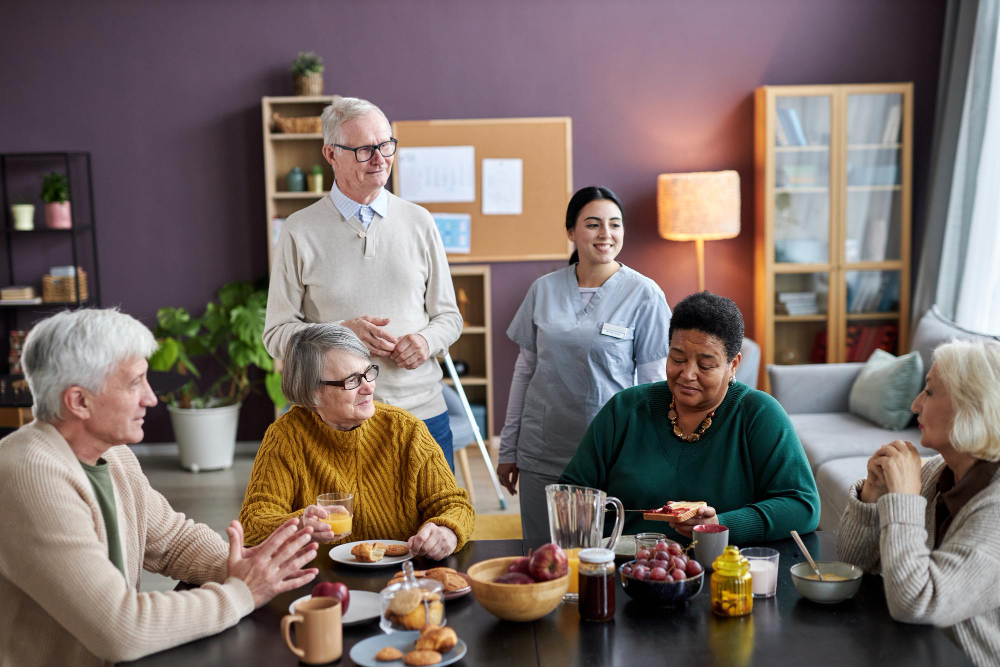
The best care homes understand that health is holistic. Physical monitoring works hand-in-hand with emotional support, social engagement, and lifestyle enrichment.
This includes:
- Nutritious, enjoyable meals
- Gentle exercise and mobility support
- Meaningful activities and social connection
- Emotional reassurance and companionship
It’s care that feels human, warm, and empowering.
Final Thoughts: Better Monitoring, Better Living
Regular health monitoring isn’t just a clinical process—it’s a commitment to quality of life. With professional nursing supervision and a proactive approach, care homes can significantly improve senior outcomes while preserving dignity and independence.
When health is watched over with care, residents gain the freedom to focus on what truly matters: comfort, connection, and enjoyment.
Want to learn how expert monitoring and compassionate nursing supervision can support your loved one’s wellbeing? Explore our approach to senior care and discover how we prioritise health, comfort, and confidence every day.