10th March 2026
How Dementia Care Adapts as the Condition Progresses
Dementia doesn’t change overnight — it develops gradually, bringing new challenges at every stage. What begins as mild forgetfulness can slowly evolve into complex cognitive and physical needs, requiring care that adapts continuously over time.
This is why progressive memory care is essential. As the condition advances, care strategies must evolve to provide the right level of safety, emotional support, and medical attention.
In this guide, we’ll explore how dementia care stages change, how care homes adjust support accordingly, and how specialized elderly dementia support ensures residents maintain dignity, comfort, and quality of life.
Understanding Dementia as a Progressive Condition
Dementia is not a single disease but a group of symptoms affecting memory, thinking, behavior, and daily functioning. It is progressive, meaning symptoms worsen over time.
Because each person experiences dementia differently, care must be:
- Flexible
- Personalized
- Continuously adjusted
Understanding the stages helps families and caregivers provide appropriate support at every phase.
Overview of Dementia Care Stages
Dementia is typically divided into three main stages:
- Early-stage dementia
- Middle-stage dementia
- Late-stage dementia
Each stage requires different levels of progressive memory care and tailored support strategies.
Early-Stage Dementia Care: Supporting Independence
What Happens During Early-Stage Dementia
In the early stage, symptoms are often subtle and may include:
- Mild memory loss
- Difficulty finding words
- Trouble with planning or organization
- Misplacing items
- Occasional confusion
At this stage, individuals can often live relatively independently but benefit from supportive care.
How Care Adapts in the Early Stage
Early dementia care focuses on maintaining independence while providing gentle support.
Key approaches include:
Encouraging Routine and Structure
Consistency helps reduce confusion and anxiety. Care homes often implement:
- Predictable daily schedules
- Clear signage and reminders
- Simple task lists
Cognitive Stimulation Activities
Mental engagement helps slow cognitive decline.
Examples include:
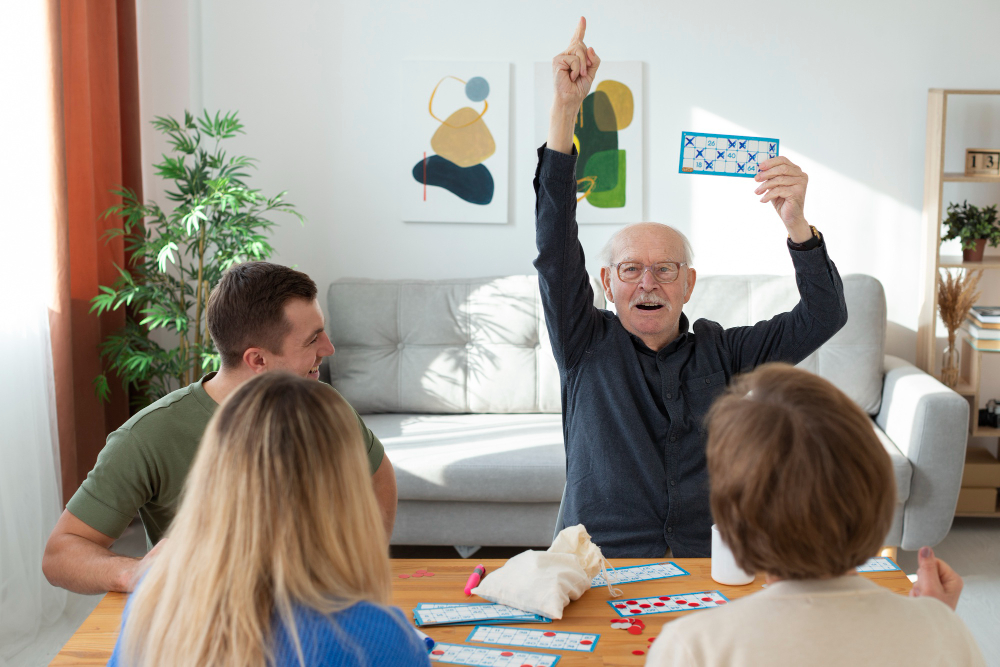
- Memory games
- Puzzles and brain exercises
- Social interaction
- Creative hobbies
Emotional Support and Counseling
Receiving a dementia diagnosis can be overwhelming. Emotional support is essential to help residents:
- Adjust to changes
- Manage anxiety
- Maintain self-esteem
Middle-Stage Dementia Care: Increasing Support Needs
What Happens During Middle-Stage Dementia
This stage often lasts the longest and brings more noticeable symptoms, such as:
- Increased memory loss
- Confusion about time and place
- Difficulty recognizing familiar people
- Communication challenges
- Behavioral changes
Residents begin to require more hands-on assistance.
How Care Adapts in the Middle Stage
Care shifts from independence support to safety, supervision, and structured routines.
Enhanced Supervision and Safety Measures
Care homes implement safety strategies such as:
- Secure environments
- Fall prevention systems
- Wandering prevention monitoring
These measures ensure residents remain safe without restricting dignity.
Assistance with Daily Living Activities
Residents may need help with:
- Dressing
- Bathing
- Eating
- Medication management
Caregivers provide support while encouraging as much independence as possible.
Communication Techniques
Progressive memory care includes specialized communication methods, such as:
- Speaking slowly and clearly
- Using visual cues
- Maintaining eye contact
- Avoiding complex instructions
These techniques reduce frustration and improve understanding.
Managing Behavioral Changes
Residents may experience:
- Agitation
- Mood swings
- Anxiety
- Sleep disturbances
Care homes use calming approaches like:
- Sensory therapy
- Music therapy
- Structured routines
Late-Stage Dementia Care: Comprehensive Support
What Happens During Late-Stage Dementia
In the advanced stage, individuals typically experience:
- Severe memory loss
- Limited communication ability
- Mobility challenges
- Difficulty swallowing
- Increased vulnerability to illness
Full-time care becomes essential.
How Care Adapts in the Late Stage
Late-stage dementia care focuses on comfort, dignity, and medical support.
24/7 Nursing and Personal Care
Residents require continuous assistance with:
- Feeding
- Hygiene
- Mobility
- Medical needs
Compassionate, attentive care is crucial.
Palliative and Comfort Care
Care homes prioritize comfort by:
- Managing pain
- Ensuring proper positioning
- Maintaining skin health
- Creating calm environments
Non-Verbal Communication Support
Even when verbal communication declines, emotional connection remains important.
Caregivers use:
- Gentle touch
- Facial expressions
- Familiar music
- Soothing voices
These approaches provide reassurance and emotional comfort.
The Role of Progressive Memory Care in Adaptation
Progressive memory care ensures that support evolves alongside changing needs.
It includes:
- Continuous health assessments
- Flexible care planning
- Multidisciplinary collaboration
- Personalized interventions
This approach ensures residents always receive appropriate support.
How Care Homes Personalize Dementia Support
Every individual experiences dementia differently, so personalized care is essential.
Care homes tailor support based on:
- Medical history
- Personality
- Cultural preferences
- Family input
- Cognitive abilities
This person-centered approach improves wellbeing and quality of life.
Emotional and Psychological Support Throughout Dementia Stages
Dementia affects more than memory — it impacts emotional health.
Care homes provide:
- Counseling services
- Social interaction opportunities
- Family engagement programs
- Therapeutic activities
These services help residents feel valued and connected.
Supporting Families During Dementia Progression
Families often face emotional challenges as dementia progresses.
Care homes provide support through:
- Education on dementia care stages
- Regular communication updates
- Counseling resources
- Family involvement in care planning
This partnership ensures residents receive holistic support.
Safety Considerations as Dementia Advances
As dementia progresses, safety risks increase.
Care homes address these through:
- Secure living environments
- Fall prevention strategies
- Medication monitoring
- Emergency response systems
These measures protect residents while preserving dignity.
The Importance of Early Planning for Dementia Care
Planning ahead allows families to:
- Understand future care needs
- Make informed decisions
- Reduce stress during transitions
Early planning ensures smoother adaptation as the condition progresses.
Signs That Dementia Care Needs to Be Adjusted
Families should watch for signs indicating increased support needs, such as:
- Frequent confusion
- Difficulty with daily tasks
- Behavioral changes
- Increased falls
- Poor nutrition
Early adjustments help prevent complications.
The Future of Dementia Care
Advancements in elderly dementia support continue to improve care quality.
Emerging trends include:
- AI-powered monitoring systems
- Virtual reality therapy
- Personalized cognitive programs
- Smart safety technology
These innovations enhance both safety and quality of life.
Why Specialized Dementia Care Homes Make a Difference
Specialized memory care facilities offer:
- Trained dementia caregivers
- Structured environments
- Customized therapy programs
- Continuous monitoring
This level of expertise ensures residents receive the highest quality care.
Final Thoughts
Dementia care is not static — it must evolve as the condition progresses. By understanding dementia care stages and implementing progressive memory care strategies, care homes can provide compassionate, adaptive support at every phase.
With the right approach, individuals living with dementia can experience safety, dignity, and meaningful emotional connection throughout their journey.
Learn More About Compassionate Dementia Care
Looking for expert elderly dementia support that adapts as needs change?
👉 Contact us today to discover how our specialized progressive memory care programs provide personalized, compassionate support for every stage of dementia.