26th March 2026
How Care Home Design Supports Dementia-Friendly Living
Thoughtful design can change lives. For people living with dementia, the right environment isn’t just about beauty—it’s about safety, dignity, independence, and emotional wellbeing. Dementia-friendly design in care homes plays a vital role in reducing confusion, supporting memory, and creating spaces where residents feel calm, secure, and at home.
As dementia rates rise globally, senior care facilities are rethinking how spaces are built, organized, and experienced. From lighting and layouts to colors and furniture, every design choice has a direct impact on residents’ quality of life. This article explores how dementia-friendly design transforms care homes into supportive, healing, and empowering environments.
Understanding Dementia-Friendly Design
Dementia-friendly design focuses on creating environments that adapt to cognitive, sensory, and physical changes associated with dementia. Rather than expecting residents to adjust to complex spaces, the environment is shaped around their needs.
Core Principles of Dementia-Friendly Design
A well-designed dementia-friendly care home prioritizes:
- Clarity – easy-to-understand layouts and visual cues
- Familiarity – homely spaces that feel comforting
- Safety – reduced risk of falls, confusion, and accidents
- Independence – enabling residents to move freely and confidently
- Dignity – promoting autonomy and self-worth
- Emotional comfort – reducing anxiety, agitation, and stress
These principles are the foundation of modern memory care spaces and progressive senior care facilities worldwide.
Why Design Matters in Dementia Care
Dementia affects memory, perception, mobility, and decision-making. Poorly designed environments can increase:
- Disorientation
- Anxiety
- Aggression
- Wandering
- Falls
- Isolation
- Depression
By contrast, well-planned dementia-friendly environments can:
- Improve orientation and confidence
- Encourage independence
- Support daily routines
- Reduce behavioral distress
- Enhance social interaction
- Improve overall wellbeing
Design isn’t just aesthetics—it’s a form of non-medical therapy that supports residents every day.
Layout and Navigation in Dementia-Friendly Care Homes
Simple, Intuitive Layouts
Complex corridors and confusing floor plans increase distress. Dementia-friendly layouts are:
- Logical and circular (avoiding dead ends)
- Easy to navigate
- Predictable in structure
- Visually clear
Clear pathways reduce confusion and help residents feel safe moving independently.
Visual Wayfinding Cues
Effective wayfinding includes:
- Color-coded corridors
- Themed areas (e.g., garden wing, ocean wing)
- Memory boxes outside rooms
- Picture signage instead of text-only signs
- Landmarks like artwork or feature furniture
These elements help residents recognize where they are and where they’re going.
Lighting Design for Cognitive and Emotional Support
Lighting has a powerful impact on mood, sleep, and perception.
Natural Light
Dementia-friendly spaces prioritize:
- Large windows
- Skylights
- Open communal areas
- Access to daylight
Natural light supports circadian rhythms, improving sleep patterns and reducing agitation.
Soft, Even Artificial Lighting
Good lighting design avoids:
- Harsh shadows
- Glare
- Flickering lights
- Overly bright spaces
Instead, it uses warm, even lighting that feels calming and familiar.
Color Psychology in Dementia-Friendly Design
Color is more than decoration—it’s communication.
High-Contrast Colors
High contrast helps residents distinguish:
- Doors from walls
- Furniture from floors
- Toilets from bathroom walls
- Handrails from corridors
This reduces confusion and improves safety.
Calming Color Palettes
Dementia-friendly color schemes often include:
- Soft blues
- Warm neutrals
- Muted greens
- Pastel tones
Avoid overly busy patterns or high-contrast flooring that may appear like obstacles to residents.
Memory Care Spaces That Feel Like Home
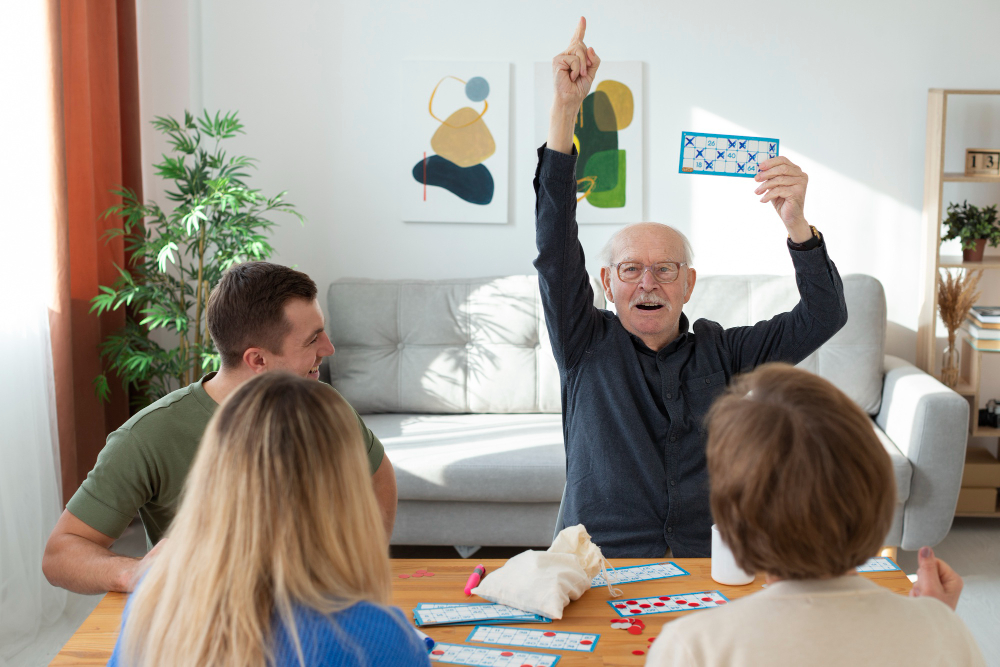
Institutional environments can feel cold and intimidating. Dementia-friendly care homes focus on homely design.
Domestic-Style Interiors
This includes:
- Comfortable sofas
- Familiar furniture styles
- Soft furnishings
- Curtains instead of blinds
- Bookshelves and décor items
- Family-style dining areas
Familiar environments reduce anxiety and increase emotional security.
Safe and Supportive Outdoor Spaces
Access to nature is essential for wellbeing.
Dementia-Friendly Gardens
Outdoor areas should be:
- Fully enclosed for safety
- Circular pathways (no dead ends)
- Non-slip surfaces
- Shaded seating areas
- Raised flower beds
- Clear signage
- Level walking paths
Gardens offer therapeutic benefits, including reduced agitation and improved mood.
Furniture and Fixtures Designed for Dementia Care
Ergonomic and Supportive Furniture
Dementia-friendly furniture includes:
- Armrests for support
- Stable chairs
- Correct seat height
- Soft but firm cushioning
- Non-slip feet
Safe Materials
Designers use:
- Non-glare flooring
- Non-slip surfaces
- Rounded furniture edges
- Anti-bacterial materials
- Durable finishes
These features improve safety while maintaining comfort and dignity.
Sensory-Friendly Environments
People living with dementia often experience sensory overload.
Sensory Design Strategies
Effective memory care spaces include:
- Noise reduction materials
- Soft acoustics
- Calm visual environments
- Minimal clutter
- Gentle textures
- Consistent temperature control
This creates a peaceful environment that supports emotional regulation.
Technology in Dementia-Friendly Care Home Design
Modern senior care facilities use discreet technology to enhance safety without reducing independence.
Smart Design Solutions
These include:
- Motion sensors
- Smart lighting
- Silent alarms
- GPS tracking systems
- Automated doors
- Fall detection systems
Technology supports care without making spaces feel clinical.
Promoting Independence and Dignity
One of the most powerful aspects of dementia-friendly design is its ability to preserve independence.
Design That Empowers Residents
Supportive features include:
- Accessible bathrooms
- Open kitchens
- Easy-to-use fixtures
- Clear visual cues
- Adaptive furniture
- Simple layouts
These allow residents to engage in daily activities with confidence and dignity.
Emotional Wellbeing Through Design
Environment directly affects emotional health.
Calm Spaces for Connection
Memory care spaces should include:
- Quiet rooms
- Family visiting areas
- Reflection spaces
- Activity rooms
- Social lounges
- Community dining areas
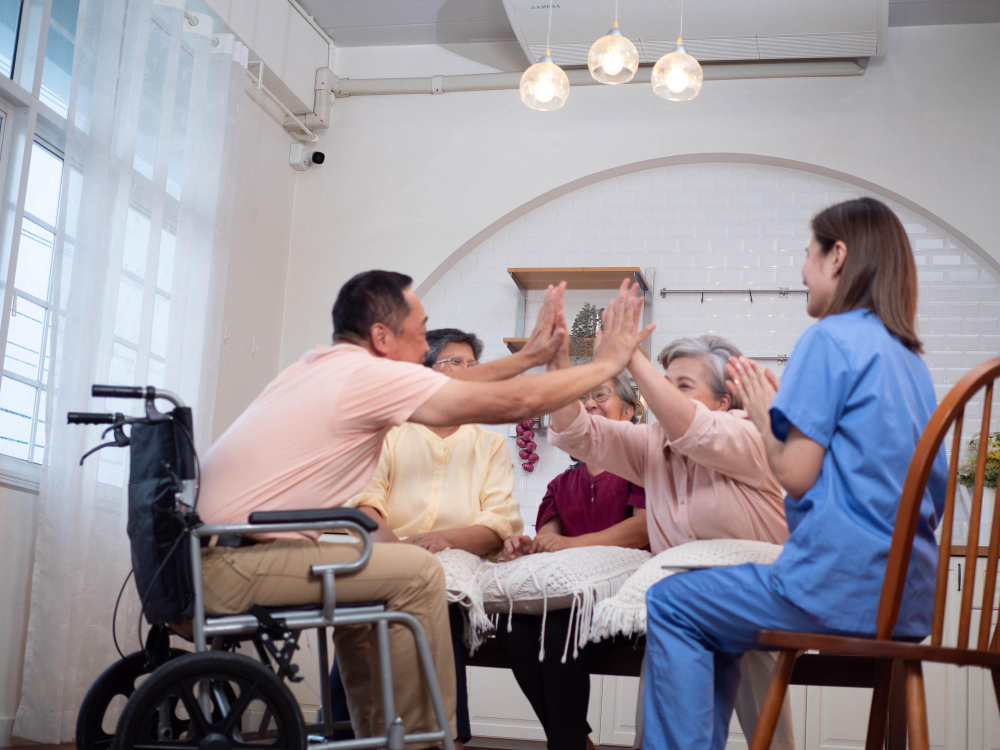
These promote relationships, social interaction, and emotional comfort.
Benefits of Dementia-Friendly Design in Senior Care Facilities
For Residents
- Reduced anxiety and agitation
- Improved orientation
- Increased independence
- Better sleep patterns
- Enhanced quality of life
- Greater emotional security
For Families
- Peace of mind
- Trust in care quality
- Comfort knowing loved ones feel safe
- Positive visiting experiences
For Care Providers
- Easier care delivery
- Reduced behavioral challenges
- Safer working environments
- Improved staff satisfaction
- Higher care standards
The Future of Dementia-Friendly Care Home Design
The future of dementia care lies in human-centered design—spaces that adapt to people, not the other way around.
Emerging trends include:
- Biophilic design (nature-integrated spaces)
- Smart technology integration
- Therapeutic architecture
- Personalized environments
- Modular care spaces
- Community-style care models
Modern memory care spaces are becoming not just places of care—but places of life, connection, and dignity.
Designing for Compassion, Safety, and Dignity
Dementia-friendly design is more than a trend—it’s a philosophy of care. It reflects a deep understanding of human needs, emotional wellbeing, and the importance of dignity at every stage of life.
By creating supportive, safe, familiar, and calming environments, senior care facilities can transform the experience of dementia care. Thoughtful design helps residents feel secure, respected, and empowered—while giving families confidence and peace of mind.
Because great care doesn’t start with treatment—it starts with environment.
If you’re exploring dementia-friendly care solutions, designing memory care spaces, or choosing the right senior care facility for your loved one, the environment matters more than you think.
👉 Explore our dementia-friendly care services today
👉 Learn more about our thoughtfully designed memory care spaces
👉 Discover how compassionate design creates safer, happier living
Contact us now to experience care that’s not just professional—but truly human.