4th February 2026
Helping Seniors Adjust to a New Care Home
Moving into a care home is a major life change, and for many seniors, it can feel as daunting as it is necessary. But with the right elderly support, thoughtful planning, and a compassionate environment, a senior care transition can become a positive new beginning rather than a stressful disruption.
At trusted care homes like PVCH, the focus isn’t just on care—it’s on comfort, dignity, and helping residents truly feel at home.
Understanding the Emotional Side of a Senior Care Transition
Adjusting to a care home isn’t only about unpacking belongings or learning a new routine. It’s an emotional journey that often includes feelings of loss, anxiety, and uncertainty.
Common emotions seniors may experience include:
- Fear of losing independence
- Sadness about leaving their home
- Worry about fitting in socially
- Anxiety around unfamiliar routines
Recognising these feelings early is the first step toward providing meaningful elderly support.
Why the Adjustment Period Looks Different for Everyone
Just like personal style evolves with age and lifestyle, every senior adjusts at their own pace. Some feel comfortable within days, while others may need weeks or even months to settle in.
Factors that influence adjustment include:
- Personality and resilience
- Level of independence
- Health conditions
- Family involvement
- Quality of care home support
A flexible, person-centred approach is essential.
Preparing Seniors Before the Move
A smooth transition begins long before moving day. Preparation reduces stress and empowers seniors to feel involved and respected.
Helpful pre-move steps include:
- Talking openly about the change
- Visiting the care home in advance
- Meeting staff and future neighbours
- Discussing daily routines and preferences
When seniors feel heard, the adjustment becomes far more manageable.
Making the New Space Feel Like Home
Personalisation is powerful. Familiar items can transform a new room from unfamiliar to comforting almost instantly.
Encourage seniors to bring:
- Favourite photographs
- Soft furnishings or blankets
- Cherished keepsakes
- Familiar scents or music
These details create emotional continuity during the senior care transition.
Establishing Comforting Routines Early
Routine provides structure, security, and confidence. Care homes that support personalised daily schedules help seniors regain a sense of control.
Consistent routines can include:
- Preferred wake-up and bedtime hours
- Favourite meals or snacks
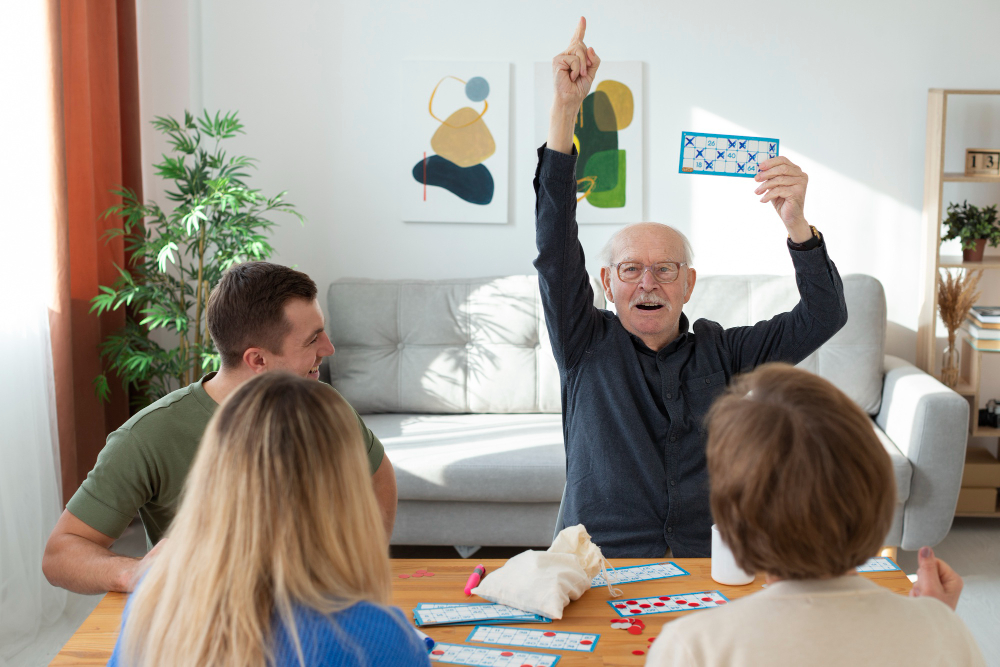
- Regular hobbies or activities
- Quiet time for reading or reflection
Predictability reduces anxiety and supports emotional well-being.
The Role of Staff in Adjusting to Care Home Life
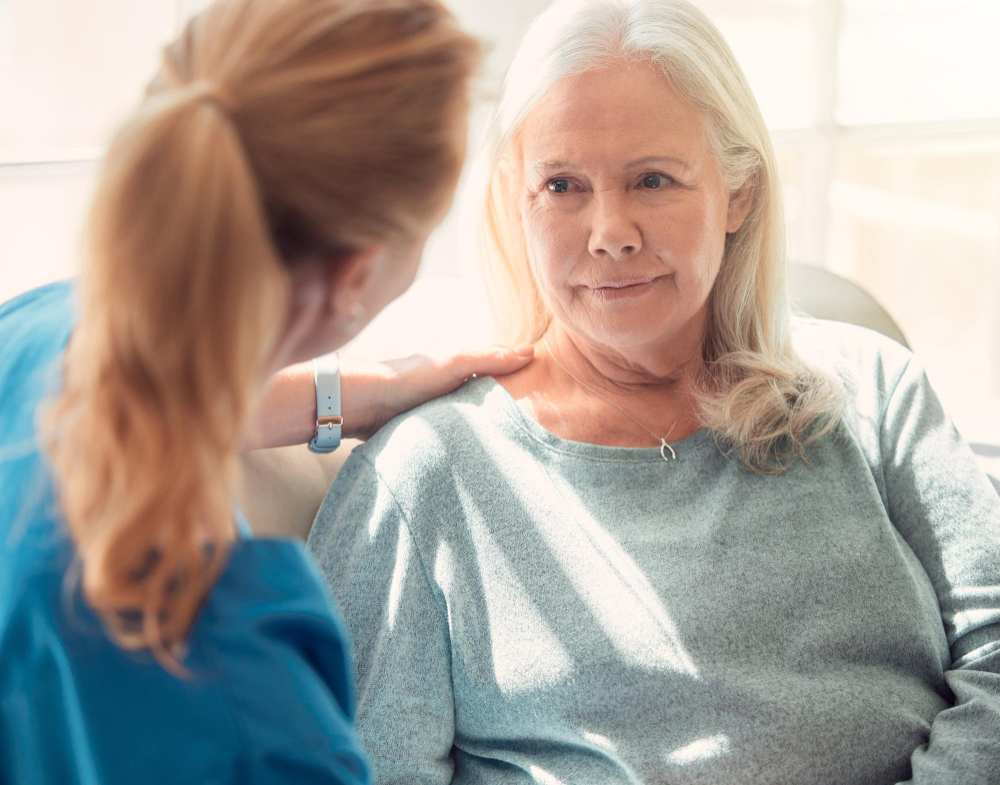
Compassionate, attentive staff make all the difference when adjusting to a care home. Seniors need reassurance, patience, and genuine human connection.
High-quality elderly support includes:
- Active listening and empathy
- Respect for independence
- Encouragement without pressure
- Clear communication with families
Feeling valued builds trust—and trust speeds up adjustment.
Encouraging Social Connections Without Pressure
Social interaction is essential, but it should never feel forced. Seniors adjust best when they’re invited—not pushed—to participate.
Gentle ways to encourage connection include:
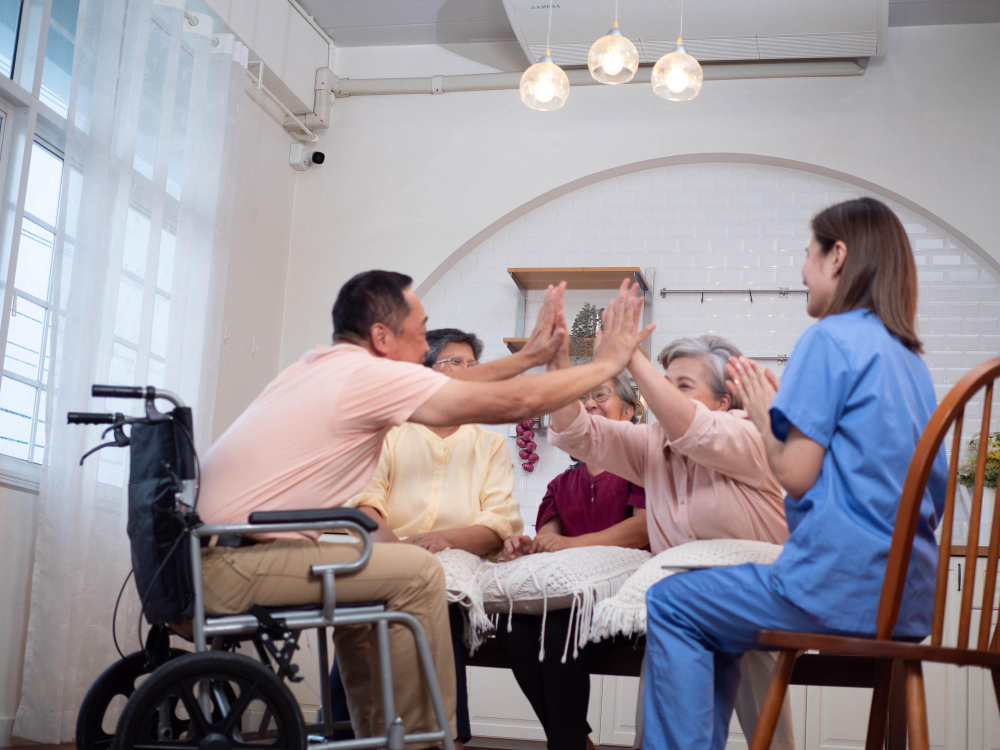
- Small group activities
- Shared mealtimes
- One-to-one conversations
- Interest-based clubs
Meaningful relationships develop naturally when seniors feel comfortable.
How Families Can Support the Transition
Family involvement is one of the strongest stabilisers during a senior care transition. Even when professional care is in place, emotional reassurance from loved ones remains irreplaceable.
Families can help by:
- Visiting regularly (especially early on)
- Keeping communication positive and calm
- Avoiding expressions of guilt or doubt
- Supporting independence rather than taking over
Consistency and encouragement make a huge difference.
Managing Guilt—for Seniors and Families
Both seniors and families often struggle with guilt during this transition. Seniors may feel they’re a burden, while families worry they haven’t done enough.
It’s important to reframe the move as:
- A step toward better health and safety
- An opportunity for social engagement
- A choice rooted in love and care
Reassurance helps everyone move forward with confidence.
Supporting Independence While Offering Care
One of the biggest fears seniors have is losing independence. Modern care homes focus on supporting autonomy wherever possible.
This may include:
- Encouraging self-care routines
- Offering choices in meals and activities
- Respecting privacy and preferences
- Promoting decision-making
Independence and support can—and should—coexist.
The Importance of Mental and Emotional Well-Being
Adjusting to a care home isn’t just physical—it’s deeply emotional. Mental well-being should be prioritised alongside medical care.
Effective elderly support includes:
- Emotional check-ins
- Access to calming activities
- Support for anxiety or low mood
- A nurturing, respectful environment
Feeling emotionally safe is key to long-term happiness.
Recognising Signs a Senior Is Settling In
Adjustment doesn’t happen overnight, but there are positive signs that indicate progress.
Look for:
- Improved appetite and sleep
- Increased engagement in activities
- Willingness to socialise
- A more relaxed, confident demeanour
Celebrate small milestones—they matter.
When Extra Support Is Needed
If a senior continues to struggle, additional support may be required. This is not a failure—it’s part of personalised care.
Extra help might include:
- One-to-one emotional support
- Increased family involvement
- Routine adjustments
- Professional counselling referrals
Early intervention ensures long-term comfort and stability.
Why the Right Care Home Makes All the Difference
Not all care homes are the same. A warm, welcoming environment with a person-first philosophy transforms the entire experience.
A supportive care home prioritises:
- Dignity and respect
- Individual care plans
- Open communication
- A genuine sense of community
The right environment turns transition into transformation.
A Fresh Start Filled With Comfort and Care
Moving into a care home is not the end of independence—it’s the beginning of supported living with peace of mind. With thoughtful planning, compassionate staff, and ongoing family involvement, adjusting to a care home can become a positive, empowering experience.
Every senior deserves to feel safe, valued, and at home.
Supporting a loved one through a senior care transition doesn’t have to feel overwhelming. With the right care home and compassionate elderly support, this new chapter can be filled with comfort, connection, and confidence.
Take the next step today—learn more about our care services, explore how we support residents settling in, and discover a place where seniors truly feel at home.