24th January 2026
Emotional Benefits of Group Activities in Care Homes
Loneliness never goes out of style—but connection always does. In care homes, group activities are the feel-good essential that help residents rediscover joy, confidence, and emotional balance from the inside out.
Just as the right outfit can lift your mood, the right shared experience can transform daily life. In social care homes, thoughtfully designed group activities are more than entertainment—they’re a powerful tool for improving emotional wellbeing in the elderly.
Why Emotional Wellbeing Matters More Than Ever
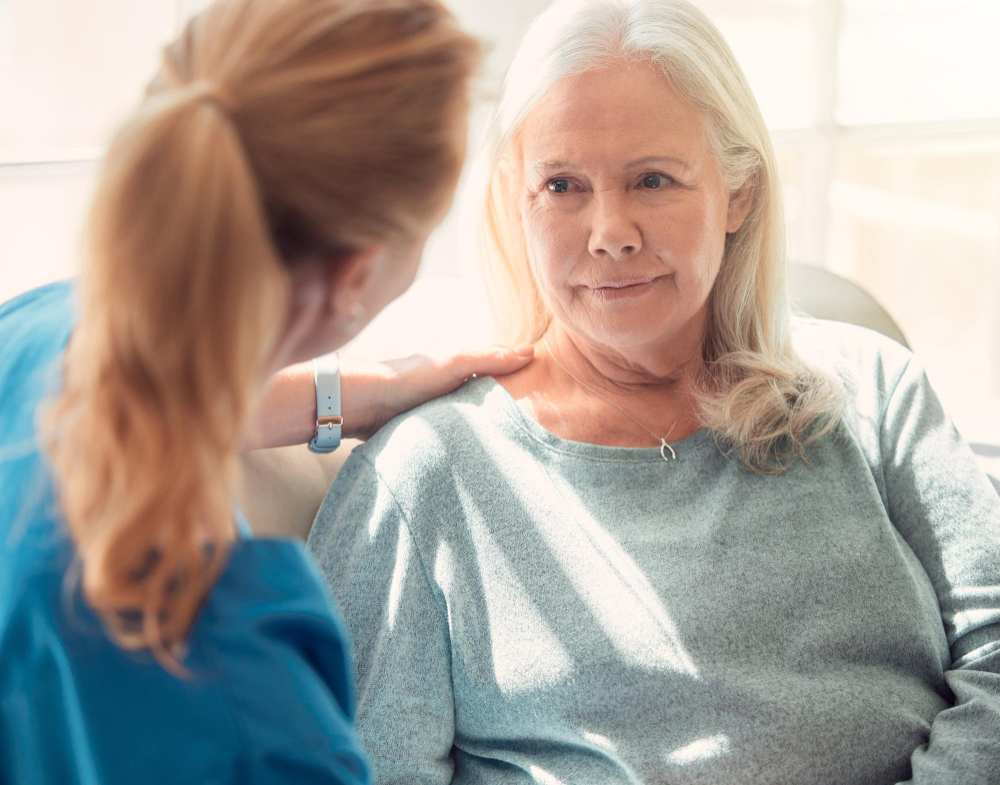
As we age, emotional health becomes just as important as physical care. Changes such as retirement, loss of independence, or reduced social circles can quietly impact confidence and self-worth.
Common emotional challenges among older adults include:
- Feelings of isolation or loneliness
- Anxiety or low mood
- Loss of purpose or routine
- Reduced social confidence
This is where group activities for seniors play a vital role. They help replace isolation with interaction and routine with renewed meaning.
Group Activities: The Social Thread That Brings Everyone Together
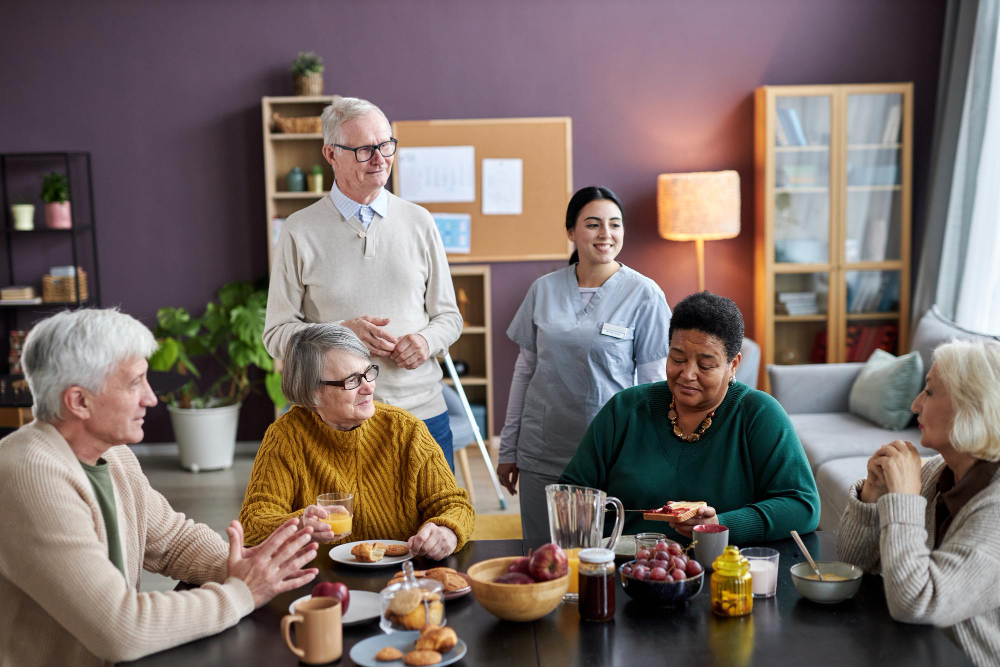
In well-run social care homes, group activities act like the statement pieces of daily life—bringing people together naturally and comfortably.
These shared experiences encourage residents to:
- Engage with peers in a relaxed setting
- Build friendships organically
- Feel part of a community rather than a schedule
- Express themselves without pressure
Whether it’s a morning coffee group or an afternoon quiz, these moments create emotional warmth that lasts long after the activity ends.
How Shared Experiences Reduce Loneliness
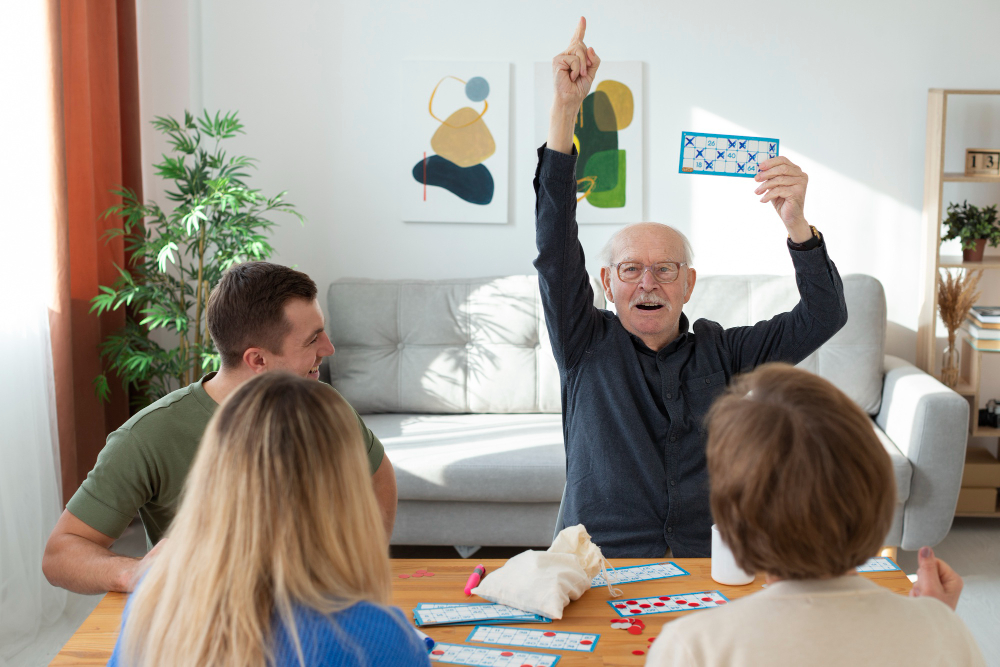
Loneliness thrives in silence, but group activities for seniors gently fill the day with conversation, laughter, and connection.
Regular participation helps residents:
- Feel noticed and included
- Develop familiarity and trust with others
- Look forward to daily interactions
- Experience companionship without obligation
Over time, these small but meaningful interactions significantly improve emotional wellbeing for the elderly.
Building Confidence Through Participation
Confidence doesn’t disappear with age—it simply needs nurturing. Group activities provide safe, supportive spaces where residents can participate at their own pace.
Benefits include:
- Regaining social confidence through gentle interaction
- Feeling comfortable expressing opinions or creativity
- Celebrating achievements, big or small
- Rediscovering personal strengths and talents
From creative workshops to discussion groups, activities empower residents to feel capable and valued again.
A Sense of Purpose Never Goes Out of Fashion
Purpose is a powerful mood booster. In care homes, structured group activities help residents reconnect with routine and intention—without feeling rigid.
Daily or weekly activities give residents:
- Something meaningful to look forward to
- A reason to engage with the day
- A sense of contribution and involvement
- Emotional stability through gentle structure
This rhythm is especially important for maintaining positive mental health in later life.
Emotional Expression in a Supportive Environment
Many older adults struggle to express emotions openly, particularly after major life changes. Group activities create opportunities for expression that feel natural rather than forced.
These may include:
- Music and singing sessions that spark memories
- Arts and crafts for creative expression
- Storytelling or reminiscence groups
- Gentle movement or mindfulness classes
Such activities allow emotions to surface safely, supporting emotional release and inner calm.
Strengthening Friendships in Social Care Homes
Friendship is one of the most underestimated aspects of ageing well. Social care homes that prioritise group engagement create environments where friendships can flourish.
Through regular activities, residents:
- Get to know each other beyond surface level
- Share stories, humour, and life experiences
- Support one another emotionally
- Feel part of a close-knit community
These bonds significantly enhance emotional security and overall happiness.
The Role of Staff in Supporting Emotional Wellbeing
Behind every successful group activity is a compassionate care team. Trained staff understand that emotional wellbeing is just as important as physical support.
Care teams help by:
- Encouraging participation without pressure
- Noticing changes in mood or engagement
- Creating inclusive, welcoming atmospheres
- Adapting activities to suit different abilities
This personalised approach ensures every resident feels respected and emotionally supported.
Cognitive and Emotional Benefits Go Hand in Hand
Group activities don’t just lift spirits—they also stimulate the mind. Emotional wellbeing and cognitive health are closely linked, especially in older age.
Engaging activities can help:
- Improve memory and concentration
- Reduce stress and anxiety
- Maintain mental alertness
- Encourage positive emotional responses
This holistic benefit is why group activities for seniors are a cornerstone of quality care.
Inclusion for All Abilities and Interests
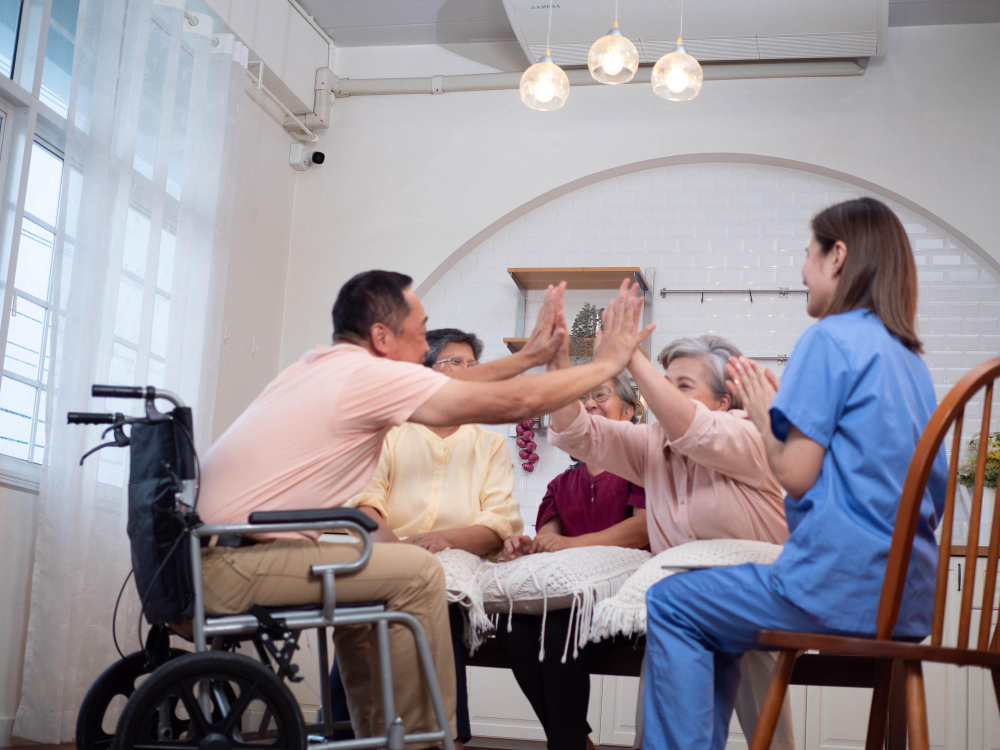
No two residents are the same—and the best care homes celebrate that. A diverse activity programme ensures everyone can participate in ways that feel comfortable and enjoyable.
Inclusive group activities may involve:
- Small-group or one-to-one adaptations
- Sensory-based experiences
- Low-pressure social gatherings
- Choice-driven participation
This flexibility ensures emotional wellbeing is supported across all needs and preferences.
Family Reassurance Through Visible Happiness
Families often notice the emotional difference group activities make. Seeing a loved one engaged, smiling, and socially active provides immense reassurance.
For families, this means:
- Confidence in the quality of care
- Reduced worry about loneliness
- More positive, relaxed visits
- Stronger emotional connections
Group activities enhance not only residents’ lives—but family peace of mind too.
A Lifestyle That Feels Connected, Not Clinical
Modern care homes focus on lifestyle as much as care. Group activities help create environments that feel vibrant, warm, and human—never institutional.
They contribute to:
- A welcoming, home-like atmosphere
- Daily moments of joy and laughter
- A strong sense of belonging
- Emotionally rich, fulfilling days
This approach transforms care homes into communities, not just residences.
Final Thoughts: Emotional Wellbeing Is Always in Style
Just like timeless fashion, emotional wellbeing never loses relevance. In care homes, group activities are the essential layer that brings comfort, connection, and confidence to everyday life.
By nurturing relationships, encouraging expression, and creating shared joy, social care homes play a powerful role in helping older adults feel emotionally fulfilled.
Ready to discover how meaningful group activities can enhance life in a care home? Explore your options, learn more about supportive community living, and see how the right environment can make every day brighter.