Blog2

How Nurses Build Trust and Comfort with Residents

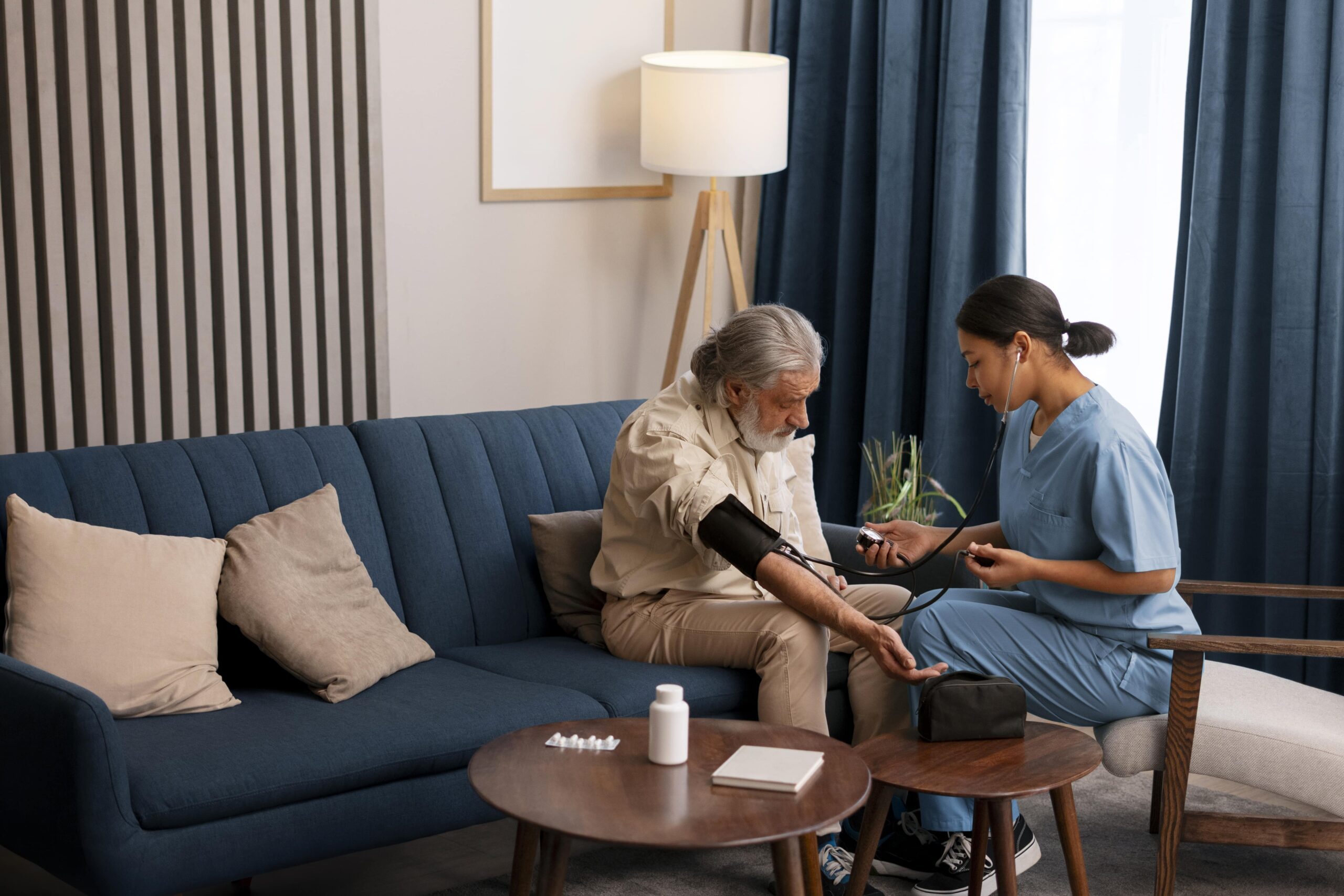
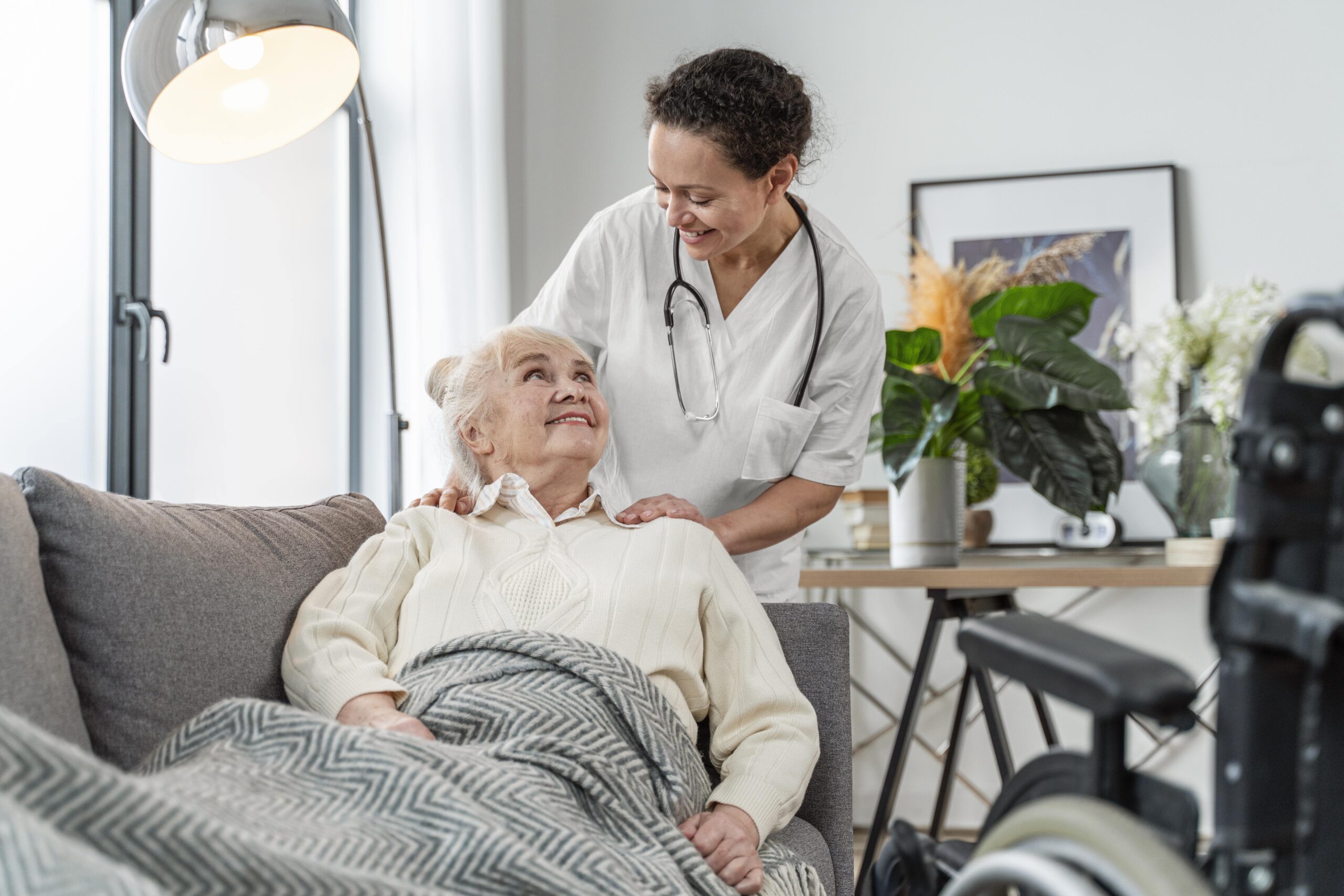
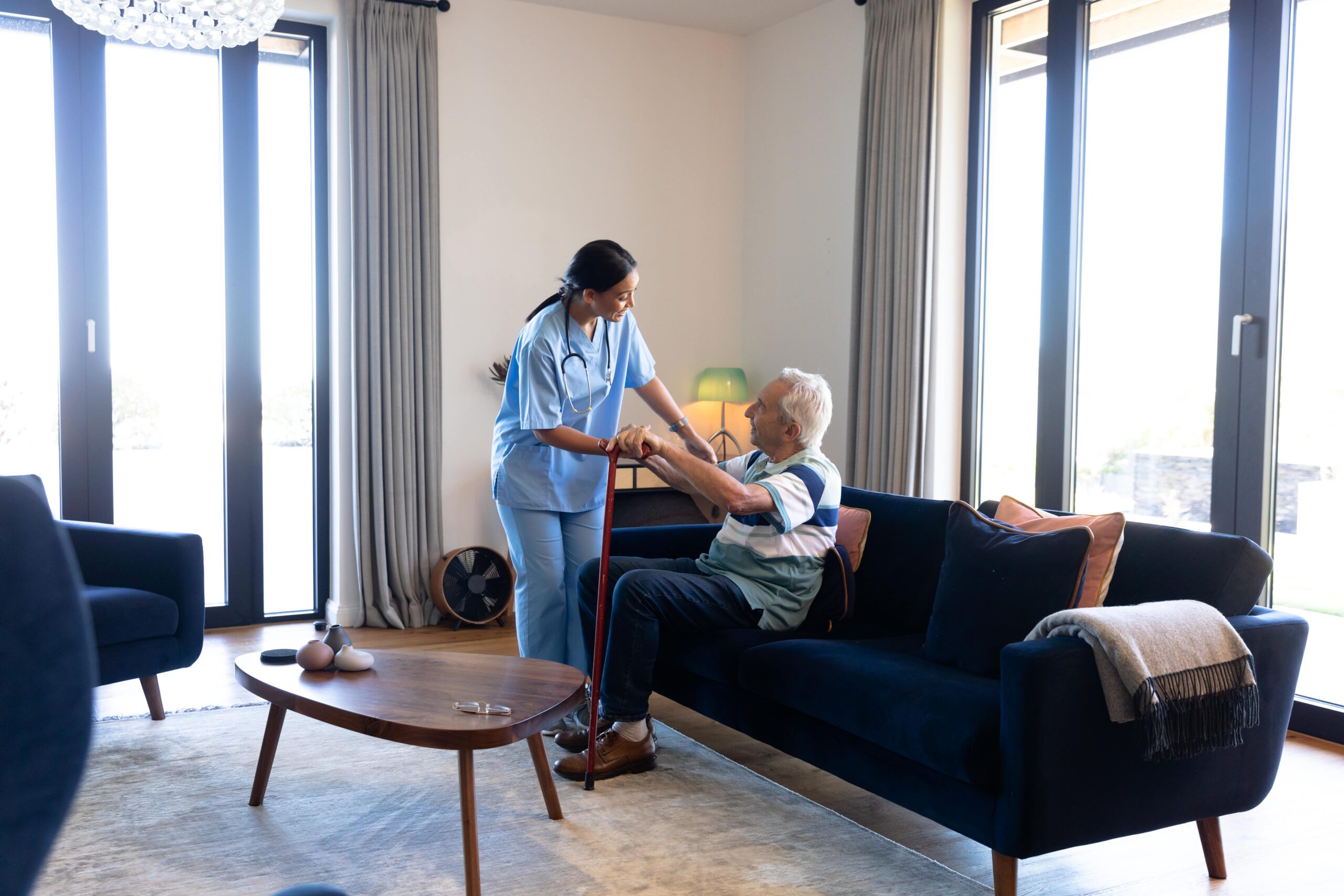
Trust is the heart of caregiving. When seniors move into a residential care home, they’re stepping into a new environment, often with uncertainty, anxiety, and mixed emotions. In these moments, nurses become much more than healthcare professionals—they become companions, advocates, and sources of comfort. From day one, nurses play a critical role in building trust, strengthening relationships, and ensuring every resident feels safe, respected, and understood. This connection forms the foundation of high-quality care and supports an overall better quality of life. In this article, we explore how nurses nurture meaningful nurse–resident relationships, why trust in caregiving matters, and how compassionate, person-centered care brings emotional security and comfort to seniors.

Why Trust Matters in Elderly Care

For seniors, trust is more than a feeling—it’s essential to their wellbeing. Many residents rely on nurses for daily tasks, medication management, emotional support, and personal care. Without trust, these interactions can feel stressful or uncomfortable.

Why trust in caregiving is essential:

  • Encourages openness and communication
  • Reduces fear and anxiety
  • Improves cooperation in care routines
  • Supports better health outcomes
  • Strengthens emotional wellbeing
  • Creates a safe, comforting environment
A strong bond between nurses and residents ensures that seniors feel valued, heard, and respected. And that foundation is built through consistent, compassionate, attentive care.

How Nurses Build Trust and Comfort with Residents

The nurse–resident relationship doesn’t develop overnight. It’s shaped through consistent actions, emotional intelligence, empathy, and communication. Below are the core ways nurses build meaningful, long-lasting trust with residents.

1. Practicing Compassionate Nursing from Day One

Compassion is the essence of caregiving. Nurses show compassion by listening deeply, being patient, and responding gently to residents’ needs.

Compassionate nursing includes:

  • Speaking kindly and respectfully
  • Offering reassurance during difficult moments
  • Understanding each resident’s history and preferences
  • Showing warmth and empathy through body language
  • Creating a welcoming, non-judgmental environment
When residents feel genuinely cared for, they naturally feel more comfortable opening up and trusting their caregivers.

2. Building Relationships Through Consistent Communication

Clear, respectful communication helps residents feel informed, included, and in control of their care.

Nurses communicate by:

  • Explaining procedures in simple terms
  • Maintaining eye contact
  • Asking for permission before beginning tasks
  • Encouraging residents to express concerns
  • Giving regular updates on care plans
This open communication approach strengthens connection and ensures residents feel respected and involved.

3. Respecting Dignity and Personal Space

Every senior deserves dignity. Nurses build trust by respecting boundaries, knocking before entering rooms, and creating comfortable environments during personal care.

This includes:

  • Ensuring privacy during bathing or dressing
  • Respecting cultural preferences and personal routines
  • Avoiding rushed interactions
  • Honoring residents’ choices whenever possible
When dignity is preserved, residents feel valued, respected, and safe.

4. Providing Person-Centered Nursing Care

Person-centered care means tailoring care to each resident’s unique needs, preferences, and personality. This approach fosters trust by showing residents that they are more than patients—they are individuals with identities, values, and life stories.

Person-centered nursing includes:

  • Learning personal histories
  • Remembering preferences (tea vs. coffee, morning routines, favorite activities)
  • Offering choices instead of directives
  • Adapting care plans around comfort and lifestyle
This personalized approach enhances emotional wellbeing and trust.

5. Encouraging Emotional Expression and Support

Nurses often become confidants for residents. They listen to stories, fears, memories, and frustrations with patience and empathy.

Emotional support may look like:

  • Sitting and talking with residents during difficult days
  • Offering comfort during moments of confusion or loneliness
  • Recognizing emotional triggers
  • Celebrating small achievements
  • Being present during transitions or illness
These simple moments of connection build unshakeable trust.

6. Demonstrating Reliability and Professionalism

Trust grows when residents know they can depend on their caregivers.

Nurses show this by:

  • Being punctual with medication and meals
  • Keeping commitments
  • Following through on requests
  • Maintaining professional boundaries
  • Ensuring high safety standards
Consistency builds reliability, which builds confidence, which builds trust.

7. Creating a Calm and Positive Environment

A peaceful atmosphere can dramatically improve comfort levels. Nurses contribute to this by remaining calm, speaking gently, and offering reassurance during challenging care situations.

This includes:

  • Staying composed during emergencies
  • Providing clear steps during care routines
  • Using a soothing tone
  • Encouraging patience and relaxation
A calm presence makes residents feel secure and supported.

8. Engaging Residents in Activities and Social Life

Nurses often encourage residents to participate in activities, social events, and hobbies that bring joy.

Social engagement helps with:

  • Reducing loneliness
  • Boosting mood
  • Improving cognitive health
  • Strengthening the nurse–resident bond
When seniors enjoy their time in care, they associate nurses with well-being and happiness.

9. Supporting Independence Whenever Possible

Trust grows when residents feel empowered. Nurses encourage independence by supporting residents’ strengths and allowing them to participate in daily tasks.

Examples include:

  • Letting residents brush their hair or choose their clothes
  • Encouraging them to walk short distances with support
  • Allowing decision-making in daily routines
This approach promotes confidence and strengthens mutual respect.

10. Involving Families in the Care Journey

Family reassurance is deeply tied to resident trust. Nurses collaborate with families to share updates, listen to concerns, and celebrate improvements.

Family involvement:

  • Supports care consistency
  • Helps residents feel emotionally connected
  • Strengthens trust between all parties
  • Provides valuable background on the resident’s history and preferences
Residents feel secure when their caregivers and family work together.

The Impact of Strong Nurse–Resident Relationships

When trust is established, everything changes—care becomes smoother, residents feel happier, and the caregiving environment becomes more harmonious.

Key benefits include:

  • Reduced anxiety and stress
  • Improved participation in care plans
  • Better communication
  • Faster adaptation to residential care
  • Increased sense of belonging
  • Enhanced emotional and mental wellbeing
A strong relationship also leads to better physical outcomes, as residents feel confident following health instructions and reporting symptoms early.

Comfort: The Emotional Core of Elderly Care

Comfort isn’t just physical—it’s emotional, mental, and relational.

Nurses create comfort by:

  • Providing gentle physical care
  • Creating welcoming daily routines
  • Offering reassurance during moments of confusion
  • Encouraging laughter and positivity
  • Building rituals that bring joy (tea time, morning chats, evening walks)
When residents feel comfortable, they feel at home—even in a new environment.

What Makes a Nurse Truly Trustworthy?

Several qualities consistently stand out in trustworthy caregivers:

Traits of a trust-building nurse:

  • Empathy
  • Patience
  • Compassion
  • Respect
  • Reliability
  • Honesty
  • Good communication
  • Attentiveness
These traits define exceptional caregiving and help create long-lasting bonds.

Final Thoughts: Trust and Comfort Are the Foundations of Quality Care

A residential care home becomes a true home only when residents feel safe, understood, and emotionally supported. Nurses are central to this transformation. Through compassion, communication, reliability, and person-centered care, they build relationships that help seniors feel deeply comforted and cared for. The trust between nurses and residents is not just important—it’s life-changing.

Ready to Explore How Compassionate Nursing Can Support Your Loved One?

👉 Learn more about our elderly care services and discover how our nurses build meaningful relationships that enhance comfort, trust, and overall wellbeing.  

The Role of Nutrition in Professional Nursing Care

Good nutrition is one of the strongest foundations of healthy aging. Yet for many seniors, maintaining a balanced diet becomes harder with age due to mobility issues, appetite changes, chronic conditions, or limited cooking ability. That’s where professional nursing care steps in—providing not just supervision, but essential nutritional support that keeps seniors strong, energized, and independent. In modern residential care homes, nutrition is more than just meals. It’s a science-backed, personalised approach that enhances health, prevents complications, and improves the overall well-being of older adults. From elderly meal planning to detailed dietary assessments, nurses play a crucial role in ensuring seniors receive the right nutrients at the right time. This article explores how senior nutrition shapes professional nursing care, why a balanced diet for seniors is essential, and how tailored meal plans improve quality of life.

Why Nutrition Matters More as We Age

Aging brings natural changes that impact dietary needs. Seniors require nutrient-dense foods to support energy, digestion, muscle strength, cognitive function, and disease prevention.

Common age-related changes that impact nutrition:

  • Reduced metabolism
  • Loss of muscle mass
  • Changes in appetite
  • Dental or swallowing difficulties
  • Chronic illnesses
  • Medication side effects
  • Dehydration risks
These factors make nutritional support in care a key responsibility of nursing teams. A well-structured nutrition plan helps prevent:
  • Malnutrition
  • Weakness and frequent falls
  • Weight loss or unhealthy weight gain
  • Digestive issues
  • Cognitive decline
  • Delayed recovery from illnesses
Simply put—nutrition is healthcare for seniors.

How Professional Nursing Care Supports Senior Nutrition

Professional caregivers are trained to understand the unique dietary needs of older adults. Their role goes far beyond providing meals—they monitor health indicators, assess nutrient intake, adjust meal plans, and ensure residents enjoy safe, delicious food every day. Below is a detailed look at how nursing teams integrate nutrition into care.

1. Comprehensive Nutritional Assessments

The first step toward healthy elderly meal planning is understanding each senior’s needs.

Nurses evaluate:

  • Weight history
  • Medical conditions (e.g., diabetes, hypertension, heart disease)
  • Food allergies
  • Medication interactions
  • Swallowing or chewing issues
  • Hydration levels
  • Appetite changes
  • Vitamin or mineral deficiencies
These assessments help nurses build personalised nursing care diet plans that support better aging.

2. Creating Personalised Meal Plans for Seniors

No two seniors have the same dietary needs. Nursing teams prepare customized meal plans that align with:
  • Health conditions
  • Dietary restrictions
  • Cultural and taste preferences
  • Activity levels
  • Doctor recommendations

Examples of personalised diets in nursing care:

  • Low-sodium meals for heart health
  • High-protein diets for muscle maintenance
  • Soft or pureed meals for swallowing challenges
  • Diabetic-friendly meal plans
  • High-fiber diets for digestive health
  • Calorie-dense meals to prevent weight loss
This personalised approach improves nutritional intake and enhances quality of life.

3. Monitoring Portion Sizes and Nutrient Intake

Seniors often struggle with portion control—some under-eat, while others choose calorie-heavy but nutrient-poor foods. Nurses track:
  • Daily food intake
  • Water consumption
  • Meal preferences
  • Weight changes
  • Dietary compliance
This continuous monitoring ensures seniors maintain a balanced diet, supporting better physical and cognitive health.

4. Encouraging Hydration Throughout the Day

Dehydration is one of the most common and dangerous conditions among seniors. Nursing teams integrate hydration strategies into daily care routines.

Strategies include:

  • Offering water at regular intervals
  • Providing herbal teas or flavored hydration options
  • Monitoring signs of dehydration
  • Encouraging seniors during activities and meals
Hydration is vital for digestion, energy, and cognitive function.

5. Supporting Seniors with Swallowing or Dental Problems

Many seniors experience dysphagia (difficulty swallowing) or dental issues that make eating painful or risky. Professional nursing care ensures:
  • Modified texture diets (soft, minced, pureed)
  • Supervised meals to prevent choking
  • Coordination with speech and occupational therapists
  • Monitoring for signs of aspiration
This ensures safe eating and prevents serious complications like pneumonia.

6. Managing Nutrition for Chronic Illnesses

Chronic health conditions require careful dietary planning. Nurses coordinate with physicians, dietitians, and families to ensure each meal supports health management.

Common conditions requiring nutrition-focused care:

  • Diabetes
  • Hypertension
  • Kidney disease
  • Heart disease
  • Osteoporosis
  • Dementia
  • High cholesterol
For example:
  • Diabetic seniors need stable blood sugar–friendly meals
  • Seniors with kidney issues require controlled protein and potassium
  • Dementia patients need easy-to-eat meals with finger foods
Nurses play a central role in balancing these needs.

7. Promoting Healthy Eating Habits Through Engagement

Food is more than fuel—it’s a source of comfort, social engagement, and joy. Professional caregivers encourage healthy eating habits by making dining a positive experience.

Ways nursing teams promote engagement:

  • Social dining experiences
  • Themed meal days
  • Cultural food celebrations
  • Cooking activities
  • Nutrition education sessions
This helps seniors feel connected and excited about mealtime.

8. Nutritional Supplements When Required

When seniors struggle to meet dietary needs through food alone, nurses recommend supplements such as:
  • Protein shakes
  • Vitamin D
  • Vitamin B12
  • Omega-3 fatty acids
  • Calcium
These are only added after medical consultation to ensure safety and effectiveness.

What a Balanced Diet for Seniors Looks Like

A balanced diet for seniors includes nutrient-packed foods that support energy, strength, and long-term health.

Essential components:

  • Protein: Lean meats, eggs, legumes, dairy
  • Fiber: Whole grains, vegetables, fruits
  • Healthy fats: Olive oil, nuts, fish
  • Vitamins & minerals: Calcium, vitamin D, B vitamins
  • Hydration: Water, soups, herbal teas
  • Antioxidants: Berries, leafy greens
Nursing teams plan meals that combine these elements into tasty, age-friendly dishes.

How Good Nutrition Improves Senior Health

1. Stronger Immunity

A nutrient-rich diet helps seniors fight infections more effectively.

2. Better Mobility & Muscle Strength

Protein and vitamins improve balance and reduce fall risks.

3. Sharper Cognitive Function

Omega-3 fats, antioxidants, and hydration support brain health.

4. Faster Recovery

Good nutrition speeds recovery from illness, injury, or surgery.

5. Improved Mood & Energy

Balanced meals boost overall wellbeing and decrease fatigue.

6. Better Digestive Health

Fiber and hydration prevent constipation and digestive distress. Nutrition is directly tied to independence, confidence, and quality of life.

Why Nutrition Should Always Be a Core Part of Nursing Care

Unlike younger adults, seniors depend on precise, careful nutrition to prevent health decline. Nursing teams ensure seniors:
  • Eat regularly
  • Get nutrient-dense meals
  • Stay hydrated
  • Maintain healthy weight
  • Manage chronic illnesses through diet
  • Feel emotionally supported during mealtimes
Nutritional care is preventive care—and essential for dignified aging.

Final Thoughts: Nutrition Is the Heart of Quality Nursing Care

Nutrition isn’t just a daily task—it’s a powerful health tool. With the right nursing care diet, personalised elderly meal planning, and continuous monitoring, seniors experience better strength, sharper cognition, improved mood, and an overall higher quality of life. Professional nursing teams ensure every meal supports independence, wellness, and long-term vitality. With the right support, seniors can truly thrive.

Ready to Learn More About Senior Nutrition & Care?

👉 Explore our care services to see how we deliver personalised nutrition and professional nursing care that supports healthier, happier aging.  

Why Social Connection Matters in Residential Care

Social connection is more than conversation—it’s a lifeline for seniors. Within the first few days of moving into a residential care home, many older adults experience a dramatic shift in their environment. That’s why social engagement, companionship, and meaningful interactions become essential for their wellbeing. When seniors feel connected, they feel alive. In this article, we explore why social connection for seniors is crucial, how residential care homes actively reduce isolation, and why community living creates deeper purpose, happiness, and healthier aging.

The Importance of Social Connection for Seniors

As people age, social circles naturally shrink due to retirement, reduced mobility, and life transitions like moving away from family. But the need for human interaction never disappears. In fact, it becomes even more critical.

Why social connection matters:

  • It helps prevent loneliness in seniors, a major health risk 
  • It keeps the mind sharp through conversations and mental stimulation 
  • It boosts mood by providing companionship 
  • It motivates seniors to stay active and engaged 
  • It improves resilience during life changes 
Studies show that seniors with strong social networks enjoy better physical health, lower stress levels, and improved cognitive function. Residential care homes play a vital role in creating these positive environments.

How Residential Care Homes Encourage Social Engagement

Residential care homes are no longer just about safety and assistance—they are vibrant community living spaces where seniors build friendships, explore new interests, and participate in engaging activities.

1. A Built-In Community That Reduces Loneliness

One of the biggest benefits of community living is the opportunity for natural social interaction. Instead of living alone, seniors are surrounded by peers, caregivers, and activity coordinators who genuinely care about their wellbeing. Community benefits include:
  • Daily conversations and light social interactions 
  • Emotional support during difficult days 
  • A sense of belonging and connection 
  • Shared experiences and group routines 
This built-in community dramatically reduces senior loneliness and encourages healthier aging.

2. Daily Activities That Encourage Participation and Joy

Residential care homes design activity calendars that motivate seniors to stay active socially, cognitively, and physically. These activities are tailored to different interests, energy levels, and abilities.

Popular residential care activities include:

  • Group exercise sessions 
  • Music therapy and singing circles 
  • Arts and crafts workshops 
  • Gardening clubs 
  • Movie nights 
  • Memory games and brain exercises 
  • Community celebrations and theme days 
  • Baking classes 
  • Walking groups 
These activities help seniors rediscover hobbies, make friends, and stay mentally sharp.

3. Strengthening Emotional Health Through Companionship

Humans are social beings, and emotional wellbeing is deeply tied to meaningful relationships. Seniors, especially those transitioning into care, often need reassurance, empathy, and encouragement.

Emotional benefits of social connection in care homes:

  • Reduced anxiety and stress 
  • Improved mood and happiness 
  • Enhanced sense of identity and self-worth 
  • Stronger coping mechanisms during life changes 
  • Feeling valued and heard 
These emotional connections are often created organically through shared meals, group activities, and companionship with caregivers.

4. Improved Cognitive Health Through Social Interaction

Loneliness in seniors is often linked to cognitive decline. Regular stimulation through conversation and group activities helps maintain cognitive resilience.

Cognitive benefits include:

  • Better memory retention 
  • Increased focus and alertness 
  • Reduced risk of dementia progression 
  • Greater mental stimulation through group discussions 
Residential care homes create environments that naturally keep the brain active.

5. Enhanced Physical Health Through Connected Living

Social connection encourages seniors to stay physically active. Studies show that seniors who feel socially supported are more likely to participate in physical activities.

Physical health benefits:

  • Improved mobility through group exercises 
  • Increased energy levels 
  • Better heart health 
  • Reduced risk of falls due to guided movement sessions 
  • Motivation to participate in wellness programs 
Community living inspires movement through group dynamics and positive reinforcement.

Why Loneliness in Seniors Is More Serious Than Most Realize

Many families underestimate the impact of isolation on older adults. But loneliness poses risks comparable to smoking 15 cigarettes a day.

Risks associated with senior loneliness:

  • Depression and anxiety 
  • Weaker immune system 
  • Cognitive decline 
  • Increased risk of chronic disease 
  • Reduced lifespan 
Residential care homes provide structured social environments that help combat these risks and promote healthier aging.

How Residential Care Homes Build a Culture of Connection

1. Shared Dining Experiences

Mealtime becomes a social ritual where residents chat, laugh, and enjoy meals together—unlike the isolation many experience at home.

2. Flexible Social Spaces

Lounges, gardens, libraries, and activity rooms are designed to encourage spontaneous interactions.

3. Caregiver-Led Social Support

Caregivers often play the role of companions as well—checking in, encouraging participation, and creating meaningful relationships.

4. Celebrating Events and Milestones

Birthdays, festivals, themed dinners, and holiday celebrations bring residents together with joy and excitement.

5. Technology-Assisted Social Connection

Video calls, digital games, and virtual tours help seniors stay connected with family members and the world.

How Community Living Boosts Confidence and Purpose

Seniors in socially active residential care environments often express:
  • A strong sense of purpose 
  • Enhanced self-esteem 
  • More confidence in daily living 
  • Greater enthusiasm for hobbies 
  • A renewed feeling of belonging 
Social connection doesn’t just fill time—it fills life with meaning.

Final Thoughts: Social Connection Is at the Heart of Quality Care

When seniors feel connected, they feel secure, understood, and valued. Residential care homes provide the ideal environment for maintaining friendships, building new ones, and living a fulfilling, engaging life. From daily activities to emotional companionship, community living offers seniors the opportunity to thrive—not just live.

Ready to See How Residential Care Can Enrich Life for Your Loved One?

👉 Explore our residential care services and discover how we create supportive, joyful, and socially vibrant communities for seniors.

How Residential Care Homes Foster Independence in Seniors

As seniors age, maintaining independence becomes more than just a preference—it becomes a vital part of emotional well-being, identity, and overall quality of life. Residential care homes play a crucial role in helping older adults stay active, confident, and self-reliant, even when they need day-to-day support. In this article, we explore how modern care homes empower senior independence, nurture elderly autonomy, and create a supportive environment where older adults thrive—not just live.

Why Independence Matters for Seniors

For many seniors, independence is deeply tied to:
  • Personal dignity
  • Decision-making power
  • Emotional stability
  • Confidence in daily living skills
Maintaining autonomy can reduce feelings of helplessness, anxiety, and isolation. High-quality residential care homes understand this—and design their environments to encourage self-sufficiency, not restrict it.

How Residential Care Homes Empower Senior Independence

1. Personalized Care Plans That Respect Autonomy

Every senior has unique needs. Modern care homes create individualized care plans that balance support with independence. What this includes:
  • Assessing mobility, cognitive ability, and personal preferences
  • Allowing seniors to choose daily routines
  • Encouraging self-led activities
  • Adjusting support levels as needs change
This approach ensures residents stay as independent as possible while still receiving professional assisted living support.

2. Supportive Daily Living Assistance (Without Over-Helping)

Care homes help with essential tasks while encouraging residents to participate in their daily living skills. Support may include:
  • Bathing and grooming assistance
  • Help with dressing while promoting self-dressing
  • Medication reminders rather than full dependence
  • Guided mobility and walking support
The goal is to assist—not take over—allowing seniors to remain active participants in their routines.

3. Safe, Accessible Environments That Promote Mobility

A major barrier to independence is a home environment that’s unsafe or hard to navigate. Residential care homes are built intentionally with:
  • Handrails and grab bars
  • Non-slip flooring
  • Spacious hallways for walkers and wheelchairs
  • Low-counter kitchens for self-service
  • Emergency call systems
These senior-friendly designs empower residents to move freely, confidently, and safely.

4. Social Activities That Reinforce Confidence

Staying socially active significantly boosts independence. Residential care homes organize activities that promote both physical and emotional autonomy. Examples include:
  • Group exercise classes
  • Art and music therapy sessions
  • Memory games and cognitive activities
  • Book clubs and discussion groups
  • Outdoor walking clubs
These activities help seniors strengthen their minds and bodies while building meaningful connections.

5. Nutritious Meals That Support Health & Energy

Good nutrition is essential for elderly autonomy. Healthy, balanced meals help seniors maintain strength, mental clarity, and overall energy levels. Care homes often provide:
  • Chef-prepared, balanced meals
  • Specialized diet plans
  • Snack stations for self-service
  • Hydration reminders and support
This focus on health ensures seniors have the stamina and mental sharpness needed to stay self-reliant.

6. Encouraging Decision-Making & Personal Choice

Empowering seniors to make choices keeps their sense of identity strong. Care homes allow residents to choose:
  • Meal options
  • Wake-up and sleep schedules
  • Outfits and grooming preferences
  • Hobbies and daily activities
  • Social engagements
This fosters emotional independence—a vital aspect of healthy aging.

7. Mobility & Physical Wellness Programs

Movement is independence. That’s why residential care homes incorporate custom mobility and wellness programs to help seniors stay strong. These programs may include:
  • Light strength training
  • Balance and stability exercises
  • Stretching sessions
  • Occupational therapy
  • Guided walks
Improved mobility = increased independence in everyday life.

8. Emotional Support & Companionship

Independence doesn’t mean doing everything alone. Seniors thrive when they have emotional encouragement and consistent companionship. Caregivers provide:
  • Friendly conversation
  • Guidance without pressure
  • Emotional reassurance
  • Respectful encouragement
This emotional support boosts confidence, helping seniors take initiative in their daily routines.

9. Cognitive Activities That Strengthen Mental Independence

Cognitive vitality is as important as physical strength. Care homes reinforce mental autonomy through:
  • Memory-enhancing activities
  • Brain games and puzzles
  • Technology workshops
  • Language or music sessions
These activities help seniors stay mentally engaged and capable of making decisions independently.

How Residential Care Homes Strike the Perfect Balance

Modern care homes offer a thoughtful blend of assistance and autonomy. They ensure seniors feel supported without feeling dependent, helping them maintain:
  • Confidence
  • Self-worth
  • Purposeful routines
  • A sense of control
This balance supports healthier, happier, and more empowered living.

Final Thoughts: Independence Is the Heart of Quality Care

Residential care homes today go far beyond providing safety—they offer an empowering lifestyle that helps seniors stay active, confident, and independent. From personalized care plans to mobility support, social engagement, and emotional encouragement, these homes create an environment where seniors can flourish on their own terms.

Ready to Learn More About Senior Care?

Whether you’re exploring options for a loved one or planning for the future, understanding how care homes promote independence can help you make the right choice. 👉 Discover our care services and see how we help seniors live with confidence, dignity, and independence.

Why Park View Uses Only In-House Staff and Modern Facilities

Why Park View Uses Only In-House Staff and Modern Facilities

When it comes to caring for loved ones, trust and quality matter most. At Park View Care Services, we believe that exceptional care begins with the people who deliver it and the environment where it happens. That’s why we proudly employ only in-house staff and operate with modern, state-of-the-art facilities—ensuring that every resident receives the highest standard of quality care, comfort, and dignity. In this article, we’ll explore how this approach enhances elderly safety, promotes senior comfort, and builds genuine human connection.

The Importance of In-House Staff in Care Homes

Not all care homes are the same. Many rely on agency or temporary staff to fill shifts—but at Park View, we take a different path. Our in-house care team is at the heart of everything we do.

Why In-House Staff Make a Difference

  1. Consistency and Familiarity: Residents see familiar, trusted faces every day, building comfort and emotional security.
  2. Better Communication: With in-house staff, communication between caregivers, nurses, and management remains smooth and transparent—minimizing errors and ensuring seamless care.
  3. Stronger Relationships: Our team truly gets to know each resident—their routines, likes, dislikes, and life stories—creating personalized, compassionate care that feels like family.
  4. Accountability and Trust: Every staff member is part of our internal community, trained to uphold our values of empathy, respect, and professionalism.
  5. Enhanced Elderly Safety: With consistent staffing, there’s less risk of miscommunication, medication errors, or oversight—critical factors in maintaining senior health and wellbeing.

The Power of Modern Facilities in Senior Care

While compassionate people form the heart of care, modern facilities shape the quality of everyday living. At Park View Care Services, our environment is designed to promote comfort, safety, and dignity.

Features of a Modern Care Home

  • Spacious, accessible rooms with mobility support for ease of movement
  • Advanced security systems to ensure resident safety
  • Temperature-controlled spaces for year-round comfort
  • Digital health monitoring for proactive medical care
  • Beautiful communal areas that encourage social connection
  • Peaceful gardens and outdoor spaces for relaxation and mental wellness
Every corner of Park View reflects our commitment to senior comfort and a warm, home-like atmosphere.

Combining Technology and Human Touch

True modern care goes beyond fancy equipment—it’s about blending innovation with compassion. Our modern care home integrates smart systems for medication tracking, emergency alerts, and resident wellbeing checks, while our in-house staff ensures the human connection remains strong.

How Technology Enhances Elderly Care

  • Early detection of health issues through digital monitoring
  • Real-time communication between care teams and families
  • Enhanced safety through automated alerts and cameras
  • Personalized care plans supported by data insights
By combining modern care technology with human warmth, we offer the best of both worlds—safe, efficient, and compassionate care.

Ensuring Quality Care Through Training and Development

At Park View, every team member undergoes continuous professional training to stay updated with the latest care techniques, safety protocols, and emotional support strategies.

Our Staff Training Focus Includes:

  • Dementia and Alzheimer’s care
  • Emergency response and safety procedures
  • Nutrition and wellness planning
  • Communication and empathy development
  • Palliative and end-of-life care practices
This investment in skill-building empowers our team to provide the highest level of quality care—rooted in compassion and professionalism.

Elderly Safety: Our Top Priority

Safety is more than a checklist—it’s a culture. Our modern care home is equipped with advanced safety features and a proactive approach to prevent accidents and promote health.

How We Maintain a Safe Environment

  • 24/7 supervision by trained caregivers
  • Non-slip flooring and wheelchair-accessible pathways
  • Emergency call systems in every room
  • Secure entry points to protect residents
  • Regular health and safety audits
With a dedicated in-house staff, there’s always someone who knows each resident’s specific needs and habits, ensuring personalized safety and care at every step.

Senior Comfort and Emotional Wellbeing

At Park View, we believe comfort is more than physical—it’s emotional, too. Our goal is to make every resident feel at home.

What Comfort Means at Park View:

  • Personalized rooms and living spaces
  • Friendly, attentive caregivers
  • Engaging activities to nurture mental wellbeing
  • Nutritious, home-cooked meals
  • Respect for individual routines and privacy
Every detail is designed to bring peace, joy, and dignity to each day.

Why Families Trust Park View Care Services

Choosing a care home is a deeply personal decision. Families choose Park View because they see our commitment firsthand—a consistent team, advanced facilities, and genuine compassion.

The Park View Difference:

  • 100% in-house staff—no outsourcing
  • Modern, safe, and comfortable environment
  • Transparent communication with families
  • Comprehensive care for every stage of senior living
  • Deep respect for residents’ independence and individuality
When families visit, they don’t just see a care home—they see a community built on love, respect, and trust.

Final Thoughts: Setting a New Standard for Quality Care

At Park View Care Services, our philosophy is simple—we care as if they were our own. By choosing only in-house staff and maintaining modern facilities, we ensure that every resident experiences the best possible quality of life, surrounded by familiar faces and exceptional comfort. Because care isn’t just about meeting needs—it’s about enriching lives. Looking for a care home that combines safety, compassion, and innovation? Visit Park View Care Services to experience how our in-house staff and modern facilities create a truly exceptional environment for your loved ones. Contact us today to schedule a tour or learn more about our personalized care plans.  

How Activities Improve Mental and Physical Health in Seniors

How Activities Improve Mental and Physical Health in Seniors

Staying active isn’t just about fitness—it’s about living with purpose, connection, and joy. For seniors, engaging in meaningful activities can significantly enhance both mental and physical wellbeing, promoting a healthier, happier lifestyle. Whether it’s a morning walk, an art class, or simply sharing laughter with friends, these small yet powerful moments play a huge role in improving elderly wellbeing and maintaining independence.

The Importance of Activity in Senior Life

As people age, physical changes and limited mobility can lead to isolation or inactivity. But staying engaged—physically, mentally, and socially—has proven benefits. Senior activities help older adults build strength, improve memory, and maintain emotional stability.

Why Activities Matter for the Elderly

  • Encourage movement and flexibility
  • Boost mood and reduce stress
  • Improve memory and cognitive health
  • Strengthen social bonds
  • Reduce the risk of depression and loneliness
These benefits extend far beyond physical health—they support a holistic sense of wellbeing that enriches daily living.

Physical Activities That Promote Elderly Wellbeing

Physical exercise is one of the most effective ways to enhance senior health. Regular activity can boost energy, reduce chronic pain, and prevent falls. However, the goal isn’t high-intensity workouts—it’s consistency and enjoyment.

Popular Physical Activities for Seniors:

  • Walking or light jogging – Improves cardiovascular health and endurance.
  • Yoga or stretching – Enhances balance, posture, and flexibility.
  • Dancing – Boosts coordination while adding fun and social connection.
  • Gardening – Encourages light movement while reducing stress.
  • Chair exercises – Ideal for seniors with limited mobility.
Even small bursts of daily movement can create lasting positive changes in elderly wellbeing and confidence.

Mental and Emotional Benefits of Senior Activities

A healthy mind is just as important as a healthy body. Engaging in creative and stimulating activities helps seniors stay sharp, emotionally resilient, and connected.

Cognitive-Boosting Activities:

  • Puzzles and board games – Encourage memory retention and problem-solving.
  • Arts and crafts – Inspire creativity and self-expression.
  • Reading or storytelling groups – Enhance communication and memory recall.
  • Music therapy – Reduces anxiety and promotes relaxation.
  • Technology lessons – Build digital confidence and social connection.
These forms of life enrichment stimulate the brain while also promoting a sense of achievement and purpose.

Social Engagement: The Heart of Active Aging

Social care plays a key role in active aging. Group activities, community events, and shared hobbies foster companionship and reduce feelings of loneliness—a common issue among older adults. When seniors participate in group programs or social clubs, they:
  • Build lasting friendships
  • Develop emotional resilience
  • Feel more connected to their community
  • Experience improved mood and motivation
Loneliness can have significant impacts on both mental and physical health, but social engagement serves as a powerful remedy.

Balancing Physical and Mental Health Through Lifestyle

An effective senior activity program blends physical fitness, emotional wellbeing, and social inclusion. Whether it’s morning yoga, group gardening, or sing-along evenings, these experiences create a holistic approach to care.

Tips for Families Supporting Active Aging:

  • Encourage your loved one to explore new hobbies.
  • Join them in light physical activities.
  • Celebrate small milestones and progress.
  • Prioritize routines that include both movement and rest.
  • Choose care homes that emphasize life enrichment and compassionate support.

How Care Homes Encourage Elderly Wellbeing

At professional care homes, such as Park View Care Services, activity programs are designed with love and personalization. Every senior’s ability, preference, and comfort level are taken into account. From exercise sessions and craft clubs to movie nights and music therapy, these tailored experiences help residents enjoy a fulfilling and dignified life. The goal is not just to fill time—but to make every day meaningful, purposeful, and full of joy.

Final Thoughts: The Power of Purposeful Living

A vibrant, active life is possible at any age. Through the right mix of senior activities, life enrichment programs, and social care, older adults can experience improved health, happiness, and harmony. Staying active isn’t just about adding years to life—it’s about adding life to years. Ready to discover a care home that values active, joyful living? Explore how our tailored programs at Park View Care Services nurture physical strength, mental peace, and emotional connection. Contact us today to learn more about our life-enrichment activities for seniors.  

How Families Can Find Strength During End-of-Life Care

How Families Can Find Strength During End-of-Life Care

Watching a loved one reach the final stages of life is one of the most emotional experiences any family can go through. It’s a time filled with love, reflection, and deep connection—but also moments of uncertainty and pain. During such times, finding strength becomes essential. With the right emotional support, compassionate care, and guidance, families can navigate this journey with grace and peace of mind. In this article, we’ll explore how families can draw strength, comfort, and connection through end-of-life and palliative care, and how these services help nurture both the patient and their loved ones.

Understanding End-of-Life Care

End-of-life care refers to the specialized support provided to individuals in the final phase of a terminal or life-limiting illness. Its focus is not on curing the condition, but on comfort, dignity, and emotional wellbeing—both for the patient and their family. Care homes like Park View Care Home provide tailored palliative care services that emphasize compassion, respect, and holistic health for the elderly.

Core Aspects of End-of-Life Care:

  • Pain and symptom management
  • Emotional and spiritual support
  • Personalised care plans respecting individual wishes
  • Family counselling and communication support
  • 24-hour medical and nursing care
This care ensures that your loved one’s final days are peaceful, dignified, and filled with comfort.

The Emotional Journey for Families

Caring for someone nearing the end of their life evokes a mix of emotions—grief, love, exhaustion, and gratitude. Families often feel torn between wanting to stay strong and struggling with the impending loss. Recognizing and embracing these emotions is part of the healing process. Understanding that you’re not alone—and that trained caregivers, counsellors, and palliative care professionals are there to help—can make a world of difference.

Common Feelings Families Experience:

  • Sadness over the thought of losing a loved one
  • Guilt about not being able to do more
  • Fear of the future or the unknown
  • Relief knowing their loved one is comfortable
  • Gratitude for meaningful moments shared
Palliative and end-of-life care teams often include trained counsellors who provide emotional guidance and coping strategies for both the patient and family members.

How Palliative Care Supports Families

Palliative care is designed to support the entire family unit, not just the patient. Its holistic approach addresses emotional, social, and spiritual needs, helping everyone involved find comfort and peace.

Ways Palliative Care Helps:

  • Reduces caregiver stress: Trained professionals handle daily medical and personal needs, allowing family members to focus on emotional connection.
  • Encourages open communication: Families are guided through difficult conversations with empathy and clarity.
  • Provides grief and bereavement support: Professional counsellors help families navigate loss both before and after passing.
  • Promotes togetherness: Families are encouraged to share meaningful moments, stories, and activities that strengthen bonds.
At Park View, families are always welcomed as part of the care process—encouraged to participate, support, and cherish time together.

Finding Emotional Strength During Difficult Times

When a loved one is receiving end-of-life care, emotional strength doesn’t come from holding back tears—it comes from connection, love, and acceptance. Here are practical ways families can find inner strength and peace:

1. Accept Emotional Support

Don’t hesitate to reach out for help. Whether from professional counsellors, religious leaders, or close friends, emotional support provides the space to express feelings freely.

2. Spend Quality Time

Simple gestures—holding hands, talking, or sharing memories—can bring immense comfort to both you and your loved one.

3. Practice Self-Care

Caring for someone can be draining. Taking breaks, eating well, and resting are not selfish acts—they’re necessary for staying strong.

4. Seek Guidance

Palliative care teams are there to answer questions, explain changes, and offer comfort through every stage. You never have to face it alone.

5. Focus on Meaningful Moments

End-of-life care allows time for reflection, forgiveness, gratitude, and love. Embrace these moments—they create lasting emotional healing.

The Power of Family Connection in End-of-Life Care

Families play an essential role in the emotional wellbeing of their loved ones. Familiar faces, familiar voices, and heartfelt words can provide deep reassurance during this time.

How Families Make a Difference:

  • Sharing stories and laughter helps ease emotional pain.
  • Playing familiar music or surrounding your loved one with personal items can bring peace.
  • Holding their hand or simply sitting quietly together communicates love beyond words.
  • Encouraging positive memories fosters connection and comfort for both sides.
At Park View Care Home, families are welcomed as partners in care, ensuring every resident feels surrounded by warmth, love, and familiarity.

Supporting Each Other as a Family

While caring for a loved one, family members often focus so much on the patient that they forget their own needs. It’s vital to look after each other as well.

Ways to Stay Connected:

  • Hold regular family discussions to share emotions and concerns.
  • Rotate caregiving tasks to avoid burnout.
  • Join support groups for families going through similar experiences.
  • Celebrate small moments of joy together, even in the midst of sorrow.
By leaning on one another, families can find collective strength to face the challenges of end-of-life care.

How Care Homes Help Families Cope

Professional care homes like Park View go beyond medical support—they create an environment of emotional safety, understanding, and compassion.

Services That Support Families:

  • Regular family updates from care teams
  • Private spaces for reflection and visits
  • End-of-life planning assistance
  • Emotional and spiritual counselling
  • Follow-up bereavement support after a resident’s passing
By trusting compassionate professionals, families can focus on what truly matters—spending meaningful time together.

Turning Grief into Growth

Grief never truly disappears, but it can transform into strength, gratitude, and love over time. Families who experience end-of-life care often describe it as a period of profound connection—a chance to celebrate life, express love, and say goodbye in peace. Reflecting on shared memories, writing letters, or creating a memory book can help families process emotions and keep their loved one’s spirit alive in meaningful ways.

Final Thoughts: Love, Compassion, and Strength Through Care

End-of-life care is not just about medical comfort—it’s about the emotional journey that families and loved ones share. Through palliative care, families find the guidance, compassion, and emotional tools to cope with loss and honour life’s final chapter with dignity. At Park View Care Home, we believe that every family deserves to face this journey surrounded by empathy and support. Our dedicated team provides comfort not only for residents but also for families—helping them find strength, understanding, and peace every step of the way. If your family is seeking compassionate end-of-life or palliative care, contact Park View Care Home today. Let us help you and your loved one find comfort, connection, and strength through every moment.  

Spooky Smiles & Special Moments – A Heartwarming Halloween Party

Yesterday reminded us exactly why we do what we do. Our annual Halloween Party was more than just an event—it was a beautiful celebration of community, connection, and joy. Residents, families, dedicated staff members, and guests from nearby care homes came together for an unforgettable afternoon filled with laughter, music, costumes, and a few spooky surprises along the way. We believe that meaningful moments should be accessible to everyone. That’s why we proudly fund these events ourselves—so there’s no cost to our guests, and yes, that even includes a free bar! Our goal is simple: to bring people together and create lasting memories, and judging by the smiles and shared laughter, we certainly succeeded. Residents and guests alike joined in the fun, showing off their creative and spooky outfits. The room was alive with colour, character, and plenty of Halloween spirit. From golden oldies to Halloween classics, the music had everyone clapping, toe-tapping, and even dancing! Whether it was old friends reuniting or new friendships forming, the sense of community was undeniable. A huge thank you to our incredible team and volunteers who transformed the space into a Halloween haven—complete with pumpkins, cobwebs, and twinkling lights. Events like these are a powerful reminder that our care home is more than just a place to live—it’s a place to belong. Seeing our residents light up with joy, surrounded by those who care deeply for them, is the very heart of what we strive to create every day. We are incredibly grateful to everyone who played a part in making this celebration such a success. From the residents and families who joined in, to the staff who went above and beyond, and our wonderful guests from other homes—it wouldn’t have been the same without you. A heartfelt thank you to Belgrave Social Club for once again being such a warm and welcoming host. Your ongoing support and hospitality are truly appreciated. We look forward to many more special occasions like this one, where laughter echoes, memories are made, and our care home continues to thrive as a loving, joyful community.

Providing Comfort and Compassion Through Palliative Care

Providing Comfort and Compassion Through Palliative Care

Facing the later stages of life can be emotional and challenging—for both individuals and their families. But with the right support, it can also be a time of peace, comfort, and dignity. That’s where palliative care comes in—a specialized form of end-of-life care designed to enhance quality of life through comfort, compassion, and holistic support. In this article, we’ll explore how palliative care helps elderly individuals manage pain, maintain emotional wellbeing, and experience compassionate care during one of life’s most sensitive stages.

What Is Palliative Care?

Palliative care is a type of specialized medical and emotional support provided to individuals living with serious or life-limiting illnesses. Unlike traditional medical care focused on curing the illness, palliative care prioritizes comfort, relief from pain, and emotional support—ensuring patients live as fully and comfortably as possible. It’s suitable for people of any age but is especially vital for elderly individuals in the final phases of life. It focuses on managing symptoms, enhancing emotional wellbeing, and providing holistic care that extends to families as well.

Palliative Care Includes:

  • Pain and symptom management
  • Emotional and psychological support
  • Spiritual and family guidance
  • Coordination of healthcare services
  • 24-hour nursing and medical supervision
At compassionate care homes, such as Park View, palliative care isn’t just about treatment—it’s about honouring life and ensuring every moment counts.

The Core Principles of Palliative Care

Palliative care rests on a simple yet profound principle: quality of life matters—at every stage. This philosophy shapes every interaction, treatment plan, and decision made by care professionals.

The Core Pillars Include:

  1. Comfort – Managing pain and symptoms to reduce discomfort.
  2. Compassion – Providing empathy and understanding to both patients and families.
  3. Dignity – Respecting every individual’s choices, privacy, and values.
  4. Support – Offering continuous emotional and practical help to families.
  5. Holistic Care – Addressing physical, emotional, social, and spiritual needs together.
By blending these principles, palliative care ensures elderly residents feel safe, respected, and valued every day.

Palliative Care vs. Hospice Care: Understanding the Difference

People often confuse palliative care and hospice care, but while they share the same compassionate approach, there’s a key difference in purpose and timing.
Aspect Palliative Care Hospice Care
Stage of Illness Can begin at diagnosis, during treatment, or in later stages Usually provided in the final months of life
Goal Improve comfort and manage symptoms alongside treatment Focus on comfort and dignity when treatment is no longer pursued
Setting Hospitals, care homes, or private homes Care homes, hospices, or at home
Focus Enhancing life quality while managing illness Peaceful, dignified end-of-life care
In essence, palliative care can begin long before end-of-life care becomes necessary. It adapts to the evolving needs of each resident, ensuring consistent compassion and comfort throughout their journey.

Why Palliative Care Matters for the Elderly

Aging often brings complex health challenges—chronic pain, reduced mobility, or terminal conditions such as dementia, heart disease, or cancer. Palliative care addresses these with a multidisciplinary approach that focuses not only on physical health but also on emotional and spiritual balance.

Key Benefits Include:

  • Pain relief and symptom management tailored to individual needs
  • Emotional and psychological support for both residents and families
  • Enhanced dignity and independence through personalized care
  • Better communication between care teams, families, and residents
  • Reduced hospital admissions and unnecessary treatments
For elderly individuals, palliative care transforms the focus from simply extending life to enriching every remaining day with comfort and compassion.

The Emotional Side of Palliative Care

End-of-life care isn’t only about managing physical symptoms—it’s about nurturing the emotional wellbeing of both residents and their families.

Emotional Support Includes:

  • Gentle conversations and active listening
  • Family counseling sessions
  • Support in dealing with grief and acceptance
  • Opportunities for reflection, prayer, or quiet moments
By encouraging open communication and offering a safe emotional space, palliative care helps families feel connected, supported, and at peace.

The Role of Families in Palliative Care

Families are an essential part of the palliative care process. Care homes actively involve loved ones in decisions, care planning, and emotional support—ensuring that residents always feel surrounded by familiar love and reassurance.

Families Are Encouraged To:

  • Participate in daily visits or mealtime
  • Share life stories, photos, or music that bring comfort
  • Engage in meaningful activities together
  • Join support groups offered by the care home
This shared experience not only strengthens emotional bonds but also helps families cope with the journey of loss with greater understanding and acceptance.

The Park View Approach to Palliative Care

At Park View Care Home, palliative care is delivered with empathy, expertise, and humanity. Every resident receives personalized care plans that adapt to their changing needs—ensuring no one faces their journey alone.

Our Care Includes:

  • 24-hour nursing and personal care
  • Pain and symptom management by trained professionals
  • Comfort-focused therapies such as gentle massage, music, or aromatherapy
  • Emotional and spiritual support tailored to individual beliefs
  • Family involvement in all stages of care
Our goal is simple: to make every day as meaningful and peaceful as possible—for both our residents and their loved ones.

The Importance of Dignity in End-of-Life Care

One of the cornerstones of palliative care is preserving dignity. Every person deserves to be treated with respect, regardless of their physical condition or stage of illness. At Park View, dignity means:
  • Maintaining privacy and autonomy
  • Respecting residents’ wishes and cultural values
  • Promoting independence wherever possible
  • Listening with empathy and kindness
By upholding dignity in care, we help individuals find peace, purpose, and self-respect until the very end.

Overcoming Misconceptions About Palliative Care

Many families hesitate to discuss palliative care because of common misunderstandings. Here’s some clarity:
  • Myth: “Palliative care means giving up hope.” Truth: It’s about focusing on comfort and quality of life—not ending treatment prematurely.
  • Myth: “It’s only for the terminally ill.” Truth: Palliative care benefits anyone with chronic pain, illness, or declining health.
  • Myth: “It’s just medical care.” Truth: It’s emotional, spiritual, and psychological support as well.
Dispelling these myths allows families to embrace palliative care as an act of love, not loss.

How to Know When It’s Time for Palliative Care

Recognizing when your loved one might need palliative care can help ensure they receive comfort early. You might consider it if your loved one:
  • Experiences persistent pain or discomfort
  • Has a serious or life-limiting illness
  • Needs 24-hour medical support or supervision
  • Feels anxious, withdrawn, or emotionally low
  • Requires extra help with daily activities
Starting palliative care early ensures they experience comfort, control, and connection throughout their journey.

Final Thoughts: Compassion at the Heart of Every Moment

Palliative care is not just about the end of life—it’s about living each moment with comfort, love, and dignity. It’s a compassionate bridge between medical support and emotional care, ensuring no one feels alone during life’s most delicate chapter. At Park View Care Home, we believe in caring for the whole person—body, mind, and spirit. Through our dedicated palliative care team, we help families and residents experience peace, understanding, and comfort in every possible way. If your loved one needs compassionate palliative or end-of-life care, contact Park View Care Home today. Let us help you provide the comfort and dignity they truly deserve.  

When Should You Consider Short-Stay Care for Your Loved One?

When Should You Consider Short-Stay Care for Your Loved One?

Caring for an elderly loved one is deeply fulfilling—but it can also be physically and emotionally demanding. Whether your loved one is recovering from an illness or you simply need time to recharge, short-stay care (also known as respite care) can offer much-needed relief and professional support. In this article, we’ll explore what short-stay care is, when it’s the right choice, and how it helps families maintain balance, peace of mind, and quality care for their loved ones.

What Is Short-Stay Care?

Short-stay care is a temporary care arrangement designed to support older adults for a limited period—ranging from a few days to several weeks. It’s often used to provide respite for family caregivers, aid in post-hospital recovery, or simply give seniors an opportunity to enjoy a safe, engaging environment while their regular caregiver takes a break. During a short stay, residents receive the same level of attention, compassion, and care as long-term residents, including:
  • 24-hour support from trained caregivers
  • Medication management and health monitoring
  • Nutritious meals and hydration
  • Social and recreational activities
  • Comfortable, secure accommodation
Short-stay care provides continuity of elderly health while ensuring caregivers can rest without worry.

When to Consider Short-Stay Care

Families often wonder: When is it time to arrange a short stay for a loved one? While every situation is unique, there are several common scenarios when short-stay care makes perfect sense.

1. Post-Hospital Recovery

After surgery or illness, older adults may need extra assistance with mobility, medication, or personal care. A short stay in a care home ensures safe recovery under the supervision of professionals until they regain strength and independence.

2. Caregiver Break or Holiday

Even the most devoted caregivers need time off. Whether for a family event, vacation, or simply to rest, respite care offers temporary relief so you can return refreshed and ready to continue providing care.

3. Emergency Situations

Life is unpredictable. Sudden illness, work travel, or other emergencies can make it difficult to provide round-the-clock care. In such cases, short-stay care provides immediate, reliable support.

4. Family or Home Renovations

Sometimes, care homes serve as a temporary haven while home environments are being modified for accessibility or comfort—such as installing ramps or medical equipment.

5. Social Engagement for the Elderly

If your loved one lives alone or experiences isolation, a short stay can offer companionship, group activities, and a sense of community that boosts their mental and emotional wellbeing.

The Benefits of Short-Stay Care

Short-stay care offers more than just temporary help—it creates balance, support, and confidence for both families and older adults.

1. Professional Care and Safety

Trained caregivers ensure every need—from personal hygiene to medication—is managed with compassion and expertise. Families gain peace of mind knowing their loved one is in safe hands.

2. Improved Elderly Health and Recovery

A structured environment with nutritious meals, light exercise, and health supervision helps seniors recover faster and maintain wellbeing.

3. Prevention of Caregiver Burnout

Continuous caregiving can lead to exhaustion and stress. Taking a short break helps caregivers rest, recharge, and avoid burnout—leading to more sustainable and loving long-term care.

4. Enriched Social and Emotional Wellbeing

Short stays encourage seniors to interact with others through group activities, games, and community events—reducing loneliness and improving mood.

5. Flexible and Personalized Care Options

Whether your loved one needs one week of support or a month of rehabilitation, short-stay care offers tailored plans suited to individual needs and health conditions.

What to Expect During a Short Stay

At a professional care home like Park View, short-stay residents experience the same compassionate environment as permanent residents.

A Typical Day Includes:

  • Nutritious, home-style meals prepared fresh daily
  • Personal care assistance (bathing, grooming, dressing)
  • Medication and health monitoring
  • Gentle exercise sessions and physiotherapy if needed
  • Engaging activities such as arts, games, or music
  • Social gatherings and relaxation time
Each activity is designed to promote physical health, emotional wellbeing, and mental engagement, ensuring every resident feels safe, respected, and cared for.

How Short-Stay Care Supports Families

Families often underestimate the toll caregiving takes. By opting for short-stay care, you’re not only helping your loved one—you’re also supporting your family’s overall wellbeing.

Benefits for Families:

  • Peace of mind knowing your loved one is well cared for
  • Reduced stress and improved emotional health
  • More quality time when reunited after a short break
  • Confidence in professional healthcare support
Remember: taking a break doesn’t mean you’re stepping away from responsibility—it means you’re ensuring your loved one continues to receive the best possible care.

Overcoming Common Concerns

Many families hesitate to choose short-stay care because of misconceptions. Let’s clear a few up:
  • “My loved one won’t settle in.” Most seniors adapt quickly, thanks to warm staff and engaging activities designed to make them feel at home.
  • “It’s only for emergencies.” Short-stay care can be planned in advance—it’s ideal for routine breaks.
  • “It’s too costly.” Many care homes offer flexible pricing and customizable stays, ensuring affordability without compromising quality.
Understanding these facts helps families make confident, informed decisions.

How to Choose the Right Short-Stay Care Home

Selecting a suitable care home is key to a positive experience. Consider the following when making your choice:
  • Staff qualifications and experience in elderly care
  • Clean, comfortable, and homely environment
  • 24/7 supervision and safety measures
  • Positive reviews or recommendations from other families
  • Transparent communication about care plans and pricing

Final Thoughts: A Short Stay That Makes a Long-Term Difference

Short-stay care is more than a temporary solution—it’s an opportunity to recharge, recover, and reconnect. Whether your loved one needs support after an illness, you’re planning a holiday, or simply need some rest, short-stay care offers professional support and peace of mind for the entire family. When chosen wisely, a short stay can strengthen family bonds, improve elderly health, and ensure every member of the family thrives—emotionally, physically, and mentally.  
eBook Cover

    Discover Life at Park View
    Download Your Free eBrochure

    Learn more about our specialist dementia & elderly care, innovative activities-based environment, and the warm, person-centred approach that makes Park View so special.

    Our eBrochure includes:

    • Overview of our care & facilities
    • Meet our award-winning team
    • Insight into our dementia expertise
    • How we support families and loved ones

    Enter your details below to download your free copy today.

    Please view our Privacy Policy for more information on how we use your data.

    Book A Visit

    Call (01422) 350088 to book

      Apply For... Care Assistant

      Fields marked with an * are required.

      For more details on how we handle your data, please view our Privacy Policy.

        Contact me regarding... How Nurses Build Trust and Comfort with Residents

        Fields marked with an * are required.

        For more details on how we handle your data, please view our Privacy Policy.

          Write to me here

          Fields marked with an * are required.

          For more details on how we handle your data, please view our Privacy Policy.

            Contact me regarding... How Nurses Build Trust and Comfort with Residents

            Fields marked with an * are required.

            For more details on how we handle your data, please view our Privacy Policy.

              Contact Us Today

              Fields marked with an * are required.

              For more details on how we handle your data, please view our Privacy Policy.