Blog2

What Makes a High-Quality Residential Care Home in Halifax?

What Makes a High-Quality Residential Care Home in Halifax?

Choosing the right residential care home for a loved one is one of the most important decisions a family can make. In Halifax, a town known for its rich history and tight-knit communities, the quality of elderly care homes varies significantly. But what truly sets a high-quality residential care home apart? It’s not just about clean rooms or good meals—it’s about dignity, safety, personalised care, and a sense of belonging. This guide explores the essential elements that define excellence in residential care homes in Halifax and why they matter for families seeking peace of mind.

Understanding Residential Care Homes in Halifax

Residential care homes in Halifax provide 24-hour support and accommodation for older adults who can no longer live independently but do not require the intensive medical care offered by nursing homes. These homes offer a balance between personal freedom and professional support, creating a homely environment where residents can maintain their dignity and quality of life.

Unlike larger care facilities, many residential care homes in Halifax are smaller, family-run establishments. This often leads to a more personalised approach, where staff know each resident’s preferences, routines, and needs. Halifax itself, with its blend of urban convenience and rural charm, offers a unique backdrop—residents can enjoy local parks, community events, and easy access to healthcare services.

Why High-Quality Care Matters Now More Than Ever

The demand for residential care in Halifax is rising due to an ageing population and increasing life expectancy. According to the Office for National Statistics, over 20% of Halifax’s population is aged 65 or older—a figure that continues to grow. With more families needing support, the importance of choosing a care home that delivers consistent, compassionate care cannot be overstated.

A high-quality care home does more than meet basic needs—it enhances wellbeing. Residents who feel valued, safe, and engaged are less likely to experience depression, anxiety, or physical decline. For families, this means fewer worries about neglect, medication errors, or rushed care. In Halifax, where community ties are strong, a good care home also fosters social connections, helping residents stay connected to the town they love.

Moreover, regulatory bodies like the Care Quality Commission (CQC) regularly inspect care homes. A home rated ‘Good’ or ‘Outstanding’ not only meets legal standards but demonstrates a commitment to continuous improvement—something every family should look for.

Core Principles of a High-Quality Residential Care Home

Personalised Care Plans: Tailoring Support to Individual Needs

A hallmark of excellence in residential care is the development of personalised care plans. These are not generic documents but living, evolving strategies created in partnership with the resident, their family, and healthcare professionals. A good care home in Halifax will conduct thorough assessments covering physical health, cognitive abilities, dietary needs, mobility, and emotional wellbeing.

For example, a resident who was once a keen gardener may benefit from raised flower beds or indoor plant care activities. Another who enjoyed classical music might appreciate regular listening sessions or visits from local musicians. Personalisation goes beyond medical needs—it’s about honouring a person’s identity and passions.

These plans should be reviewed regularly—at least every six months or whenever there’s a significant change in health. Families should be encouraged to participate in reviews and updates, ensuring the care remains aligned with their loved one’s wishes.

Staff Training and Continuity: The Heart of Quality Care

No care home is better than the people who work there. High-quality residential care homes in Halifax invest heavily in staff training. This includes not only clinical skills like medication management and dementia care, but also soft skills such as communication, empathy, and conflict resolution.

Look for homes that provide ongoing professional development—such as training in palliative care, mental health awareness, or cultural competence. Staff should also be encouraged to build long-term relationships with residents. High turnover rates can disrupt continuity and trust, so ask about staff retention and turnover during your visit.

Many excellent homes in Halifax partner with local colleges or health services to ensure their team stays current with best practices. Some even offer apprenticeship schemes, creating a pipeline of skilled, compassionate carers.

Safe and Accessible Environment: Design for Dignity and Independence

A well-designed care home balances safety with independence. In Halifax, where many older adults have lived in their homes for decades, adapting to a care environment can be challenging. High-quality homes address this by incorporating accessibility features such as:

  • Level-access showers with grab rails
  • Wide doorways and corridors for wheelchair users
  • Non-slip flooring and good lighting to prevent falls
  • Handrails on both sides of staircases
  • Quiet, sensory-friendly spaces for residents with dementia or sensory impairments

Outdoor areas are equally important. Gardens with seating, raised beds, and sensory plants can provide therapeutic benefits. In Halifax, homes that offer views of the Calder Valley or easy access to local green spaces give residents a connection to nature and fresh air.

Technology also plays a growing role. Some homes use electronic care planning systems to reduce errors, or safety sensors to alert staff if a resident leaves their room at night. While not a substitute for human care, these tools support a safer environment.

Nutrition and Mealtime Experience: More Than Just Food

Meals in a care home are not just about nutrition—they’re social events, cultural touchpoints, and opportunities for enjoyment. High-quality homes in Halifax prioritise fresh, locally sourced ingredients and accommodate dietary needs, including cultural or religious preferences.

But the experience matters just as much as the food. Residents should have choices at mealtimes—whether it’s selecting from a menu or deciding when to eat. Dining areas should be welcoming, with comfortable seating and space for conversation. Some homes even host themed meals or family-style dining to encourage social interaction.

Malnutrition is a common issue among older adults, so homes should monitor weight and appetite regularly. Staff should be trained to recognise signs of dehydration or undereating and respond promptly.

Emotional and Social Wellbeing: Combating Loneliness in Later Life

Loneliness is a major health risk for older adults. A high-quality care home actively fosters social connections through structured and spontaneous activities. In Halifax, homes that integrate with the local community—through partnerships with schools, libraries, or charities—offer residents a richer social life.

Look for homes that offer a diverse activity programme, including:

  • Reminiscence therapy using local history
  • Gentle exercise classes like chair yoga or tai chi
  • Arts and crafts workshops
  • Weekly outings to Halifax Minster, Eureka! Museum, or local cafés
  • Book clubs or film nights
  • Gardening clubs or pet therapy sessions

Staff should also be trained to recognise signs of depression or anxiety and provide emotional support. Some homes employ activity coordinators or counsellors to enhance mental wellbeing.

Real-World Examples: Excellence in Halifax’s Care Homes

Several residential care homes in Halifax have gained recognition for their outstanding care. For instance, Woodlands Residential Home on Skircoat Moor Road has been praised by the CQC for its person-centred approach. Residents there enjoy individualised activities, including visits to local markets and intergenerational projects with nearby schools.

Heathfield House, located near Halifax Minster, is known for its dementia-friendly design and strong community links. The home runs a ‘Memory Lane’ project, using personalised photo albums and music playlists to help residents reconnect with their past.

Another example is Ashlea Care Home in Illingworth, which has received multiple awards for its innovative use of technology in care planning and its commitment to staff development. The home hosts regular ‘open house’ events where families and local residents can meet the team and see the facilities firsthand.

These homes demonstrate that quality care is not just about compliance—it’s about creativity, compassion, and community.

Practical Tips for Choosing the Right Care Home

Visiting a care home is essential, but it’s important to go beyond the first impression. Here are some practical steps to help you evaluate a residential care home in Halifax:

1. Observe Daily Life

Visit at different times of day—morning, lunchtime, and evening—to see how the home operates. Are residents engaged? Are staff interacting warmly? Are meals served promptly and with care? Pay attention to the atmosphere: is it calm, cheerful, and respectful?

2. Ask About Staffing Levels

Inquire about the ratio of staff to residents, especially during night shifts. While there’s no legal minimum, high-quality homes aim for at least one care worker per five residents during the day and higher ratios at night.

3. Review the CQC Report

The Care Quality Commission publishes detailed inspection reports online. Look for homes rated ‘Good’ or ‘Outstanding’ in all five key areas: safety, effectiveness, caring, responsiveness, and leadership. Pay attention to any concerns raised and how they’ve been addressed.

4. Speak to Residents and Families

If possible, talk to current residents and their families. Ask about their experiences—do they feel listened to? Are their concerns taken seriously? Families often provide the most honest feedback.

5. Check the Activities Calendar

A vibrant activities programme is a strong indicator of a home that values quality of life. Ask for a copy of the weekly schedule and see if it reflects the interests of your loved one.

6. Review the Contract Carefully

Before signing, understand the fees, what’s included, and what’s extra. Some homes charge for hairdressing, outings, or therapies. Make sure there are no hidden costs and that the contract is clear about notice periods and fee increases.

7. Trust Your Instincts

If something feels off during your visit, it probably is. You know your loved one best—choose a home where you feel confident they will be respected, safe, and happy.

Common Mistakes to Avoid When Selecting a Care Home

Even well-meaning families can make errors that compromise care quality. Here are some pitfalls to watch out for:

Choosing Based on Cost Alone

While affordability is important, the cheapest option is rarely the best. A low fee might mean understaffing, poor food quality, or limited activities. Balance cost with value—what does the home offer in return?

Ignoring the Location

Halifax is well-connected, but proximity to family matters. A home that’s easy to visit encourages regular contact, which is vital for emotional wellbeing. Consider travel times, parking, and public transport links.

Overlooking Staff Turnover

High staff turnover can indicate poor management or low morale. Ask how long the manager and key staff have been in post. Long-serving teams often build deeper relationships with residents.

Also, observe how staff greet residents—are they called by name? Do they smile and make eye contact? These small gestures reveal a lot about the home’s culture.

Assuming All Rooms Are Equal

Some rooms may be larger, have better views, or be closer to bathrooms. Ask about room allocation policies—are they fair, or based on need or payment? Some homes allow residents to personalise their space with furniture or photos, which can ease the transition.

Not Planning for the Future

Health needs change. A home that’s suitable now may not be in a few years. Ask about the home’s policy on escalating care—can they accommodate increased mobility needs or advanced dementia? Some homes offer step-down care or partnerships with nursing homes for seamless transitions.

Frequently Asked Questions About Residential Care in Halifax

What is the difference between a residential care home and a nursing home?

A residential care home provides personal care and support with daily activities like washing, dressing, and eating. Nursing homes, on the other hand, have qualified nurses on-site 24/7 to provide medical care for those with complex health needs. If your loved one has conditions like advanced Parkinson’s or requires regular wound care, a nursing home may be more appropriate.

How much does residential care cost in Halifax?

As of 2024, the average cost of residential care in Halifax ranges from £700 to £1,200 per week, depending on the level of care and the home’s facilities. Some homes charge more for premium services or larger rooms. It’s important to budget for potential fee increases and additional costs like therapies or outings.

Can I visit my loved one as often as I want?

Most care homes in Halifax encourage family visits and have flexible visiting hours. However, it’s wise to check the home’s policy—some may have set visiting times to maintain routine, especially in dementia care units. Always inform the home in advance if you plan to visit, so staff can prepare and ensure your loved one is available.

What happens if my loved one’s needs change?

A good care home will conduct regular assessments and work with healthcare professionals to adjust care plans. If needs become more complex, the home should either provide enhanced support or help transition to a nursing home. Always ask about the home’s escalation policy before moving in.

Are pets allowed in care homes?

Some homes in Halifax do allow pets, especially if they belong to the resident before moving in. However, this depends on the home’s policy and the pet’s temperament. If your loved one has a beloved cat or dog, ask whether the home can accommodate them or if there are local pet therapy services available.

How can I tell if a care home is truly high-quality?

Look beyond glossy brochures. Visit unannounced, speak to residents and families, and review the CQC report. Trust indicators like low staff turnover, personalised care plans, a vibrant activities programme, and a warm, welcoming atmosphere. Most importantly, trust your gut feeling—if the home feels right, it probably is.

Conclusion: Finding Peace of Mind in Halifax

Choosing a residential care home in Halifax is not just a practical decision—it’s an emotional one. It’s about entrusting the care of someone you love to strangers, and hoping they will treat them with the same kindness and respect you would. A high-quality care home doesn’t just meet physical needs; it nurtures the soul, fosters connections, and preserves dignity.

In a town like Halifax, where community and heritage matter, the best care homes reflect those values. They are places where residents are known by name, where laughter fills the corridors, and where families feel welcomed. They are not institutions, but homes in the truest sense.

As you begin your search, remember: the right care home will feel like an extension of your loved one’s life—not a replacement for it. It will honour their past, support their present, and enrich their future. And in the end, that’s what truly makes a care home high-quality.

Take your time. Ask questions. Visit often. Trust your instincts. And know that in Halifax, there are homes where your loved one can not only live, but truly thrive.

How Residential Care Supports Emotional Wellbeing in Older Adults

As we age, maintaining emotional wellbeing becomes just as crucial as physical health. For many older adults, especially those facing mobility challenges, chronic illness, or the loss of a spouse, daily life can feel isolating. Residential care homes have evolved far beyond basic medical support—they now play a vital role in nurturing emotional health, fostering social connections, and restoring a sense of purpose. But how exactly does residential care contribute to emotional wellbeing? And what should families look for when choosing a care home? In this article, we’ll explore the profound impact of residential care on older adults’ emotional lives, backed by research, real-world examples, and practical advice.

The Role of Residential Care in Supporting Emotional Wellbeing

Residential care homes are designed to provide a safe, structured environment where older adults receive personalised support. While medical care addresses physical needs, emotional wellbeing is often the foundation for overall health. Studies show that loneliness and depression are prevalent among older adults living alone, with the Age UK reporting that over two million people aged 75 and over feel lonely “often” or “always.” Residential care homes combat this by offering companionship, purposeful activities, and a supportive community.

Unlike home care, which may be limited to scheduled visits, residential care provides 24/7 access to trained staff who understand the emotional needs of ageing. This constant presence reduces anxiety, particularly for those with dementia or mobility issues who fear being left alone. Additionally, care homes in the UK, such as care homes in Halifax, are increasingly incorporating therapeutic approaches like reminiscence therapy and mindfulness to enhance emotional resilience.

Why Emotional Wellbeing Matters for Older Adults

Emotional health isn’t just about feeling happy—it directly influences physical health, cognitive function, and longevity. Research from the Alzheimer’s Society highlights that depression in older adults can accelerate cognitive decline, while positive emotional states are linked to slower progression of dementia. Emotional wellbeing also reduces the risk of chronic conditions like heart disease and weakens the immune system.

For families, recognising the importance of emotional support can be life-changing. Many older adults resist moving into care due to fear of losing independence, but well-designed residential homes actually reinforce autonomy by offering choices—whether in meal selection, activity participation, or daily routines. This balance between support and freedom is key to preventing the emotional toll of institutionalisation.

Key Concepts: How Residential Care Nurtures Emotional Health

The Power of Social Connection

Humans are social creatures, and isolation can have devastating effects on mental health. Residential care homes intentionally cultivate social interaction through:

  • Structured group activities: From art classes to book clubs, these activities encourage bonding over shared interests. Many homes also host intergenerational programmes, where children visit to share stories or perform, fostering a sense of belonging.
  • Shared living spaces: Communal dining areas and lounges reduce loneliness by providing natural opportunities for conversation. Unlike living alone, where meals may be eaten in silence, care homes encourage mealtime as a social event.
  • Peer support groups: Some homes facilitate groups for specific needs, such as widowhood or chronic pain, where residents can share experiences in a safe space.

According to a NHS study, older adults in residential care report higher levels of life satisfaction when they feel socially engaged. Even introverted individuals benefit from the option to participate, as the environment normalises interaction without pressure.

Purpose and Meaning Through Activities

Losing a sense of purpose is a common challenge in later life, especially after retirement or the loss of a spouse. Residential care homes address this by offering:

  • Volunteering opportunities: Some residents help with gardening, organising events, or mentoring newer residents, which boosts self-esteem.
  • Creative outlets: Music therapy, painting, and writing workshops allow older adults to express emotions non-verbally, which is particularly beneficial for those with dementia.
  • Spiritual and cultural programmes: Many homes accommodate religious services, cultural celebrations, and even language classes to honour residents’ backgrounds.

A 2022 study in the Journal of Aging and Health found that older adults who engaged in meaningful activities experienced a 30% reduction in depressive symptoms. This underscores how purpose isn’t just a luxury—it’s a necessity for emotional health.

The Role of Trained Staff in Emotional Support

Not all care homes are equal when it comes to emotional support. High-quality residential care employs staff trained in:

  • Active listening: Caregivers are taught to recognise subtle signs of distress, such as changes in appetite or withdrawal, and respond with empathy.
  • Validation therapy: For residents with dementia, staff use techniques like repeating phrases or acknowledging feelings to reduce frustration.
  • Person-centred care: Staff take time to learn each resident’s history, preferences, and emotional triggers, tailoring interactions accordingly.

In the UK, the Care Quality Commission (CQC) emphasises that emotional support should be a core part of care plans. Homes rated “Outstanding” often have staff who build genuine relationships with residents, rather than treating them as tasks to complete.

Real-World Examples: How Residential Care Transforms Lives

Case Study 1: Rebuilding Confidence After Loss

Margaret, 82, moved into a residential care home in Halifax after her husband of 50 years passed away. Initially, she struggled with grief and refused to participate in activities. The care home’s dementia and bereavement support group, led by a trained counsellor, helped her process her loss. Within months, Margaret joined the choir and even started a weekly tea-and-talk session for new residents. Her daughter noted, “She went from being withdrawn to laughing again—something I thought was impossible.”

Case Study 2: Combating Dementia Through Engagement

John, 78, was diagnosed with early-stage dementia and became increasingly agitated at home. His family struggled to manage his mood swings until they chose a specialist dementia care home. The staff used reminiscence therapy, playing music from John’s youth and displaying old photographs. This triggered positive memories, reducing his anxiety. The home also implemented a “quiet room” with sensory tools like textured blankets and calming scents, which John used when overwhelmed. His family saw a dramatic improvement in his demeanour within weeks.

Case Study 3: Finding New Purpose in Later Life

Ethel, 90, had always been a gardener but could no longer maintain her allotment. A care home in Yorkshire introduced her to their greenhouse project, where she mentored younger residents in planting and harvesting. Ethel rediscovered her passion and even wrote a gardening column for the home’s newsletter. Her story highlights how residential care can reignite purpose, even in advanced age.

Practical Tips for Choosing a Residential Care Home Focused on Emotional Wellbeing

Not all care homes prioritise emotional health equally. Here’s what to look for when evaluating options:

1. Observe the Atmosphere During Your Visit

Pay attention to:

  • Do residents seem engaged or bored?
  • Are staff interacting warmly with residents, or just performing tasks?
  • Is there laughter and conversation, or an eerie silence?

A home with a vibrant atmosphere likely has a strong focus on emotional support.

2. Ask About Activity Programmes

Inquire about:

  • Daily and weekly activities—are they varied and optional?
  • Specialist programmes (e.g., dementia-friendly, intergenerational).
  • How residents’ input shapes the activities calendar.

Homes that co-create activities with residents tend to foster deeper engagement.

3. Evaluate Staff-Resident Interactions

During your tour, notice:

  • Do staff use residents’ names?
  • Do they sit and talk with residents, or rush past?
  • Are they trained in emotional support techniques?

The Royal College of Nursing recommends that care homes have a staff-to-resident ratio that allows for meaningful interactions, not just physical care.

4. Check for Family Involvement

Emotional wellbeing thrives when families are welcomed. Ask:

  • Can families join meals or activities?
  • Are there regular family events or support groups?
  • How does the home communicate with families about residents’ emotional state?

Some homes, like Milford Care Centre, even offer family counselling to help loved ones adjust to the transition.

5. Look for Accreditation and Reviews

Check:

  • The home’s CQC rating (aim for “Good” or “Outstanding”).
  • Testimonials from current residents and families.
  • Any awards for innovation in dementia care or emotional support.

Websites like Carehome.co.uk provide detailed reviews that go beyond medical ratings.

Common Mistakes to Avoid When Transitioning to Residential Care

Moving into a care home is a major life change, and families often make avoidable mistakes that hinder emotional adjustment. Here’s what to watch out for:

1. Assuming the Home Will “Fix” Everything

While residential care provides tools for emotional wellbeing, it’s not a magic solution. Residents still need time to adapt, and families should:

  • Visit regularly in the early weeks to ease the transition.
  • Encourage the resident to personalise their space with photos or mementoes.
  • Avoid guilt-tripping them into “being happy” about the move.

One resident shared, “My family thought I’d be fine once I moved in, but it took months to feel at home. They stopped visiting as often, and I felt abandoned all over again.”

2. Overlooking the Importance of Choice

Some homes impose rigid routines, which can feel infantilising. Watch for:

  • Are residents given options for meals, wake-up times, and activities?
  • Can they choose when to socialise or have alone time?
  • Is there flexibility for cultural or religious practices?

A study in BMC Geriatrics found that older adults who felt they had control over their daily lives had lower rates of depression, regardless of their physical health.

3. Ignoring the Signs of Emotional Distress

Families often mistake withdrawal or irritability for “just getting used to it.” Instead, look for:

  • Changes in sleep or appetite.
  • Uncharacteristic aggression or apathy.
  • Requests to go home frequently.

These could indicate depression or anxiety that needs professional support. Many homes have on-site counsellors or can arrange therapy.

4. Choosing Based on Cost Alone

While budget is important, the cheapest option may lack emotional support staff or activities. Prioritise:

  • Staff training in mental health.
  • Small group sizes for personalised care.
  • Partnerships with local therapists or charities.

A home in Halifax with a strong emotional support programme may cost more, but the long-term benefits—like reduced hospital admissions—can offset the expense.

Frequently Asked Questions About Residential Care and Emotional Wellbeing

Will my loved one lose their independence in a care home?

No—well-designed care homes actually enhance independence by removing barriers. For example, a resident who struggles with cooking can enjoy nutritious meals without the stress of meal prep. Staff encourage residents to make choices, from what to wear to how to spend their day. The key is finding a home that balances support with autonomy.

How do care homes handle residents who resist socialising?

Forced interaction can backfire, so high-quality homes take a gentle approach:

  • They offer low-pressure activities, like watching a film in a quiet room.
  • Staff sit with reluctant residents during group activities to provide comfort.
  • They respect boundaries while subtly encouraging participation.

Some residents need months to warm up, and that’s okay. The goal is to provide options, not pressure.

Can residential care homes accommodate specific cultural or religious needs?

Absolutely. Many homes in the UK, especially in diverse areas like Halifax, offer:

  • Halal, kosher, or vegetarian meal options.
  • Prayer rooms or visits from religious leaders.
  • Cultural festivals and traditions (e.g., Diwali, Eid, Christmas).

Always ask about these during your tour to ensure the home can meet your loved one’s needs.

What if my loved one has dementia? Are there specialised homes?

Yes—many care homes specialise in dementia care, using techniques like:

  • Memory boxes: Personalised boxes with photos and keepsakes to trigger memories.
  • Sensory gardens: Outdoor spaces designed to stimulate the senses safely.
  • Validation therapy: Staff trained to acknowledge feelings without correcting misperceptions.

Look for homes rated “Outstanding” by the CQC for dementia care, such as Storthes Hall in Yorkshire.

How can I stay involved in my loved one’s emotional care from afar?

If you can’t visit often, try these strategies:

  • Schedule regular video calls: Use tablets or smart displays to video chat during activities.
  • Send personalised items: Record audio messages, photo books, or care packages with their favourite snacks.
  • Communicate with staff: Ask for updates on their mood and participation in activities.
  • Plan visits around meaningful times: Attend a special event or meal to make your time together more impactful.

Some homes even offer “virtual tours” so families can check in remotely.

Conclusion: A Holistic Approach to Ageing with Dignity

Residential care is no longer just about meeting physical needs—it’s about nurturing the heart and soul. The best care homes recognise that emotional wellbeing is the cornerstone of a fulfilling later life, offering more than just a roof over one’s head. They provide community, purpose, and dignity, transforming the experience of ageing from one of decline to one of growth.

For families navigating this transition, the key is to prioritise emotional support alongside practical needs. Visit homes with a critical eye, ask probing questions, and trust your instincts. The right care home won’t just care for your loved one—they’ll help them thrive.

If you’re considering residential care in the UK, start by researching homes in your area, like care homes in Halifax, and schedule tours to see the emotional support in action. Remember: the goal isn’t to find a place where your loved one will merely exist, but where they’ll live—and live well.

Residential Care Support for Seniors with Difficulty Managing Daily Routines

The Essential Guide to Residential Care Support for Seniors Struggling with Daily Routines

As we age, the simple act of getting through the day can become increasingly challenging. For seniors who find it difficult to manage daily routines—whether due to mobility issues, cognitive decline, or chronic health conditions—residential care support can be a lifeline. This comprehensive guide explores what residential care entails, why it matters, and how to choose the right support for your loved one in Halifax or beyond.

Understanding Residential Care for Seniors

Residential care, often referred to as a care home or elderly care home, provides a structured living environment where seniors receive assistance with daily activities while maintaining a level of independence. Unlike nursing homes, which cater to those with significant medical needs, residential care homes focus on helping residents with personal care, meal preparation, housekeeping, and social engagement.

In Halifax, residential care homes are designed to offer a safe, supportive, and community-oriented setting. These facilities typically provide:

  • Personal care assistance: Help with bathing, dressing, grooming, and toileting
  • Medication management: Supervision and administration of prescribed medications
  • Meal services: Nutritious meals tailored to dietary needs
  • Housekeeping and laundry: Regular cleaning and maintenance of living spaces
  • Social and recreational activities: Programs to encourage engagement and mental stimulation
  • 24/7 support: Trained staff available around the clock for emergencies

Unlike home care, which brings assistance to the senior’s residence, residential care involves moving into a dedicated facility. This transition can be daunting, but it often leads to improved quality of life for seniors who struggle with daily routines at home.

Why Residential Care Matters for Seniors and Families

For seniors who find it difficult to manage daily tasks independently, residential care offers more than just practical support—it provides peace of mind, safety, and a sense of belonging. Here’s why it’s a critical option for many families:

The Safety and Health Benefits

Seniors living alone are at higher risk of falls, malnutrition, medication mismanagement, and social isolation. A residential care home mitigates these risks by providing a secure environment with trained staff who monitor health and well-being. In Halifax, where winters can be harsh, the safety of a care home—with heated spaces, slip-proof flooring, and emergency response systems—is invaluable.

The Emotional and Social Advantages

Loneliness and depression are common among seniors living alone. Residential care homes foster community through group activities, shared meals, and social events. This social interaction can significantly improve mental health, reducing feelings of isolation and boosting overall happiness.

The Relief for Caregivers

Family caregivers often face burnout from the physical and emotional demands of caring for an aging loved one. Residential care shifts the responsibility to professionals, allowing family members to focus on maintaining a meaningful relationship rather than acting as full-time caregivers. This can reduce stress and improve family dynamics.

The Flexibility of Care Levels

Many residential care homes in Halifax offer tiered support, meaning seniors can receive assistance tailored to their needs. Whether they require minimal help with daily tasks or more comprehensive care, these facilities can adapt as their needs evolve.

Key Concepts in Residential Care Support

To fully appreciate what residential care offers, it’s important to understand the core components that define quality support for seniors.

Person-Centered Care Planning

Every senior has unique needs, preferences, and life histories. A high-quality residential care home begins with a thorough assessment to create a personalized care plan. This plan should address not only physical needs but also emotional, social, and spiritual well-being. For example, a former teacher might benefit from book clubs, while a retired musician may thrive in a choir group.

The Role of Trained Care Staff

Staff in residential care homes are not just caregivers—they are trained professionals who understand the nuances of aging. This includes recognizing signs of cognitive decline, managing behavioral changes, and providing compassionate support. In Halifax, many care homes employ staff with certifications in gerontology or dementia care, ensuring seniors receive informed, empathetic assistance.

Nutrition and Meal Management

Proper nutrition is critical for seniors, yet many struggle with meal preparation due to arthritis, fatigue, or cognitive issues. Residential care homes employ dietitians and chefs to design balanced, appetizing meals that cater to dietary restrictions (e.g., diabetic-friendly, low-sodium, or soft-food diets). Some homes even offer restaurant-style dining with menu choices, making mealtimes enjoyable rather than a chore.

Safety and Accessibility Features

Modern residential care homes are designed with seniors’ mobility and safety in mind. Key features include:

  • Wide doorways and hallways for wheelchair access
  • Handrails in bathrooms and hallways
  • Emergency call systems in each room
  • Non-slip flooring and good lighting
  • Secure outdoor spaces for walking or gardening

In Halifax, where older homes may lack these features, purpose-built care homes provide a safer alternative to aging in place.

Engagement and Cognitive Stimulation

Boredom and inactivity can accelerate cognitive decline. Quality residential care homes prioritize engagement through activities like:

  • Arts and crafts workshops
  • Music therapy sessions
  • Gardening clubs
  • Reminiscence therapy (using photos, music, or objects from the past)
  • Fitness classes tailored to mobility levels

These activities not only keep seniors mentally and physically active but also foster a sense of purpose and joy.

Real-World Examples: How Residential Care Transforms Lives

To illustrate the impact of residential care, let’s explore a few real-life scenarios of seniors who benefited from this support.

Case Study 1: Overcoming Isolation and Malnutrition

Margaret, 82, lived alone in her Halifax home after her husband passed away. She struggled with arthritis, making it difficult to cook balanced meals, and she rarely left the house due to mobility issues. Her children noticed she was losing weight and seemed increasingly withdrawn.

After moving to a residential care home in Halifax, Margaret received assistance with meal preparation and was introduced to a social dining group. She rediscovered her love for baking and joined a weekly craft class. Within months, her energy levels improved, and she formed friendships with other residents. Her family was relieved to see her thriving in a supportive environment.

Case Study 2: Managing Dementia with Compassionate Care

John, 78, was diagnosed with early-stage dementia. His wife, Mary, found it increasingly difficult to manage his wandering tendencies and occasional aggression. She was exhausted from sleepless nights and constant supervision.

A specialized dementia care unit in a Halifax residential home provided John with a structured routine, sensory activities to calm agitation, and a secure environment to prevent wandering. Mary visited daily and noticed a significant improvement in John’s mood and stability. The care team also offered her respite care, allowing her to recharge.

Case Study 3: Regaining Independence After a Fall

Ethel, 85, suffered a hip fracture after a fall in her home. While she recovered physically, she became fearful of living alone again. Her daughter researched residential care homes in Halifax and found one with a rehabilitation focus.

Ethel participated in gentle exercise classes and received occupational therapy to rebuild her strength. The home’s staff encouraged her to regain confidence in daily tasks, such as dressing and bathing, with gentle guidance. Within a few months, Ethel felt more independent and even took up chair yoga.

Practical Tips for Choosing the Right Residential Care Home

Selecting a residential care home is a significant decision, and it’s essential to approach the process with care and thorough research. Here are practical tips to help you find the best fit for your loved one.

Start with a Needs Assessment

Before touring homes, evaluate your loved one’s needs. Consider:

  • Level of assistance required (e.g., help with bathing, medication reminders, mobility support)
  • Medical conditions that need monitoring (e.g., diabetes, heart disease, dementia)
  • Preferences for lifestyle (e.g., active vs. quiet, social vs. independent)
  • Budget constraints and funding options (e.g., government subsidies, private pay)

This assessment will help narrow down the type of care home that’s most suitable.

Research Local Options in Halifax

Halifax has a variety of residential care homes, each with its own atmosphere and services. Start by:

  • Checking online directories like the Nova Scotia Health Authority or Alzheimer Society of Nova Scotia for licensed facilities.
  • Reading reviews on platforms like Google, Facebook, or specialized senior care websites.
  • Asking for recommendations from healthcare providers, friends, or local support groups.

Tour Facilities with a Critical Eye

Visiting a care home in person is the best way to gauge its quality. During your tour, observe:

  • Cleanliness and maintenance: Are common areas tidy and well-kept? Do rooms smell fresh?
  • Staff interactions: Do staff greet residents warmly? Do they seem patient and attentive?
  • Resident engagement: Are residents participating in activities, or do they appear bored or isolated?
  • Safety features: Are there handrails, non-slip floors, and emergency call buttons?
  • Meal quality: Ask to sample a meal or visit during lunchtime to see the food presentation and dining atmosphere.
  • Room comfort: Is the living space clean, well-lit, and personalized with familiar items?

Ask the Right Questions

Prepare a list of questions to ask during your visit. Key inquiries include:

  • What is the staff-to-resident ratio?
  • How are care plans developed and updated?
  • What medical support is available on-site (e.g., nurse visits, physiotherapy)?
  • How are emergencies handled after hours?
  • What activities are offered, and how often?
  • Are there additional costs for services like laundry or outings?
  • What is the policy on family visits and involvement?

Visit at Different Times

If possible, tour the home at different times of day—morning, afternoon, and evening—to see how the environment changes. Pay attention to:

  • Morning routines (e.g., wake-up times, breakfast service)
  • Afternoon activities (e.g., are residents engaged or napping?)
  • Evening interactions (e.g., is there a calming bedtime routine?)

Trust Your Instincts

While checklists and research are essential, your gut feeling matters. If a home feels welcoming and aligns with your loved one’s personality, it’s likely a good fit. Conversely, if something feels off, don’t ignore it—keep looking.

Common Mistakes to Avoid When Selecting Residential Care

Even with the best intentions, families can make missteps when choosing residential care. Here are pitfalls to watch out for:

Prioritizing Cost Over Quality

While budget is a significant factor, choosing the cheapest option can lead to poor care, unsafe conditions, or unmet needs. Instead, balance cost with the quality of services, staff qualifications, and resident satisfaction. In Halifax, some homes offer subsidies or sliding-scale fees—inquire about these options.

Ignoring the Home’s Culture and Atmosphere

A care home might have excellent amenities on paper, but if the culture doesn’t suit your loved one, they may struggle to adjust. For example, a lively, social home might overwhelm a quiet, introverted senior. Conversely, a serene facility might frustrate someone who enjoys activity. Visit multiple homes to find the right match.

Overlooking Staff Turnover Rates

High staff turnover can indicate poor management, low morale, or inadequate training. Ask the home about turnover rates and how long staff have been employed. Long-term employees often build stronger relationships with residents, which is crucial for continuity of care.

Failing to Plan for Future Needs

Seniors’ care needs can change over time. A home that meets current needs might not accommodate future declines in health or mobility. Ask about the home’s policies on transitions to higher levels of care (e.g., moving to a nursing unit within the same facility).

Neglecting to Involve the Senior in the Decision

While practical considerations are important, the senior’s preferences should not be overlooked. If they resist the idea of moving, their adjustment period may be longer. Involve them in tours, discussions, and even trial stays if possible. Their comfort and happiness are paramount.

Frequently Asked Questions About Residential Care for Seniors

Here are answers to some of the most common questions families have about residential care.

How much does residential care cost in Halifax?

Costs vary depending on the level of care and the facility. In Nova Scotia, residential care homes typically range from $3,000 to $7,000 per month. Some homes offer all-inclusive pricing, while others charge extra for services like physiotherapy or outings. Government subsidies may be available for low-income seniors—check with the Nova Scotia Department of Health and Wellness for eligibility.

Is residential care the same as a nursing home?

No. Residential care homes provide assistance with daily living tasks (e.g., bathing, dressing, meal prep) but do not offer the same level of medical care as nursing homes. Nursing homes are for seniors with complex medical needs requiring 24/7 nursing supervision. Residential care is better suited for those who need support but are still relatively independent.

Can seniors bring their own furniture and belongings?

Yes! Most residential care homes encourage residents to personalize their rooms with familiar items like photos, artwork, or a favorite chair. This helps create a sense of home and comfort. However, check with the home about any restrictions (e.g., space limitations or safety concerns).

How do we handle conflicts with staff or management?

Open communication is key. Start by speaking directly with the staff member or supervisor involved. If the issue isn’t resolved, escalate it to the home’s administrator or director. For serious concerns, contact the Nova Scotia Office of the Ombudsman or the Health Services Quality and Safety Division.

What if my loved one resists moving to a care home?

Resistance is common, especially if the senior fears losing independence. Address their concerns by:

  • Touring homes together and letting them choose aspects they like
  • Highlighting the benefits (e.g., social opportunities, safety, reduced burden on family)
  • Arranging a short trial stay to ease the transition
  • Involving them in decorating their new room with familiar items

Patience and empathy go a long way in helping them adjust.

Are pets allowed in residential care homes?

Some homes permit pets, especially if they provide emotional support. However, policies vary—small, well-behaved pets like cats or birds are more likely to be accepted than dogs. If your loved one has a pet, discuss this with the home in advance and ensure they can commit to caring for the animal.

Conclusion: A Path to Dignity, Safety, and Community

Residential care support for seniors struggling with daily routines is more than just a service—it’s a pathway to dignity, safety, and renewed joy in life. For families in Halifax, navigating the options can feel overwhelming, but the right care home can transform a challenging situation into one of comfort and connection.

By understanding the core concepts of residential care, recognizing its benefits, and approaching the selection process with care, you can find a home that feels like a true community. Whether it’s the relief of knowing your loved one is safe, the joy of seeing them thrive socially, or the peace of mind that comes with professional support, residential care offers solutions tailored to the unique needs of each senior.

Remember, the goal isn’t to replace family care but to enhance it. A good residential care home works alongside families to ensure seniors receive the best possible support while maintaining meaningful relationships. If you’re at the beginning of this journey, take it one step at a time—research thoroughly, ask questions, and trust your instincts. The right home is out there, waiting to provide the care and companionship your loved one deserves.

For those in Halifax, start by exploring local options, visiting facilities, and having open conversations with your family. The transition may not be easy, but the rewards—a happier, healthier, and more engaged senior—are immeasurable.

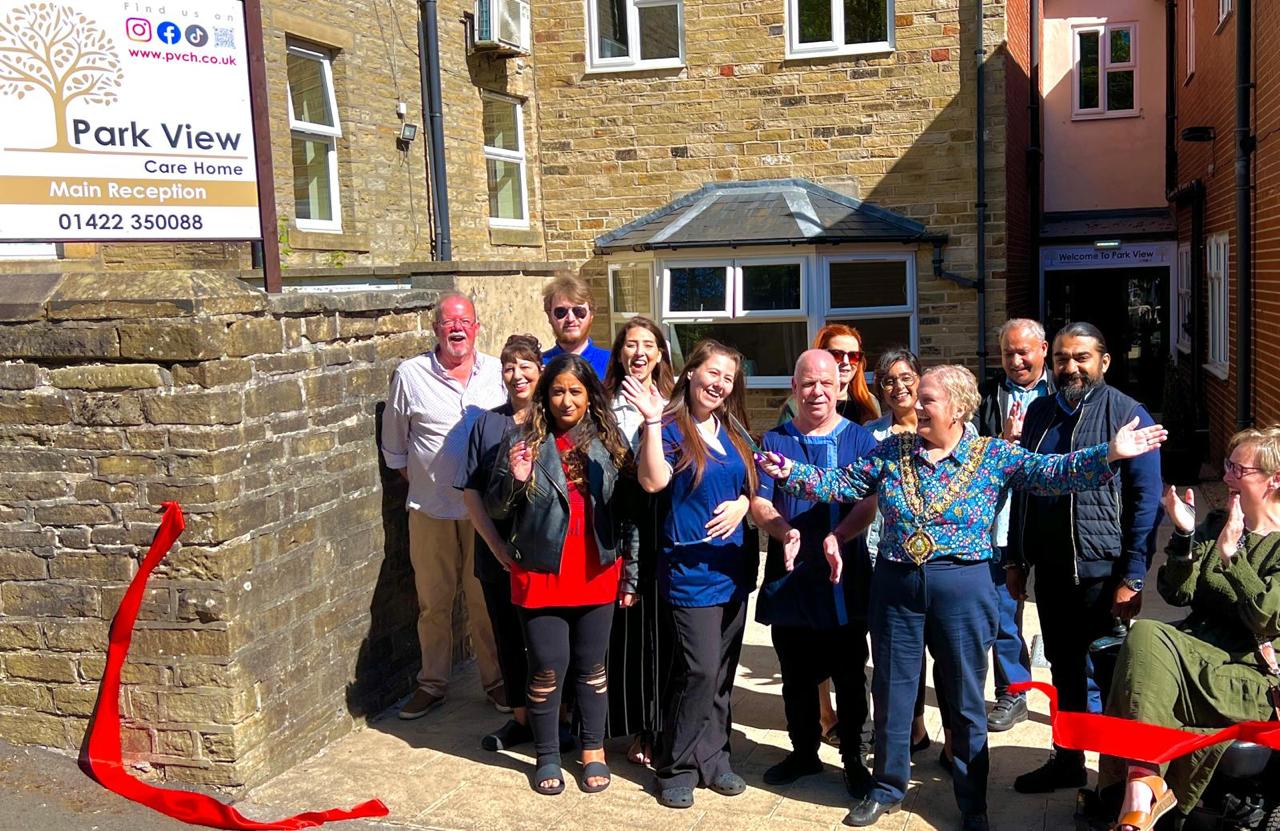
Opening Ceremony Of The Park View Care Home

Lee Mount’s newly developed Park View Care Home proudly celebrated its grand reopening with a special event on 13 May, 2025. After two years of extensive redevelopment, the home has been transformed into a unique, open-plan, activity-based care environment, designed to meet the needs of older adults while creating a vibrant, welcoming space for residents and their families. Park View Care Home, the sister home to Lee Mount Care Home, represents a significant investment in the local community and is set to provide residential, respite, and dementia care services in a modern and compassionate setting. The care home has now welcomed its first residents and care team, setting a new standard in specialist dementia and elderly care. The home features a purpose-built, open-plan layout informed by leading dementia research—encouraging independence, reducing confusion, and fostering meaningful engagement. A skilled and compassionate team delivers 24/7 personalised care, ensuring each resident feels safe, supported, and truly valued. Among the standout facilities are a 10-seater cinema with a 140-inch screen, a vibrant creative studio, an interactive therapy kitchen, and a dedicated sensory relaxation area. Residents can also enjoy the Halifax Legends Sports Bar, a self-serve café, a traditional sweet shop, a library, an indoor exercise area, and a beautifully landscaped sensory garden. A memorable reopening celebration welcomed guests including the Mayor of Calderdale, Danielle Durrans; Howard Priestley of Phoenix FM 96.7; community leaders; and local residents. Attendees enjoyed a warm and lively atmosphere, with speeches, tours of the new facilities, and plenty of opportunities to share in the excitement of this new chapter. The Mayor of Calderdale, Danielle Durrans, shared moving words at the ceremony: “It is a real honour to join you today for the official opening of Park View, a new and much-needed care home here in Ovenden, and the proud sister home to Lee Mount Care Home. This is a moment that holds personal meaning for me. In 2016, my own mother spent a couple of months at Lee Mount. During that time, our family saw first-hand what compassionate, personalised care truly looks like. The staff did not just provide support — they provided warmth, dignity, and genuine kindness. They made my mother feel at home, and for that I remain deeply grateful. That same spirit now lives on here at Park View. This new home is not just a building; it is a promise — a promise to care for our older residents with the respect they deserve, to create a safe and welcoming space where they can thrive, and to support families during times of change. The design, the attention to comfort, and most importantly, the people who will work here reflect a true commitment to excellence and heart. It is clear that Park View is not just about delivering care, but about building a real sense of home and community. So to everyone who helped bring Park View to life — thank you. You are not only changing the care landscape here in Calderdale — you are making a difference in people’s lives every single day. Congratulations, and welcome to Park View.” Councillor Ann Kingston, who also attended, praised the home’s development in her post: “I was invited to the opening of the new Park View Care Home, under the same ownership as Lee Mount Care Home. The facilities are wonderful — including a cinema, library, music room, café kitchen, creative centre, Players Bar, and a tuck shop. The care they provide for their residents is something we are exceptionally proud of locally, and we recognise the impact this has for both residents and their families.” Not all care homes are created equal — this Halifax-based dementia and elderly care home has been carefully designed to offer more: more comfort, more connection, more value, and more joy. We’d love for you to book a visit to look around and see first-hand the warm, welcoming environment we’ve created. Stay tuned for more upcoming events by following our Facebook page! To learn more about Park View Care Home, schedule a tour, or reserve a place, click here or call 01422 369081
    • park view opening ceremony

Choosing Residential Care for Seniors with Parkinson’s-Related Care Needs

As Parkinson’s disease progresses, families often face difficult decisions about long-term care for their loved ones. The right residential care setting can make a significant difference in quality of life, safety, and well-being. But with so many options available—from assisted living to specialist nursing homes—how do you choose the best fit for someone with Parkinson’s-related care needs?

This guide explores the key considerations when selecting residential care in Halifax or across the UK, helping you navigate the process with confidence. Whether you’re researching elderly care homes in Halifax, comparing care homes in Halifax, or exploring specialist options, we’ll break down what truly matters.

Understanding Parkinson’s Disease and Its Care Requirements

Parkinson’s disease is a progressive neurological condition that affects movement, balance, and cognitive function. While symptoms vary widely, common challenges include:

  • Motor symptoms: Tremors, rigidity, slow movement (bradykinesia), and postural instability.
  • Non-motor symptoms: Cognitive decline, mood disorders (depression, anxiety), sleep disturbances, and autonomic dysfunction (e.g., blood pressure fluctuations).
  • Medication management: Complex dosing schedules (e.g., Levodopa) and potential side effects like dyskinesia (involuntary movements).

These factors mean that standard elderly care homes may not always provide the specialised support required. Instead, families should look for residential care homes in Halifax or elsewhere in the UK that offer:

  • Staff trained in Parkinson’s-specific care.
  • Access to physiotherapy, occupational therapy, and speech therapy.
  • Structured routines to align with medication schedules.
  • Adaptive environments (e.g., grab bars, non-slip flooring, adjustable beds).

For example, a care home in Halifax with a dedicated Parkinson’s unit will have staff who understand the nuances of the disease, such as the “wearing-off” phenomenon where medication effectiveness diminishes between doses.

Why Residential Care Becomes Necessary for Parkinson’s Patients

While early-stage Parkinson’s can often be managed at home with support, advanced stages often require 24/7 care. Here’s why residential care becomes essential:

  • Safety risks: Falls are a leading cause of hospitalisation in Parkinson’s patients. A care home with trained staff can reduce these risks through supervision and fall-prevention strategies.
  • Caregiver burnout: Family caregivers often struggle with the physical and emotional demands of Parkinson’s care, leading to exhaustion or resentment. Respite care or long-term residential options can alleviate this burden.
  • Complex needs: As the disease progresses, needs may include PEG feeding, catheter care, or advanced mobility assistance—services best provided in a professional setting.
  • Social isolation: Parkinson’s can lead to withdrawal due to mobility issues or embarrassment over symptoms. Care homes offer social engagement, which is crucial for mental health.

In Halifax, where options like elderly care homes in Halifax range from small residential units to larger nursing homes, families must weigh whether their loved one would thrive in a specialist environment or a more general setting with Parkinson’s-trained staff.

Key Features to Look for in a Parkinson’s-Friendly Care Home

Not all care homes are equal, especially when it comes to neurodegenerative conditions. Here’s what to prioritise when evaluating care homes in Halifax or elsewhere:

1. Specialist Staff Training and Experience

Ask potential homes:

  • Do staff receive Parkinson’s-specific training (e.g., from Parkinson’s UK or the Parkinson’s Disease Society)?
  • How do they handle emergencies like falls, choking, or medication errors?
  • Is there a named nurse or carer responsible for your loved one’s care plan?

For instance, a care home in Halifax that partners with local Parkinson’s support groups may offer better-informed care than a generic facility.

2. Adaptive Living Spaces

Parkinson’s patients benefit from environments designed to minimise hazards and maximise independence. Look for:

  • Mobility aids: Handrails in hallways and bathrooms, non-slip flooring, and wheelchair-accessible spaces.
  • Adaptive furniture: Adjustable beds, recliner chairs, and raised toilet seats to reduce strain.
  • Sensory considerations: Quiet spaces for those with sensory sensitivities, and good lighting to reduce visual disturbances.

Some elderly care homes in Halifax may offer “memory lanes” or sensory gardens, which can be particularly beneficial for Parkinson’s patients with cognitive decline.

3. Therapy and Rehabilitation Services

Parkinson’s care should include:

  • Physiotherapy: To maintain mobility, prevent contractures (stiff joints), and improve balance.
  • Occupational therapy: To adapt daily tasks (e.g., dressing, eating) using assistive devices.
  • Speech and language therapy: For swallowing difficulties (dysphagia) or speech impairments.
  • Exercise classes: Such as LSVT BIG (a Parkinson’s-specific movement therapy) or tai chi for balance.

Check if the home has on-site therapists or partnerships with local clinics. For example, a care home in Halifax might collaborate with a nearby NHS physiotherapy team.

4. Medication Management and Health Monitoring

Parkinson’s medication requires precision. Ensure the home:

  • Has a system for tracking medication times and doses (e.g., electronic medication administration records).
  • Monitors for side effects like hallucinations or dyskinesia.
  • Coordinates with neurologists or Parkinson’s specialists for medication adjustments.

Some homes use apps or digital systems to log symptoms and medication responses, which can be shared with healthcare providers.

5. Social and Cognitive Stimulation

Isolation worsens Parkinson’s symptoms. Look for homes that offer:

  • Structured activities (e.g., music therapy, art classes, or reminiscence sessions).
  • Opportunities for social interaction (e.g., communal dining, group outings).
  • Cognitive stimulation programs for those with dementia or mild cognitive impairment.

A care home in Halifax with a vibrant activity calendar might include Parkinson’s-specific groups, such as dance classes designed for mobility challenges.

Real-World Examples: Parkinson’s Care in Halifax and Beyond

To illustrate how these features play out in practice, let’s explore two contrasting examples of residential care in Halifax:

Example 1: Specialist Parkinson’s Unit at a Halifax Care Home

Home: Parkinson’s Care Haven (a fictional but representative example based on real facilities).

Features:

  • A dedicated unit with staff trained by Parkinson’s UK.
  • LSVT BIG therapy sessions twice weekly.
  • Adaptive dining areas with anti-tremor cutlery and non-slip mats.
  • A “medication concierge” who ensures doses are taken on time, even during outings.
  • Weekly visits from a neurologist for medication reviews.

Outcome: A resident with advanced Parkinson’s maintained independence in dressing and eating for two years longer than expected, thanks to the tailored care.

Example 2: General Elderly Care Home with Parkinson’s Support

Home: Hilltop Residential Home (another fictional example).

Features:

  • Staff trained in basic Parkinson’s care but no specialist unit.
  • Occasional physiotherapy visits from an external provider.
  • Standard dining setup with limited adaptive tools.
  • Medication managed by general care staff.

Outcome: While the resident received adequate care, they experienced more falls and required hospitalisation for a pressure ulcer, highlighting the importance of specialist environments.

These examples underscore why care homes in Halifax with Parkinson’s expertise can make a tangible difference in outcomes.

Practical Tips for Visiting and Evaluating Care Homes

Touring a care home can feel overwhelming, but these steps will help you assess whether it’s the right fit:

1. Observe the Environment

During your visit:

  • Check cleanliness: Are communal areas tidy and well-maintained? Are there unpleasant odours?
  • Assess noise levels: Is the home too loud or too quiet? Parkinson’s patients may need a balance.
  • Look for hazards: Are there loose rugs, poor lighting, or cluttered walkways?
  • Inspect bedrooms: Are they personalised? Is there space for mobility aids?

2. Talk to Staff and Residents

Ask open-ended questions:

  • “How do you handle residents who have difficulty communicating?”
  • “What’s a typical day like for someone with Parkinson’s here?”
  • “How do you manage medication during outings or overnight stays?”
  • “Can I speak to a family of a current resident?”

Pay attention to staff attitudes—do they seem patient, knowledgeable, and genuinely caring?

3. Review Care Plans and Policies

Request to see:

  • A sample care plan for a Parkinson’s resident.
  • The home’s policy on falls prevention and emergency responses.
  • How they handle complaints or incidents (e.g., pressure sores, medication errors).
  • The contract terms (e.g., notice periods, fees for additional services).

4. Consider the Location and Accessibility

For families in Halifax:

  • Is the home close to family and friends for regular visits?
  • Is it accessible via public transport or easy for visitors to reach?
  • Are there outdoor spaces for fresh air and gentle exercise?

5. Trust Your Gut

If something feels off during your visit—whether it’s the atmosphere, the staff, or the food—it’s worth exploring other options. A good elderly care home in Halifax should feel like a safe, welcoming place.

Common Mistakes to Avoid When Choosing Residential Care

Even well-meaning families can make errors that compromise their loved one’s care. Here are the pitfalls to watch for:

1. Prioritising Cost Over Quality

While affordability is important, the cheapest care home in Halifax may not provide the necessary support. Some homes cut corners on staffing, training, or activities, leading to poorer outcomes. Always balance cost with the home’s reputation and services.

2. Overlooking Staff Turnover

High staff turnover can disrupt continuity of care. Ask:

  • “What’s the average length of employment for your carers?”
  • “Do you have a core team that works with Parkinson’s residents?”

A home where staff stay long-term is likely to provide more consistent, personalised care.

3. Ignoring the Small Details

Don’t dismiss seemingly minor issues like:

  • The quality of food (Parkinson’s can affect taste and swallowing).
  • The availability of snacks between meals (important for medication schedules).
  • How the home handles personal care (e.g., dignity in bathing).

4. Failing to Plan for the Future

Parkinson’s is progressive, so the care needs of your loved one will change. Ask:

  • “Can the home accommodate increasing care needs without requiring a move?”
  • “Do you offer palliative or end-of-life care?”

Some residential care homes in Halifax have partnerships with hospices or specialist teams to ensure seamless transitions.

5. Not Involving the Person with Parkinson’s

While safety and care are paramount, it’s also important to consider your loved one’s preferences. For example:

  • Do they prefer a smaller, homely setting or a larger facility with more activities?
  • Would they benefit from a home with a strong spiritual or cultural focus?

Involving them in the decision (as much as possible) can ease the transition.

Frequently Asked Questions About Parkinson’s and Residential Care

Q: How do I know if my loved one needs residential care?

A: Signs may include:

  • Frequent falls or near-misses.
  • Difficulty managing medication or symptoms at home.
  • Caregiver burnout (e.g., exhaustion, depression).
  • Increased confusion or behavioural changes.

Consult a Parkinson’s nurse or occupational therapist for a professional assessment.

Q: Are there Parkinson’s-specific care homes in the UK?

A: While few homes are exclusively for Parkinson’s, many have dedicated units or staff trained in the condition. Examples include:

  • Barchester Healthcare’s Parkinson’s units (across the UK).
  • Hillcroft Park Care Home in Halifax (hypothetical example with Parkinson’s support).
  • Local NHS or charity-run homes with specialist teams.

Always verify the level of specialist care offered.

Q: How much does Parkinson’s care cost in a residential home?

A: Costs vary widely:

  • Standard residential care: £800–£1,500/week in the UK.
  • Nursing care (for advanced needs): £1,200–£2,000/week.
  • Specialist Parkinson’s units: May cost more due to additional services.

Funding options include:

  • Local authority support: If eligible under a needs assessment.
  • NHS Continuing Healthcare: For those with complex needs.
  • Charitable grants: From organisations like the Parkinson’s UK.

Q: Can my loved one still see their neurologist if they move into a care home?

A: Yes, but it requires coordination. Ask the home:

  • “Do you facilitate visits from external healthcare providers?”
  • “Can you arrange transport to neurology appointments?”

Some homes have visiting specialists, while others rely on family to coordinate care.

Q: What should I pack for my loved one when moving into a care home?

A: Essentials include:

  • Medication list and a copy of their care plan.
  • Adaptive clothing (e.g., Velcro fastenings, slip-on shoes).
  • Personal items (e.g., favourite blanket, photos, or a music player).
  • Mobility aids (e.g., walking frame, wheelchair).
  • Contact details for family, GP, and Parkinson’s nurse.

Avoid bringing valuables—most homes have secure storage.

Q: How can I stay involved in my loved one’s care after they move in?

A: Ways to remain engaged:

  • Attend care plan reviews (usually every 3–6 months).
  • Visit at different times (e.g., mealtimes, evenings) to observe care.
  • Join the home’s family council or feedback groups.
  • Communicate regularly with staff via a dedicated contact.

Making the Transition: A Smooth Move into Residential Care

Moving a loved one into a care home in Halifax or elsewhere is a major life change. These steps can help ease the transition:

1. Prepare Emotionally

It’s normal to feel guilt, grief, or relief. Acknowledge these emotions and remind yourself that residential care can enhance your loved one’s quality of life.

2. Involve Your Loved One in the Process

If possible:

  • Tour homes together and let them choose decor for their room.
  • Discuss the benefits of the new environment (e.g., social opportunities).
  • Plan a gradual introduction (e.g., short visits before moving in).

3. Create a Familiar Environment

Personal touches can make the space feel like home:

  • Bring familiar bedding, photos, or artwork.
  • Set up a routine that mirrors their previous schedule.
  • Introduce favourite foods or hobbies (e.g., gardening, puzzles).

4. Build Relationships with Staff

Introduce yourself to key staff members and share insights about your loved one’s preferences, triggers, and routines. For example:

  • “They prefer breakfast at 8 AM sharp.”
  • “They get agitated if rushed during dressing.”

5. Plan Regular Visits

Initially, frequent visits can help your loved one adjust. Over time, you can taper off as they settle in. Consistency is key—try to visit at the same times each week.

6. Monitor and Adjust

After the move:

  • Observe their mood and physical condition.
  • Ask staff for updates on their progress.
  • Be open to adjusting care plans as needs change.

For example, if your loved one struggles with the home’s dining schedule, the staff might adjust meal times to align with their medication.

Conclusion: Finding the Right Care Home in Halifax for Parkinson’s Needs

Choosing residential care for a loved one with Parkinson’s is a deeply personal decision, but it doesn’t have to be overwhelming. By focusing on specialist training, adaptive environments, and a supportive community, you can find a care home in Halifax that meets your loved one’s unique needs.

Start by researching homes with Parkinson’s expertise, touring facilities, and asking the right questions. Remember, the goal is to find a place where your loved one feels safe, respected, and engaged—whether that’s a small elderly care home in Halifax or a larger specialist unit.

As Parkinson’s progresses, their care needs will evolve, so choose a home that can adapt alongside them. With the right support, your loved one can continue to enjoy a fulfilling life, surrounded by professionals who understand their journey.

If you’re feeling unsure, reach out to Parkinson’s UK or your local council for guidance. The right care home is out there—it’s just a matter of finding it.

Residential Care for Elderly Adults with Osteoporosis and Fall Risk

Understanding Residential Care for Elderly Adults with Osteoporosis and Fall Risk

As our loved ones age, their health needs often become more complex, especially when conditions like osteoporosis and an elevated risk of falls enter the picture. Residential care homes have emerged as a vital solution for elderly adults who require not just accommodation but specialized medical and personal support. These facilities are designed to provide a safe, nurturing environment where seniors can live with dignity while receiving the care they need to manage chronic conditions effectively.

For families in Halifax and across the UK, choosing the right residential care setting is a decision that carries significant weight. It’s not merely about finding a place to live—it’s about ensuring access to professional healthcare, fall prevention strategies, and a community that understands the unique challenges of aging with osteoporosis. This guide explores the essential aspects of residential care for elderly adults facing these concerns, offering clarity and direction for families navigating this important transition.

What Is Residential Care for the Elderly?

Residential care, often referred to as a care home or nursing home in the UK, provides 24-hour support and supervision for elderly individuals who can no longer live independently due to physical, cognitive, or health-related limitations. Unlike sheltered housing or assisted living, residential care homes offer a higher level of medical and personal care, including assistance with daily activities such as bathing, dressing, medication management, and mobility support.

In the context of osteoporosis and fall risk, residential care homes are particularly valuable because they are staffed by trained professionals who understand the complexities of bone health, balance issues, and fall prevention. These facilities often include physiotherapists, occupational therapists, and nurses on-site or on-call, ensuring that residents receive timely interventions when needed.

Why Osteoporosis and Fall Risk Demand Specialized Care

Osteoporosis is a silent but progressive condition that weakens bones, making them fragile and more susceptible to fractures—even from minor falls. According to the National Osteoporosis Society, over 3 million people in the UK are affected by osteoporosis, with one in two women and one in five men over the age of 50 experiencing a fracture due to the condition. Falls are the leading cause of injury-related hospital admissions among older adults, and for those with osteoporosis, a fall can lead to life-altering consequences such as hip fractures or spinal compression.

This is where residential care homes play a critical role. Unlike home care, which may be limited in its ability to respond quickly to emergencies or provide round-the-clock monitoring, residential care offers a structured environment where safety protocols are in place. From grab bars in bathrooms to non-slip flooring and regular health assessments, these homes are designed with fall prevention at the forefront.

Key Concepts in Managing Osteoporosis and Fall Risk in Residential Care

The Role of Bone Health Monitoring

In residential care settings, bone health is not an afterthought—it’s a priority. Regular bone density scans (DEXA scans) are often arranged for residents, especially those with a history of fractures or diagnosed osteoporosis. These scans help caregivers and healthcare providers track bone loss over time and adjust treatment plans accordingly. Medications such as bisphosphonates, denosumab, or hormone-related therapies may be administered to slow bone deterioration and reduce fracture risk.

Moreover, nutritional support is integral. Residential care homes typically provide diets rich in calcium and vitamin D, which are essential for bone strength. Staff may also monitor residents for signs of malnutrition or malabsorption, which can exacerbate bone weakness.

Fall Prevention Strategies in Care Homes

Falls in elderly care homes are not inevitable—they are preventable. Effective fall prevention in residential care involves a multi-layered approach:

  • Environmental Modifications: Care homes are designed with safety in mind. This includes well-lit corridors, handrails on both sides of staircases, non-slip flooring, and furniture that supports safe mobility. Bedrooms and bathrooms are equipped with emergency call systems and raised toilet seats to reduce strain.
  • Assistive Devices: Walkers, canes, and wheelchairs are provided based on individual mobility levels. Occupational therapists assess each resident’s needs and recommend appropriate aids to enhance stability.
  • Staff Training: Caregivers receive specialized training in safe transfer techniques, fall risk assessment, and emergency response. They are taught to recognize early signs of balance issues or dizziness, which could indicate an underlying health problem.
  • Exercise and Rehabilitation: Many care homes offer physiotherapy sessions and gentle exercise programs tailored to residents with osteoporosis. These activities aim to improve strength, flexibility, and balance, reducing the likelihood of falls.

The Importance of Personalized Care Plans

No two residents with osteoporosis are the same. A personalized care plan is essential to address individual needs, preferences, and health goals. These plans are developed in collaboration with the resident, their family, and a multidisciplinary team that may include doctors, nurses, physiotherapists, and dietitians. The plan outlines specific interventions such as medication schedules, dietary guidelines, exercise routines, and fall prevention strategies tailored to the resident’s condition and lifestyle.

Real-World Examples: How Residential Care Makes a Difference

Case Study: Mrs. Thompson’s Journey to Stability

Mrs. Thompson, an 82-year-old widow from Halifax, was diagnosed with osteoporosis after a minor fall resulted in a wrist fracture. Her daughter noticed that Mrs. Thompson was becoming increasingly unsteady on her feet and was reluctant to leave her home due to fear of another fall. After a series of falls at home, including one that required hospitalization, her family decided to transition her to a residential care home in Halifax.

Within weeks, Mrs. Thompson’s quality of life improved dramatically. She participated in daily physiotherapy sessions focused on balance and strength training. The care home’s staff ensured she took her calcium and vitamin D supplements and monitored her bone density through regular scans. They also adjusted her living space to include a walk-in shower with grab bars and a raised bed to make transfers easier. Six months later, Mrs. Thompson had not experienced any further falls, and her confidence in mobility had significantly increased.

Institutional Success: The Halifax Care Home Model

Several residential care homes in Halifax have gained recognition for their proactive approach to osteoporosis and fall management. For example, Hillcrest Care Home in Halifax has implemented a Falls Prevention Program that includes weekly balance classes, monthly health workshops on bone health, and a 24/7 on-call nursing team. Their data shows a 40% reduction in fall-related injuries among residents with osteoporosis over a two-year period.

Similarly, St. Anne’s Residential Home has integrated technology into their fall prevention strategy by using wearable sensors that alert staff when a resident gets out of bed at night. This early intervention has prevented numerous nighttime falls, which are particularly common among elderly individuals with osteoporosis.

Practical Tips for Families Choosing Residential Care in Halifax or the UK

Evaluate the Home’s Fall Prevention Protocols

Not all care homes are created equal when it comes to fall prevention. During your visit, ask specific questions:

  • What fall prevention programs are in place?
  • How often are residents assessed for fall risk?
  • Are there dedicated physiotherapy or exercise programs for residents with osteoporosis?
  • What assistive devices are available, and how are they maintained?
  • How does the staff respond to a fall or near-fall incident?

Look for homes that have clear policies and a track record of safety. Request to see incident reports (redacted for privacy) to understand how falls are managed and prevented.

Assess the Nutritional Support Offered

Bone health is closely tied to diet. Ensure the care home provides:

  • A menu rich in calcium (dairy, leafy greens, fortified foods)
  • Vitamin D sources (oily fish, egg yolks, fortified cereals) or supplements if necessary
  • Regular hydration programs to prevent dehydration, which can increase fall risk
  • Staff who monitor residents’ food intake and address any dietary restrictions or allergies

Consider the Level of Medical Oversight

Residents with osteoporosis often require ongoing medical management. Check whether the care home has:

  • On-site nursing staff or regular visits from a geriatrician
  • Partnerships with local hospitals or clinics for specialized care
  • A system for tracking medication adherence and side effects
  • Access to emergency care and rapid response teams

Visit at Different Times of Day

Seeing the care home during meal times, evenings, and weekends can give you a better sense of the environment. Observe how staff interact with residents, whether corridors are well-lit, and if there are enough caregivers on duty to respond promptly to needs.

Common Mistakes to Avoid When Selecting Residential Care

Assuming All Care Homes Are the Same

Some families make the mistake of choosing a care home based solely on cost or location without considering the specific needs of their loved one. Osteoporosis and fall risk require specialized care that may not be available in every facility. Always prioritize homes with experience in managing these conditions.

Overlooking Staff Training and Turnover

A high turnover rate among caregivers can disrupt continuity of care and reduce the quality of support. Ask about staff retention rates and training programs. Well-trained staff are more likely to recognize early signs of balance issues or medication side effects that could lead to falls.

Ignoring the Social and Emotional Environment

While medical care is crucial, the emotional well-being of residents also impacts their physical health. A care home that fosters social engagement through activities, outings, and community events can improve mood and motivation, which in turn supports better mobility and adherence to health routines.

Delaying the Transition Too Long

Some families wait until a crisis occurs before considering residential care. By then, the resident may be in a weakened state, making the transition more difficult. Early planning allows for a smoother adjustment and better long-term outcomes.

Frequently Asked Questions About Residential Care for Elderly Adults with Osteoporosis

Is residential care the only option for someone with osteoporosis and fall risk?

Not necessarily. Some individuals may benefit from assisted living or sheltered housing with on-site care, while others may require the higher level of support provided in a nursing home. The best option depends on the severity of the condition, the individual’s mobility, and their need for medical supervision.

How much does residential care cost in Halifax or the UK?

Costs vary widely depending on the level of care required. In the UK, residential care typically ranges from £800 to £1,500 per week, while nursing care (for those with more complex medical needs) can exceed £1,500 per week. Some homes offer all-inclusive pricing, while others charge extra for therapies or specialized services. It’s important to clarify what is included in the fees.

Can residents with osteoporosis still enjoy activities and independence?

Absolutely. Many care homes encourage residents to participate in adapted activities such as chair yoga, gentle dancing, or gardening. The goal is to maintain as much independence as safely possible while providing support where needed.

What happens if a resident falls in a care home?

Care homes have protocols in place to respond to falls. Staff are trained to assess the situation, provide first aid, and contact emergency services if necessary. After a fall, the resident’s care plan is reviewed to identify any changes needed to prevent future incidents.

Are there alternatives to traditional residential care?

Yes. Some families opt for live-in care, where a caregiver lives in the home with the elderly individual, providing round-the-clock support. Others explore retirement villages with on-site care facilities. Each option has its pros and cons, and the best choice depends on the individual’s needs and preferences.

Conclusion: Making an Informed Decision for Long-Term Well-Being

Choosing residential care for an elderly loved one with osteoporosis and fall risk is a significant decision, but it doesn’t have to be overwhelming. By understanding the specialized care required, evaluating care homes with a critical eye, and planning ahead, families can find a setting that not only meets medical needs but also enhances quality of life.

Residential care homes in Halifax and across the UK are increasingly equipped to handle the unique challenges posed by osteoporosis and fall risk. From personalized care plans and fall prevention programs to nutritional support and social engagement, these facilities offer a holistic approach to aging with dignity and safety.

For families in Halifax, exploring local options like Hillcrest Care Home or St. Anne’s Residential Home can provide peace of mind, knowing that their loved one is in a supportive, secure environment. Ultimately, the goal is to ensure that elderly adults with osteoporosis can live their later years with confidence, comfort, and the highest possible quality of life.

If you’re beginning this journey, take your time, ask the right questions, and prioritize a home that aligns with your loved one’s needs. With the right care, osteoporosis and fall risk don’t have to define their future—they can be managed, allowing for a fulfilling and active life in their golden years.

How Residential Care Helps Seniors with Reduced Mobility Stay Safe

Understanding Residential Care for Seniors with Reduced Mobility

As we age, maintaining independence while ensuring safety becomes a delicate balance. For seniors with reduced mobility—whether due to arthritis, Parkinson’s disease, stroke recovery, or general frailty—this balance can tip dangerously without the right support. Residential care, often misunderstood as a last resort, is actually a proactive solution that enhances quality of life, prevents accidents, and fosters community. In cities like Halifax, where the senior population is growing rapidly, residential care homes have evolved into vibrant, supportive environments designed specifically for those who need assistance with daily activities.

This article explores how residential care helps seniors with reduced mobility stay safe, why it matters more than ever in today’s aging society, and what families should look for when choosing the right care home in Halifax. Whether you’re a caregiver, a concerned family member, or a senior planning ahead, understanding the benefits of residential care can empower better decision-making and peace of mind.

What Is Residential Care and Who Needs It?

Residential care, often referred to as assisted living or long-term care, provides 24-hour support in a home-like setting. Unlike nursing homes, which focus on medical care, residential care homes prioritize daily living assistance while promoting independence and social engagement. These facilities are ideal for seniors who can no longer safely manage at home but do not require intensive medical intervention.

Seniors with reduced mobility—those who struggle with walking, standing, or transferring between surfaces—are among the primary residents in these homes. Conditions like osteoarthritis, spinal stenosis, multiple sclerosis, or post-surgical recovery often lead to limited mobility. Residential care homes are equipped to assist with:

  • Mobility support (walkers, wheelchairs, transfers)
  • Personal care (bathing, dressing, toileting)
  • Medication management
  • Nutritious meal preparation
  • Social activities and mental stimulation

In Halifax, residential care homes like Ocean View Residential Care Home and Harbourview Manor are specifically designed to accommodate seniors with varying levels of mobility, offering both private and shared rooms, accessible bathrooms, and trained staff available around the clock.

Why Residential Care Matters for Seniors with Limited Mobility

Falls are the leading cause of injury among seniors, and those with reduced mobility are at even higher risk. According to the Public Health Agency of Canada, one in three seniors experiences a fall each year, with 20% of those falls resulting in serious injury. Residential care homes significantly reduce these risks by providing:

  • Controlled environments: Floors are non-slip, hallways are wide, and grab bars are strategically placed.
  • Trained assistance: Staff are certified in safe transfer techniques and fall prevention.
  • Emergency response: Medical staff and emergency protocols are always on-site.

Beyond safety, residential care also addresses the emotional and social toll of isolation. Many seniors with mobility challenges become homebound, leading to depression and cognitive decline. Care homes in Halifax offer structured social programs, outings, and communal dining, which have been shown to improve mental health and longevity.

Moreover, family caregivers often face burnout when managing a loved one’s care alone. Residential care provides relief, ensuring that seniors receive consistent, professional support while allowing families to focus on emotional connection rather than physical strain.

Key Concepts in Residential Care for Mobility Support

Accessibility and Adaptive Design

Modern residential care homes are built with accessibility at their core. Features include:

  • Wheelchair-accessible pathways: Ramps, elevators, and automatic doors eliminate barriers.
  • Bathroom safety: Walk-in showers with seats, raised toilets, and non-slip flooring.
  • Bedroom proximity: Rooms are located near dining areas and activity spaces to minimize travel.

In Halifax, many care homes have undergone renovations to meet accessibility standards set by the Canadian Standards Association (CSA), ensuring compliance with provincial regulations.

Personalized Care Plans

No two seniors have the same mobility challenges. A high-quality residential care home develops an individualized care plan based on a resident’s abilities and needs. This plan may include:

  • Physical therapy sessions
  • Occupational therapy for adaptive tools (e.g., dressing aids)
  • Regular mobility assessments
  • Assistance with physiotherapy exercises

For example, a senior recovering from a hip replacement may receive targeted therapy to regain strength, while someone with progressive Parkinson’s might focus on maintaining balance and coordination.

Staff Training and Fall Prevention

Staff in residential care homes undergo rigorous training in fall prevention, safe lifting techniques, and emergency response. Many are certified in programs like Safe Patient Handling or Gentle Persuasive Approaches (GPA), which teach de-escalation and safe mobility assistance.

Common techniques include:

  • Using gait belts for safe transfers
  • Encouraging the use of assistive devices
  • Monitoring residents during high-risk times (e.g., after meals or at night)

Real-World Examples: How Residential Care Works in Halifax

Halifax is home to several award-winning residential care homes that specialize in supporting seniors with reduced mobility. One standout is Maplewood Manor, which has been recognized for its innovative mobility programs.

At Maplewood Manor, residents participate in daily “mobility circles,” where they practice gentle exercises under the guidance of physiotherapists. These sessions not only improve strength and flexibility but also build confidence. The home also offers a “Walking Club,” where residents use walkers or canes to stroll through the facility’s accessible gardens, fostering both physical and social benefits.

Another example is Seaside Haven Residential Care, which integrates technology to enhance safety. Residents wear discreet sensors that alert staff if someone attempts to stand unassisted or if a fall is detected. This system has reduced fall-related hospitalizations by 40% since its implementation.

These real-world models demonstrate how residential care in Halifax goes beyond basic assistance—it creates environments where seniors can thrive despite mobility limitations.

Practical Tips for Choosing the Right Residential Care Home in Halifax

Selecting a care home is a deeply personal decision, but these practical tips can help narrow down the options:

Evaluate Accessibility Features

Visit the home and assess:

  • Are doorways at least 32 inches wide?
  • Are there handrails in hallways and bathrooms?
  • Is the dining area on the same floor as bedrooms?
  • Are there elevators if the home has multiple floors?

Ask about recent renovations or plans to upgrade accessibility.

Observe Staff Interactions

Watch how staff assist residents. Do they:

  • Use proper techniques when helping someone stand or walk?
  • Respond promptly to requests for help?
  • Engage residents with kindness and respect?

A high staff-to-resident ratio (ideally 1:5 or better) ensures personalized attention.

Review Activity and Therapy Programs

Ask about:

  • Daily exercise classes (chair yoga, tai chi, or walking groups)
  • Occupational therapy for adaptive living skills
  • Social outings (museums, concerts, or local parks)

A well-rounded program prevents physical decline and boosts morale.

Check Safety Protocols

Inquire about:

  • Emergency call systems in each room
  • Nighttime staffing levels
  • Falls incident reports and prevention strategies
  • Staff training in first aid and mobility assistance

Reputable homes will provide transparent data on safety records.

Consider Location and Community

Proximity to family is important, but so is the home’s atmosphere. Does it feel warm and welcoming? Are residents engaged in activities? A tour during meal or activity time can reveal a lot about daily life.

Common Mistakes Families Make When Choosing Residential Care

Even well-intentioned families can make missteps when selecting a care home. Avoid these common pitfalls:

Prioritizing Cost Over Quality

While affordability is important, choosing the cheapest option can lead to inadequate care. Some homes cut corners on staffing or accessibility features. Always balance cost with the quality of services provided.

Ignoring the Fine Print

Read contracts carefully. Look for hidden fees, cancellation policies, and what’s included in the base price. Some homes charge extra for physiotherapy or outings.

Overlooking Staff Turnover

High staff turnover can indicate poor management or burnout. Ask how long the average caregiver has been employed. Long-term staff often build stronger relationships with residents.

Assuming All Homes Are the Same

Residential care homes vary widely in their approach. Some focus on medical care, while others emphasize lifestyle and social engagement. Choose one that aligns with your loved one’s personality and needs.

Delaying the Decision Too Long

Waiting until a crisis occurs (e.g., a fall or hospitalization) limits options. Start researching early to find a home that feels like a good fit before an urgent need arises.

Frequently Asked Questions About Residential Care for Seniors with Reduced Mobility

Is residential care the same as a nursing home?

No. Residential care homes provide assistance with daily living but do not offer the same level of medical care as nursing homes. They are ideal for seniors who are mostly independent but need support with mobility and personal care.

How much does residential care cost in Halifax?

Costs vary depending on the level of care and amenities. In Halifax, monthly fees typically range from $3,500 to $6,500. Some homes offer subsidies or government assistance programs for eligible seniors.

Can seniors bring their own mobility aids?

Yes. Most care homes encourage residents to use their own walkers, wheelchairs, or canes. Staff are trained to assist with these devices safely.

What happens if a resident’s mobility declines further?

Reputable care homes have protocols for reassessing care needs. If a resident’s condition worsens, the home may recommend additional services, such as physiotherapy or a transition to a nursing home if necessary.

Are pets allowed in residential care homes?

Some homes allow pets, but policies vary. If your loved one has a pet, ask about size restrictions, vaccination requirements, and whether staff can assist with pet care.

How do I know if my loved one is ready for residential care?

Signs include frequent falls, difficulty managing medications, social withdrawal, or caregiver burnout. A healthcare professional can assess whether residential care is appropriate.

Conclusion: A Safer, More Fulfilling Life Awaits

Residential care is not a surrender of independence—it’s a pathway to regaining it safely. For seniors with reduced mobility, these homes provide the structure, support, and community needed to live with dignity and joy. In Halifax, where options like Ocean View Residential Care Home and Seaside Haven lead the way in accessibility and personalized care, families can find peace of mind knowing their loved ones are in capable hands.

The decision to move into residential care is never easy, but it’s often the most loving choice for both seniors and their families. By focusing on accessibility, staff expertise, and community engagement, these homes transform challenges into opportunities—for safety, connection, and a renewed sense of purpose.

If you’re exploring options for a senior with reduced mobility, start your search early, ask the right questions, and prioritize homes that feel like home. Because at the end of the day, the goal isn’t just to keep seniors safe—it’s to help them thrive.

Residential Care for Seniors with Daily Medication and Monitoring Needs

Residential Care for Seniors with Daily Medication and Monitoring Needs

Residential Care for Seniors with Daily Medication and Monitoring Needs is an important and evolving topic that influences many aspects of modern life.

Introduction

This article provides a complete overview of Residential Care for Seniors with Daily Medication and Monitoring Needs.

What is Residential Care for Seniors with Daily Medication and Monitoring Needs?

Residential Care for Seniors with Daily Medication and Monitoring Needs refers to a concept focused on innovation and improvement.

Why is it Important?

The importance of Residential Care for Seniors with Daily Medication and Monitoring Needs lies in its ability to improve outcomes.

Key Concepts

  • Understanding fundamentals
  • Applying best practices
  • Continuous improvement

Conclusion

Residential Care for Seniors with Daily Medication and Monitoring Needs offers numerous benefits when applied correctly.

24-Hour Residential Care for Seniors with Severe Mobility Limitations

As our loved ones age, their care needs often become more complex—especially when severe mobility limitations enter the picture. Conditions like advanced Parkinson’s disease, late-stage multiple sclerosis, or post-stroke paralysis can make independent living not just difficult, but unsafe. In such cases, 24-hour residential care isn’t just an option—it’s a lifeline.

For families in Halifax and surrounding areas, finding a care home in Halifax that offers round-the-clock support tailored to high mobility needs can feel overwhelming. But with the right knowledge and resources, you can make an informed decision that prioritizes safety, dignity, and quality of life for your loved one.

In this comprehensive guide, we’ll explore what 24-hour residential care truly entails, why it matters for seniors with limited mobility, and how to choose the best residential care home in Halifax. We’ll also share practical tips, common pitfalls to avoid, and real-world insights to help you navigate this important journey with confidence.

Understanding 24-Hour Residential Care for Seniors with Severe Mobility Limitations

What Does 24-Hour Residential Care Actually Mean?

24-hour residential care refers to a specialized form of long-term care provided in a home-like setting where trained staff are available around the clock to assist with all daily activities. Unlike nursing homes or hospitals, these care homes in Halifax are designed to feel like a residence—not a clinical environment—while offering intensive support.

For seniors with severe mobility limitations, this means assistance isn’t just intermittent. It’s continuous: from waking up in the morning to repositioning in bed at night, every movement and need is supported. This level of care is essential when conditions like advanced arthritis, spinal cord injuries, or neurodegenerative diseases make even simple tasks—like turning over in bed or transferring from a wheelchair—impossible without help.

Who Needs This Level of Support?

While aging often brings some degree of reduced mobility, 24-hour care becomes necessary when:

  • Total dependence on caregivers is required for activities of daily living (ADLs), such as bathing, dressing, eating, and toileting.
  • Risk of complications from immobility—like pressure ulcers, contractures, or respiratory infections—is high without constant monitoring.
  • Cognitive decline (e.g., dementia) coexists with physical limitations, making it unsafe for the individual to be alone.
  • Frequent medical needs arise, such as managing feeding tubes, oxygen therapy, or complex medication schedules.

Conditions commonly requiring this level of care include advanced ALS, end-stage Parkinson’s, severe stroke with paralysis, or late-stage multiple sclerosis. In Halifax, where access to specialized healthcare can be limited in remote areas, a residential care home in Halifax with trained staff becomes even more critical.

Why 24-Hour Residential Care Matters More Than You Think

The Hidden Risks of Inadequate Care at Home

Many families initially try to care for their loved ones at home, often hiring private caregivers or relying on family members. While this is a noble effort, it carries significant risks when mobility is severely limited:

  • Injury to caregivers: Lifting a fully dependent adult without proper training or equipment (like Hoyer lifts) can lead to back injuries for family members.
  • Caregiver burnout: The emotional and physical toll of 24/7 care often leads to exhaustion, depression, or resentment—impacting both caregiver and care recipient.
  • Medical emergencies: Falls, choking, or sudden changes in condition can go unnoticed if no one is present to respond immediately.
  • Social isolation: Seniors with limited mobility are at high risk of loneliness, which can worsen cognitive decline and emotional health.

The Benefits of a Dedicated Care Home Environment

A well-run care home in Halifax provides more than just physical assistance—it offers a structured, safe, and enriching environment where seniors can thrive. Key advantages include:

  • Specialized equipment: Adjustable beds, pressure-relieving mattresses, ceiling lifts, and wheelchair-accessible bathrooms reduce injury risk.
  • Trained staff: Caregivers are certified in mobility assistance, fall prevention, and emergency response, ensuring professional handling of complex needs.
  • Social engagement: Group activities, music therapy, and communal dining prevent isolation and improve mental well-being.
  • Medical oversight: On-site nurses or partnerships with local healthcare providers ensure medications, therapies, and health monitoring are consistent.

In Halifax, where winters can be harsh and mobility becomes even more challenging due to ice and snow, a residential care home in Halifax offers stability and safety year-round.

Key Concepts in 24-Hour Residential Care for High-Mobility Seniors

Person-Centered Care Planning

Every resident in a quality care home in Halifax should have an individualized care plan developed in collaboration with family, healthcare providers, and the care team. This plan isn’t static—it evolves as needs change. For someone with severe mobility limitations, the plan should include:

  • Daily movement schedules: Regular repositioning to prevent pressure sores, passive range-of-motion exercises, and safe transfer techniques.
  • Pain and comfort management: Monitoring for discomfort, adjusting seating positions, and using supportive cushions or braces.
  • Nutrition and hydration: Ensuring meals are easy to swallow (if needed), properly textured, and timed to prevent dehydration or malnutrition.

The Role of Assistive Technology

Modern residential care homes in Halifax leverage assistive devices to enhance independence and safety. These may include:

  • Smart beds with pressure sensors that alert staff when a resident hasn’t moved in a while.
  • Voice-activated systems to control lights, call bells, or entertainment without physical effort.
  • Wheelchair-accessible environments with ramps, wide doorways, and automatic doors.
  • Emergency call systems worn as pendants or wristbands, connected to staff stations for instant response.

Understanding Levels of Care Within 24-Hour Support

Not all 24-hour care is the same. In Halifax, care homes may offer different tiers of service:

  • Personal care only: Assistance with ADLs but no medical tasks (e.g., no medication administration).
  • Nursing care: Includes medication management, wound care, and monitoring of chronic conditions.
  • Palliative or end-of-life care: Focused on comfort, pain management, and emotional support for those with terminal illnesses.

It’s essential to match the care level to the resident’s needs—overpaying for nursing care when personal care suffices, or under-resourcing when medical oversight is required.

Real-World Examples: How 24-Hour Care Transforms Lives

Case Study 1: Regaining Dignity After a Stroke

Margaret, 78, suffered a severe stroke that left her with right-side paralysis. Initially cared for at home by her daughter, she developed a pressure ulcer on her hip due to infrequent repositioning. After a fall while trying to transfer to the bathroom, her family moved her to a residential care home in Halifax.

Within weeks, the care team implemented a strict repositioning schedule every two hours, used a specialized air mattress, and introduced gentle physiotherapy. Margaret’s ulcer healed, her mood improved, and she began participating in seated chair yoga. Her daughter, now able to visit without the constant stress of caregiving, reported feeling “like a daughter again, not a nurse.”

Case Study 2: Managing Advanced ALS with Compassion

John, 65, was diagnosed with ALS at 60. By age 64, he could no longer speak, walk, or feed himself. His wife, his primary caregiver, was exhausted and overwhelmed. They chose a care home in Halifax with experience in neurodegenerative diseases.

The care team used eye-gaze communication technology to help John express needs, provided mechanical ventilation support, and ensured his favorite music played daily. His wife visited weekly and found comfort in knowing he was safe, respected, and engaged. The home also offered respite care, allowing her to recharge.

Case Study 3: Preventing Hospitalization Through Proactive Care

Ethel, 82, had advanced Parkinson’s and frequent “freezing” episodes that caused falls. Her family hesitated to place her in a residential care home in Halifax, fearing she’d lose independence. But after a hip fracture from a fall, they reconsidered.

The new care home used gait belts, walkers with forearm supports, and trained staff in Parkinson’s-specific movement techniques. Ethel’s falls decreased by 80%, and she regained confidence in her mobility. She even joined a weekly dance class adapted for wheelchair users.

Practical Tips for Choosing the Right 24-Hour Residential Care Home in Halifax

Start with a Needs Assessment

Before touring homes, create a detailed list of your loved one’s needs. Include:

  • Mobility level: Can they sit upright? Transfer with assistance? Use a wheelchair?
  • Medical requirements: Medications, therapies, oxygen, feeding tubes?
  • Daily routines: Preferred meal times, sleep patterns, hobbies?
  • Behavioral needs: Wandering, aggression, or anxiety triggers?

This assessment will help you evaluate whether a care home in Halifax can truly meet their needs.

Tour with a Critical Eye

During your visit, observe more than just the decor. Ask yourself:

  • Is the environment safe? Are floors non-slip? Are hallways well-lit? Are beds and chairs adjustable?
  • Are staff attentive? Do they greet residents by name? Do they respond promptly to call bells?
  • Is the food appealing and appropriate? Can they accommodate dietary restrictions or swallowing difficulties?
  • What’s the staff-to-resident ratio? For 24-hour care, you want at least 1 caregiver per 3–4 residents during the day, and 1:5 at night.

Ask the Right Questions

Prepare a list of questions for the home’s director or nurse:

  • “How do you handle emergencies, like a fall or choking?”
  • “What’s your policy on restraints or medications for behavioral issues?”
  • “Can you accommodate [specific medical device]?”
  • “How do you involve families in care planning?”
  • “What’s the process if my loved one’s needs increase?”

Check Licensing and Reviews

In Nova Scotia, all residential care homes must be licensed by the Department of Seniors and Long-Term Care. Verify their status on the government website. Also, read online reviews on platforms like Google, Facebook, and senior care directories. Look for patterns—consistent complaints about staffing or cleanliness are red flags.

Plan a Trial Stay

Many care homes in Halifax offer short-term respite stays. This is the best way to see if the environment feels right. Observe how your loved one responds—do they seem comfortable? Do staff remember their preferences? A trial stay can prevent costly mistakes.

Common Mistakes Families Make When Choosing 24-Hour Care

Mistake 1: Prioritizing Cost Over Quality

It’s tempting to choose the cheapest residential care home in Halifax, especially when long-term care is expensive. But low-cost homes often have high staff turnover, fewer trained caregivers, and outdated equipment. Remember: You’re not just paying for a room—you’re paying for safety, dignity, and peace of mind.

Mistake 2: Ignoring the Emotional Environment

A care home can be clinically perfect but emotionally cold. Seniors with limited mobility are vulnerable to depression and anxiety. A home with warm interactions, personalized touches (like family photos in rooms), and activities that align with your loved one’s interests fosters happiness and engagement.

Mistake 3: Overlooking Staff Training

Not all caregivers are trained to handle severe mobility limitations. Ask specifically about:

  • Certifications in mobility assistance (e.g., Safe Patient Handling).
  • Experience with conditions like ALS, Parkinson’s, or spinal cord injuries.
  • Training in dementia care (if applicable).

A home that invests in staff education is more likely to provide high-quality care.

Mistake 4: Delaying the Move Too Long

Some families wait until a crisis (like a fall or hospitalization) forces a decision. By then, options may be limited, and the transition can be traumatic. If your loved one’s needs are escalating, start researching care homes in Halifax early—even if you’re not ready to move yet.

Mistake 5: Not Visiting at Different Times

A home may seem perfect during a daytime tour but understaffed at night or on weekends. Visit unannounced during evenings or weekends to see how the home operates when fewer people are around.

Frequently Asked Questions About 24-Hour Residential Care in Halifax

How much does 24-hour residential care cost in Halifax?

Costs vary widely depending on the level of care and the home’s amenities. In Halifax, expect to pay between $5,000 and $10,000 per month for 24-hour care. Some homes offer all-inclusive pricing, while others charge extra for therapies or specialized services. Always ask for a detailed breakdown.

Is there financial assistance available?

Yes. In Nova Scotia, seniors may qualify for:

  • Nova Scotia Seniors’ Pharmacare (for medication costs).
  • Disability Support Program (for those under 65 with disabilities).
  • Home Care subsidies (though these typically don’t cover full 24-hour care).

Additionally, some care homes in Halifax offer private subsidies or payment plans. Consult a financial advisor or the home’s director for guidance.

Can my loved one keep their own doctor?

Most residential care homes in Halifax have partnerships with local physicians or nurse practitioners who visit regularly. However, some seniors prefer to keep their existing doctor. Check if the home allows external doctors to visit or if they provide on-site medical oversight.

What happens if my loved one’s needs change?

A good care home in Halifax will reassess needs regularly and adjust the care plan accordingly. If their mobility declines further, the home should either increase support or help transition them to a higher-level care facility (like a nursing home or palliative care unit). Always ask about their policy on care escalation.

How do I prepare my loved one for the move?

Transitioning to a residential care home can be emotionally challenging. Tips to ease the process:

  • Involve them in the decision-making process as much as possible.
  • Bring familiar items (photos, blankets, favorite mugs) to make their room feel like home.
  • Visit the home together before the move to build familiarity.
  • Keep routines consistent (e.g., same meal times, bedtime rituals).
  • Encourage family visits in the early days to provide comfort.

Conclusion: Making the Right Choice for Your Loved One

Choosing a 24-hour residential care home in Halifax for a senior with severe mobility limitations is one of the most important decisions a family can make. It’s not just about finding a place to live—it’s about ensuring safety, preserving dignity, and enhancing quality of life during a challenging phase of aging.

Start by understanding your loved one’s needs deeply, touring homes with a critical eye, and asking tough questions. Remember that the best care homes in Halifax aren’t just clean and safe—they’re warm, responsive, and person-centered. They treat residents not as patients, but as individuals with rich histories and ongoing potential.

If you’re feeling overwhelmed, you’re not alone. Reach out to local senior care advisors, support groups, or healthcare professionals for guidance. And most importantly, trust your instincts. When you find a home where your loved one smiles, feels safe, and is truly cared for, you’ll know you’ve made the right choice.

Halifax offers several excellent options for 24-hour residential care, from boutique homes with personalized service to larger facilities with specialized programs. Take your time, do your research, and prioritize what matters most: a life lived with respect, comfort, and joy—even when mobility is limited.

Residential Care for Seniors Recovering After a Stroke

Residential Care for Seniors Recovering After a Stroke

Stroke recovery is a journey that demands patience, specialized care, and a supportive environment. For many seniors, returning home immediately after a stroke isn’t always the safest or most effective path to rehabilitation. This is where residential care—particularly in dedicated elderly care homes—plays a crucial role. In cities like Halifax, residential care facilities offer structured, medically supervised programs tailored to stroke survivors’ unique needs.

In this comprehensive guide, we’ll explore what residential care for stroke recovery entails, why it matters, and how to choose the right care home in Halifax or across the UK. Whether you’re a family member seeking support or a senior planning ahead, understanding this option can make a significant difference in recovery outcomes.


Understanding Stroke Recovery and the Role of Residential Care

Stroke occurs when blood flow to the brain is interrupted, either by a blockage (ischemic stroke) or bleeding (hemorrhagic stroke). The resulting brain injury can affect movement, speech, cognition, and daily functioning. Recovery is highly individual, often involving physical therapy, occupational therapy, speech therapy, and medication management.

While some seniors recover well at home with outpatient therapy, others face challenges such as:

  • Severe mobility limitations requiring 24/7 assistance
  • Cognitive impairments affecting memory or decision-making
  • Risk of falls or secondary complications like infections
  • Loneliness or lack of motivation without structured support
  • Caregiver burnout when family members are unprepared for complex needs

This is where residential care homes step in. Unlike nursing homes that focus on long-term care, residential care facilities for stroke recovery are designed as transitional or rehabilitative environments. They provide:

  • Round-the-clock nursing and personal care
  • Access to physiotherapists, speech therapists, and occupational therapists
  • Structured rehabilitation programs tailored to stroke outcomes
  • A safe, supportive community with peers undergoing similar recovery
  • Nutrition plans and medication management overseen by healthcare professionals

In Halifax, residential care homes like Briarwood Care Home or Oaklands Residential Care have developed specialized stroke recovery programs, integrating clinical expertise with homely comforts.


Why Residential Care Matters After a Stroke

Stroke recovery isn’t just about physical healing—it’s about rebuilding confidence, independence, and quality of life. Residential care homes offer several advantages over home-based recovery:

1. Medical Supervision and Rapid Response

Stroke survivors are at higher risk of complications such as:

  • Deep vein thrombosis (DVT)
  • Pressure ulcers from immobility
  • Urinary tract infections
  • Depression or anxiety

In a residential care setting, trained nurses monitor vital signs, administer medications, and respond immediately to changes in health. This reduces hospital readmissions and ensures continuity of care.

2. Access to Multidisciplinary Rehabilitation Teams

Effective stroke recovery often requires a team approach. Residential care homes in Halifax typically employ:

  • Physiotherapists: To improve mobility, balance, and strength
  • Occupational Therapists: To help regain independence in daily tasks like dressing or cooking
  • Speech and Language Therapists: For those with aphasia or swallowing difficulties
  • Neuropsychologists: To support cognitive and emotional recovery

This integrated care model ensures therapies are coordinated and aligned with the senior’s evolving needs.

3. Social Engagement and Mental Wellbeing

Isolation is a major barrier to recovery. Residential care homes foster social connection through group activities, communal dining, and peer support. Activities like chair yoga, art therapy, or music sessions can boost mood and motivation—critical for neurological healing.

4. Safe Environment for Fall Prevention

Up to 70% of stroke survivors experience falls within the first year. Residential care homes are designed with safety in mind:

  • Wheelchair-accessible bathrooms with grab bars
  • Non-slip flooring and handrails throughout
  • 24/7 supervision and emergency call systems
  • Adapted furniture and assistive devices

5. Respite for Family Caregivers

Family members often take on caregiving roles without adequate training or support. Residential care provides temporary or long-term relief, allowing caregivers to rest, work, or attend to their own health while knowing their loved one is in expert hands.


Key Concepts in Stroke Recovery Within Residential Care

Neuroplasticity: The Brain’s Ability to Reorganize

After a stroke, the brain can form new neural connections—a process called neuroplasticity. Residential care homes leverage this by providing repetitive, task-specific exercises that stimulate recovery. For example, a physiotherapist may guide a stroke survivor through step-by-step walking drills to rebuild motor pathways.

Functional Independence Measure (FIM)

Many care homes use the FIM scale to assess a resident’s progress across 18 areas, including self-care, mobility, and communication. This data-driven approach helps tailor rehabilitation plans and measure outcomes over time.

Assistive Technologies

Modern residential care homes integrate assistive devices such as:

  • Robotic exoskeletons for gait training
  • Virtual reality systems for cognitive and motor rehabilitation
  • Smart pill dispensers to prevent medication errors
  • Electronic health records for seamless care coordination

Person-Centered Care Planning

Every stroke survivor has unique goals—whether it’s returning to gardening, playing an instrument, or living independently. Residential care homes in Halifax emphasize personalized care plans that align with the resident’s lifestyle and aspirations, not just clinical benchmarks.


Real-World Examples: How Residential Care Transforms Stroke Recovery

Case Study 1: Regaining Mobility After a Severe Stroke

Patient: 78-year-old Margaret, who suffered an ischemic stroke leaving her right side paralyzed.

Challenge: Margaret’s family struggled to provide the intensive physiotherapy she needed at home.

Solution: She moved into Briarwood Care Home in Halifax, where she received daily physiotherapy sessions using a robotic gait trainer. Within six months, Margaret progressed from using a wheelchair to walking with a walker and a caregiver’s support.

Outcome: She regained partial independence in dressing and feeding herself, and her family reported improved mood and confidence.

Case Study 2: Overcoming Aphasia Through Speech Therapy

Patient: 65-year-old David, a retired teacher who lost speech after a hemorrhagic stroke.

Challenge: David became frustrated and isolated at home, with limited progress in outpatient speech therapy.

Solution: He enrolled in Oaklands Residential Care, where a speech and language therapist used melodic intonation therapy (singing phrases to rebuild speech centers) and visual aids. He also participated in group storytelling sessions.

Outcome: After 12 weeks, David regained 70% of his speech clarity and began leading small discussion groups in the care home.

Case Study 3: Preventing Secondary Complications

Patient: 82-year-old Irene, who had a minor stroke but developed a pressure ulcer due to immobility.

Challenge: Her daughter, her primary caregiver, was overwhelmed by wound care and repositioning.

Solution:

Irene moved to a residential care home with a wound care specialist and a pressure-relieving mattress. She also received occupational therapy to improve her seating posture.

Outcome: The ulcer healed within eight weeks, and Irene’s overall mobility improved through targeted exercises.


Practical Tips for Choosing a Residential Care Home for Stroke Recovery in Halifax

1. Look for Stroke-Specific Accreditation and Staff Training

Not all care homes are equipped to handle stroke recovery. Ask:

  • Is the home registered with the Care Quality Commission (CQC) in the UK?
  • Do staff receive regular training in stroke care, including recognizing signs of complications?
  • Is there a dedicated stroke rehabilitation coordinator?

2. Assess the Rehabilitation Facilities

Visit the care home and evaluate:

  • Are there dedicated therapy rooms with state-of-the-art equipment?
  • Is there access to hydrotherapy pools or gyms?
  • Are therapies available seven days a week?
  • Can residents practice real-life tasks (e.g., cooking in a simulated kitchen)?

3. Evaluate the Care Plan Process

A good residential care home will:

  • Conduct a comprehensive initial assessment within 48 hours of admission
  • Develop a personalized rehabilitation plan with measurable goals
  • Involve the resident and family in goal-setting
  • Provide regular progress updates and therapy adjustments

4. Consider Location and Family Involvement

Proximity to family is important for emotional support. Look for homes in Halifax that:

  • Allow flexible visiting hours
  • Offer family training sessions on stroke care techniques
  • Host regular family support groups or educational workshops

5. Review Safety and Infection Control Protocols

Post-stroke seniors are vulnerable to infections. Ensure the home has:

  • Strict hand hygiene and cleaning protocols
  • Isolation rooms for residents with contagious illnesses
  • Emergency response plans for falls or medical crises

6. Compare Costs and Funding Options

Residential care in Halifax can cost between £800 and £1,500 per week, depending on the level of care. Explore funding options such as:

  • NHS Continuing Healthcare: For those with complex, ongoing healthcare needs
  • Local Authority Funding: If the resident meets eligibility criteria
  • Self-Funding: With options for deferred payment agreements
  • Charitable Grants: Some organizations offer financial support for stroke recovery

Common Mistakes to Avoid When Considering Residential Care

1. Waiting Too Long to Seek Residential Care

Some families delay moving a loved one into residential care, hoping for improvement at home. However, delayed intervention can lead to:

  • Muscle contractures (permanent shortening of muscles)
  • Loss of functional gains due to lack of therapy
  • Caregiver burnout and family conflict

Tip: If a senior is struggling with daily tasks or showing signs of depression, it may be time to explore residential options.

2. Choosing a Home Based on Cost Alone

While affordability is important, the cheapest option may not provide the specialized stroke care needed. Avoid:

  • Homes without qualified therapists on-site
  • Facilities that treat stroke recovery as an afterthought
  • Places with high staff turnover, indicating poor working conditions

3. Ignoring the Emotional and Social Aspect

Some care homes focus solely on physical rehabilitation but neglect mental health. Signs of a poor fit include:

  • Limited social activities or outings
  • Residents appearing isolated or disengaged
  • Lack of family involvement in care planning

Tip: Visit during meal times or activity sessions to observe the atmosphere.

4. Not Planning for the Transition

Moving into residential care is a major life change. Common pitfalls include:

  • Not involving the senior in the decision, leading to resistance
  • Packing too many belongings, causing clutter and confusion
  • Failing to personalize the new space with familiar items

Tip: Create a transition plan that includes gradual visits, packing meaningful items, and introducing the senior to staff beforehand.

5. Overlooking Discharge Planning

Residential care should not be a permanent solution unless necessary. Many seniors benefit from a phased transition back home. Avoid homes that:

  • Don’t offer step-down care or outpatient therapy referrals
  • Lack clear discharge criteria and support plans
  • Discourage family involvement in long-term planning

Frequently Asked Questions About Residential Care for Stroke Recovery

How long do seniors typically stay in residential care after a stroke?

Length of stay varies widely. Some seniors stay for 4–12 weeks for intensive rehabilitation, while others with severe disabilities may require long-term residential care. The average stay in a stroke recovery program is 6–8 weeks, but this depends on progress and goals.

Can I choose a residential care home close to Halifax but not in the city?

Yes. Many high-quality residential care homes are located in the surrounding areas of Halifax, such as Sowerby Bridge or Todmorden. These homes often offer a quieter environment with easy access to Halifax for family visits. Always check transportation options and visiting policies.

What should I pack for a loved one moving into residential care?

Essential items include:

  • Comfortable, easy-to-wear clothing (avoid buttons or zippers if mobility is limited)
  • Personal toiletries and any prescribed medications
  • Favorite books, photos, or small decorative items to personalize the room
  • Comfortable slippers with non-slip soles
  • A list of emergency contacts and medical history

Avoid bringing valuables or excessive clothing—most care homes provide uniforms or laundry services.

How do residential care homes handle medication management?

Reputable homes use electronic medication administration records (eMAR) to track doses, times, and side effects. Medications are typically stored in a secure, locked cabinet and administered by trained staff. Residents may also receive reminders or blister packs for self-administration if appropriate.

Are pets allowed in residential care homes in Halifax?

Policies vary. Some homes allow small, well-behaved pets with prior approval, while others have restrictions due to allergies or infection control. If your loved one has a pet, ask about pet therapy programs or visits from therapy animals, which are common in many care homes.

What happens if a resident’s condition declines during their stay?

Good residential care homes have clear escalation protocols. If a resident’s health worsens, the care team will:

  • Notify the family and the resident’s GP
  • Arrange for a hospital assessment if needed
  • Adjust the care plan or recommend a higher level of care
  • Provide emotional support to the resident and family

Always ask about the home’s policy on hospital transfers and end-of-life care planning.


Conclusion: Making an Informed Decision for Stroke Recovery

Stroke recovery is a marathon, not a sprint. For seniors facing significant challenges, residential care offers a lifeline—a place where medical expertise, therapeutic support, and compassionate care come together to rebuild lives. In Halifax and across the UK, dedicated elderly care homes are stepping up to meet this need, providing environments where recovery isn’t just possible—it’s expected.

Choosing the right residential care home requires careful research, honest self-assessment, and a focus on the senior’s long-term wellbeing. It’s not about giving up independence; it’s about gaining the support needed to reclaim it. Whether it’s through robotic gait training, speech therapy, or simply the camaraderie of shared meals, these homes offer more than care—they offer hope.

If you’re at the crossroads of deciding between home care and residential support, consider this: the goal isn’t just to survive a stroke—it’s to thrive after it. And sometimes, that journey begins in the caring hands of a residential care home.

eBook Cover

    Discover Life at Park View
    Download Your Free eBrochure

    Learn more about our specialist dementia & elderly care, innovative activities-based environment, and the warm, person-centred approach that makes Park View so special.

    Our eBrochure includes:

    • Overview of our care & facilities
    • Meet our award-winning team
    • Insight into our dementia expertise
    • How we support families and loved ones

    Enter your details below to download your free copy today.

    Please view our Privacy Policy for more information on how we use your data.

    Book A Visit

    Call (01422) 350088 to book

      Apply For... Care Assistant

      Fields marked with an * are required.

      For more details on how we handle your data, please view our Privacy Policy.

        Contact me regarding... What Makes a High-Quality Residential Care Home in Halifax?

        Fields marked with an * are required.

        For more details on how we handle your data, please view our Privacy Policy.

          Write to me here

          Fields marked with an * are required.

          For more details on how we handle your data, please view our Privacy Policy.

            Contact me regarding... What Makes a High-Quality Residential Care Home in Halifax?

            Fields marked with an * are required.

            For more details on how we handle your data, please view our Privacy Policy.

              Contact Us Today

              Fields marked with an * are required.

              For more details on how we handle your data, please view our Privacy Policy.