Blog2

Residential Care for Seniors with Combined Frailty and Memory Concerns

Understanding Residential Care for Seniors Facing Frailty and Memory Challenges

As we age, the likelihood of developing both physical frailty and cognitive decline increases. For many families, residential care becomes a necessary solution when home support is no longer sufficient. In Halifax and across Nova Scotia, specialized residential care homes are evolving to meet the complex needs of seniors who experience combined frailty and memory concerns—a condition often referred to as frailty with cognitive impairment.

This comprehensive guide explores what this type of care entails, why it matters, and how to choose the right residential care setting. Whether you’re a caregiver, family member, or senior considering your options, understanding these services can help you make informed, compassionate decisions.

What Is Residential Care for Seniors With Frailty and Memory Concerns?

Residential care for seniors with frailty and memory concerns is a specialized form of long-term care designed for individuals who experience both physical decline and cognitive challenges, such as dementia or Alzheimer’s disease. Unlike general senior housing, these facilities provide 24-hour support, skilled nursing, and memory-focused programming in a safe, structured environment.

Frailty in older adults is typically characterized by reduced strength, endurance, and physiological function, increasing vulnerability to illness, falls, and hospitalization. When combined with memory loss—whether mild cognitive impairment (MCI) or advanced dementia—the care needs become significantly more complex. Residential care homes that specialize in this dual challenge offer integrated support that addresses both the body and the mind.

In Halifax, these facilities are often licensed under provincial regulations and may include nursing homes, long-term care homes, or specialized dementia care units within retirement communities. The goal is not just to provide medical care, but to promote dignity, engagement, and quality of life despite advancing challenges.

Why This Type of Care Matters: More Than Just a Place to Live

Choosing residential care for a senior with frailty and memory concerns is a major life transition—one that carries emotional, ethical, and practical weight. But it also offers profound benefits that can improve safety, health, and well-being when the right environment is chosen.

Safety First: Seniors with frailty are at high risk of falls, fractures, and medication mismanagement. Those with memory loss may wander, become disoriented, or forget to eat or take essential medications. A residential care setting provides constant supervision, secure environments, and trained staff who can respond immediately to emergencies.

Health Stability: Chronic conditions like heart disease, diabetes, or arthritis often worsen with age. Combined with cognitive decline, managing these conditions becomes difficult. Residential care homes have on-site nurses, physiotherapists, and dietitians who monitor health closely and coordinate care plans.

Social Connection and Mental Stimulation: Isolation is a major risk for seniors with memory concerns. Residential care homes offer structured social activities, reminiscence therapy, music programs, and gentle exercise classes—all designed to stimulate cognition and reduce agitation. These interactions can slow cognitive decline and improve mood.

Relief for Caregivers: Family caregivers often experience burnout, stress, and guilt when caring for a loved one with complex needs. Residential care can provide much-needed respite, allowing caregivers to rest and recharge while knowing their loved one is in capable hands.

Ultimately, this type of care isn’t just about meeting basic needs—it’s about preserving identity, dignity, and joy in the face of significant health challenges.

Key Concepts: Frailty, Cognitive Decline, and Integrated Care

Understanding Frailty in Older Adults

Frailty is not simply aging—it’s a clinical syndrome marked by decreased reserve and resilience across multiple body systems. It’s often assessed using tools like the Clinical Frailty Scale or the Frailty Index, which evaluate factors such as weight loss, exhaustion, mobility, and cognitive function.

Frailty increases the risk of:

  • Hospitalization and readmission
  • Falls and injuries
  • Delirium and functional decline
  • Polypharmacy (taking multiple medications)
  • Malnutrition and dehydration

In residential care, frailty is managed through personalized care plans, fall prevention strategies, nutritional support, and regular health monitoring.

Cognitive Decline and Dementia: A Growing Challenge

Memory concerns range from mild cognitive impairment (MCI)—where a person notices memory lapses but can still function independently—to advanced dementia, where communication and daily tasks become impossible without assistance.

Dementia is not a single disease but a group of symptoms caused by various conditions, including Alzheimer’s disease, vascular dementia, Lewy body dementia, and frontotemporal disorders. Each type affects behavior, memory, and physical abilities differently.

In residential care, staff use person-centered care approaches, tailoring interactions to the individual’s life history, preferences, and abilities. This reduces frustration and enhances engagement.

Why Combined Care Is Different

When frailty and cognitive decline coexist, the care approach must be holistic. For example:

  • A senior with arthritis (frailty) and Alzheimer’s may struggle to dress themselves and forget how to use a walker—leading to falls.
  • Someone with heart failure (frailty) and vascular dementia may not remember to take their diuretic, leading to fluid overload and hospitalization.
  • A person with Parkinson’s-related dementia (frailty + cognitive decline) may experience balance issues and confusion, increasing fall risk.

Residential care homes that specialize in this population employ interdisciplinary teams—nurses, occupational therapists, recreation therapists, and dementia specialists—who work together to address both physical and cognitive needs in unison.

Real-World Examples: How Residential Care Makes a Difference

Case Study 1: Margaret’s Journey from Home to Care

Margaret, 82, lived independently in Halifax with her daughter’s support. She had mild osteoarthritis (frailty) and early-stage Alzheimer’s. After a fall in her bathroom, she fractured her wrist and developed a urinary tract infection that led to confusion and wandering at night.

Her family realized she could no longer safely live alone. They chose a residential care home in Halifax with a dedicated dementia unit and 24-hour nursing. Within weeks, Margaret’s pain was managed with physiotherapy, her medication schedule was stabilized, and she participated in daily reminiscence groups using old photos of Halifax. Her agitation decreased, and she began sleeping through the night.

Her family noticed she smiled more and even started singing along to old Maritime tunes during group activities. The structured routine gave her a sense of purpose and security.

Case Study 2: The Role of Environment in Reducing Agitation

John, 78, had advanced Lewy body dementia and severe frailty. He experienced frequent hallucinations and refused to take his medications. His wife, who was his primary caregiver, was exhausted.

They moved to a specialized residential care home in Dartmouth with a sensory-friendly environment: soft lighting, quiet spaces, and nature views. Staff used non-verbal cues and gentle touch to guide John through daily routines. His medications were administered via a monitored blister pack system, and he was encouraged to walk in a secure garden area.

Within a month, John’s hallucinations decreased, he gained weight, and his mobility improved slightly. His wife visited daily and felt relieved knowing he was safe and cared for.

Case Study 3: Preventing Hospitalization Through Proactive Care

Ethel, 85, had congestive heart failure (frailty) and moderate Alzheimer’s. She often forgot to take her diuretics and would skip meals. Her family noticed swelling in her legs and shortness of breath.

Her residential care home in Halifax implemented a daily medication reminder system, scheduled rest periods, and a heart-healthy diet plan. A nurse monitored her weight and fluid intake closely. When Ethel showed signs of fluid overload, staff intervened early with a doctor’s visit and adjusted her medications—preventing a hospital admission.

This proactive approach not only saved Ethel from a stressful hospital stay but also reduced healthcare costs and caregiver stress.

Practical Tips for Choosing the Right Residential Care Home in Halifax

Start Early and Plan Ahead

Don’t wait for a crisis. Begin researching care options when memory concerns or frailty first become noticeable. Waiting until a fall or medical emergency occurs limits your choices and increases stress.

Look for Specialized Memory Care Units

Not all residential care homes are equipped to handle advanced dementia or complex frailty. Seek facilities with:

  • Designated dementia care units with secure exits
  • Staff trained in dementia care (e.g., P.I.E.C.E.S. or Gentle Persuasive Approaches)
  • Activities tailored to cognitive levels (e.g., sensory stimulation for advanced dementia)
  • Small, home-like environments with familiar furnishings

Evaluate the Physical Environment

A well-designed care home should be:

  • Safe: Non-slip floors, handrails, good lighting, and minimal tripping hazards
  • Accessible: Wheelchair-friendly hallways, elevators, and adapted bathrooms
  • Stimulating: Outdoor spaces, gardens, and areas for socializing
  • Calming: Quiet zones for residents who need downtime

Ask About Staffing and Training

Inquire about:

  • Staff-to-resident ratios (especially during evenings and nights)
  • Training in dementia care, fall prevention, and emergency response
  • Nurse availability (RN vs. LPN vs. PSW coverage)
  • Continuity of care (do residents see the same caregivers regularly?)

Review the Care Plan Process

A good residential care home will:

  • Conduct a comprehensive health and cognitive assessment before admission
  • Develop an individualized care plan within the first week
  • Include family in care planning meetings
  • Update the plan regularly based on progress or decline

Visit Multiple Times and Trust Your Instincts

Schedule tours during different times of day—mealtime, activity hour, and evening. Observe:

  • How staff interact with residents (are they patient and kind?)
  • Is the atmosphere warm and welcoming?
  • Do residents appear engaged and content?
  • Is the home clean and well-maintained?

Talk to current residents’ families if possible. Their experiences can offer invaluable insight.

Understand the Costs and Funding Options

In Nova Scotia, residential care is partially subsidized by the provincial government, but families may still face significant costs. Ask about:

  • Monthly fees and what’s included (meals, activities, personal care)
  • Additional charges for specialized services (e.g., physiotherapy, private rooms)
  • Subsidies or tax credits available for low-income seniors
  • Whether the home accepts veterans’ benefits or private insurance

Common Mistakes to Avoid When Selecting Residential Care

Choosing Based on Proximity Alone

It’s tempting to pick a care home close to family for convenience. But proximity shouldn’t override quality of care. A poorly suited home far away is better than a mediocre one nearby if it means your loved one’s needs aren’t met.

Ignoring the Level of Cognitive Support

Some seniors with early memory concerns may do well in a general retirement home. But if dementia progresses, they may need to transfer to a specialized unit—often at significant emotional and financial cost. Choose a home that can accommodate changing needs over time.

Overlooking the Importance of Activities

Beware of homes that offer only bingo and television. Meaningful engagement—through art, music, gentle exercise, or reminiscence therapy—can significantly improve mood and cognitive function. Ask to see the activity calendar and observe a session if possible.

Assuming All Staff Are Equally Trained

Personal support workers (PSWs) provide most hands-on care, but their training varies. Ask specifically about dementia education, fall prevention, and infection control. A home that invests in ongoing staff training is more likely to provide high-quality care.

Not Planning for Transitions

Moving into residential care is a major life change. Some seniors experience increased confusion or depression during the first few weeks. Choose a home that offers a gradual transition plan, family involvement, and emotional support during the adjustment period.

Focusing Only on Cost

While affordability is important, the cheapest option may not provide the level of care your loved one needs. Balance cost with quality, safety, and the home’s ability to meet medical and emotional needs.

Frequently Asked Questions About Residential Care for Seniors With Frailty and Memory Concerns

How do I know it’s time for residential care?

Signs include frequent falls, medication mismanagement, wandering, inability to perform daily tasks (dressing, bathing, eating), caregiver burnout, or unsafe home conditions. If your loved one’s safety or health is at risk, it may be time to consider care.

Can someone with advanced dementia still benefit from residential care?

Absolutely. Even in advanced stages, seniors benefit from a safe environment, consistent routines, sensory stimulation, and compassionate care. While they may not remember names, they often respond to familiar music, touch, and calm voices.

Is residential care the same as a nursing home?

In Nova Scotia, residential care homes often include nursing home-level care, especially for those with high medical needs. However, some seniors live in assisted living or retirement homes with memory care units. The terminology varies by province and facility.

How are medications managed in residential care?

Most homes use blister packs, medication carts, or automated dispensing systems managed by nurses. Staff administer medications at set times and document each dose. Family members can request updates or be involved in medication reviews.

Can I visit my loved one every day?

Most homes encourage family visits and may even have open visiting hours. However, some have structured visiting times to maintain routine. Check the home’s policy and discuss expectations during your tour.

What happens if my loved one’s needs increase?

Good residential care homes have protocols for reassessment and can adjust care plans or transfer residents to higher-level units if needed. Ask about their process for handling progression in frailty or dementia.

Are there alternatives to residential care?

Yes. Options include:

  • Adult day programs: Structured daytime care with activities and health monitoring
  • In-home care: Personal support workers or nurses visit the home
  • Respite care: Short-term stays in a care home to give caregivers a break
  • Palliative or hospice care: For end-of-life support in a home or facility

These can be used alone or in combination with residential care.

Conclusion: Finding Peace of Mind in the Right Care Home

Choosing residential care for a senior with frailty and memory concerns is one of the most difficult decisions a family can face. It involves balancing safety, dignity, love, and practicality—often under emotional strain. But when done thoughtfully, it can be a gift of security, comfort, and renewed connection.

In Halifax and across Nova Scotia, a growing number of residential care homes are rising to meet the unique needs of this population. By understanding frailty, cognitive decline, and the hallmarks of quality care, families can find a home that doesn’t just provide shelter, but fosters well-being, purpose, and peace.

Remember: the best care home isn’t necessarily the most luxurious or closest to home—it’s the one where your loved one feels safe, respected, and engaged. Visit often, stay involved, and trust your instincts. With the right support, even the most complex challenges can be met with grace and compassion.

If you’re beginning this journey, start by talking to your loved one’s doctor, visiting local care homes, and connecting with support groups for caregivers. You’re not alone—and with the right care, your loved one can continue to live with meaning and dignity in their golden years.

Assisted Bathing, Dressing and Daily Living Support in Care Homes

As our loved ones age, maintaining dignity and independence while ensuring their safety becomes a delicate balance. For families navigating the complexities of elderly care, understanding the nuances of assisted bathing, dressing, and daily living support in care homes can make all the difference. This guide explores how these essential services are delivered in care homes across the UK, particularly in regions like Halifax, and what families should look for when choosing the right residential care.

The Role of Assisted Bathing and Dressing in Care Homes

Assisted bathing and dressing are not just about hygiene—they are acts of care that preserve an elderly person’s dignity, comfort, and emotional well-being. In care homes, these activities are carefully tailored to each resident’s abilities, preferences, and health conditions. Unlike institutional care of the past, modern residential care prioritizes person-centered approaches, ensuring that even the most intimate tasks are handled with respect and sensitivity.

For many elderly individuals, the transition to a care home can feel like a loss of control over their daily lives. Assisted bathing and dressing, when done right, help counteract this by allowing residents to retain as much independence as possible. Caregivers are trained to provide just the right amount of support—whether that means helping with buttons, guiding limbs into clothing, or simply being present to offer encouragement. The goal is to foster autonomy while ensuring safety and dignity.

How Care Homes Approach Personal Care

In the UK, care homes are regulated by bodies like the Care Quality Commission (CQC), which sets standards for dignity and respect in personal care. Residential care facilities in Halifax and across the UK typically follow these best practices:

  • Personalized Care Plans: Each resident has a tailored care plan that outlines their preferences for bathing times, clothing choices, and the level of assistance required. This plan is developed in collaboration with the resident and their family.
  • Privacy and Dignity: Bathrooms in care homes are designed with privacy in mind, often featuring en-suite facilities or private bathing areas. Caregivers are trained to drape residents appropriately and knock before entering.
  • Adaptive Equipment: Walk-in showers, grab bars, and non-slip mats are standard in modern care homes to reduce the risk of falls while making bathing safer and more accessible.
  • Emotional Support: For some elderly individuals, accepting help with bathing can be emotionally challenging. Caregivers are trained to provide reassurance, explain each step of the process, and allow residents to set the pace.

Why Assisted Daily Living Support Matters in Elderly Care

Beyond bathing and dressing, assisted daily living support encompasses a wide range of activities that many of us take for granted—eating, toileting, mobility, and even social engagement. In care homes, these services are designed to compensate for the physical or cognitive challenges that come with aging, ensuring that residents can live fulfilling lives without unnecessary limitations.

For families, the decision to move a loved one into a care home is often driven by concerns about their safety and well-being at home. Falls, malnutrition, and social isolation are common risks for elderly individuals living alone. Assisted daily living support addresses these risks by providing round-the-clock supervision and assistance, tailored to each resident’s needs.

The Impact on Physical and Mental Health

Research has shown that elderly individuals who receive consistent support with daily living activities experience better physical health outcomes. For example:

  • Reduced Hospital Admissions: Proper assistance with mobility and personal care can prevent accidents like falls, which are a leading cause of hospitalizations among the elderly.
  • Improved Nutrition: Caregivers ensure that residents receive balanced meals and hydration, addressing issues like dehydration or weight loss that can arise from self-neglect.
  • Enhanced Mental Well-being: Social interaction and engagement in daily activities can reduce symptoms of depression and anxiety, which are prevalent among elderly individuals living in isolation.

In care homes like those in Halifax, the emphasis on holistic care means that daily living support is not just about meeting basic needs—it’s about enriching residents’ lives through meaningful activities, companionship, and a sense of community.

Key Concepts in Assisted Care: What Families Need to Know

Navigating the world of elderly care can feel overwhelming, especially when terms like “person-centered care,” “dementia-friendly environments,” and “palliative support” are thrown around. Understanding these concepts can help families make informed decisions about the care their loved ones receive.

Person-Centered Care

Person-centered care is a philosophy that places the resident at the heart of all decision-making. In practice, this means that care plans are not one-size-fits-all but are instead developed based on the individual’s history, preferences, and values. For example, a resident who was a morning person may have their bathing scheduled for early in the day, while another who values modesty may prefer assistance from caregivers of the same gender.

In care homes across the UK, person-centered care is a regulatory requirement. The CQC expects providers to demonstrate that they are actively involving residents in decisions about their care, from meal choices to daily routines.

Dementia-Friendly Design

For residents with dementia or Alzheimer’s, traditional care environments can be disorienting and distressing. Dementia-friendly care homes incorporate design elements that reduce confusion and promote independence. This might include:

  • Clear Signage: Large, easy-to-read signs with pictures help residents navigate the facility independently.
  • Safe Wandering Paths: Secure outdoor areas allow residents to walk freely without the risk of wandering off.
  • Sensory Stimulation: Calming color schemes, soft lighting, and tactile elements can reduce agitation and anxiety.

In Halifax, several care homes have adopted these principles, creating environments that are not only safe but also comforting for residents with cognitive impairments.

Palliative and End-of-Life Care

Assisted care also extends to palliative and end-of-life support, ensuring that residents with terminal illnesses receive compassionate care that prioritizes comfort and dignity. This might involve pain management, emotional support, and assistance with personal care tasks that become more challenging as the illness progresses.

Care homes in the UK are increasingly integrating palliative care principles into their daily operations, providing training for staff on topics like communication with families, symptom management, and bereavement support.

Real-World Examples: How Care Homes in Halifax Deliver Exceptional Support

Halifax, a town in West Yorkshire with a growing elderly population, is home to several care homes that have set benchmarks for assisted bathing, dressing, and daily living support. Here’s how some of these facilities are making a difference:

Example 1: The Orchards Care Home

The Orchards Care Home in Halifax is known for its innovative approach to personal care. The facility has invested in state-of-the-art bathing suites, including hydrotherapy baths for residents with arthritis or mobility issues. Caregivers here use a technique called “hand-over-hand” assistance, where they guide the resident’s hands through each step of dressing or bathing, allowing them to retain a sense of control.

The home also employs a team of occupational therapists who work with residents to adapt their clothing for easier dressing. For example, they might recommend Velcro fastenings instead of buttons or elastic waistbands for those with limited dexterity.

Example 2: Calderdale Royal Care Village

Calderdale Royal Care Village takes a holistic approach to daily living support, integrating physical care with social and recreational activities. Residents who require assistance with bathing are encouraged to participate in “bathing with a twist”—a session that combines personal care with aromatherapy, music therapy, or gentle exercise in the water.

The village also offers a “dressing for the day” program, where residents are helped to select outfits that reflect their personal style, boosting their confidence and sense of identity. This program is particularly popular among residents who were fashion-conscious in their younger years.

Example 3: Hallmark Care Homes – Halifax

Hallmark Care Homes in Halifax has a strong focus on dementia care, with specialized bathing suites designed to reduce anxiety. The suites feature warm lighting, calming music, and non-slip flooring to create a soothing environment. Caregivers are trained to use distraction techniques, such as talking about the resident’s favorite memories, to make the bathing process less stressful.

The home also offers a “life story” program, where residents with dementia are encouraged to share stories from their past. These stories are then used to personalize their care, from the music played during bathing to the topics of conversation during dressing.

Practical Tips for Families Choosing a Care Home

Selecting the right care home for a loved one is one of the most important decisions a family can make. Here are some practical tips to help you evaluate the quality of assisted bathing, dressing, and daily living support in a care home:

1. Observe Caregiver Interactions

When visiting a care home, pay close attention to how caregivers interact with residents. Do they greet residents by name? Do they take the time to explain what they’re doing? Are they patient and respectful, even when a resident is resistant or confused? These small details can reveal a lot about the home’s culture and values.

2. Ask About Staff Training

Assisted care requires specialized skills, particularly when dealing with residents who have dementia, Parkinson’s, or other complex conditions. Ask the care home about their staff training programs. Do they cover topics like infection control, safe moving and handling, and person-centered care? Are there ongoing training opportunities for continuous improvement?

3. Check the Bathroom Facilities

Tour the bathing and dressing areas to assess their cleanliness, accessibility, and privacy. Are the showers walk-in, or do they require stepping over a high threshold? Are there grab bars and non-slip mats? Is there adequate space for caregivers to assist without feeling cramped? These factors can significantly impact your loved one’s safety and comfort.

4. Review the Care Plan Process

A good care home will involve the resident and their family in creating a personalized care plan. Ask how often this plan is reviewed and updated. Can you see an example of a care plan? Does it include details about bathing preferences, clothing choices, and any specific needs or challenges?

5. Talk to Current Residents and Families

If possible, speak to current residents and their families about their experiences. Do they feel their dignity is respected? Are they happy with the level of assistance they receive? Are there any recurring issues, such as long wait times for bathing or dissatisfaction with the clothing provided?

6. Evaluate the Home’s Atmosphere

The overall atmosphere of a care home can tell you a lot about the quality of care. Is the environment warm and welcoming, or does it feel institutional and cold? Are there opportunities for social engagement, such as communal dining areas or activity rooms? A home that prioritizes daily living support will also prioritize social and emotional well-being.

Common Mistakes to Avoid When Seeking Assisted Care

Even with the best intentions, families can make mistakes when choosing a care home. Being aware of these pitfalls can help you avoid them and find a facility that truly meets your loved one’s needs.

Mistake 1: Prioritizing Cost Over Quality

While budget is an important consideration, choosing a care home based solely on cost can lead to compromises in quality. Some of the cheapest options may have understaffed facilities, outdated equipment, or poorly trained caregivers. Instead, look for a home that offers the best balance between affordability and quality of care.

Mistake 2: Ignoring the Small Details

It’s easy to get caught up in the big picture—location, reputation, and facilities—but the small details matter just as much. For example, a care home might have luxurious communal areas but poorly maintained bathrooms. Always tour the facility in person and ask specific questions about the daily routines and care practices.

Mistake 3: Assuming All Care Homes Are the Same

Every care home has its own culture, values, and approach to care. Don’t assume that because one home in Halifax has a good reputation, all others will be the same. Take the time to research and visit multiple facilities to find the one that aligns with your loved one’s needs and preferences.

Mistake 4: Overlooking the Importance of Continuity of Care

Consistency in caregivers is crucial for residents who require assisted bathing and dressing. Frequent changes in staff can lead to discomfort, as residents may need to repeatedly explain their preferences and build trust with new caregivers. Ask the care home about staff turnover rates and how they ensure continuity of care.

Mistake 5: Not Planning for the Future

Elderly care needs can change rapidly, especially for those with progressive conditions like dementia or Parkinson’s. When choosing a care home, consider whether the facility can accommodate your loved one’s changing needs. Do they offer additional support as the condition progresses? Are there plans in place for palliative or end-of-life care?

Frequently Asked Questions About Assisted Care in Care Homes

How often will my loved one receive assistance with bathing?

The frequency of assisted bathing depends on the resident’s needs and preferences. Some may require daily assistance, while others may only need help a few times a week. The care plan will outline the agreed-upon schedule, which can be adjusted as needed.

Can my loved one choose their own clothing, or is it provided by the care home?

Most care homes encourage residents to wear their own clothing to maintain a sense of identity and personal style. However, some may provide adapted clothing for those with specific needs, such as easy-to-wear garments for individuals with limited mobility.

What happens if my loved one resists assistance with bathing or dressing?

Resistance is common, especially for individuals with dementia or those who feel a loss of independence. Caregivers are trained to use gentle persuasion, distraction techniques, and reassurance to make the process as comfortable as possible. In some cases, the care plan may be adjusted to find a more suitable time or approach.

Are there specific care homes in Halifax that specialize in dementia care?

Yes, several care homes in Halifax, such as Hallmark Care Homes, have specialized dementia care units with trained staff and dementia-friendly environments. These facilities focus on creating a safe, comforting space for residents with cognitive impairments.

How can I ensure my loved one’s dignity is maintained during assisted care?

Dignity is a top priority in modern care homes. Look for facilities that emphasize person-centered care, provide private bathing areas, and train staff in respectful communication. Visiting the home and observing interactions between caregivers and residents can give you a sense of how dignity is upheld.

Conclusion: Finding the Right Balance of Care and Dignity

Assisted bathing, dressing, and daily living support are more than just practical services—they are acts of love that preserve an elderly person’s dignity, comfort, and quality of life. In care homes across the UK, particularly in Halifax, these services are delivered with a focus on person-centered care, safety, and emotional well-being. By understanding the key concepts, evaluating care homes carefully, and avoiding common mistakes, families can find a residential care facility that truly meets their loved one’s needs.

Choosing a care home is a deeply personal decision, and it’s natural to feel overwhelmed. However, by prioritizing dignity, continuity of care, and a supportive environment, you can ensure that your loved one receives the assistance they need while retaining their sense of self. Whether it’s a specialized dementia care unit or a home that emphasizes holistic well-being, the right care home will make all the difference in your loved one’s golden years.

If you’re exploring care options in Halifax or elsewhere in the UK, take the time to visit multiple facilities, ask detailed questions, and trust your instincts. The best care homes will not only meet your loved one’s physical needs but also nurture their spirit, ensuring that every day is lived with dignity and joy.

Elderly Care Home Halifax for Seniors Requiring Daily Observation and Assisted Support

As we age, the need for compassionate, professional support often becomes a reality—not just for seniors themselves, but for their families as well. In Halifax, Nova Scotia, elderly care homes that offer daily observation and assisted support play a vital role in ensuring the health, safety, and dignity of older adults who can no longer live independently. These facilities provide a structured environment where trained caregivers assist with daily activities, monitor health conditions, and foster social engagement—all under one roof.

Choosing the right elderly care home in Halifax is a significant decision. It’s not just about finding a place that meets medical needs; it’s about finding a community where seniors feel respected, connected, and cared for. With a growing aging population and increasing demand for specialized care, Halifax has seen a rise in high-quality residential care options designed specifically for those who require consistent monitoring and support.

In this comprehensive guide, we’ll explore what elderly care homes in Halifax offer, why they matter, and how to choose the best one for your loved one. Whether you’re researching for yourself or a family member, understanding the key features, benefits, and challenges of these facilities will help you make an informed and confident decision.


Understanding Elderly Care Homes in Halifax: More Than Just a Place to Live

What Defines an Elderly Care Home in Halifax?

An elderly care home in Halifax, often referred to as a residential care home or assisted living facility, is a licensed facility that provides 24-hour supervision, personal care, and health monitoring for seniors who need assistance with daily activities. Unlike retirement communities where residents may live independently, these homes are designed for individuals who require regular support due to physical limitations, cognitive decline, or chronic health conditions.

In Halifax, these homes are regulated by provincial health authorities and must meet strict standards for safety, staffing, nutrition, and resident well-being. They typically offer private or semi-private rooms, communal dining areas, activity spaces, and access to nursing staff or on-site healthcare professionals.

How Is This Different From Home Care or Nursing Homes?

It’s important to distinguish elderly care homes from other senior care options:

  • Home Care: Provides assistance in the senior’s own home, allowing them to age in place. This is ideal for those who need minimal support and wish to remain independent.
  • Nursing Homes (Long-Term Care Facilities): Offer higher levels of medical care, including skilled nursing, rehabilitation, and complex medical treatments. Residents often have more intensive health needs.
  • Elderly Care Homes (Residential Care): Provide a middle ground—daily assistance with personal care, medication management, and health monitoring, but not intensive medical treatment. They focus on quality of life, social engagement, and supportive living.

For many seniors in Halifax, a care home strikes the right balance between independence and support, offering peace of mind for families who want their loved ones to live safely and comfortably.


Why Daily Observation and Assisted Support Matter in Senior Care

The Hidden Risks of Aging at Home Without Support

While many seniors prefer to stay in their own homes, unaddressed health issues can lead to preventable emergencies. Falls, medication mismanagement, dehydration, and undetected health declines are common risks when seniors live alone without regular oversight. In Halifax, where winters are long and mobility can be challenging, these risks are even more pronounced.

Daily observation isn’t just about reacting to crises—it’s about prevention. Trained staff in care homes monitor residents for subtle changes in behavior, appetite, mobility, and cognitive function. Early detection of issues like urinary tract infections, depression, or early-stage dementia can prevent hospitalizations and improve long-term outcomes.

How Assisted Support Enhances Quality of Life

Beyond safety, assisted support fosters dignity and purpose. Seniors in care homes receive help with bathing, dressing, toileting, and eating—tasks that become difficult with age. But the support goes further: caregivers build relationships, encourage participation in activities, and help residents maintain a sense of identity and autonomy.

For example, a resident who once loved gardening might participate in a therapeutic gardening program at the care home. Someone who enjoyed music could join a weekly sing-along. These small but meaningful opportunities help combat loneliness and depression, which are major concerns among isolated seniors.

The Role of Family Peace of Mind

Families often struggle with guilt and worry when considering a care home. However, knowing that a loved one is in a safe, monitored environment—with staff trained to respond to emergencies—can significantly reduce stress. Regular updates from caregivers and open communication channels help families stay connected and involved without the burden of round-the-clock responsibility.


Key Features of High-Quality Elderly Care Homes in Halifax

Licensing and Regulatory Standards

In Nova Scotia, elderly care homes must be licensed by the Department of Seniors and Long-Term Care. Licensing ensures compliance with standards related to staffing ratios, infection control, fire safety, and resident rights. When evaluating a care home, ask to see their license and inspection reports—these documents reveal whether the facility meets provincial requirements.

Staff Training and Staff-to-Resident Ratios

The quality of care is directly tied to the training and availability of staff. Look for homes where caregivers are certified in personal support, first aid, and dementia care. A low staff-to-resident ratio (ideally 1:5 or better during daytime shifts) ensures that residents receive timely assistance and that staff can observe and respond to needs promptly.

Health Monitoring and Medication Management

Daily observation includes tracking vital signs, managing medications, and responding to health changes. High-quality care homes have systems in place for medication administration, regular health assessments, and coordination with physicians. Some homes also offer on-site physiotherapy, occupational therapy, or access to visiting specialists.

Nutrition and Meal Planning

Malnutrition is a common issue among seniors, especially those with limited mobility or cognitive challenges. Top care homes in Halifax employ dietitians to design balanced, appealing menus that cater to dietary restrictions, cultural preferences, and chewing/swallowing difficulties. Hydration is also closely monitored, as dehydration can lead to confusion and falls.

Social and Recreational Programs

Isolation is a major risk for seniors in care. The best care homes offer daily activities—art classes, book clubs, gentle exercise sessions, outings, and intergenerational programs—that promote mental stimulation and social connection. Look for homes with a robust activity calendar and evidence of resident participation.

Safety and Accessibility

Seniors with mobility challenges need environments designed for safety. Features like handrails, non-slip flooring, wheelchair accessibility, and emergency call systems are essential. Outdoor spaces should be secure and well-maintained to allow safe enjoyment of fresh air and nature.


Real-World Examples: How Elderly Care Homes in Halifax Make a Difference

Case Study: Supporting a Senior with Early-Stage Dementia

Margaret, 82, was diagnosed with early-stage Alzheimer’s disease. Her daughter, Sarah, noticed she was forgetting to take her medication, wandering at night, and becoming increasingly anxious. After researching local options, Sarah chose a Halifax care home specializing in dementia support.

The home provided a structured routine, memory-enhancing activities, and a safe environment with secured exits. Staff used gentle redirection techniques and personalized care plans. Within months, Margaret’s anxiety decreased, her sleep improved, and she began participating in group activities. Sarah gained peace of mind knowing her mother was in a place where her changing needs were understood and met.

Case Study: Post-Hospital Recovery and Rehabilitation

After a hip replacement, 78-year-old John required temporary assistance with mobility and daily tasks. His family enrolled him in a Halifax care home that offered short-term rehabilitation alongside long-term care. The facility provided physiotherapy, monitored his pain management, and helped him regain strength through guided exercise.

Within six weeks, John was able to walk independently and return home. His family credited the care home’s coordinated approach with preventing a decline in function and avoiding a prolonged hospital stay.

Case Study: Combating Loneliness Through Community Living

90-year-old Thomas had lived alone in Halifax for decades after his wife passed away. Though he was physically healthy, he struggled with depression and social isolation. His son moved him to a local care home with a strong social program.

Thomas joined a woodworking group, attended weekly tea socials, and even started a men’s discussion group. His mood improved dramatically, and he formed new friendships. His family was relieved to see him regain joy and purpose in his daily life.


Practical Tips for Choosing the Right Elderly Care Home in Halifax

Start Your Search Early

Don’t wait until a crisis occurs. Begin researching care homes while your loved one is still independent enough to be involved in the decision. This allows time to visit facilities, meet staff, and assess fit without pressure.

Tour Multiple Facilities

Schedule in-person tours during meal times or activity hours to observe the environment in action. Pay attention to cleanliness, resident engagement, and staff interactions. Are caregivers warm and attentive? Do residents seem happy and respected?

Ask the Right Questions

Prepare a list of questions to ask during your visit. Consider:

  • What is the staff-to-resident ratio during day and night shifts?
  • How are medical emergencies handled? Is there a nurse on-site or on-call?
  • What types of activities are offered, and how often do they occur?
  • Can residents personalize their rooms with furniture and decorations?
  • What is the policy on family visits and involvement?
  • How are dietary needs and preferences accommodated?
  • What are the costs, and what services are included?

Check References and Reviews

Speak with current residents’ families and read online reviews on platforms like Google, Facebook, and provincial health authority websites. Look for consistent praise or complaints—red flags include high staff turnover, frequent complaints about cleanliness, or lack of transparency.

Understand the Costs and Funding Options

Costs vary widely depending on the level of care and location. In Halifax, monthly fees for residential care typically range from $3,500 to $6,500 CAD. Some seniors may qualify for government subsidies or long-term care benefits through programs like the Nova Scotia Seniors Pharmacare Program or the Disability Support Program. Always verify what’s covered and what additional fees may apply.

Involve Your Loved One in the Decision

Whenever possible, include the senior in the selection process. Visit homes together, discuss preferences, and respect their feelings. Moving into a care home is a major life change—feeling heard and involved can ease the transition.


Common Mistakes Families Make When Choosing a Care Home

Prioritizing Cost Over Quality

While affordability is important, choosing the cheapest option can lead to inadequate care, poor nutrition, or unsafe conditions. Balance cost with quality—visit the facility, meet the staff, and assess whether the home feels safe and caring.

Ignoring the Importance of Social Engagement

Some families focus only on medical care and overlook the role of social activities. A home with excellent healthcare but no social program can lead to loneliness and depression. Ask about daily activities and resident participation.

Overlooking Staff Turnover

High staff turnover often signals poor management, low morale, or inadequate training. Ask how long staff have been employed and whether the home invests in ongoing education. Consistent, experienced caregivers build stronger relationships with residents.

During a tour, observe whether staff seem happy and engaged. Happy staff are more likely to provide compassionate care.

Assuming All Care Homes Are the Same

Each care home has its own culture, values, and strengths. A facility that’s perfect for one senior may not suit another. Consider your loved one’s personality, interests, and care needs. For example, a quiet, book-loving senior may thrive in a smaller, home-like setting, while a social, active person might prefer a larger community with more events.

Failing to Plan for the Future

Health needs can change rapidly. Choose a care home that offers progressive levels of care or has partnerships with nearby nursing homes. This ensures your loved one can stay in the same community even if their care needs increase.


Frequently Asked Questions About Elderly Care Homes in Halifax

Are elderly care homes in Halifax only for seniors with dementia?

No. While many care homes specialize in dementia support, others cater to seniors with a range of needs—from mobility challenges and chronic illnesses to post-hospital recovery. The key is finding a home that matches your loved one’s specific care requirements.

Can residents bring their own furniture and decorations?

Most care homes in Halifax encourage residents to personalize their rooms with familiar items like photos, artwork, and small furniture pieces. This helps create a sense of home and comfort. Always confirm the home’s policy during your visit.

How often can family visit?

Reputable care homes in Halifax welcome family visits and encourage involvement. Most allow visits at any reasonable hour, though it’s polite to check with staff first. Some homes even offer family events, volunteer opportunities, and care planning meetings.

What happens if a resident’s health declines significantly?

High-quality care homes have protocols for escalating care. If a resident’s needs exceed what the home can provide, staff will work with the family to explore options such as transitioning to a nursing home or hiring additional home care support.

Are pets allowed in elderly care homes?

Some care homes in Halifax allow small, well-behaved pets—especially therapy animals or residents’ own pets in independent living units. Policies vary, so ask during your tour. Even if pets aren’t allowed, homes may have pet therapy programs.

How do care homes handle medical emergencies?

Most care homes have emergency call systems in each room, trained staff in first aid and CPR, and protocols for contacting emergency services. Some larger facilities have on-site nurses or partnerships with local hospitals for rapid response.


Conclusion: Finding Dignity, Safety, and Community in Halifax’s Care Homes

Choosing an elderly care home in Halifax is not about giving up independence—it’s about embracing a new kind of support that enhances safety, health, and happiness. The best care homes do more than provide assistance; they create communities where seniors can thrive, connect, and live with dignity.

As Halifax’s senior population grows, so does the demand for compassionate, high-quality residential care. By understanding what to look for—licensing, staffing, activities, safety, and culture—you can find a home that feels like the right fit. Involve your loved one in the process, ask thoughtful questions, and trust your instincts during tours.

Remember, the goal isn’t perfection—it’s finding a place where your loved one feels respected, cared for, and truly at home. With the right elderly care home in Halifax, aging can be a chapter filled with connection, purpose, and peace.

Creative Moments – Art from the Heart

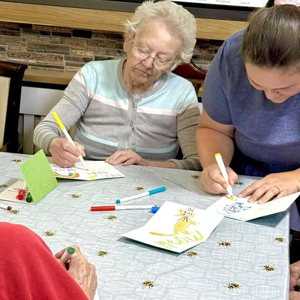
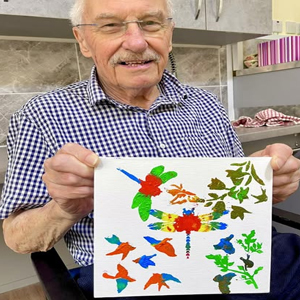
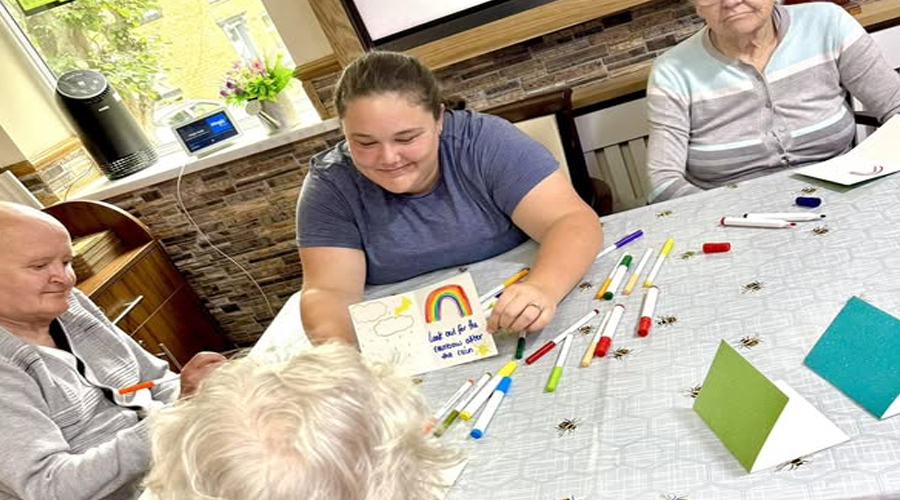
At Park View Care Home, creativity knows no age limit. In this heartwarming session, residents and staff come together to design handmade cards and express themselves through art, sparking imagination, joy, and connection. Our arts and crafts activities are designed to:
  • Stimulate fine motor skills
  • Encourage self-expression and focus
  • Promote conversation and emotional bonding
Whether colouring a cheerful picture or writing a thoughtful message, these shared creative moments provide comfort, pride, and a deep sense of purpose. Because every brushstroke and colour tells a beautiful story of care and community.

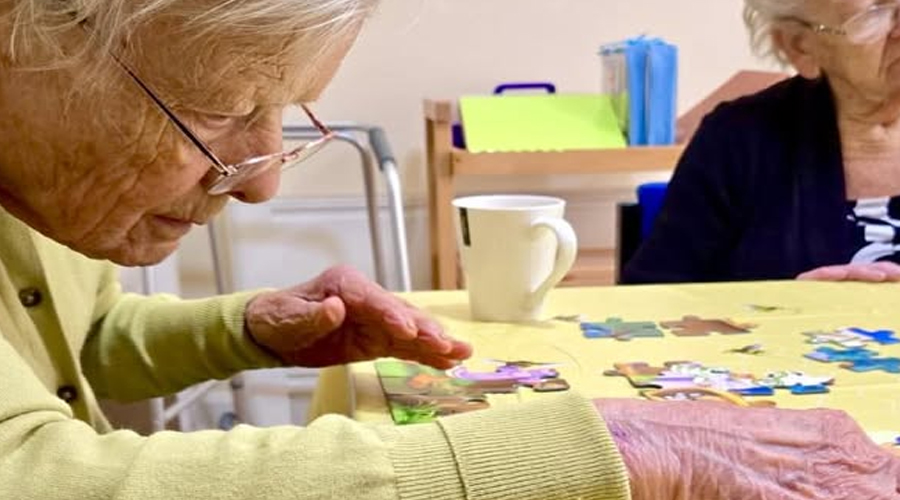
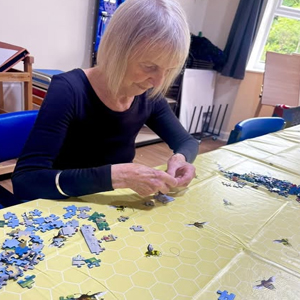
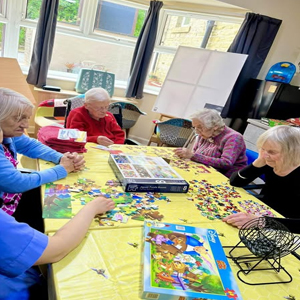
Puzzle Time – Keeping Minds Sharp & Spirits High!

At Park View Care Home, we believe that mental stimulation is just as important as physical well-being. Our group puzzle sessions bring residents together for a relaxing and rewarding activity that supports:
  • Cognitive function & memory
  • Social connection & teamwork
  • Stress relief & emotional well-being
These moments of quiet focus and friendly collaboration spark joy, build confidence, and often lead to wonderful conversations and new friendships. Whether it’s solving a colorful jigsaw or simply enjoying each other’s company, our residents find purpose and pleasure in every piece. Because care is about creating joyful, meaningful moments—one puzzle at a time.

Care Home Cricket – Fun, Fitness & Friendship!

At Park View Care Home, we believe every day should be filled with laughter, movement, and meaningful moments. This delightful game of cricket brought our residents together for a sunny day of light-hearted competition and joyful memories. Adapted for all ability levels, our garden cricket sessions promote:
  • Gentle physical activity
  • Social interaction
  • Mental stimulation and joy
Whether cheering from the sidelines or swinging the bat, everyone has a role to play. It’s not just a game—it’s a celebration of community, confidence, and connection. Because staying active can (and should) be this much fun!

Finding Compassionate End-of-Life Care Support in Halifax

Navigating Compassionate End-of-Life Care in Halifax: A Guide for Families

When a loved one faces a life-limiting illness, the focus shifts from cure to comfort, from time to time. In Halifax, families seeking compassionate end-of-life care have access to a network of palliative and hospice services designed to support dignity, comfort, and emotional well-being. But finding the right support—whether at home, in a care home, or through specialized palliative care—can feel overwhelming, especially during such a sensitive time.

This guide explores the landscape of palliative and end-of-life care in Halifax, offering clarity on available services, key considerations, and practical steps to ensure your loved one receives the compassionate care they deserve. Whether you’re exploring options for an elderly parent, a spouse, or a close friend, understanding these resources can help you make informed, heart-centered decisions.

Understanding Palliative and End-of-Life Care: What’s the Difference?

Many people use the terms palliative care and end-of-life care interchangeably, but they serve distinct purposes in the healthcare journey. Recognizing these differences is crucial when seeking support in Halifax.

Palliative Care: Holistic Support at Any Stage

Palliative care is specialized medical care focused on relieving suffering and improving quality of life for individuals with serious illnesses, regardless of prognosis. It’s not limited to the final months or weeks of life—it can begin at diagnosis and continue alongside curative or life-prolonging treatments.

In Halifax, palliative care teams typically include doctors, nurses, social workers, chaplains, and volunteers who work together to address physical symptoms (like pain or nausea), emotional distress, spiritual concerns, and practical needs. Services may be provided in hospitals, clinics, care homes, or private residences, depending on the patient’s preferences and health status.

For example, a Halifax resident with advanced heart failure might receive palliative care to manage breathlessness and fatigue while still undergoing cardiac treatments. The goal isn’t to hasten death but to ensure the patient lives as fully and comfortably as possible.

End-of-Life Care: Focused on the Final Months or Weeks

End-of-life care, on the other hand, is a subset of palliative care specifically tailored to individuals nearing death—typically within the last six months of life. This phase prioritizes comfort, dignity, and emotional support, often involving hospice care, which emphasizes a peaceful, pain-free transition.

In Halifax, end-of-life care may be delivered in a dedicated hospice facility (like the Halifax Hospice), a care home with palliative-trained staff, or at home with support from community health teams. The approach is deeply personalized, considering the patient’s values, cultural background, and family dynamics.

For instance, an elderly Halifax resident with advanced dementia might transition to end-of-life care when their condition declines significantly. The focus shifts from managing the disease to ensuring they’re free from discomfort, surrounded by loved ones, and honored in their final days.

Why Compassionate End-of-Life Care Matters in Halifax

Halifax, like many aging communities, faces growing demand for palliative and end-of-life services. With an increasing senior population and rising rates of chronic illnesses (such as cancer, heart disease, and dementia), the need for compassionate care has never been more pressing. Here’s why prioritizing quality end-of-life support is essential:

Preserving Dignity and Autonomy

No one should face the end of life feeling like a burden or stripped of their identity. Compassionate care ensures patients retain control over their choices—whether it’s deciding where to spend their final days, what treatments to accept, or how they want to be remembered. In Halifax, services like advance care planning (ACP) help individuals document their wishes, reducing stress for families during crises.

For example, a Halifax resident with terminal cancer might use ACP to specify their preferences for pain management, visitation hours, or even funeral arrangements. This clarity empowers them and provides peace of mind for their loved ones.

Supporting Families Through Grief

End-of-life care isn’t just for the patient—it’s for the entire family. Grief is a complex, nonlinear process, and having access to counseling, respite care, and bereavement support can make a profound difference. Halifax offers several resources, including grief support groups at the Halifax Hospice and community-based programs through organizations like the Dying Matters Coalition.

A Halifax family caring for a parent with ALS might benefit from respite care, allowing siblings to take breaks while ensuring their loved one’s needs are met. Meanwhile, grief counseling can help them process anticipatory loss and prepare for the emotional journey ahead.

Reducing Hospitalizations and Emergency Interventions

When end-of-life care is well-coordinated, patients are less likely to experience unnecessary hospitalizations or invasive procedures that may not align with their goals. In Halifax, community palliative care teams work closely with primary care physicians to manage symptoms at home or in care homes, reducing the need for emergency room visits.

For instance, a Halifax resident with advanced COPD might receive home-based palliative care to address breathlessness and anxiety, avoiding repeated hospital admissions. This not only improves their quality of life but also alleviates strain on the healthcare system.

Key Concepts in Halifax’s Palliative and End-of-Life Care System

Navigating Halifax’s care landscape requires familiarity with its structure, terminology, and available services. Below are the core concepts you’ll encounter when seeking support:

The Role of Palliative Care Teams

Palliative care teams in Halifax are multidisciplinary, typically including:

  • Palliative care physicians: Specialize in pain and symptom management, often consulting with the patient’s primary doctor.
  • Palliative care nurses: Provide hands-on care, education, and coordination between services.
  • Social workers: Help families navigate emotional, financial, and logistical challenges.
  • Chaplains or spiritual advisors: Offer support tailored to the patient’s beliefs and cultural background.
  • Volunteers: Provide companionship, run errands, or assist with light household tasks.

These teams collaborate with the patient’s existing healthcare providers to ensure seamless care. For example, a Halifax resident receiving palliative care at home might have a nurse visit weekly to adjust medications, while a social worker helps the family apply for financial assistance.

Hospice vs. Care Homes: What’s the Difference?

While both hospice and care homes provide end-of-life support, they serve different needs:

Hospice Care

Hospice is a philosophy of care, not a place, though some hospices are dedicated facilities. In Halifax, hospice care is often provided in:

  • In-patient hospices: Like the Halifax Hospice, where patients with complex symptoms receive 24/7 care.
  • Day hospice programs: Offer respite, therapy, and social activities for patients who live at home.
  • Home hospice care: Teams visit patients’ residences to provide medical, emotional, and practical support.

Hospice care is typically reserved for patients with a prognosis of six months or less, though some may stay longer if their condition stabilizes. The focus is on comfort, not cure, and services are often covered by provincial health plans or private insurance.

Care Homes with Palliative Support

Many care homes in Halifax (like Oakfield Manor or The Birches) offer palliative care as part of their services. These facilities provide:

  • 24/7 nursing care and personal support.
  • Access to palliative care teams for symptom management.
  • A homelike environment with opportunities for social engagement.
  • Respite care for families needing temporary relief.

Choosing a care home with strong palliative support can be ideal for families who want their loved one to remain in a familiar setting while receiving expert care. However, it’s essential to research each facility’s policies on end-of-life care, staff training, and family involvement.

Advance Care Planning (ACP) in Nova Scotia

Advance care planning is a proactive process where individuals document their healthcare preferences in case they become unable to communicate them. In Nova Scotia, ACP is legally recognized through documents like:

  • Personal Directives: Outlines medical treatment preferences (e.g., do-not-resuscitate orders).
  • Power of Attorney for Personal Care: Appoints a trusted person to make healthcare decisions on their behalf.
  • Goals of Care Designations: Communicates the level of medical intervention desired (e.g., comfort-focused vs. life-prolonging).

Halifax offers free ACP workshops through organizations like the Nova Scotia Health Authority and the Dying Matters Coalition. These sessions help families initiate conversations about death and dying, reducing uncertainty during critical moments.

Real-World Examples: How Halifax Families Access Palliative Care

To illustrate how these services come together in practice, here are three scenarios of Halifax families navigating end-of-life care:

Case Study 1: Home-Based Palliative Care for a Senior with Cancer

Patient: Margaret, 78, diagnosed with stage IV lung cancer. She lives alone in her Halifax home but has supportive children nearby.

Care Plan:

  • Margaret’s oncologist refers her to the Halifax Palliative Care Team, which includes a nurse, social worker, and chaplain.
  • The team visits her home weekly to manage pain with medications and provide emotional support.
  • A volunteer from Halifax Hospice visits twice a week to sit with Margaret, read to her, or help with light chores.
  • Margaret’s daughter uses respite care to take breaks, knowing her mother is safe and comfortable.
  • An advance care plan is in place, specifying Margaret’s wishes for no aggressive interventions.

Outcome: Margaret spends her final months at home, surrounded by family, with her symptoms well-managed. Her children feel prepared for her death, thanks to the support of the palliative team.

Case Study 2: Transitioning to a Care Home with Palliative Support

Patient: Harold, 85, with advanced Parkinson’s disease. His wife, Edith, can no longer care for him at home due to his mobility and cognitive decline.

Care Plan:

  • Harold moves into Oakfield Manor, a care home with a dedicated palliative care unit.
  • The home’s staff work closely with Harold’s neurologist and a palliative care consultant to manage his tremors, swallowing difficulties, and anxiety.
  • Edith visits daily and participates in care planning meetings to ensure Harold’s preferences are honored.
  • The care home offers a “family room” where Edith can stay overnight if Harold’s condition worsens.
  • When Harold’s health declines further, the hospice team from Halifax Hospice is called in to provide additional support.

Outcome: Harold dies peacefully in the care home, with Edith by his side. The staff ensures his final hours are comfortable, and Edith receives bereavement support from the home’s social worker.

Case Study 3: Hospice Care for a Patient with Dementia

Patient: Eleanor, 82, with advanced Alzheimer’s disease. She can no longer recognize her family and struggles with mobility and swallowing.

Care Plan:

  • Eleanor’s family enrolls her in the Halifax Hospice In-Patient Unit, where she receives 24/7 care.
  • The hospice team focuses on keeping Eleanor comfortable, using gentle touch, familiar music, and aromatherapy to soothe her agitation.
  • A social worker helps Eleanor’s daughter process her grief, as she grapples with the loss of her mother’s personality.
  • The hospice offers a “memory box” program, where families can leave personal items to comfort the patient.
  • Eleanor’s advance care plan specifies no artificial feeding or hydration, aligning with her wishes.

Outcome: Eleanor dies peacefully in the hospice, surrounded by staff who have cared for her tenderly. Her family finds solace in knowing she was treated with dignity and respect.

Practical Tips for Finding the Right Support in Halifax

With so many options available, it’s easy to feel overwhelmed. These actionable tips can help you narrow down your choices and find the best fit for your loved one:

Start with a Referral from Your Healthcare Provider

Most palliative care services in Halifax require a referral from a doctor, nurse practitioner, or specialist. If your loved one is hospitalized or under the care of a Halifax-based physician, ask about palliative care options early. Even if their illness isn’t terminal, early referral can provide valuable support.

For example, if your parent has heart failure, their cardiologist can refer them to the Halifax Palliative Care Team for symptom management while they continue treatments.

Tour Care Homes and Hospices in Person

Not all care homes or hospices are created equal. Visit potential facilities to assess:

  • Staff-to-patient ratios: Are there enough nurses and aides to provide personalized care?
  • Palliative care training: Do staff have specialized training in end-of-life care?
  • Family involvement: Are families encouraged to participate in care planning?
  • Environment: Is the space clean, homelike, and free from strong odors?
  • Bereavement support: Does the facility offer grief counseling for families after their loved one’s death?

In Halifax, facilities like The Birches and Oakfield Manor welcome tours and often have open houses where you can meet the staff.

Ask About Funding and Coverage

While some palliative and hospice services in Nova Scotia are covered by the provincial health plan (MSI), others may require out-of-pocket payments or private insurance. Key questions to ask:

  • Is in-home palliative care fully covered, or are there fees for certain services?
  • Does the hospice or care home accept donations or offer financial aid for families in need?
  • Are medications, equipment (like hospital beds), and supplies included in the cost?
  • Does the facility work with private insurance plans or veterans’ benefits?

For example, Halifax Hospice offers a “Pay What You Can” program for families who can’t afford full fees. Always inquire about hidden costs to avoid surprises.

Leverage Community Resources

Halifax is home to numerous organizations that provide free or low-cost support for end-of-life care. Some to explore:

  • Halifax Hospice: Offers grief support groups, volunteer companionship, and educational workshops. (Website)
  • Dying Matters Halifax: A community group promoting conversations about death and dying. (Website)
  • Nova Scotia Health Authority Palliative Care: Provides clinical services and resources. (Website)
  • Alzheimer Society of Nova Scotia: Supports families caring for loved ones with dementia. (Website)
  • Canadian Cancer Society: Offers practical and emotional support for cancer patients and families. (Website)

These organizations can connect you with local support groups, respite care, and even financial assistance programs.

Prepare for Emotional and Logistical Challenges

End-of-life care isn’t just about medical support—it’s about navigating complex emotions and practical hurdles. To ease the process:

  • Create a care team: Assign roles (e.g., who handles medical decisions, who manages finances) to avoid burnout.
  • Document important information: Keep a list of medications, allergies, healthcare providers, and legal documents in one place.
  • Plan for respite: Arrange for family or friends to take shifts so you can rest.
  • Talk about legacy: Encourage your loved one to share stories, record messages, or create keepsakes for their family.
  • Accept help: Whether it’s a meal train from neighbors or a cleaning service, don’t hesitate to delegate tasks.

Common Mistakes to Avoid When Seeking Palliative Care in Halifax

Even with the best intentions, families can make missteps that complicate end-of-life care. Here are pitfalls to watch for:

Waiting Too Long to Seek Palliative Support

Many families delay palliative care until the final weeks of life, missing out on months (or years) of support. Early referral can improve quality of life, reduce hospitalizations, and give families more time to prepare emotionally.

What to do instead: Ask your healthcare provider about palliative care at diagnosis, especially for serious illnesses like cancer, heart failure, or dementia. Even if your loved one is stable, the team can help manage symptoms and provide guidance.

Assuming All Care Homes Offer Equal Palliative Care

Not all care homes in Halifax have dedicated palliative care units or staff trained in end-of-life support. Some may focus primarily on long-term care rather than comfort in the final stages.

What to do instead: Ask specific questions about the home’s palliative care policies, such as:

  • Do you have a palliative care coordinator on staff?
  • How do you manage pain and other symptoms?
  • Can families stay overnight if needed?
  • Do you work with hospice teams for additional support?

Overlooking Emotional and Spiritual Needs

Palliative care isn’t just about physical comfort—it’s about honoring the whole person. Ignoring emotional or spiritual needs can leave patients and families feeling unsupported.

What to do instead: Encourage open conversations about fears, regrets, and hopes. If your loved one has spiritual or cultural traditions, ensure the care team respects them. Chaplains or spiritual advisors can be invaluable in these discussions.

Neglecting Self-Care for Caregivers

Caregivers often prioritize their loved one’s needs over their own, leading to burnout, depression, or physical illness. This can compromise the quality of care provided.

What to do instead: Schedule regular breaks, seek therapy or support groups, and don’t hesitate to ask for help. Respite care, whether through a care home or a volunteer organization, can provide temporary relief.

Failing to Plan for Aftercare

Grief doesn’t end with a loved one’s death. Many families are caught off guard by the intensity of their emotions or the practical tasks that follow (e.g., funeral arrangements, legal paperwork).

What to do instead: Research bereavement resources in Halifax before you need them. Organizations like Halifax Hospice offer grief counseling, and the Dying Matters Coalition provides guides on planning funerals and memorials.

Frequently Asked Questions About Palliative and End-of-Life Care in Halifax

How do I know if my loved one qualifies for palliative care in Halifax?

Palliative care is available to anyone with a serious, life-limiting illness, regardless of age or prognosis. You don’t need a terminal diagnosis to access support—just a referral from a healthcare provider. Conditions that often qualify include cancer, heart failure, COPD, dementia, ALS, and kidney disease.

Is hospice care only for the last few days of life?

No. While hospice care is typically for patients with a prognosis of six months or less, some may stay longer if their condition stabilizes. The focus is on comfort, not time constraints. In Halifax, hospice teams work closely with patients and families to ensure they receive support when they need it most.

How much does palliative care cost in Halifax?

Many palliative care services in Nova Scotia are covered by the provincial health plan (MSI), including doctor visits, nursing care, and medications related to symptom management. However, some services—like private caregivers, certain therapies, or extended respite care—may incur costs. Always ask about fees upfront.

Can I arrange palliative care at home in Halifax?

Yes. The Halifax Palliative Care Team provides home-based support, including nursing visits, equipment (like hospital beds), and volunteer companionship. Your loved one’s doctor or nurse practitioner can arrange the referral.

What’s the difference between a care home and a nursing home in Halifax?

In Halifax, care homes (also called assisted living facilities) provide personal care, meals, and social activities for seniors who need some assistance but are generally independent. Nursing homes offer 24/7 medical care for individuals with complex health needs. Some care homes have palliative care units, while nursing homes often specialize in end-of-life care.

How do I start a conversation about end-of-life wishes with my loved one?

Approach the topic gently and without pressure. You might say:

  • “I’ve been thinking about how much you’ve meant to me. Have you thought about what kind of care you’d want if you got really sick?”
  • “I know this is hard to talk about, but I’d feel better knowing your wishes. Would you be open to filling out an advance care plan?”
  • “I’ve heard about palliative care—it’s not about giving up, but about making sure you’re comfortable. Would you like to learn more?”

Resources like the Dying Matters Conversation Guide can help structure these discussions.

Are there volunteer opportunities in Halifax’s palliative care system?

Yes! Organizations like Halifax Hospice and Halifax Hospice Society rely on volunteers to provide companionship, run errands, or assist with administrative tasks. Volunteering can be a meaningful way to give back while learning about end-of-life care.

Conclusion: Honoring Life Through Compassionate Care

Finding compassionate end-of-life care in Halifax isn’t just about ticking boxes—it’s about ensuring your loved one’s final chapter is filled with dignity, comfort, and love. Whether you choose home-based palliative care, a care home with specialized support, or a dedicated hospice, the key is to start early, ask questions, and lean on the resources available in your community.

Halifax offers a robust network of palliative and end-of-life services, from the Halifax Palliative Care Team to the compassionate staff at Halifax Hospice. By understanding the differences between palliative care and end-of-life care, touring facilities, and planning ahead, you can navigate this journey with greater confidence and peace of mind.

Remember: You’re not alone. Organizations like the Dying Matters Coalition and local support groups are here to guide you every step of the way. And while the process may feel daunting, the goal is simple—to honor your loved one’s life by ensuring their final days are as meaningful and comfortable as possible.

If you’re just beginning this journey, take a deep breath. Reach out to your healthcare provider, explore the resources in this guide, and trust that Halifax’s palliative care community is here to support you. In the end, what matters most isn’t the length of time left, but the love and care that fills it.

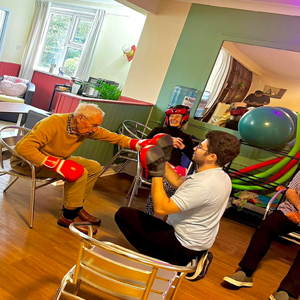
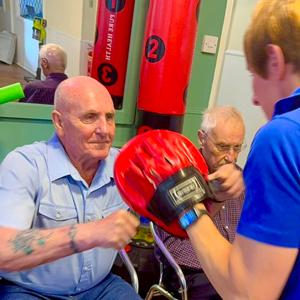
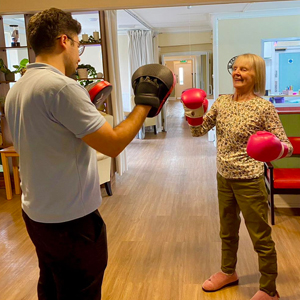
Boxing Fun & Fitness

In our care home, staying fit is not just about exercise—it’s about fun, confidence, and empowerment! This image captures the excitement of a resident taking part in our boxing-inspired activity session, designed especially for seniors. Using soft gloves and a training punch bag, residents get to enjoy movement, build strength, and boost mental alertness in a safe, supervised environment. These playful sessions aren’t just great for the body—they’re a fantastic way to lift spirits and build community. Because every punch is a step toward strength, joy, and better well-being!

Chair-Based Exercise for Seniors – Staying Active at Any Age!

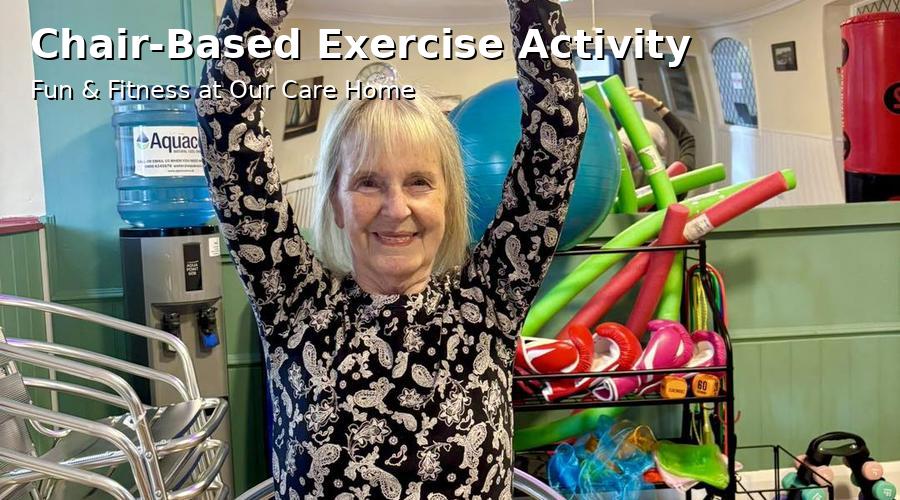
At our care home, we believe that staying active is essential for physical and mental well-being, no matter your age. This photo captures a joyful moment during one of our chair-based exercise sessions, specially designed for older adults. These gentle exercises help improve flexibility, mobility, and overall fitness—all while being fun and safe. Led by our friendly and supportive team, participants enjoy moving their bodies, socializing, and boosting their confidence in a welcoming environment. Whether it’s stretching, light resistance movements, or just enjoying a group routine, our residents thrive through regular, adapted physical activities. Because here, movement means joy—and every stretch is a step toward better health!

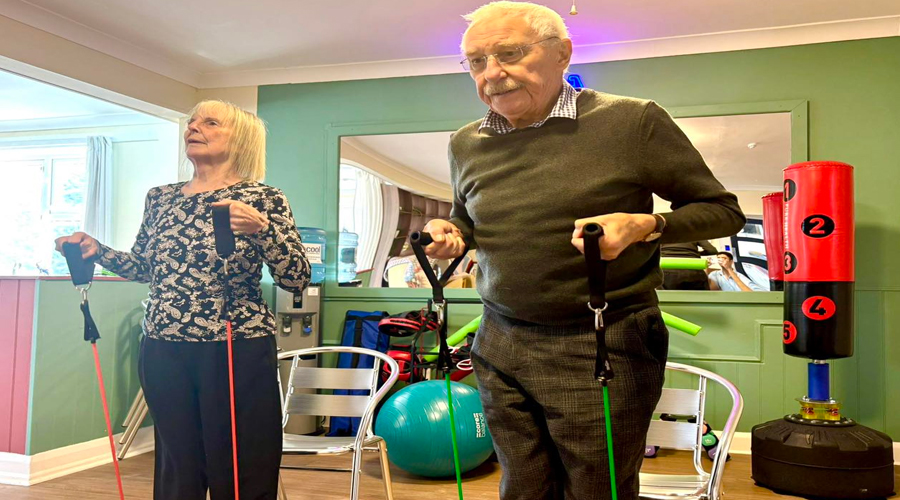
Resistance Band Exercise Session at a Care Home

Resistance bands offer low-impact strength training that supports daily activities like sit-to-stand transfers and walking. They help counter age-related muscle loss (sarcopenia) and may even improve bone density through gentle loading effects.

Physical Strength, Mobility & Fall Prevention

Resistance band workouts are highly effective for seniors:
  • They help preserve muscle mass and combat sarcopenia, improving independence in daily tasks like standing or walking.
  • Bands deliver low-impact resistance—gentle on joints while building bone density and strength.
  • Regular resistance training improves balance and stability, reducing falls.
  • Clinical studies report significant gains in walking speed, endurance, and single-leg balance after weeks of elastic band exercise.

Cognitive & Emotional Well‑Being

  • Physical exercise supports mental health—boosting mood, self-esteem, and cognitive function.
  • Structured group activity encourages social interaction, decreases loneliness, and builds community.
  • In participants with dementia, resistance training often improves attention, communication, and day‑to‑day engagement.
eBook Cover

    Discover Life at Park View
    Download Your Free eBrochure

    Learn more about our specialist dementia & elderly care, innovative activities-based environment, and the warm, person-centred approach that makes Park View so special.

    Our eBrochure includes:

    • Overview of our care & facilities
    • Meet our award-winning team
    • Insight into our dementia expertise
    • How we support families and loved ones

    Enter your details below to download your free copy today.

    Please view our Privacy Policy for more information on how we use your data.

    Book A Visit

    Call (01422) 350088 to book

      Apply For... Care Assistant

      Fields marked with an * are required.

      For more details on how we handle your data, please view our Privacy Policy.

        Contact me regarding... Residential Care for Seniors with Combined Frailty and Memory Concerns

        Fields marked with an * are required.

        For more details on how we handle your data, please view our Privacy Policy.

          Write to me here

          Fields marked with an * are required.

          For more details on how we handle your data, please view our Privacy Policy.

            Contact me regarding... Residential Care for Seniors with Combined Frailty and Memory Concerns

            Fields marked with an * are required.

            For more details on how we handle your data, please view our Privacy Policy.

              Contact Us Today

              Fields marked with an * are required.

              For more details on how we handle your data, please view our Privacy Policy.