
Blog2

Residential Care for Elderly Adults with High Daily Dependency

As our parents and grandparents age, the need for high-quality, compassionate care becomes increasingly urgent. When daily activities like bathing, dressing, or even eating become challenging, residential care for elderly adults with high dependency isn’t just an option—it’s often a necessity. But what exactly does this type of care entail, and how can families navigate the complex landscape of residential care homes, especially in areas like Halifax or across the UK?

In this comprehensive guide, we’ll explore the ins and outs of residential care for elderly adults with high daily dependency. From understanding the level of support required to choosing the right facility and ensuring your loved one receives dignified, person-centred care, we’ll cover everything you need to know. Whether you’re researching care homes in Halifax or evaluating options across the UK, this article will help you make informed decisions with confidence.

The Rising Need for Residential Care for High-Dependency Elderly Adults

Over the past decade, the UK has seen a significant rise in the number of elderly individuals requiring high levels of support due to chronic illnesses, mobility limitations, or cognitive decline. According to Age UK, nearly 1.5 million people aged 65 and over have difficulty with at least one activity of daily living (ADL), such as washing or dressing. For those with advanced conditions like dementia, Parkinson’s disease, or severe arthritis, residential care isn’t just beneficial—it’s essential for safety, health, and quality of life.

In Halifax and surrounding areas, the demand for specialised residential care has grown in tandem with the aging population. Local authorities and care providers are responding by expanding services, but the landscape remains complex. Families often find themselves overwhelmed by choices, regulations, and financial considerations. Understanding the nuances of high-dependency care is the first step toward ensuring your loved one receives the support they need in a nurturing environment.

What Is Residential Care for High-Dependency Elderly Adults?

Residential care for elderly adults with high daily dependency refers to 24-hour support provided in a dedicated care home setting. Unlike assisted living or sheltered housing, these facilities are designed for individuals who require extensive assistance with personal care, mobility, medication management, and health monitoring. Residents typically have complex medical needs, cognitive impairments, or physical disabilities that make independent living unsafe or unsustainable.

In the UK, residential care homes are regulated by the Care Quality Commission (CQC), which assesses services based on safety, effectiveness, care, responsiveness, and leadership. High-dependency units within these homes often feature:

  • Specialised staff training: Caregivers are trained in dementia care, palliative support, or disability assistance, depending on residents’ needs.
  • Adapted environments: Wheelchair-accessible rooms, hoists, and sensory-friendly spaces to accommodate physical and cognitive limitations.
  • Nursing oversight: On-site or visiting nurses to manage complex health conditions, such as diabetes, heart failure, or post-stroke care.
  • Therapeutic activities: Occupational therapy, reminiscence sessions, or physiotherapy tailored to individual abilities.

In Halifax, care homes like Example Care Home or Trinity Care offer high-dependency units with round-the-clock nursing support, ensuring residents receive both medical and emotional care. These facilities prioritise dignity, respect, and personalised attention, recognising that each individual’s needs are unique.

Why High-Dependency Residential Care Matters More Than Ever

The decision to move a loved one into residential care is never easy, but for families facing the challenges of high dependency, it can be life-changing. Here’s why this level of care is so critical:

The Risks of Inadequate Support at Home

Many families initially attempt to care for elderly relatives at home, often with the help of visiting carers. While this can work for moderate needs, high dependency requires more than sporadic assistance. Without 24-hour supervision, the risks include:

  • Falls and injuries: Elderly individuals with balance issues or osteoporosis are prone to fractures, which can lead to hospitalisation and a decline in overall health.
  • Malnutrition and dehydration: Difficulty preparing meals or forgetting to eat can result in weight loss and weakened immunity.
  • Medication mismanagement: Missed doses or incorrect administration of multiple medications can exacerbate health conditions.
  • Social isolation: Loneliness and lack of stimulation can accelerate cognitive decline, particularly in those with dementia.

Residential care mitigates these risks by providing a safe, structured environment where every need is met promptly and professionally.

The Emotional and Psychological Benefits

Beyond physical safety, high-dependency care homes offer emotional and social benefits that are often overlooked. Residents form meaningful connections with staff and peers, reducing feelings of loneliness and depression. Activities tailored to their abilities—such as music therapy, gentle exercise, or gardening—enhance mental well-being and maintain cognitive function.

For families, knowing their loved one is in capable hands provides immense peace of mind. The guilt of not being able to provide full-time care is eased by the knowledge that their relative is receiving expert attention in a nurturing setting.

The Financial and Practical Reality

While residential care incurs costs, it can be more economical than hiring round-the-clock private carers at home. According to LaingBuisson, the average cost of a residential care home in the UK ranges from £700 to £1,500 per week, depending on location and level of care. In Halifax, prices tend to be lower than in major cities like London, but still represent a significant investment.

However, the long-term savings in hospital admissions, emergency care, and the physical toll on family caregivers often justify the expense. Many families explore funding options, such as NHS continuing healthcare, local authority support, or deferred payment agreements, to manage costs effectively.

Key Concepts in High-Dependency Residential Care

To fully grasp what high-dependency residential care entails, it’s important to understand the core concepts that underpin these services. Here’s a deep dive into the essential elements:

Person-Centred Care: Tailoring Support to Individual Needs

Person-centred care is a philosophy that places the resident at the heart of decision-making. It recognises that each individual has unique preferences, histories, and values. In high-dependency care, this means:

  • Personalised care plans: Developed in collaboration with the resident, their family, and healthcare professionals, outlining specific needs, routines, and goals.
  • Choice and autonomy: Allowing residents to decide when to wake up, what to eat, or which activities to participate in, within safe limits.
  • Cultural and spiritual considerations: Respecting dietary restrictions, religious practices, or language preferences to ensure comfort and familiarity.

For example, a resident with dementia may have a care plan that includes reminiscence therapy using old photographs or music from their youth, which can evoke positive memories and reduce agitation.

The Role of Multidisciplinary Teams

High-dependency care homes employ a diverse team of professionals working together to meet residents’ needs:

  • Care assistants: Provide hands-on support with daily activities, such as bathing, dressing, and toileting.
  • Registered nurses: Manage complex medical conditions, administer medications, and monitor vital signs.
  • Occupational therapists: Help residents maintain independence in daily tasks through adaptive techniques or equipment.
  • Physiotherapists: Work on mobility, strength, and pain management to improve physical function.
  • Dietitians: Design meal plans that cater to nutritional needs, dietary restrictions, and swallowing difficulties.
  • Activity coordinators: Organise social and recreational activities to stimulate cognitive and emotional well-being.

This collaborative approach ensures that all aspects of a resident’s health—physical, mental, and emotional—are addressed holistically.

Adapting the Environment for Safety and Comfort

High-dependency care homes are designed with safety and accessibility in mind. Key adaptations include:

  • Flooring and lighting: Non-slip floors and bright, glare-free lighting reduce the risk of falls.
  • Furniture and fixtures: Adjustable beds, grab rails, and easy-to-use taps enhance independence.
  • Sensory considerations: Quiet spaces for those with sensory sensitivities, or sensory gardens for stimulation.
  • Technology integration: Fall detection systems, bed alarms, or telecare devices for added security.

In Halifax, some care homes have embraced smart home technology, such as automated lighting or voice-activated assistants, to further support residents with mobility or cognitive challenges.

Palliative and End-of-Life Care

For residents with terminal illnesses, high-dependency care homes provide compassionate palliative care focused on comfort and dignity. This includes:

  • Pain management: Regular assessments and medication adjustments to ensure comfort.
  • Emotional support: Counselling for residents and families to navigate the end-of-life journey.
  • Spiritual care: Access to chaplains or religious leaders to provide solace and guidance.
  • Family involvement: Open communication and opportunities for loved ones to spend quality time together.

Facilities like Halifax Care Home are known for their exemplary end-of-life care, ensuring residents pass peacefully surrounded by familiar faces and comforting routines.

Real-World Examples: How High-Dependency Care Transforms Lives

To truly understand the impact of residential care for high-dependency elderly adults, let’s explore a few real-world scenarios that highlight its transformative power.

Case Study 1: Managing Advanced Dementia with Dignity

Resident: Margaret, 82, diagnosed with vascular dementia and severe mobility issues.

Challenges: Margaret struggled with aggression and confusion at home, making it unsafe for her husband to care for her alone. She often wandered at night, increasing the risk of falls.

Solution: After a short-term respite stay in Trinity Care’s dementia unit, Margaret’s family decided on long-term residential care. The care home implemented a structured routine, including sensory activities like hand massages and music therapy, which significantly reduced her agitation.

Outcome: Margaret’s quality of life improved dramatically. She formed bonds with staff and other residents, and her physical health stabilised. Her family visited regularly, and the guilt they initially felt was replaced by relief and gratitude.

Case Study 2: Post-Stroke Recovery and Rehabilitation

Resident: John, 78, suffered a severe stroke leaving him with right-side paralysis and speech difficulties.

Challenges: John required intensive physiotherapy and speech therapy, which was difficult to coordinate at home. His wife, who worked full-time, was exhausted from providing care.

Solution: John moved into a high-dependency unit at Example Care Home, where he received daily physiotherapy, occupational therapy, and speech therapy. The care home also provided speech therapy sessions for his wife to learn how to communicate with him effectively.

Outcome: Within six months, John regained partial mobility and improved his speech. He transitioned to a lower-dependency unit within the same care home, where he now lives independently with minimal support. His wife visits weekly and is overjoyed by his progress.

Case Study 3: Palliative Care for a Peaceful End of Life

Resident: Edith, 91, diagnosed with terminal cancer and severe heart failure.

Challenges: Edith’s family wanted her to remain at home, but her symptoms—including severe pain and breathlessness—required constant monitoring. They were emotionally drained and unsure how to provide the level of care she needed.

Solution: Edith moved into a palliative care unit at Halifax Care Home. The team focused on pain management, emotional support, and creating a serene environment. Her family was encouraged to visit daily and participate in her care, such as reading to her or playing her favourite music.

Outcome: Edith passed away peacefully in the care home, surrounded by her family. Her daughter later shared that the care home provided a level of comfort and dignity that would have been impossible to achieve at home.

Practical Tips for Choosing the Right Residential Care Home

Selecting a residential care home for a high-dependency elderly adult is one of the most important decisions a family can make. Here’s a step-by-step guide to help you navigate the process:

Step 1: Assess Your Loved One’s Needs

Before touring facilities, conduct a thorough assessment of your loved one’s needs. Consider:

  • Medical requirements: Do they need nursing care, physiotherapy, or specialist dementia support?
  • Mobility and safety: Are they wheelchair-bound, or do they require hoists or adapted bathrooms?
  • Cognitive and emotional needs: Do they have dementia, depression, or anxiety that requires tailored activities?
  • Social preferences: Do they enjoy group activities, or do they prefer quieter, one-on-one interactions?

This assessment will help you narrow down homes that specialise in the specific care your loved one requires.

Step 2: Research Local Options in Halifax and Beyond

Start by compiling a list of care homes in Halifax and surrounding areas. Use resources like:

  • The Care Quality Commission (CQC) website: www.cqc.org.uk – Provides ratings and inspection reports for all registered care homes.
  • Local authority directories: Many councils publish lists of approved care providers.
  • Word of mouth: Ask healthcare professionals, friends, or support groups for recommendations.
  • Online reviews: Websites like Carehome.co.uk or Google Reviews can offer insights into residents’ experiences.

In Halifax, popular high-dependency care homes include Trinity Care, Example Care Home, and Halifax Care Home. Each has unique strengths, so compare their services carefully.

Step 3: Visit Potential Homes in Person

Never choose a care home based solely on brochures or websites. Schedule visits to observe the environment, interact with staff, and speak with current residents and their families. Key things to look for:

  • Cleanliness and safety: Are corridors well-lit? Are there handrails and non-slip floors?
  • Staff interactions: Do caregivers address residents by name? Do they seem patient and attentive?
  • Resident engagement: Are residents participating in activities, or do they appear bored or isolated?
  • Mealtime experience: Is food served in a communal dining room? Are residents encouraged to eat independently?
  • Communication: Are staff open to questions? Do they provide clear information about care plans?

Trust your instincts. If a home feels welcoming and professional, it’s likely a good fit. If something feels off, keep looking.

Step 4: Understand the Costs and Funding Options

Residential care can be expensive, so it’s crucial to understand the costs and explore funding avenues:

  • Self-funding: If your loved one has savings or assets above the local authority threshold (currently £23,250 in England), they’ll need to pay for care privately.
  • Local authority funding: If assets are below the threshold, the council may contribute to care costs. However, they may not cover the full cost of a high-dependency unit.
  • NHS Continuing Healthcare (CHC): For individuals with complex medical needs, CHC may cover the full cost of care. Eligibility is assessed through a rigorous process.
  • Deferred Payment Agreements: Some councils offer schemes that allow residents to defer care costs until after their death, using their property as security.
  • Charitable support: Organisations like Age UK or the Alzheimer’s Society may offer grants or financial assistance.

In Halifax, the council’s adult social care team can provide guidance on funding options. It’s also wise to consult a financial advisor specialising in care fees to explore all possibilities.

Step 5: Involve Your Loved One in the Decision

While it’s not always possible, involving your loved one in the choice of care home can ease the transition. Visit homes together, discuss their preferences, and address any concerns they may have. If they’re resistant to the idea, frame it as a temporary arrangement or emphasise the social opportunities and activities available.

For individuals with dementia, a gradual introduction to the care home—such as short respite stays—can help them acclimate without feeling overwhelmed.

Step 6: Plan for the Transition

Moving into a care home is a significant life change, and the transition period requires careful planning:

  • Personalise their space: Bring familiar items like photographs, a favourite blanket, or a cherished piece of furniture to make their room feel like home.
  • Establish a routine: Work with the care home to replicate their usual schedule, including meal times, bedtime, and activities.
  • Communicate regularly: Visit frequently in the early days and maintain open communication with staff about their adjustment.
  • Monitor their well-being: Keep an eye out for signs of distress, such as withdrawal or agitation, and address them promptly with the care team.

Most care homes offer a settling-in period, during which families can adjust to the new routine and build trust with the staff.

Common Mistakes to Avoid When Choosing Residential Care

Even with the best intentions, families can make missteps when selecting a care home. Here are the most common mistakes—and how to avoid them:

Mistake 1: Prioritising Cost Over Quality

The pitfall: Choosing the cheapest care home to save money, only to find that the level of care is inadequate.

The solution: Balance cost with quality. A slightly more expensive home may offer better-trained staff, better food, or more engaging activities. Use the CQC ratings as a guide—homes rated ‘Good’ or ‘Outstanding’ are worth the investment.

Mistake 2: Ignoring the Home’s Specialisms

The pitfall: Assuming all care homes provide the same level of support, only to realise too late that the home lacks expertise in dementia care or palliative support.

The solution: Ask direct questions about the home’s experience with your loved one’s specific condition. For example, if your relative has Parkinson’s disease, inquire about the staff’s training in managing symptoms like tremors or swallowing difficulties.

Mistake 3: Overlooking Staff Turnover and Training

The pitfall: Assuming that a care home with a high CQC rating has consistently good staff, only to find that turnover is high and training is lacking.

The solution: Ask about staff retention rates and training programmes. A stable team indicates a positive work environment, which translates to better care. Inquire about ongoing professional development, such as dementia training or infection control courses.

Mistake 4: Failing to Read the Fine Print in Contracts

The pitfall: Signing a contract without fully understanding the terms, only to be hit with unexpected fees or restrictive clauses.

The solution: Review contracts carefully with a solicitor or family member. Pay attention to:

  • Notice periods: How much notice is required if you want to move or terminate the contract?
  • Additional costs: Are there extra charges for services like hairdressing, outings, or specialist therapies?
  • Visiting policies: Are there restrictions on visiting hours or overnight stays?
  • Fees for changes in care needs: What happens if your loved one’s condition deteriorates and they require more intensive support?

Mistake 5: Not Visiting at Different Times

The pitfall: Touring a care home during the day when staffing levels are high and activities are in full swing, only to find that evenings and weekends are understaffed.

The solution: Visit during off-peak hours, such as evenings or weekends, to observe the home’s operations when it’s quieter. Pay attention to staffing levels, resident engagement, and the atmosphere during meal times or shift changes.

Mistake 6: Neglecting to Plan for the Future

The pitfall: Choosing a care home based on your loved one’s current needs, without considering how their condition may progress.

The solution: Select a home that offers different levels of care, allowing for a smooth transition if their dependency increases. For example, a home with both residential and nursing care units ensures continuity if your loved one’s health declines.

Frequently Asked Questions About Residential Care for High-Dependency Elderly Adults

What’s the difference between residential care and nursing care?

Residential care provides support with daily activities like bathing, dressing, and eating, but does not include nursing oversight. Nursing care, on the other hand, is for individuals who require 24-hour medical attention, such as wound care, medication administration, or chronic illness management. In the UK, nursing care is typically provided in a nursing home, while residential care is in a care home without on-site nurses.

How do I know if my loved one needs residential care?

Signs that residential care may be necessary include:

  • Difficulty managing daily activities independently.
  • Frequent falls or injuries due to mobility issues.
  • Worsening health conditions that require regular medical attention.
  • Increasing confusion or memory loss, particularly if it poses a safety risk.
  • Caregiver burnout, with family members struggling to provide adequate support.

If you’re unsure, consult a healthcare professional or social worker for an assessment.

Can I still visit my loved one frequently if they move into a care home?

Absolutely. Most care homes encourage family visits and may even have policies in place to accommodate regular contact. Some homes offer overnight stays for family members, allowing them to spend more time with their loved one. Regular visits help residents adjust to their new environment and maintain strong family bonds.

What should I pack for my loved one when they move into a care home?

Essential items to bring include:

  • Comfortable clothing and footwear.
  • Toiletries and personal care items.
  • Medications and a list of current prescriptions.
  • Familiar items like photographs, books, or a favourite blanket.
  • Adaptive equipment, such as glasses, hearing aids, or a walking frame.

Avoid bringing valuables, as care homes typically have secure storage for personal items.

How can I ensure my loved one receives person-centred care?

Person-centred care is a collaborative effort between the care home, the resident, and their family. To ensure your loved one’s needs are met:

  • Develop a detailed care plan with input from all parties.
  • Communicate regularly with staff about your loved one’s preferences and routines.
  • Attend care plan reviews to discuss progress and any changes in needs.
  • Encourage the care home to involve your loved one in activities and decisions.
  • Provide the care home with a ‘life story’ or personal history to help staff connect with your loved one on a deeper level.

What happens if my loved one doesn’t adapt well to the care home?

It’s not uncommon for residents to feel unsettled initially, especially if they have dementia or are resistant to change. Most care homes have strategies to help residents adjust, such as:

  • Gradual introduction to the home through short respite stays.
  • Personalised activities that align with their interests.
  • One-on-one support from a key worker who builds a relationship with the resident.
  • Family involvement in the transition process.

If your loved one continues to struggle, discuss alternative approaches with the care home or consider a different facility that may better suit their needs.

How do care homes handle medical emergencies?

High-dependency care homes have protocols in place for medical emergencies, including:

  • On-site or visiting nurses who can assess and respond to changes in health.
  • Emergency call systems in residents’ rooms for immediate assistance.
  • Partnerships with local hospitals or GP services for urgent care.
  • Clear escalation procedures for contacting family members or emergency services.

In the event of a serious incident, the care home will liaise with healthcare professionals to ensure your loved one receives prompt and appropriate treatment.

Conclusion: Making the Right Choice for Your Loved One

Choosing residential care for an elderly adult with high daily dependency is a deeply personal and often emotional journey. It’s a decision that requires balancing practical considerations—such as cost, location, and level of care—with the intangible factors of dignity, comfort, and quality of life. While the process can feel overwhelming, the right care home can transform your loved one’s later years, providing them with the support, companionship, and enrichment they deserve.

In Halifax and across the UK, there are exceptional care homes dedicated to meeting the unique needs of high-dependency elderly adults. By understanding the key concepts, asking the right questions, and involving your loved one in the process, you can find a facility that feels like home. Remember, the goal isn’t just to meet their physical needs, but to nurture their emotional and social well-being as well.

As you embark on this journey, lean on the expertise of healthcare professionals, social workers, and other families who have navigated similar paths. Trust your instincts, prioritise your loved one’s happiness, and know that you’re making a choice rooted in love and care. With the right support, your loved one can thrive in their new environment, surrounded by compassionate professionals and a community that values their unique story.

If you’re ready to explore options in Halifax or beyond, start by researching local care homes, visiting facilities, and having open conversations with your family. The perfect care home is out there—and with the right approach, you’ll find it.

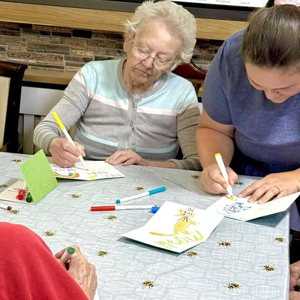
How Residential Care Supports Seniors with Weakness and Reduced Mobility

The Role of Residential Care in Supporting Seniors with Weakness and Reduced Mobility

As we age, our bodies naturally undergo changes that can significantly impact mobility and strength. For seniors experiencing weakness or reduced mobility, daily tasks that were once effortless—like dressing, bathing, or even walking—can become daunting challenges. This is where residential care steps in as a vital solution. In cities like Halifax, where the senior population is growing, residential care homes provide not just accommodation, but a structured environment designed to enhance quality of life, safety, and independence.

In this article, we’ll explore how residential care supports seniors with mobility challenges, why it matters for families and individuals, and what key features make these homes effective. We’ll also share real-world examples, practical tips for choosing the right facility, and common pitfalls to avoid. Whether you’re considering care for a loved one or planning for your own future, understanding residential care is essential.

What Is Residential Care for Seniors?

Residential care, often referred to as an elderly care home or care home, is a long-term living arrangement where seniors receive personalized support in a home-like setting. Unlike nursing homes, which focus on medical care, residential care homes prioritize daily living assistance, social engagement, and a safe environment tailored to residents’ abilities.

In Halifax, residential care homes are regulated by provincial standards and offer a range of services, including:

  • Personal care assistance: Help with bathing, dressing, grooming, and toileting.
  • Mobility support: Use of walkers, wheelchairs, or assistance with transfers.
  • Meal preparation and nutrition: Balanced meals adapted to dietary needs and chewing difficulties.
  • Medication management: Supervised administration and monitoring of prescriptions.
  • Social and recreational activities: Programs designed to stimulate cognitive and physical health.
  • 24/7 supervision: Trained staff available around the clock for emergencies or support.

These homes are not medical facilities but are staffed by caregivers trained in gerontology and mobility assistance. They provide a balance between independence and support, allowing seniors to live with dignity while receiving the help they need.

Why Residential Care Matters for Seniors with Mobility Challenges

Reduced mobility isn’t just about physical limitation—it affects emotional well-being, social connection, and even life expectancy. Seniors who struggle to move independently are at higher risk of falls, isolation, depression, and malnutrition. Residential care addresses these risks by providing a secure, supportive environment where mobility limitations are managed proactively.

For families, residential care offers peace of mind. Watching a parent or grandparent struggle with basic tasks can be emotionally taxing, especially when combined with concerns about safety and neglect. A care home in Halifax ensures that professional caregivers are always present, trained to respond to falls, sudden weakness, or medical changes.

From a societal perspective, residential care helps reduce hospital admissions related to falls or complications from immobility. It also eases the burden on family caregivers, who may lack the training or time to provide round-the-clock support. In Halifax, where the senior population is expected to grow by 40% over the next decade, residential care is becoming an increasingly important part of the healthcare ecosystem.

Key Concepts in Supporting Seniors with Weakness and Reduced Mobility

The Impact of Age-Related Weakness on Daily Life

Sarcopenia, the gradual loss of muscle mass and strength, begins as early as age 30 and accelerates after 60. Combined with conditions like arthritis, osteoporosis, or neurological disorders, this weakness can severely limit mobility. Seniors may experience:

  • Gait disturbances: Shuffling steps, unsteadiness, or fear of falling.
  • Fatigue: Difficulty completing tasks due to low energy or pain.
  • Joint stiffness: Reduced range of motion in hips, knees, or shoulders.
  • Balance issues: Increased risk of falls, especially when turning or reaching.

These challenges are compounded by sensory changes, such as vision or hearing loss, which further increase fall risks. Residential care homes are designed to mitigate these risks through environmental modifications and staff training.

Adaptive Environments in Residential Care

A well-designed elderly care home incorporates several key features to support residents with limited mobility:

  • Accessible design: Wide doorways, no-step entries, and ramps to eliminate barriers.
  • Grab bars and railings: Strategically placed in bathrooms, hallways, and near beds.
  • Non-slip flooring: Textured surfaces to prevent slips, especially in wet areas.
  • Adaptive furniture: Chairs with armrests, raised toilet seats, and adjustable beds.
  • Emergency call systems: Pull cords or wearable pendants for immediate assistance.

In Halifax, many residential care homes also include sensory-friendly spaces, such as quiet rooms or gardens with seating, to reduce overstimulation and promote relaxation.

The Role of Caregivers in Mobility Support

Staff in residential care homes are trained not just in physical assistance, but in understanding the emotional and psychological aspects of aging. They use techniques like:

  • Gait training: Guiding residents with walkers or canes to improve stability.
  • Transfer assistance: Safe techniques for moving from bed to wheelchair or chair to toilet.
  • Encouragement of movement: Gentle exercise programs to maintain strength and flexibility.
  • Fall prevention education: Teaching residents and families how to reduce risks at home.

Many caregivers also specialize in dementia care, recognizing that mobility challenges in seniors with cognitive decline require a different approach—often involving redirection, patience, and environmental cues.

Real-World Examples: How Residential Care Transforms Lives in Halifax

Let’s look at two case studies from Halifax-based residential care homes that highlight the impact of professional support.

Case Study 1: Regaining Independence After a Hip Fracture

Margaret, 82, fell at home and fractured her hip. After surgery, she required physical therapy and assistance with daily tasks. Her daughter considered moving her into a nursing home but opted for a care home in Halifax instead. The residential care facility provided:

  • Physical therapy sessions three times a week.
  • Assistance with walking using a walker.
  • Social activities to combat post-surgery depression.
  • Nutritional meals rich in protein and calcium.

Within six months, Margaret regained enough strength to walk short distances unassisted and participate in group exercises. She also formed friendships with other residents, reducing her isolation. Her daughter noted a significant improvement in her mother’s mood and overall health.

Case Study 2: Managing Parkinson’s Disease with Dignity

John, 78, was diagnosed with Parkinson’s disease, which caused tremors, stiffness, and balance issues. His wife struggled to help him bathe or dress without causing pain. They moved to a residential care home in Halifax that specialized in neurological conditions. The staff implemented:

  • Customized exercise routines to slow disease progression.
  • Adaptive clothing with Velcro fasteners to ease dressing.
  • Regular medication monitoring to manage symptoms.
  • Sensory-friendly lighting to reduce tremors triggered by overstimulation.

John’s quality of life improved dramatically. He regained confidence in his ability to perform tasks and enjoyed social outings with other residents. His wife was relieved to have professional support, knowing John was safe and cared for.

Practical Tips for Choosing the Right Residential Care Home in Halifax

Not all residential care homes are created equal. Here’s how to evaluate them effectively:

1. Assess the Level of Care Provided

Ask about the staff-to-resident ratio, especially during shift changes. A higher ratio means more personalized attention. Inquire about:

  • Training of caregivers in mobility support and fall prevention.
  • Availability of physiotherapists or occupational therapists on-site.
  • Protocols for handling medical emergencies or sudden weakness.

2. Evaluate the Physical Environment

Tour the facility and look for:

  • Handrails in hallways and bathrooms.
  • Emergency call buttons in bedrooms and common areas.
  • Accessible outdoor spaces with seating and shade.
  • Clean, well-lit corridors with non-slip flooring.

Pay attention to odors, cleanliness, and the overall atmosphere. A welcoming, homelike environment is a good sign.

3. Review Social and Recreational Programs

Isolation worsens mobility decline. Ask about:

  • Daily activities tailored to different mobility levels (e.g., seated exercises, art classes).
  • Outings to local parks, museums, or shopping centers.
  • Opportunities for family involvement, such as shared meals or events.

4. Check Meal and Nutrition Plans

Malnutrition is common in seniors with reduced mobility. Inquire about:

  • Dietary accommodations for conditions like diabetes or swallowing difficulties.
  • Texture-modified foods if chewing is a challenge.
  • Hydration monitoring to prevent dehydration.

5. Understand the Costs and Contracts

Residential care costs vary widely. In Halifax, prices typically range from $3,000 to $6,000 per month, depending on the level of care. Ask about:

  • What’s included in the base fee (e.g., meals, activities, laundry).
  • Additional costs for specialized care or therapies.
  • Policies on rate increases and contract termination.

Visit multiple homes and compare. Trust your instincts—if a place feels unwelcoming during a tour, it may not be the right fit.

Common Mistakes to Avoid When Selecting Residential Care

Choosing a care home is a significant decision, and missteps can have long-term consequences. Here are the most common errors families make—and how to avoid them.

Mistake 1: Prioritizing Cost Over Quality

While affordability is important, the cheapest option may not provide adequate care. A care home in Halifax with a low price tag might have understaffed shifts or limited activities. Balance cost with the quality of care and the home’s reputation.

Mistake 2: Ignoring the Resident’s Preferences

Some seniors resist moving into care homes due to fear or attachment to their homes. Involve them in the decision-making process. Visit homes together and let them meet staff and residents. Their comfort and happiness are paramount.

Mistake 3: Overlooking Staff Turnover Rates

High turnover can indicate poor management or burnout. Ask how long caregivers have been employed and whether they receive ongoing training. Consistent staff build trust and familiarity with residents’ needs.

Mistake 4: Assuming All Homes Are the Same

Each residential care home has a unique culture and approach. Some may focus on medical care, while others emphasize social engagement. Visit at different times of day to observe interactions between staff and residents.

Mistake 5: Not Planning for Future Needs

Mobility can decline rapidly due to illness or injury. Choose a home that can accommodate increasing care needs, whether through in-house services or partnerships with nearby healthcare providers.

Frequently Asked Questions About Residential Care for Seniors

Is residential care the same as a nursing home?

No. While nursing homes provide 24/7 medical care for complex health conditions, residential care homes focus on daily living support in a home-like setting. They’re ideal for seniors who need assistance but don’t require intensive medical treatment.

How do I know if my loved one needs residential care?

Signs include difficulty with daily tasks (e.g., bathing, dressing), frequent falls, social withdrawal, or caregiver burnout. If safety is a concern, it may be time to explore residential options.

Can seniors bring their own furniture and belongings?

Most residential care homes encourage personalization. Residents can bring familiar items like photos, books, or a favorite chair to make their space feel like home.

What happens if a resident’s condition worsens?

Many homes have partnerships with hospitals or home care services. If a resident’s needs exceed the home’s capabilities, staff will coordinate a smooth transition to a more appropriate facility.

Are pets allowed in residential care homes?

Some homes permit small pets, but policies vary. If your loved one has a pet, ask about visitation or pet-friendly alternatives.

Conclusion: A Compassionate Solution for Aging with Dignity

Residential care is more than just a place to live—it’s a lifeline for seniors with weakness and reduced mobility. In Halifax, where the demand for elderly care homes is rising, these facilities provide a vital bridge between independence and support. They offer safety, social connection, and tailored assistance that allows seniors to thrive despite physical limitations.

For families, residential care alleviates the stress of caregiving while ensuring loved ones receive professional, compassionate care. For seniors, it means living with dignity, surrounded by peers and activities that enrich their lives.

Choosing the right elderly care home requires research, empathy, and careful planning. By understanding the key features, avoiding common mistakes, and prioritizing the resident’s needs, families can find a home that feels like a true community. Whether it’s in Halifax or elsewhere, residential care stands as a testament to the belief that aging doesn’t have to mean isolation or decline—it can be a chapter filled with support, growth, and connection.

If you’re exploring options for a loved one, start by visiting local homes, talking to staff, and observing the environment. The right care home will not only meet physical needs but also nurture the spirit—helping seniors live their best lives, one day at a time.

Why Professional Nursing Care Matters in Later Life

Why Professional Nursing Care Matters in Later Life

Aging is a natural part of life — one that brings wisdom, experience, and often, the need for a little extra care. For many seniors, maintaining good health and independence becomes challenging without professional nursing care. That’s where trained medical support and compassionate assistance can make all the difference. In this article, we’ll explore why professional nursing care plays such an essential role in elderly health and senior wellness, and how it helps older adults live safely, comfortably, and with dignity.

1. Continuous Medical Support and Monitoring

One of the biggest benefits of professional nursing care is 24/7 medical supervision. As people age, chronic conditions like diabetes, heart disease, or arthritis require constant attention and timely intervention. Professional nursing staff are trained to:
  • Monitor vital signs such as blood pressure, heart rate, and oxygen levels
  • Administer medications correctly and on schedule
  • Recognize early symptoms of illness or infection
  • Coordinate with doctors for timely treatment and care updates
This proactive approach ensures that seniors receive the right medical support at the right time — reducing hospital visits and improving overall elderly health.

2. Personalised Care Plans for Every Individual

Every senior has different health needs, preferences, and routines. That’s why nursing care services are designed around personalised care plans. These plans are created after thorough assessments and may include:
  • Medication management and therapy schedules
  • Diet and nutrition plans tailored to health conditions
  • Physical activity and mobility exercises
  • Emotional and psychological support
This individualised approach not only promotes senior wellness but also helps maintain a sense of independence and personal identity.

3. Professional Care Ensures Safety and Comfort

For many older adults, living alone can pose risks — from accidental falls to delayed medical attention. A nursing care home provides a safe and secure environment, equipped with:
  • Anti-slip flooring and mobility aids
  • Emergency call systems in every room
  • 24-hour caregiver availability
  • Regular health and safety checks
This level of professional care ensures seniors can live in comfort, knowing that help is always close by.

4. Emotional Wellbeing and Companionship

Good health isn’t just about the body — it’s about the mind and heart too. Loneliness and social isolation are common among the elderly, which can negatively affect their emotional wellbeing. Professional nursing care homes focus on nurturing the social and emotional aspects of health through:
  • Group activities and light exercise
  • Music, art, and hobby sessions
  • Celebrations and community events
  • Emotional counselling and friendly companionship
This caring environment encourages social connection, laughter, and a renewed sense of purpose — all vital for senior wellness.

5. Support for Complex Health Conditions

Many seniors live with multiple or complex health conditions such as dementia, Parkinson’s disease, or mobility impairments. In such cases, specialised nursing care is crucial. Professional nurses have the skills and experience to manage:
  • Dementia and Alzheimer’s symptoms
  • Post-surgery rehabilitation
  • Palliative and end-of-life care
  • Pain management and wound care
They work hand-in-hand with healthcare professionals to ensure residents receive the best possible treatment, with empathy and understanding.

6. Promotes Independence with the Right Support

Contrary to popular belief, moving into a nursing care home doesn’t mean losing independence. In fact, it often helps seniors regain it. Through assistive care, mobility support, and structured routines, residents can participate in daily activities while still receiving help when needed. Whether it’s dressing, walking, or enjoying a meal with others — professional care allows seniors to live life on their own terms, with confidence and safety.

7. Peace of Mind for Families

For families, the decision to seek professional nursing care can be emotional. But knowing that their loved one is receiving expert medical attention and compassionate care brings incredible peace of mind. Families can focus on spending quality time together rather than worrying about medications, meals, or safety. They also have access to regular updates from the nursing team, ensuring transparency and trust throughout the care journey.

The True Value of Nursing Care in Later Life

As we grow older, our needs evolve — and so should our care. Professional nursing care bridges the gap between medical expertise and human compassion, ensuring that every senior feels valued, safe, and supported. It’s more than just healthcare — it’s about promoting dignity, comfort, and connection in the later years of life.

Why Choose Our Nursing Care Services

At Park View Care Home, we take pride in offering high-quality nursing care tailored to each resident’s needs. Our experienced nurses and caregivers are committed to ensuring complete physical, emotional, and social wellbeing.  

Residential Care for Seniors with Difficulty Managing Personal Hygiene Independently

As our loved ones age, maintaining personal hygiene can become increasingly challenging. Conditions like arthritis, dementia, or mobility issues may make it difficult for seniors to bathe, dress, or manage other daily self-care tasks. When this happens, residential care can provide the support and dignity they deserve while ensuring their health and well-being remain a top priority.

In this guide, we’ll explore what residential care for seniors with hygiene challenges entails, why it matters, and how to choose the right setting. Whether you’re considering care for a family member or simply educating yourself, this article will help you navigate the complexities of elderly care with confidence.

Understanding Residential Care for Seniors with Hygiene Challenges

Residential care, often referred to as a care home or assisted living facility, is a long-term housing option for seniors who need help with daily activities but do not require the intensive medical oversight provided in a nursing home. For those struggling with personal hygiene, these facilities offer structured routines, trained staff, and a safe environment to maintain cleanliness and dignity.

Unlike home care, where assistance comes and goes, residential care provides round-the-clock support. This means seniors receive help with bathing, toileting, dressing, and grooming as part of their daily routine, ensuring consistency and reducing the risk of health complications from poor hygiene.

How Residential Care Differs from Other Senior Care Options

It’s important to distinguish residential care from other types of senior care to make an informed decision:

  • Home Care: Caregivers visit the senior’s home for short periods to assist with hygiene tasks. While familiar, this option lacks 24-hour supervision and may not be suitable for those with advanced needs.
  • Nursing Homes: Provide medical care for seniors with complex health conditions, including wound care and medication management. Residential care is less medically intensive but focuses more on daily living support.
  • Dementia Care Units: Specialized facilities for seniors with cognitive decline, offering structured routines and sensory-friendly environments. Many residential care homes include dementia care as part of their services.

Why Hygiene Support in Residential Care Matters More Than You Think

Personal hygiene isn’t just about cleanliness—it’s a cornerstone of physical health, mental well-being, and social dignity. For seniors, neglecting hygiene can lead to serious consequences:

  • Infections and Illnesses: Poor hygiene increases the risk of urinary tract infections (UTIs), skin infections, and respiratory issues. Seniors with weakened immune systems are particularly vulnerable.
  • Skin Breakdown: Incontinence or infrequent bathing can cause pressure sores, especially for those with limited mobility. Proper hygiene helps prevent these painful and dangerous conditions.
  • Social Isolation: Seniors who feel unclean or embarrassed by their hygiene may withdraw from social activities, leading to loneliness and depression.
  • Loss of Independence: Struggling with hygiene can erode a senior’s sense of autonomy. Residential care helps them maintain dignity while receiving necessary support.

Beyond health, hygiene care in residential settings also provides peace of mind for families. Knowing that their loved one is clean, comfortable, and receiving professional assistance can alleviate guilt and stress.

Key Concepts in Residential Care for Hygiene Support

The Role of Trained Care Staff

Residential care homes employ caregivers who are trained in senior hygiene techniques. This includes:

  • Assistance with Bathing: Caregivers help seniors into and out of the bath or shower, ensuring safety and comfort. For those resistant to bathing, staff use gentle, patient approaches to avoid distress.
  • Incontinence Management: Staff are trained to handle incontinence with dignity, using absorbent pads, regular checks, and skin care to prevent irritation.
  • Oral and Dental Care: Many seniors neglect dental hygiene due to mobility issues. Care homes ensure regular brushing, denture cleaning, and dental check-ups.
  • Hair and Nail Care: Professional grooming services or staff assistance help seniors maintain a neat appearance, boosting their self-esteem.

The Importance of Personalized Care Plans

Not all seniors have the same hygiene needs. A high-quality residential care home will create a personalized care plan that addresses:

  • Preferences and Routines: Some seniors may prefer showers over baths, or may have cultural or religious practices related to hygiene. Staff accommodate these preferences whenever possible.
  • Medical Conditions: Seniors with conditions like Parkinson’s or severe arthritis may need adaptive equipment (e.g., grab bars, non-slip mats) or extra time for tasks.
  • Cognitive Needs: For those with dementia, caregivers use simple, step-by-step instructions and reassurance to make hygiene tasks less overwhelming.

Regular reviews of the care plan ensure that it evolves with the senior’s changing needs, whether due to aging, illness, or recovery.

Adaptive Equipment and Safe Environments

Residential care homes are designed with safety in mind. Key features include:

  • Walk-in Showers: Eliminate the need to step over high tub edges, reducing fall risks.
  • Grab Bars and Rails: Installed in bathrooms and hallways to provide stability.
  • Non-slip Flooring: Prevents accidents in wet areas like bathrooms.
  • Adjustable Beds and Chairs: Help seniors transfer more easily for bathing or dressing.
  • Temperature Control: Ensures bathwater is at a safe, comfortable temperature to avoid burns or chills.

These adaptations not only enhance safety but also promote independence by allowing seniors to participate in their care as much as possible.

Real-World Examples: How Residential Care Transforms Lives

Case Study 1: Overcoming Resistance to Bathing

Margaret, 82, had always been independent but developed arthritis that made bathing painful. She resisted help from family members, leading to infrequent showers and skin irritation. After moving to a residential care home in Halifax, staff introduced a warm, calming shower routine with music and gentle encouragement. Within weeks, Margaret’s skin improved, and she began to look forward to her daily showers, regaining her confidence and social engagement.

Case Study 2: Managing Incontinence with Dignity

John, 78, struggled with incontinence due to a neurological condition. His family was overwhelmed by the constant laundry and skin care required. In a residential care home, staff implemented a structured toileting schedule, used high-quality incontinence products, and provided regular skin checks. John’s comfort improved, and his family no longer had to manage the physical and emotional burden of his condition.

Case Study 3: Dementia and Hygiene Care

Ethel, 85, had advanced dementia and often refused to bathe. Staff at her care home used a technique called “bathing without a battle,” breaking the task into smaller steps and using distraction techniques like singing or storytelling. Over time, Ethel became more cooperative, and her skin health stabilized. The care home also educated her family on these techniques, allowing them to continue the approach during visits.

Practical Tips for Choosing the Right Residential Care Home

Assessing Hygiene Standards During Tours

When visiting potential care homes, pay close attention to hygiene practices:

  • Cleanliness of Bathrooms: Are they well-maintained, with no unpleasant odors or visible dirt?
  • Staff Practices: Do caregivers wash their hands frequently? Are they patient and respectful when assisting residents?
  • Odor Control: A well-run care home should have minimal lingering smells, indicating proper cleaning and incontinence management.
  • Resident Appearance: Observe how residents are dressed and groomed. Are they clean and well-presented?

Asking the Right Questions

Don’t hesitate to ask detailed questions about hygiene support:

  • How often do residents receive assistance with bathing? Is it scheduled or as-needed?
  • What measures are in place for seniors who resist hygiene tasks?
  • How do you handle medical conditions like incontinence or mobility issues?
  • Are there specialized staff for dementia care or other cognitive challenges?
  • Can families participate in hygiene routines during visits?

Evaluating Staff Training and Turnover

High staff turnover can disrupt continuity of care. Ask about:

  • Training programs for caregivers, especially in hygiene assistance and dementia care.
  • Staff-to-resident ratios, particularly during peak times like bathing hours.
  • How the home handles complaints or concerns about hygiene practices.

Considering Location and Community

While hygiene support is critical, the overall environment also matters. Look for a care home that:

  • Feels warm and inviting, not institutional.
  • Offers social activities to keep residents engaged and reduce isolation.
  • Is conveniently located for family visits.

Common Mistakes to Avoid When Selecting Residential Care

Assuming All Care Homes Are the Same

Each residential care home has its own culture, staffing levels, and approach to care. What works for one senior may not suit another. Always visit multiple homes and compare their hygiene practices.

Ignoring Red Flags

Be wary of homes that:

  • Have strong chemical odors (could indicate overuse of cleaning products or poor ventilation).
  • Show signs of neglect, such as dirty common areas or unkempt residents.
  • Are reluctant to provide detailed information about their hygiene protocols.

Overlooking the Senior’s Preferences

While safety and health are paramount, seniors are more likely to thrive in a care home that respects their personal preferences. Involve your loved one in the decision-making process and prioritize homes that align with their values and routines.

Focusing Only on Cost

Cheaper care homes may cut corners on staffing or hygiene standards. Balance affordability with quality by researching reviews, inspecting reports, and visiting in person.

Frequently Asked Questions About Residential Care for Hygiene Support

How much does residential care for hygiene support cost in the UK?

Costs vary depending on location, level of care, and the type of room (shared or private). In the UK, residential care typically ranges from £800 to £2,500 per week. Some seniors may qualify for local authority funding or NHS continuing healthcare if their needs are primarily health-related.

Can seniors with advanced dementia receive hygiene care in residential homes?

Yes, many residential care homes have specialized dementia care units with staff trained in managing hygiene challenges associated with cognitive decline. These units use techniques like distraction, gentle guidance, and sensory-friendly environments to make tasks easier.

What if my loved one resists help with hygiene?

Resistance is common, especially among seniors with dementia or those who feel embarrassed. Trained caregivers use patience, empathy, and adaptive techniques to encourage cooperation. It’s important to choose a care home with experience in handling such situations.

How often will my loved one receive assistance with bathing?

This depends on their needs and the care home’s policies. Some seniors may receive daily showers, while others may need assistance every other day. Care plans are tailored to individual requirements, with regular reviews to adjust as needed.

Are family members allowed to assist with hygiene tasks during visits?

Many care homes encourage family involvement, but policies vary. Some may allow families to participate in bathing or grooming during visits, while others prefer staff handle these tasks to maintain consistency. Always check with the home beforehand.

Conclusion: Finding the Right Balance of Care and Dignity

Residential care for seniors with hygiene challenges is about more than just cleanliness—it’s about preserving dignity, health, and quality of life. When personal hygiene becomes a struggle, a well-chosen care home can provide the support needed to thrive while respecting the senior’s autonomy and preferences.

The key to success lies in thorough research, open communication with care providers, and a focus on the senior’s individual needs. By understanding the realities of residential care, asking the right questions, and avoiding common pitfalls, families can make a decision that brings peace of mind and improves their loved one’s well-being.

If you’re exploring care options in Halifax or the UK, take the time to visit potential homes, observe their hygiene practices, and involve your loved one in the process. With the right support, seniors can maintain their dignity and enjoy their golden years with comfort and confidence.

24-Hour Residential Care for Seniors with Overnight Monitoring Needs

As families navigate the complexities of aging, the need for 24-hour residential care for seniors with overnight monitoring needs has become increasingly vital. This specialized form of senior care ensures that elderly individuals receive continuous support, safety, and medical attention—even during the quietest hours of the night. For families in Halifax, Nova Scotia, finding the right residential care home that offers overnight monitoring can make all the difference in ensuring their loved one’s well-being and peace of mind.

In this comprehensive guide, we’ll explore what 24-hour residential care entails, why it matters, the key concepts behind it, real-world examples of how it’s implemented, practical tips for choosing the right care home, common mistakes to avoid, and answers to frequently asked questions. Whether you’re researching options for a parent, grandparent, or another senior in your life, this article will provide the insights you need to make an informed decision.

Understanding 24-Hour Residential Care for Seniors

24-hour residential care, often referred to as live-in care or continuous care, is a senior living arrangement where trained caregivers are present around the clock to assist residents with their daily needs. Unlike traditional assisted living facilities that may have limited nighttime staff, these care homes in Halifax are designed to provide overnight monitoring to address medical emergencies, prevent falls, assist with bathroom needs, and ensure overall safety.

This level of care is particularly crucial for seniors with conditions such as:

  • Advanced dementia or Alzheimer’s disease
  • Mobility limitations or high fall risk
  • Chronic illnesses requiring regular medication management
  • Post-surgical recovery or palliative care needs
  • Behavioral challenges that may pose risks at night

In Halifax, residential care homes offering 24-hour monitoring typically operate as private or semi-private accommodations within a larger facility. These homes are staffed by certified personal care assistants (PCAs), licensed practical nurses (LPNs), or registered nurses (RNs), depending on the level of medical oversight required. The goal is to create a home-like environment where seniors feel comfortable while receiving the support they need to thrive.

Why Overnight Monitoring Matters in Senior Care

The importance of overnight monitoring in senior care cannot be overstated. Many life-threatening situations—such as falls, choking, or sudden medical crises—occur when seniors are alone at night. Without proper supervision, these incidents can go unnoticed for hours, leading to severe consequences. Here’s why 24-hour care is a game-changer:

Preventing Nighttime Emergencies

Seniors with conditions like Parkinson’s disease or advanced arthritis are at a higher risk of falling during the night. A caregiver’s presence ensures that any fall is immediately addressed, reducing the risk of hip fractures, head injuries, or prolonged immobility. Similarly, seniors with sleep disorders or confusion may wander, and overnight monitoring helps prevent elopement or disorientation.

Managing Chronic Health Conditions

Conditions like diabetes, heart disease, or respiratory issues require consistent monitoring, especially overnight. A caregiver can check vital signs, administer medications on schedule, and respond to symptoms like shortness of breath or chest pain. In Halifax’s residential care homes, staff are trained to recognize early warning signs and take swift action when necessary.

Improving Sleep and Mental Well-being

Many seniors struggle with insomnia or anxiety at night, which can exacerbate cognitive decline. The presence of a caregiver provides reassurance, reducing stress and promoting better sleep. For those with dementia, overnight monitoring can help maintain a structured routine, minimizing confusion and sundowning—a common phenomenon where agitation increases in the evening.

Supporting Family Caregivers

Family members often bear the emotional and physical burden of caring for an aging loved one. 24-hour residential care in Halifax offers respite to caregivers, allowing them to rest knowing their loved one is in safe hands. This support is invaluable for preventing caregiver burnout while ensuring the senior receives professional, round-the-clock attention.

Key Concepts in 24-Hour Residential Care

To fully grasp how 24-hour residential care works, it’s essential to understand the core components that define high-quality overnight monitoring. Below, we break down the most critical concepts:

Staffing Ratios and Training

The effectiveness of overnight monitoring hinges on the staff-to-resident ratio and the qualifications of the caregivers. In Halifax’s best care homes, the ratio is typically 1 caregiver per 3-5 residents during night shifts, ensuring no one is left unattended for long periods. Staff undergo rigorous training in:

  • First aid and CPR
  • Dementia care and behavioral management
  • Medication administration and documentation
  • Fall prevention and emergency response
  • Palliative and end-of-life care

Some facilities employ waking night staff—caregivers who remain awake and active throughout the night—while others use a combination of awake and sleeping staff with frequent check-ins. The approach depends on the home’s policies and the residents’ needs.

Nighttime Care Plans

A well-structured overnight care plan is tailored to each resident’s specific requirements. This plan may include:

  • Scheduled bathroom visits to prevent incontinence-related accidents
  • Overnight vital sign checks for those with chronic conditions
  • Pain management protocols for arthritis or post-surgical patients
  • Behavioral observation logs for dementia patients
  • Emergency contact protocols for family members or doctors

Care plans are developed in collaboration with the resident’s family, primary physician, and the care home’s staff to ensure consistency and personalized attention.

Technology and Safety Measures

Modern residential care homes in Halifax integrate technology to enhance overnight monitoring. Common tools include:

  • Bed alarms and motion sensors – Alert caregivers when a resident gets out of bed, reducing fall risks.
  • Wander management systems – GPS or door alarms for seniors prone to wandering.
  • Electronic health records (EHRs) – Digital documentation of medications, vitals, and incidents for real-time tracking.
  • Night vision cameras (in common areas) – Monitor hallways and dining rooms for safety without invading privacy.

While technology aids in monitoring, it’s the human touch—regular check-ins, conversations, and companionship—that truly makes a difference in residents’ well-being.

Environmental Adaptations

The physical layout of a care home plays a significant role in overnight safety. Key adaptations include:

  • Nightlights and illuminated pathways – Prevent disorientation in hallways and bathrooms.
  • Low-height beds or floor mats – Reduce injury risk from falls.
  • Accessible bathrooms with grab bars – Minimize accidents during nighttime bathroom trips.
  • Soundproofed rooms – Ensure residents aren’t disturbed by noise from other parts of the home.

Real-World Examples: How 24-Hour Care Transforms Lives

To illustrate the impact of 24-hour residential care, let’s explore a few real-life scenarios where overnight monitoring made a critical difference:

Case Study 1: Preventing a Life-Threatening Fall

Resident: 82-year-old Margaret, diagnosed with Parkinson’s disease and osteoporosis.

Challenge: Margaret’s tremors and balance issues made her prone to falls, especially at night when she would wake up disoriented.

Solution: Her care home in Halifax assigned a dedicated overnight caregiver to check on her every two hours. The caregiver also installed a bed alarm and placed a walker within Margaret’s reach. One night, the alarm sounded when Margaret tried to get up. The caregiver arrived just in time to assist her, preventing a fall that could have resulted in a hip fracture.

Outcome: Margaret’s confidence improved, and she no longer feared nighttime alone. Her family reported reduced anxiety knowing she was safe.

Case Study 2: Managing Complex Medical Needs

Resident: 78-year-old Robert, recovering from heart surgery with a history of sleep apnea.

Challenge: Robert’s oxygen levels dropped dangerously low during sleep, and he often forgot to use his CPAP machine.

Solution: The care home assigned a licensed practical nurse (LPN) to monitor Robert overnight. The LPN ensured he used his CPAP, checked his oxygen saturation levels, and administered his cardiac medications on schedule. If his vitals dropped, the LPN was trained to escalate care immediately.

Outcome: Robert’s recovery progressed smoothly, and he avoided complications like pneumonia or arrhythmias. His family credited the overnight monitoring for his improved health.

Case Study 3: Supporting a Loved One with Dementia

Resident: 85-year-old Eleanor, in the mid-stages of Alzheimer’s disease.

Challenge: Eleanor experienced severe sundowning, becoming agitated and confused in the evenings. She would often wander into other residents’ rooms or try to leave the facility.

Solution: The care home implemented a structured evening routine, including calming activities like music therapy and gentle exercise. An overnight caregiver stayed in the hallway near Eleanor’s room to provide reassurance and redirect her if she became restless. The caregiver also used a wander management system to alert staff if Eleanor left her room.

Outcome: Eleanor’s agitation decreased, and she slept more peacefully. Her family noticed a significant improvement in her mood and cognitive function.

How to Choose the Right 24-Hour Residential Care Home in Halifax

Selecting a care home that offers high-quality overnight monitoring requires careful research and evaluation. Here’s a step-by-step guide to help you find the best fit for your loved one:

Step 1: Assess Your Loved One’s Needs

Before touring facilities, determine the level of care required. Consider:

  • Medical conditions (e.g., diabetes, dementia, mobility issues)
  • Personal care needs (e.g., bathing, dressing, toileting)
  • Behavioral challenges (e.g., aggression, wandering, anxiety)
  • Social preferences (e.g., need for companionship or quiet time)

This assessment will help you narrow down homes that specialize in your loved one’s specific requirements.

Step 2: Research Facilities in Halifax

Not all care homes offer the same level of overnight monitoring. Look for facilities that:

  • Have a dedicated night shift team (not just a skeleton crew)
  • Provide detailed care plans for overnight staff
  • Use technology like bed alarms or wander management systems
  • Have a history of positive reviews for safety and responsiveness

Websites like Health NS (Nova Scotia’s health authority) and CCEL (Continuing Care and Empowerment Link) can provide listings and inspection reports for residential care homes in Halifax.

Step 3: Tour the Facility and Observe Overnight Operations

During your visit, pay close attention to:

  • Nighttime staffing: Ask how many caregivers are on duty overnight and their qualifications.
  • Response times: Inquire about how quickly staff respond to calls or alarms.
  • Environment: Check for nightlights, accessible bathrooms, and a calm atmosphere.
  • Resident interactions: Observe how staff engage with residents during the night—are they attentive or distracted?

Don’t hesitate to ask for a nighttime tour if possible. Seeing the facility in action will give you a better sense of its operations.

Step 4: Review Care Plans and Emergency Protocols

A high-quality care home will have a written overnight care plan for each resident. Ask to review a sample plan to ensure it includes:

  • Scheduled check-ins and bathroom visits
  • Medication administration times and dosages
  • Emergency contact information for family and doctors
  • Protocols for falls, seizures, or other medical emergencies

Additionally, inquire about the home’s emergency response system. Do they have a nurse on call? Are they affiliated with a nearby hospital for quick transfers?

Step 5: Consider the Social and Emotional Environment

While overnight monitoring is critical, the overall atmosphere of the home also matters. Look for:

  • A welcoming, home-like setting (avoid institutional-feeling facilities)
  • Activities and social opportunities for residents
  • Staff who are warm, patient, and respectful
  • A strong sense of community among residents

A senior who feels happy and engaged during the day will likely have a better nighttime experience as well.

Step 6: Compare Costs and Contracts

24-hour residential care in Halifax can range from $5,000 to $10,000+ per month, depending on the level of care and amenities. Ask about:

  • What’s included in the fee (e.g., medications, therapies, outings)?
  • Are there additional costs for specialized care (e.g., dementia support)?
  • What’s the refund policy if the resident passes away or moves out?
  • Are there government subsidies or insurance coverage options?

Review the contract carefully and consult a financial advisor if needed to ensure transparency.

Common Mistakes to Avoid When Selecting a Care Home

Choosing a residential care home is a significant decision, and even well-intentioned families can make costly errors. Here are the most common mistakes to steer clear of:

Mistake 1: Prioritizing Cost Over Quality

While budget is important, selecting the cheapest care home may compromise safety and care. A facility with low staffing ratios or untrained caregivers can lead to neglect or emergencies going unnoticed. Instead, balance cost with the quality of overnight monitoring and resident satisfaction.

Mistake 2: Ignoring Nighttime Operations

Many families tour care homes during the day and assume the night shift is just as well-staffed. Always ask specific questions about overnight monitoring, such as:

  • “How many caregivers are on duty from 10 PM to 6 AM?”
  • “Do you have a nurse on call overnight?”
  • “What’s your average response time to a resident call?”

If the staff can’t provide clear answers, it’s a red flag.

Mistake 3: Overlooking Staff Turnover

High staff turnover can indicate poor management or low morale, which directly impacts care quality. Ask the facility:

  • “What’s your annual staff turnover rate?”
  • “How long have your overnight caregivers typically worked here?”
  • “Do you offer ongoing training for night shift staff?”

A stable team is more likely to provide consistent, attentive care.

Mistake 4: Failing to Visit Unannounced

Some care homes put on a show during scheduled tours. To get a true sense of operations, visit:

  • During meal times (to observe dining assistance)
  • In the evening (to see how staff handle sundowning or agitation)
  • Randomly at night (if permitted) to assess overnight staffing

An unannounced visit can reveal issues like understaffing or residents left unattended.

Mistake 5: Not Involving the Senior in the Decision

Even if your loved one has cognitive decline, their preferences matter. Involve them in the process by:

  • Touring the facility together
  • Asking about their comfort level with the staff and environment
  • Discussing their daily routine and how it might change

A senior who feels heard and respected is more likely to adapt positively to their new home.

Frequently Asked Questions About 24-Hour Residential Care

What’s the difference between 24-hour residential care and nursing homes?

While both provide round-the-clock care, residential care homes (also called retirement homes or assisted living facilities) focus on personal care and companionship in a home-like setting. Nursing homes, on the other hand, are medical facilities with higher nurse-to-resident ratios, designed for seniors with complex medical needs requiring skilled nursing care. Residential care homes in Halifax are ideal for seniors who need assistance with daily activities but don’t require intensive medical intervention.

How do I know if my loved one needs overnight monitoring?

Consider overnight monitoring if your loved one:

  • Has a history of falls or near-falls at night
  • Requires frequent bathroom trips due to incontinence or mobility issues
  • Has a condition like dementia, Parkinson’s, or sleep apnea that poses nighttime risks
  • Experiences anxiety, confusion, or wandering after dark
  • Needs medications administered during the night

If you’re unsure, consult their doctor or a geriatric care manager for a professional assessment.

Are there government subsidies for 24-hour residential care in Halifax?

Nova Scotia offers limited subsidies for long-term care, but eligibility is based on income and assets. The Nova Scotia Continuing Care Program provides financial assistance for eligible seniors in licensed facilities. However, most residential care homes in Halifax are private, and families are responsible for the full cost. It’s worth exploring options like:

  • Veterans Affairs Canada benefits (for eligible veterans)
  • Private insurance plans (some long-term care policies cover residential care)
  • Tax credits (e.g., the Canada Caregiver Credit)

Always consult a financial advisor to explore all available resources.

Can seniors with advanced dementia receive 24-hour care in Halifax?

Yes, many residential care homes in Halifax specialize in dementia care, including overnight monitoring. These facilities often have:

  • Staff trained in dementia-specific techniques (e.g., validation therapy, redirection)
  • Secure environments to prevent wandering
  • Structured routines to reduce agitation
  • Sensory-friendly spaces (e.g., quiet rooms, soft lighting)

Look for homes with a dementia care unit or those accredited by organizations like the Alzheimer Society of Canada.

What should I pack for a loved one moving into a 24-hour care home?

Pack familiar items to make their new space feel like home. Essentials include:

  • Comfortable clothing and pajamas (with easy access for nighttime care)
  • Favorite toiletries and personal care items
  • Medications and a list of current prescriptions
  • Glasses, hearing aids, and assistive devices
  • Photos, books, or hobby items for comfort
  • A list of emergency contacts and doctors
  • Nightlight or small lamp for their room

Check with the care home first, as some have specific policies about personal items.

How often should I visit my loved one in a 24-hour care home?

There’s no set rule, but consistency is key. Aim for at least 1-2 visits per week, and more if possible. Visits help maintain your bond and allow you to monitor their well-being. Some families choose to visit during meal times or activities to observe their interactions with staff and other residents. If distance is a barrier, consider video calls or sending letters to stay connected.

Conclusion: Ensuring Safety and Comfort with 24-Hour Residential Care

Choosing a 24-hour residential care home in Halifax with overnight monitoring is one of the most important decisions a family can make for an aging loved one. This level of care provides not just safety, but also dignity, companionship, and peace of mind—both for seniors and their families. By understanding the key concepts, asking the right questions, and avoiding common pitfalls, you can find a facility that truly meets your loved one’s needs.

Remember, the best care homes are those that balance professional oversight with a warm, home-like environment. Whether your loved one requires medical monitoring, dementia support, or simply companionship overnight, Halifax offers a range of high-quality residential care options. Take your time, trust your instincts, and prioritize a facility where your loved one feels safe, respected, and cared for—every hour of the day.

If you’re ready to explore options, start by touring local care homes, consulting with healthcare professionals, and involving your loved one in the process. With the right support, aging can be a chapter filled with comfort, connection, and dignity.

Residential Care for Seniors Recovering After Extended Hospital Admission

Recovering from a prolonged hospital stay is a significant challenge for seniors, often leaving them physically weakened, emotionally drained, and in need of specialized support. While hospitals focus on acute medical needs, the transition back to independent living can be overwhelming without the right care environment. This is where residential care for seniors recovering after extended hospital admission plays a crucial role.

In Halifax, UK, and across the country, residential care homes have evolved to provide tailored rehabilitation, nursing support, and a nurturing environment designed to restore confidence and independence. Unlike traditional nursing homes, these facilities specialize in short-to-medium-term recovery, bridging the gap between hospital discharge and full homecoming.

Whether you’re exploring options for a loved one or planning ahead for your own future care needs, understanding how residential care supports post-hospital recovery is essential. In this guide, we’ll explore what this type of care entails, why it matters, and how to choose the right facility—with a focus on options in Halifax and the broader UK context.


The Role of Residential Care in Post-Hospital Recovery for Seniors

What Happens After a Long Hospital Stay?

Extended hospital admissions—whether due to surgery, chronic illness, or injury—often result in a phenomenon known as “post-hospital syndrome.” This condition is characterized by a decline in physical function, increased vulnerability to infections, cognitive fog, and emotional distress. Seniors are particularly susceptible due to age-related frailty and pre-existing health conditions.

Upon discharge, many seniors face:

  • Reduced mobility: Prolonged bed rest leads to muscle atrophy and joint stiffness, making it difficult to walk, dress, or perform daily tasks.
  • Medication complexity: Managing multiple prescriptions, dosages, and potential drug interactions becomes overwhelming without professional oversight.
  • Nutritional deficits: Hospital diets and reduced appetite can result in weight loss, dehydration, and malnutrition, delaying recovery.
  • Social isolation: Limited interaction with caregivers and peers can exacerbate depression and anxiety, slowing rehabilitation progress.

Residential care homes step in to address these challenges by offering a structured, supportive environment where seniors can heal under expert supervision.

How Residential Care Differs from Other Senior Care Options

It’s important to distinguish residential care from other forms of senior support:

  • Nursing homes: Primarily for long-term care with 24/7 nursing, but less focused on rehabilitation.
  • Home care: Provides assistance at home but may lack the intensity of therapy and monitoring needed post-hospitalization.
  • Respite care: Short-term relief for caregivers, not designed for intensive recovery.
  • Residential care (recovery-focused): A middle ground—providing rehabilitation, nursing, and social engagement in a homely setting for weeks to months.

These recovery-focused residential care homes are often registered as “care homes with nursing” or “intermediate care facilities,” depending on the level of medical support required. In Halifax, several such homes collaborate closely with NHS discharge teams to ensure seamless transitions.


Why Residential Care Matters After a Hospital Stay

The Hidden Costs of Rushing Home

While the goal is always to return home as soon as possible, doing so prematurely can lead to:

  • Higher readmission rates: Up to 30% of seniors are readmitted within 30 days of discharge, often due to complications that could have been prevented with proper support.
  • Increased caregiver burnout: Family members may struggle to provide the level of care needed, leading to stress and guilt.
  • Slower functional recovery: Without access to physiotherapy, occupational therapy, and social stimulation, seniors may lose ground rather than regain strength.

Residential care acts as a safety net, reducing the risk of setbacks and accelerating recovery through evidence-based interventions.

The Psychological Benefits of a Supportive Environment

Recovery isn’t just physical—it’s deeply emotional. Seniors recovering from hospital stays often experience:

  • Loss of autonomy: Feeling dependent on others can erode self-esteem.
  • Fear of falling: A common concern that leads to reduced movement and further decline.
  • Loneliness: Isolation can worsen cognitive decline and depression.

In a residential care home, seniors benefit from:

  • Structured routines: Predictable schedules reduce anxiety and build confidence.
  • Peer interaction: Group activities and shared meals foster a sense of community.
  • Therapeutic engagement: Art therapy, music sessions, and gentle exercise boost mood and cognitive function.

For many, this environment reignites a sense of purpose and hope—key ingredients for successful rehabilitation.


Key Concepts in Senior Recovery Care: What You Need to Know

Intermediate Care: The Bridge Between Hospital and Home

Intermediate care is a time-limited service (usually up to 6 weeks) designed to prevent unnecessary hospital admissions and support recovery at home. However, when seniors need more intensive support, residential recovery care steps in. This model includes:

  • Rehabilitation therapies: Physiotherapy to rebuild strength, occupational therapy to regain independence in daily tasks, and speech therapy if needed.
  • Nursing oversight: Wound care, medication management, and monitoring of chronic conditions like diabetes or heart failure.
  • Personalized care plans: Tailored to each resident’s goals, whether it’s walking unaided, managing medications, or preparing simple meals.

In Halifax, some residential care homes are specifically commissioned by the NHS to provide intermediate care beds, ensuring continuity of support.

The Importance of Multidisciplinary Teams

Effective recovery care relies on collaboration between professionals:

  • Geriatricians: Doctors specializing in the health needs of older adults, overseeing medical recovery.
  • Physiotherapists: Focus on mobility, balance, and strength training.
  • Occupational therapists: Help adapt living spaces and routines to promote independence.
  • Dietitians: Design meal plans to address malnutrition and support healing.
  • Care assistants: Provide daily support with personal care, meals, and social activities.

This team-based approach ensures that all aspects of a senior’s recovery—physical, cognitive, emotional, and social—are addressed holistically.

Person-Centred Care: Putting the Senior First

Not all recovery paths are the same. Person-centred care means:

  • Respecting preferences: Allowing seniors to choose meal times, activities, and even room decor to maintain a sense of identity.
  • Involving family: Regular updates and involvement in care planning to ease transitions.
  • Adapting to changing needs: Adjusting care plans as recovery progresses, whether that means increasing therapy or preparing for discharge.

In Halifax, leading residential care homes emphasize this approach, often using tools like life story work to personalize care and make residents feel valued.


Real-World Examples: How Residential Care Transforms Lives

Case Study 1: Regaining Independence After Hip Surgery

Margaret, 82, was admitted to hospital following a fall that resulted in a fractured hip. After surgery, she struggled with mobility and relied heavily on pain medication. Her family was concerned about her returning home alone.

She was referred to a residential recovery care home in Halifax, where she received:

  • Daily physiotherapy sessions to rebuild leg strength.
  • Occupational therapy to practice safe transfers from bed to chair.
  • Nutritional support to address weight loss and improve bone healing.
  • Social activities to combat loneliness, including gentle gardening and reminiscence sessions.

Within six weeks, Margaret was walking with a frame and able to manage stairs with supervision. Her confidence soared, and she was discharged home with a care package in place. Her family reported feeling relieved and grateful for the structured support.

Case Study 2: Managing Complex Conditions After Pneumonia

John, 78, was hospitalized for severe pneumonia and developed complications, including heart failure and delirium. His discharge was delayed due to ongoing confusion and weakness.

He was transferred to a residential care home with nursing support, where a geriatrician reviewed his medications to reduce interactions causing dizziness. A physiotherapist worked on his breathing and endurance, while a dietitian introduced high-protein, easy-to-swallow meals.

Over three months, John’s cognitive function improved, and he regained enough strength to return home with a reduced care package. His daughter noted, “He’s like his old self again—just slower and more careful.”

Case Study 3: Palliative Recovery Care for Dignity and Comfort

Not all recovery journeys lead to full independence. For some seniors with advanced illnesses, residential care provides a compassionate space to stabilize, manage symptoms, and enjoy quality time.

Ethel, 89, had been in and out of hospital with heart failure. Her family wanted her to be comfortable but not rushed home. A residential care home in Halifax offered palliative-focused recovery care, including:

  • Pain management and symptom control.
  • Regular visits from a palliative care nurse.
  • Family-friendly visiting policies and private spaces for quiet reflection.

Ethel passed peacefully two months later, surrounded by loved ones—her final weeks marked by dignity and comfort.


Practical Tips for Choosing the Right Residential Care Home in Halifax

Start Early: Plan Before Discharge

Don’t wait until the last minute. Begin researching care homes during the hospital stay. Ask the discharge team for recommendations and visit facilities in person. Key questions to ask:

  • Do you have experience with post-hospital recovery care?
  • What’s your staff-to-resident ratio, especially for nursing and therapy?
  • Can you accommodate specific medical needs (e.g., oxygen therapy, wound care)?
  • How do you involve families in care planning?

Tour with a Checklist in Hand

When visiting a care home, observe more than just the facilities. Look for:

  • Staff interactions: Are they warm, patient, and attentive? Do they greet residents by name?
  • Activity engagement: Are there structured programs (e.g., exercise classes, book clubs) that promote recovery?
  • Meal quality: Can residents choose from nutritious, appetizing options? Are mealtimes social events?
  • Safety measures: Are there handrails, non-slip floors, and emergency call systems?

In Halifax, some homes offer trial stays—an excellent way to see if the environment feels right.

Understand Funding and Costs

Residential care costs vary widely. In the UK, funding may come from:

  • NHS Continuing Healthcare: For those with complex, ongoing health needs (fully funded).
  • <self-funding: If savings exceed £23,250 (as of 2024), you’ll pay for care.
  • Local authority support: If eligible, the council may contribute based on a needs assessment.

Ask about transparent pricing, what’s included (e.g., therapies, outings), and any hidden fees. Some Halifax care homes offer flexible packages, such as weekly or monthly rates.

Prioritize Emotional and Social Fit

A care home might have excellent medical facilities, but if the culture doesn’t suit your loved one, recovery will be harder. Consider:

  • Resident demographics: Are there peers of a similar age or background?
  • Cultural sensitivity: Does the home accommodate dietary, religious, or language needs?
  • Family involvement: Are there open visiting hours and opportunities to participate in activities?

Trust your instincts—if a place feels warm and welcoming, it’s likely the right fit.


Common Mistakes to Avoid When Selecting Residential Care

Assuming All Care Homes Are the Same

Each residential care home has a unique ethos, specialties, and limitations. Some focus on dementia care, while others excel in post-surgical recovery. Avoid the mistake of choosing based solely on location or cost without considering the specific needs of your loved one.

For example, a home with a strong physiotherapy team may be ideal for someone recovering from a stroke, but it might lack the social engagement needed for a senior with depression.

Overlooking the Importance of Therapy Access

Not all care homes have in-house therapists. Some outsource physiotherapy or occupational therapy, which can lead to delays or inconsistent support. Ensure the home has:

  • Qualified, registered therapists on staff or on-call.
  • A clear therapy schedule tailored to individual recovery goals.
  • Equipment like hoists, parallel bars, or adapted bathrooms.

Ignoring the Small Details

Subtle factors can significantly impact well-being:

  • Noise levels: A busy corridor or loud dining area can disrupt sleep and recovery.
  • Outdoor space: Access to gardens or patios promotes mental health and mobility.
  • Staff continuity: High turnover can disrupt relationships and care consistency.

Ask about staff retention rates and how the home handles complaints or concerns.

Delaying the Decision Until It’s Too Late

Waiting until a crisis occurs—such as a fall at home or a sudden health decline—limits your options. Residential care homes in Halifax often have waiting lists, especially for specialized recovery beds. Start planning early to secure a spot when needed.


Frequently Asked Questions About Residential Care for Seniors

How long can someone stay in residential recovery care?

Stays typically range from a few weeks to several months, depending on recovery progress. Some seniors transition to long-term care if they need ongoing support, while others return home with a care package. The goal is always to maximize independence.

Can I visit my loved one frequently?

Most residential care homes in Halifax encourage regular visits, with flexible hours. Some even offer family lounges or private dining areas. However, check the home’s policy—some may have guidelines during outbreaks or to respect residents’ routines.

What should I pack for a stay in residential care?

Essentials include comfortable clothing, toiletries, medications (with a list), and personal items like photos or a favorite blanket. Avoid bringing valuables. The home will provide a checklist—some even offer laundry services.

How do I know if residential care is the right choice?

Ask yourself:

  • Is my loved one struggling with daily tasks despite home care?
  • Are they at risk of falls, malnutrition, or social isolation?
  • Do they need more therapy or nursing support than can be provided at home?
  • Is the family struggling to manage care without burning out?

If the answer to any of these is yes, residential care may be beneficial.

What happens if my loved one’s condition worsens?

Reputable care homes have protocols for escalating care, including liaising with GPs, hospitals, or palliative teams. Some have in-house nursing or partnerships with local NHS services to ensure seamless transitions if needed.

Are pets allowed in residential care homes?

Policies vary. Some homes allow small, well-behaved pets with prior approval, while others have therapy animals on-site. If your loved one has a beloved pet, discuss this during the tour.


Conclusion: A Path to Healing and Renewed Independence

Recovering from a prolonged hospital stay is a journey—one that doesn’t end at discharge. Residential care for seniors in Halifax and across the UK offers a vital lifeline, combining medical expertise, therapeutic support, and compassionate living to help seniors regain their strength, confidence, and zest for life.

Choosing the right care home is about more than ticking boxes; it’s about finding a place where your loved one feels safe, respected, and motivated to heal. By understanding the key concepts, asking the right questions, and planning ahead, you can make an informed decision that supports a smoother, more dignified recovery.

Whether it’s a few weeks of intensive rehabilitation or a longer stay to rebuild independence, residential care provides the structure and support seniors need to transition from hospital to home—without the fear of setbacks. In Halifax, a growing number of high-quality homes are dedicated to this mission, ensuring that every senior has the opportunity to recover with dignity and grace.

If you’re exploring options for yourself or a family member, start the conversation early, visit potential homes, and trust your instincts. Recovery is possible—and with the right care, it can be a time of renewal, connection, and hope.

7 Benefits of Choosing Residential Care for Seniors

7 Benefits of Choosing Residential Care for Seniors

As our loved ones age, ensuring their comfort, safety, and happiness becomes a top priority. While caring for them at home may feel like the best option, sometimes professional residential care can offer the level of support, companionship, and healthcare they truly deserve. In this article, we’ll explore the seven major benefits of residential care homes for seniors — and why families across the UK are turning to these caring environments to help their elderly loved ones thrive.

1. Round-the-Clock Professional Support

One of the biggest advantages of choosing a residential care home is the 24/7 professional support available to residents. Qualified carers and nurses are always on hand to assist with:
  • Medication management
  • Personal hygiene and mobility support
  • Daily health monitoring
  • Emergency response and care
This consistent, compassionate attention gives families peace of mind knowing their loved ones are always safe and cared for.

2. A Safe and Comfortable Living Environment

Care homes are designed with seniors’ safety and comfort in mind. From non-slip flooring and grab rails to emergency call systems, every detail ensures a secure and accessible environment. Residents enjoy private or shared rooms, balanced meals, and access to beautifully maintained gardens — making the care home feel more like a community than an institution.

3. Companionship and Social Interaction

Loneliness is one of the biggest challenges among the elderly. Residential care homes actively promote social engagement and friendship, offering group activities like:
  • Music sessions and movie nights
  • Gentle exercise classes
  • Arts, crafts, and gardening clubs
  • Outings and celebrations
These meaningful interactions improve emotional well-being and reduce feelings of isolation, helping residents enjoy each day with purpose and joy.

4. Personalised Care Plans

Every senior has unique needs — which is why personalised care plans are a core feature of residential care services. Before admission, professional carers assess each resident’s medical history, mobility, and preferences. Based on this, they design an individualised support plan that covers:
  • Nutrition and meal preferences
  • Medication and therapy schedules
  • Physical activity routines
  • Emotional and mental health support
This approach ensures residents receive care that’s tailored to their personal comfort and lifestyle.

5. Access to Healthcare and Specialist Services

Residential care homes maintain close connections with local healthcare professionals, ensuring residents receive prompt medical attention when needed. Many facilities also provide on-site GP visits, physiotherapy, dementia care, and palliative support — eliminating the stress of traveling to multiple appointments. This integrated approach to healthcare promotes early detection, continuous treatment, and overall better well-being for seniors.

6. Relief for Families and Carers

Caring for an elderly loved one can be emotionally and physically demanding. By choosing a residential home, families can rest assured that their loved one is in a safe, professional, and nurturing environment. This arrangement gives family caregivers the freedom to focus on quality time during visits rather than daily caretaking tasks — strengthening relationships and reducing stress.

7. Enriched Lifestyle and Activities

Modern residential care homes focus not just on health, but on happiness. Residents are encouraged to pursue hobbies, stay active, and enjoy life to the fullest. Activities like gardening, baking, music therapy, or light exercise keep residents mentally and physically stimulated. Many homes also celebrate birthdays, holidays, and cultural festivals — turning each day into an opportunity for joy.

Why Residential Care Might Be the Right Choice

Deciding to move a loved one into residential care is never easy. However, when families see the positive transformation in their loved one’s health, mood, and confidence, the decision often feels right. From expert care and companionship to peace of mind for families, residential care homes truly provide an environment where seniors can live with dignity, safety, and happiness.  

Why 24-Hour Residential Care Helps Families Sleep Better at Night

Why 24-Hour Residential Care Helps Families Sleep Better at Night

Why 24-Hour Residential Care Helps Families Sleep Better at Night is an important and evolving topic that influences many aspects of modern life.

Introduction

This article provides a complete overview of Why 24-Hour Residential Care Helps Families Sleep Better at Night.

What is Why 24-Hour Residential Care Helps Families Sleep Better at Night?

Why 24-Hour Residential Care Helps Families Sleep Better at Night refers to a concept focused on innovation and improvement.

Why is it Important?

The importance of Why 24-Hour Residential Care Helps Families Sleep Better at Night lies in its ability to improve outcomes.

Key Concepts

  • Understanding fundamentals
  • Applying best practices
  • Continuous improvement

Conclusion

Why 24-Hour Residential Care Helps Families Sleep Better at Night offers numerous benefits when applied correctly.

When Home-Based Family Care Is No Longer the Safest Option

Making the decision to transition a loved one from home-based care to a residential facility is never easy. It’s a moment filled with emotion, uncertainty, and often guilt—even when it’s the most responsible choice. Families often delay this step, hoping circumstances will improve, but when safety, health, or well-being is at risk, moving to a 24-hour residential care setting becomes not just an option, but a necessity.

This isn’t about failure on anyone’s part. It’s about recognizing that some needs exceed what can be safely managed at home, even with the best intentions and support. Whether due to advanced dementia, complex medical conditions, or the overwhelming demands on family caregivers, residential care can offer a level of safety, expertise, and peace of mind that home simply cannot provide.

In the UK, particularly in areas like Halifax, residential care homes are designed to offer round-the-clock supervision, trained staff, and environments tailored to vulnerable individuals. But how do you know when it’s time? What signs should you look for? And how can you make the transition as smooth as possible for your loved one?

Understanding the Core Issue: When Home Care Falls Short

Home-based care—whether through family support, paid carers, or community services—is often the preferred option for many. It allows individuals to remain in familiar surroundings, maintain routines, and retain a sense of independence. However, as health declines or care needs intensify, the limitations of home care become apparent.

Residential care isn’t just about providing assistance with daily tasks like washing, dressing, or eating. It’s about ensuring safety in situations where risks are high—such as wandering, falls, medication mismanagement, or inadequate nutrition. When these risks outweigh the benefits of staying at home, a move to a care home becomes not just advisable, but essential.

In the UK, residential care homes are regulated by bodies like the Care Quality Commission (CQC), ensuring standards of safety, dignity, and quality of life. This oversight provides families with reassurance that their loved one will receive professional, compassionate care in a secure environment.

Why This Decision Matters More Than You Think

The impact of this transition extends far beyond logistics. It affects emotional well-being, family dynamics, and even the individual’s sense of identity. Many older adults resist the idea of moving, fearing loss of autonomy or being uprooted from their home. Families, too, may struggle with guilt, questioning whether they’ve done enough to keep their loved one at home.

Yet, delaying a necessary move can lead to serious consequences: increased hospital admissions, caregiver burnout, or even harm to the individual due to unmet needs. Research shows that poorly managed care at home—especially in cases of dementia or chronic illness—can accelerate decline and reduce quality of life.

In Halifax and across the UK, residential care homes are increasingly designed with person-centered care in mind. They offer not just medical support, but social engagement, activities, and a sense of community—elements that are vital for mental and emotional health. When home care can no longer provide these, residential care becomes the safer, healthier choice.

Key Concepts: What Residential Care Actually Provides

24-Hour Supervision and Safety

One of the most critical advantages of residential care is the presence of trained staff available at all times. Falls, medical emergencies, or confusion in the night are risks that home carers—even professional ones—may not be equipped to handle alone. In a care home, a nurse or care assistant is always nearby to respond immediately.

Specialized Care for Complex Needs

Conditions like advanced Parkinson’s, late-stage dementia, or severe mobility issues often require expertise beyond what family caregivers can provide. Residential homes employ staff trained in conditions like these, with protocols for managing symptoms, administering medications safely, and preventing complications such as pressure sores or infections.

Social Connection and Mental Stimulation

Isolation is a major risk for older adults living alone. Residential care homes foster social interaction through group activities, shared meals, and communal spaces. This isn’t just about entertainment—it’s about maintaining cognitive function, emotional resilience, and a sense of purpose.

Nutrition and Physical Health Monitoring

Many older adults lose weight or become malnourished at home due to difficulty cooking, forgetting to eat, or physical limitations. Care homes provide balanced, nutritious meals tailored to individual needs and monitor intake closely. Similarly, hydration and medication adherence are tracked rigorously.

Respite for Family Caregivers

Family caregivers often reach a breaking point—exhausted, stressed, and unable to provide the level of care their loved one requires. Residential care offers them time to rest, recharge, and return to their relationship with the individual as a son, daughter, or spouse—not just a carer.

Real-World Scenarios: When the Move Becomes Necessary

Consider the case of Margaret, 82, who lived alone in Halifax after her husband passed away. Initially, her daughter visited daily to help with meals and medication. But when Margaret began wandering at night, getting lost in her neighborhood, and forgetting to take her heart medication, the risks became too great. A local residential care home offered a secure environment with a dementia-friendly layout. Within weeks, Margaret’s sleep improved, her medication was managed correctly, and she began participating in activities—something her daughter couldn’t replicate at home.

Then there’s James, 78, who had Parkinson’s disease and relied on his wife for all personal care. As his condition progressed, he required hoisting for transfers, had frequent falls, and developed pressure ulcers from prolonged sitting. His wife, though devoted, couldn’t safely manage his care alone. After a hospital admission for a fall-related injury, their GP recommended residential care. In a specialist unit, James received physiotherapy, pressure care, and round-the-clock support—allowing his wife to visit without the physical strain.

These aren’t isolated cases. They reflect a growing trend across the UK, where residential care is increasingly seen not as a last resort, but as a proactive step to protect health and dignity.

Practical Tips for a Smooth Transition to Residential Care

Start the Conversation Early

If possible, involve your loved one in discussions about care options before a crisis occurs. Use gentle language: “Let’s look at some places where you can meet new people and get extra support.” Frame it as an opportunity, not a loss.

Tour Multiple Homes

Not all care homes are the same. Visit several in your area—like those in Halifax—to compare environments, staff attitudes, and activities. Look for homes with CQC ratings of “Good” or “Outstanding,” and ask about their experience with your loved one’s specific needs.

Personalize the Space

Bring familiar items from home—a favorite armchair, photographs, or a quilt—to make the new room feel like theirs. This reduces anxiety and helps with the adjustment period.

Plan Visits Gradually

Initially, short visits with family present can ease the transition. Over time, increase the duration as your loved one becomes more comfortable with the routine and staff.

Communicate with Staff

Share your loved one’s history, preferences, and routines with care home staff. The more they know, the better they can tailor care. Ask about daily schedules, meal options, and how they handle medical needs.

Prepare for Emotional Reactions

It’s normal for your loved one to feel upset, confused, or resistant at first. Validate their feelings: “I know this feels strange, but we’re doing this because we love you and want you to be safe.” Reassure them regularly.

Common Mistakes Families Make—and How to Avoid Them

Waiting Too Long

Some families delay the move until a crisis occurs—a fall, a hospital admission, or a sudden decline in health. By then, the transition is rushed, and the individual may be too unwell to adapt well. Recognize the signs early and act before a crisis forces your hand.

Choosing Based on Cost Alone

While affordability matters, the cheapest option isn’t always the best. A home with a lower fee may have fewer staff, less training, or poorer standards. Balance cost with quality, and explore funding options like NHS Continuing Healthcare or local authority support.

Overlooking the Emotional Impact

It’s easy to focus on practical needs and forget the emotional toll. Your loved one may feel abandoned or ashamed. Acknowledge their feelings and involve them in the process as much as possible.

Not Planning for Visits

Some families reduce contact after moving a loved one, assuming they’re “settled.” But frequent visits—even short ones—help maintain bonds and reassure your loved one that they’re still valued and loved.

Ignoring the Home’s Culture

Every care home has its own atmosphere. Some are clinical and quiet; others are lively and social. Visit at different times of day to see how staff interact with residents and whether the environment feels warm and welcoming.

Frequently Asked Questions About Residential Care Transitions

How do I know if my loved one needs residential care?

Look for signs like frequent falls, unmanaged medical conditions, wandering, poor hygiene, social withdrawal, or caregiver burnout. If home care is no longer safe or sustainable, it’s time to consider alternatives.

Will my loved one lose their independence?

Residential care isn’t about taking away independence—it’s about supporting it in a safer environment. Many homes encourage residents to make choices about daily routines, activities, and care plans.

How much does 24-hour residential care cost in the UK?

Costs vary widely depending on location and level of care. In Halifax, average fees range from £800 to £1,500 per week. Some individuals may qualify for NHS funding or local authority support.

Can I still visit often?

Absolutely. Most care homes encourage family visits and may have flexible visiting hours. Regular contact helps your loved one adjust and maintains your relationship.

What if my loved one resists the move?

Resistance is common, especially for those with dementia. Try to involve them in the process, explain the benefits gently, and give them time to visit the home beforehand. Sometimes, a short trial stay can help them acclimate.

Conclusion: Making the Right Choice for Long-Term Well-Being

Deciding to move a loved one into residential care is one of the hardest choices a family can face. It’s a step filled with love, responsibility, and sacrifice. But when home care can no longer meet the growing needs of an aging or vulnerable individual, residential care isn’t a failure—it’s a responsible, compassionate solution.

In Halifax and across the UK, high-quality residential care homes offer more than just safety. They provide dignity, connection, and professional support tailored to each person’s needs. While the transition may be emotional, the long-term benefits—peace of mind, improved health, and a better quality of life—are immeasurable.

If you’re facing this decision, trust your instincts. You know your loved one best. Seek advice from healthcare professionals, tour local homes, and involve your family in the process. Remember: choosing residential care isn’t about giving up—it’s about giving them the best possible care, in the safest possible environment.

And when you do make that move, give yourself grace. You’re not alone in this journey. Many families have walked this path before, and with time, your loved one will find comfort, connection, and a new sense of home.

What Makes Residential Care Feel Like Home?

What Makes Residential Care Feel Like Home?

Finding the right place for your loved one is about more than just medical support — it’s about discovering a home away from home. For many families, residential care offers the perfect balance between professional elderly care and the comforting touch of a genuine home environment. But what truly makes a residential care home feel like home? Let’s explore the key elements that transform care facilities into welcoming, warm spaces where residents can live with dignity, joy, and peace of mind.

1. A Warm and Welcoming Atmosphere

The first impression of a care home often sets the tone for everything that follows. A place filled with friendly smiles, cozy interiors, and thoughtful décor immediately creates a sense of belonging. Modern senior living communities prioritize creating a homelike setting with:
  • Soft lighting and warm colors
  • Comfortable communal lounges
  • Private or personalized rooms
  • Family-style dining spaces
It’s these subtle touches that make residents feel they are not just living in a facility — but truly living in a home.

2. Personalised Care That Feels Genuine

At the heart of every great residential care home is personalised care. Each resident is unique, with their own preferences, habits, and life stories. Care staff who take time to know each individual — their favorite meals, routines, or even the music they enjoy — help nurture familiarity and trust. Personalized care includes:
  • Tailored personal care plans
  • Respect for individual routines and privacy
  • One-to-one attention from compassionate caregivers
This human-centered approach ensures that care doesn’t feel clinical, but rather, heartfelt and family-oriented.

3. Comfort Beyond the Basics

While safety and health are priorities, comfort is what truly defines home. The best care homes understand this and go above and beyond to ensure residents enjoy a comfortable lifestyle — physically, emotionally, and socially. Features that enhance comfort include:
  • Spacious, bright bedrooms with personal touches
  • Garden areas and outdoor relaxation zones
  • Nutritious, home-cooked meals
  • Quiet reading corners or TV lounges
Comfort is not just about physical space — it’s about creating an emotional atmosphere that feels safe and nurturing.

4. Meaningful Activities & Social Connections

A true sense of home thrives where there’s laughter, friendship, and purpose. That’s why life enrichment programs play a vital role in residential care. Activities like:
  • Group games and music sessions
  • Gentle exercise or gardening clubs
  • Celebrations and themed events
  • Outings to local parks or cafés
help residents stay engaged and connected. Social bonds formed here often feel like extended family relationships, offering companionship and joy every day.

5. Dedicated, Compassionate Staff

Behind every successful care home is a team of passionate caregivers who treat residents as family. Their warmth, patience, and empathy are what truly bring life to the environment. Whether it’s helping with daily routines, sharing stories, or offering a comforting hand, staff play a crucial role in maintaining a loving and homely atmosphere. A consistent team also builds trust — ensuring residents feel secure and valued in their surroundings.

6. Family Involvement and Open Communication

A real home is never isolated. The best elderly care homes encourage family involvement through open communication and regular visits. Many care homes host:
  • Family events and shared meals
  • Regular care plan updates
  • Visiting hours that promote inclusion
Families often find peace of mind knowing their loved ones are not only well cared for but also part of a thriving community where they can stay emotionally connected.

7. A Sense of Independence and Dignity

What truly makes residential care feel like home is the freedom to live independently — with support when needed. Residents are encouraged to:
  • Make choices about daily routines
  • Decorate their rooms
  • Participate in decision-making
This balance between independence and care allows seniors to retain their identity and dignity, making them feel truly at home.

8. Modern Facilities with a Personal Touch

Today’s modern care homes blend contemporary amenities with a homely feel. Advanced healthcare systems, safety features, and technology integration ensure residents are well-supported while still enjoying the comforts of everyday living. Think:
  • Accessible bathrooms and mobility-friendly spaces
  • Emergency call systems for peace of mind
  • On-site salons or therapy rooms
  • Internet access to connect with family
The result? A safe, secure, and comforting space that truly feels like home — enhanced by modern convenience.

Creating “Home” Through Heart

At the end of the day, it’s not just about the building or the amenities — it’s about the heart that goes into caring. When residents are surrounded by kindness, respect, and warmth, a care home becomes more than a place to stay — it becomes a place to live and thrive.

Final Thoughts

Choosing residential care is an emotional decision. But when you find a place where care meets comfort, and compassion meets community, you’ll know you’ve found the right home. At Park View Care Home, we pride ourselves on offering personalized elderly care in a warm, family-style setting. Every resident is part of our extended family — supported, respected, and cherished. Ready to learn more about how we make residential care feel like home? Explore our Residential Care Services or book a visit today to experience the difference for yourself.
eBook Cover

    Discover Life at Park View
    Download Your Free eBrochure

    Learn more about our specialist dementia & elderly care, innovative activities-based environment, and the warm, person-centred approach that makes Park View so special.

    Our eBrochure includes:

    • Overview of our care & facilities
    • Meet our award-winning team
    • Insight into our dementia expertise
    • How we support families and loved ones

    Enter your details below to download your free copy today.

    Please view our Privacy Policy for more information on how we use your data.

    Book A Visit

    Call (01422) 350088 to book

      Apply For... Care Assistant

      Fields marked with an * are required.

      For more details on how we handle your data, please view our Privacy Policy.

        Contact me regarding... Residential Care for Elderly Adults with High Daily Dependency

        Fields marked with an * are required.

        For more details on how we handle your data, please view our Privacy Policy.

          Write to me here

          Fields marked with an * are required.

          For more details on how we handle your data, please view our Privacy Policy.

            Contact me regarding... Residential Care for Elderly Adults with High Daily Dependency

            Fields marked with an * are required.

            For more details on how we handle your data, please view our Privacy Policy.

              Contact Us Today

              Fields marked with an * are required.

              For more details on how we handle your data, please view our Privacy Policy.
