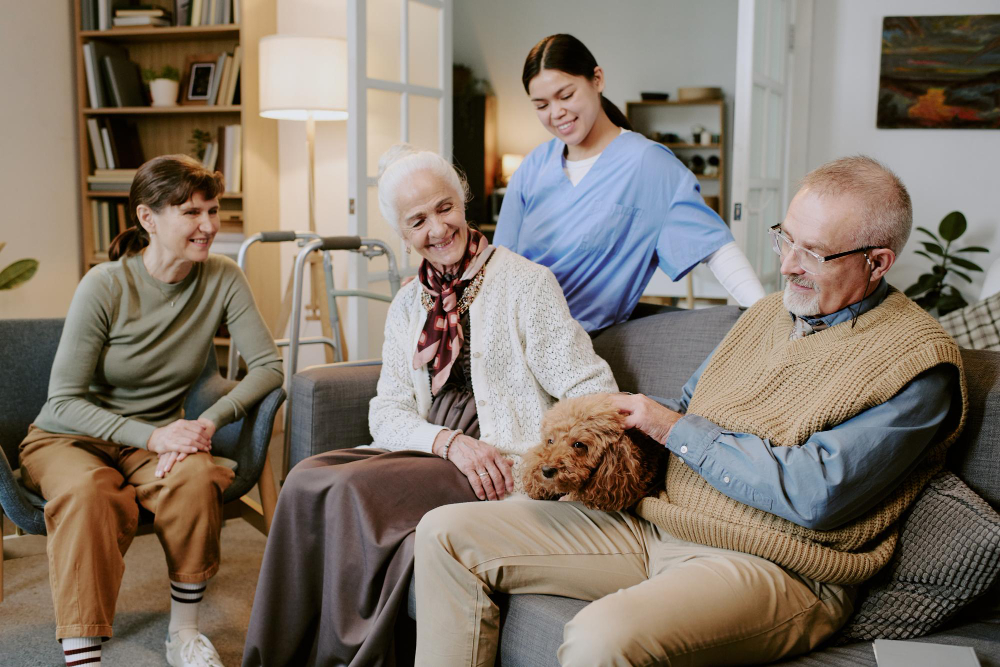
Blog2

The Importance of 24/7 Nursing Support in Care Homes

When it comes to caring for seniors, every minute matters — literally. Health needs can change in an instant, and having 24/7 nursing support can make all the difference between a small issue and a major emergency. Whether it’s monitoring chronic conditions or offering compassionate assistance during late-night discomfort, round-the-clock care gives families something priceless: peace of mind.

In today’s care homes, continuous care isn’t just a feature — it’s a lifeline that ensures seniors receive immediate, expert attention whenever they need it. If you’ve ever wondered why around-the-clock nursing is so important, this guide explains everything you need to know.


Why 24/7 Nursing Support Matters for Seniors

As we age, our bodies become more sensitive, our health conditions become more unpredictable, and support becomes more essential. That’s why 24/7 nursing exists — to ensure seniors are never left waiting for help.

Here’s why it’s so vital:

  • Seniors often require elderly health monitoring

  • Chronic conditions can escalate quickly

  • Medication schedules must be followed precisely

  • Night-time emergencies are common

  • Emotional reassurance is needed day and night

  • Families need confidence in their loved one’s safety

In simple terms, continuous care keeps seniors safe, stable, and comfortable — anytime, anywhere.


What Does 24/7 Nursing Support Include?

While every care home is unique, round-the-clock nursing usually covers a wide range of services designed to protect senior health and wellbeing.

1. Real-Time Health Monitoring

From checking blood pressure to tracking oxygen levels, nurses provide constant observation to detect even the smallest changes.

Monitoring may include:

  • Vital sign checks

  • Blood sugar monitoring

  • Heart rate tracking

  • Mobility supervision

  • Behavioural and cognitive observation

This level of elderly health monitoring helps catch issues early, before they become emergencies.


2. Immediate Medical Support for Seniors

Health emergencies rarely wait for business hours. With 24/7 nursing, seniors receive immediate help for:

  • Breathing difficulties

  • Chest pain

  • Confusion or disorientation

  • Falls and injuries

  • Medication reactions

  • Sudden medical changes

Nurses are trained to act fast, stabilise the situation, and contact doctors or emergency services if needed. This responsiveness improves nursing home safety significantly.


3. Consistent Medication Management

Many seniors take multiple medications throughout the day — and sometimes at night. Missing a dose or taking the wrong one can be dangerous.

Continuous care includes:

  • Timely medication administration

  • Monitoring side effects

  • Ensuring proper dosage

  • Keeping detailed medication records

  • Coordinating updates with doctors

This removes stress from families and prevents medication errors.


4. Hands-On Support With Daily Activities

Even when seniors sleep, their needs don’t stop. Many require assistance during the night.

Nurses provide:

  • Late-night bathroom assistance

  • Positioning for comfort

  • Mobility support

  • Hydration reminders

  • Management of chronic pain

  • Reassurance for anxiety or confusion

Having a nurse available at all hours ensures seniors always have someone they can rely on.


5. Specialised Care for Chronic Conditions

Conditions like dementia, heart disease, COPD, or diabetes require round-the-clock supervision. Nurses ensure that symptoms are monitored, treatments are consistent, and care is personalised.

This may include:

  • Oxygen therapy

  • Diabetes care

  • Respiratory support

  • Heart health monitoring

  • Pain management

  • Wound care

This level of specialised medical support for seniors is essential for maintaining stability.


6. Enhanced Safety and Emergency Preparedness

Care homes have protocols in place for fall prevention, medical emergencies, and sudden health changes — and 24/7 nurses are trained to execute them smoothly.

This includes:

  • Rapid emergency response

  • Fall-prevention strategies

  • Safe mobility techniques

  • Monitoring during the night

  • Reducing risks of complications

This direct supervision dramatically increases overall nursing home safety.


How Continuous Care Improves Quality of Life

Beyond the medical benefits, having nurses available day and night adds comfort, reassurance, and emotional stability to daily life.

1. Emotional Security

Seniors feel more confident knowing help is always available, especially during moments of fear, confusion, or discomfort.

2. Better Sleep Quality

When nighttime needs are met immediately, seniors enjoy deeper and more restful sleep.

3. More Social Interaction

Nurses build trusting relationships with residents, offering companionship alongside care.

4. Reduced Family Stress

Families can relax knowing their loved one is safe 24/7 — no worrying about midnight emergencies.

5. Improved Health Outcomes

Quick detection, immediate action, and continuous monitoring reduce hospital visits and complications.


Signs That Your Loved One May Need 24/7 Nursing Support

You may consider moving a senior into a nursing home with continuous care if you notice:

  • Frequent falls or unsteadiness

  • Slow recovery from illnesses

  • Confusion or memory loss

  • Trouble managing medications

  • Difficulty sleeping due to pain or anxiety

  • Chronic conditions worsening

  • Night-time wandering or restlessness

  • Increasing need for supervision

If any of these signs are familiar, 24/7 nursing can offer peace, stability, and safety.


Behind the Scenes: How Nurses Make Care Homes Safer

A safe care environment isn’t accidental — it’s created through consistent, attentive, and skilled nursing routines.

Nurses contribute to safety by:

  • Conducting risk assessments

  • Maintaining clear health records

  • Following infection control protocols

  • Ensuring hygiene standards

  • Communicating with doctors and families

  • Supervising high-risk residents

  • Keeping emergency equipment ready

This teamwork creates a haven where seniors can thrive without fear.


Choosing a Care Home With 24/7 Nursing Support

When exploring care homes, look for:

✔ Qualified, experienced nursing staff

✔ Clear emergency protocols

✔ On-site medical equipment

✔ Real-time monitoring technology

✔ Strong communication with families

✔ A warm, comforting environment

✔ Specialised care for chronic conditions

The right home will feel safe, supportive, and genuinely connected to its residents.


Conclusion: Continuous Care Is the Heartbeat of Senior Wellbeing

At its core, 24/7 nursing support is about offering seniors the comfort, safety, and respect they deserve. With continuous care, immediate medical support, and compassionate monitoring, seniors live healthier, happier, and more independent lives.

For families, it means knowing that every need — big or small — is met with expertise and kindness, day or night.

How Nursing Care Helps Seniors Manage Chronic Conditions

Growing older is a beautiful journey — but it often comes with health challenges that require extra attention, monitoring, and specialised care. For many families, the real turning point happens when chronic conditions like diabetes, arthritis, heart disease, or dementia begin to affect daily life.

This is where nursing care becomes a lifeline. With the right support, seniors can manage long-term illnesses comfortably, safely, and confidently. In this guide, we’ll uncover exactly how nursing support transforms senior wellbeing, enhances independence, and ensures that chronic conditions don’t limit the joy of everyday living.

Let’s explore the essential role nursing care plays in elderly health management, and how professional caregivers bring comfort, stability, and expert treatment into seniors’ lives.


Understanding Chronic Conditions in Seniors

Chronic conditions are long-term health challenges that usually require ongoing care. Common examples include:

  • Diabetes

  • Hypertension (high blood pressure)

  • Arthritis

  • Heart disease

  • Respiratory conditions like COPD

  • Dementia and Alzheimer’s

  • Kidney disorders

  • Osteoporosis

These conditions may not be curable, but with proper chronic condition care, seniors can enjoy improved quality of life, fewer complications, and greater independence.


Why Nursing Care Is Essential for Seniors With Chronic Illness

Managing chronic illnesses at home can be overwhelming for families. From medication confusion to sudden health changes, the risks can increase without professional guidance.

Here’s where nursing care steps in with life-changing support:

  • Round-the-clock monitoring

  • Specialised elderly health management

  • Timely medication administration

  • Emergency response and prevention

  • Personalised treatment plans

  • Consistent supervision for safety and wellbeing

With expert attention, seniors not only feel safer — they also feel more confident in their day-to-day routine.


How Nursing Care Helps Seniors Manage Their Chronic Conditions

1. Personalised Health Assessments and Care Plans

Every senior is unique, and so is their health journey. Nursing teams create customised care plans tailored to each individual’s:

  • Medical history

  • Current health conditions

  • Medication schedule

  • Dietary needs

  • Mobility levels

  • Emotional and mental wellbeing

These personalised plans ensure that senior medical care is delivered with precision, compassion, and consistency.


2. Medication Management and Monitoring

Medication errors are one of the biggest challenges for seniors with chronic conditions. Forgetting a dose — or taking too many — can cause serious complications.

Nursing care ensures:

  • Scheduled medication administration

  • Monitoring for side effects

  • Adjustments based on doctor recommendations

  • Clear records for improved treatment accuracy

  • Prevention of dangerous interactions

This structured approach to medication management greatly improves elderly safety and health stability.


3. Daily Nursing Support for Ongoing Treatment

Many chronic conditions require daily interventions. Nursing professionals provide hands-on treatment such as:

  • Blood sugar monitoring

  • Blood pressure checks

  • Wound care

  • Oxygen therapy

  • Pain management

  • Mobility assistance

  • Injections and specialised treatment

This consistent nursing support helps manage symptoms before they escalate into emergencies.


4. Nutrition and Diet Planning for Better Health

Food plays a major role in chronic condition care. Seniors with conditions like diabetes, heart disease, or kidney problems require carefully tailored diets.

Nursing care includes:

  • Meal planning tailored to health needs

  • Monitoring hydration

  • Ensuring seniors eat balanced, nutrient-rich meals

  • Supporting weight management

  • Preventing malnutrition

A healthy diet can significantly reduce symptoms and improve long-term health outcomes.


5. Mobility Assistance and Fall Prevention

Chronic conditions often affect strength, balance, and flexibility. Falling even once can lead to severe complications for seniors.

Nursing care provides:

  • Mobility support

  • Safe movement techniques

  • Use of mobility aids

  • Strength-building activities

  • Fall-prevention strategies

With trained professionals nearby, seniors feel more secure and confident moving around.


6. Emotional and Mental Health Support

Chronic illnesses don’t just affect the body — they impact mental wellbeing too. Seniors may experience:

  • Anxiety

  • Depression

  • Confusion

  • Stress

  • Loneliness

Nursing professionals offer companionship, emotional comfort, cognitive stimulation, and support through difficult health phases.

This holistic approach enriches the senior’s entire care experience.


7. Preventing Hospital Readmissions

Recurring hospital visits often happen due to unmanaged symptoms or complications. Nursing care helps prevent unnecessary hospitalisation by:

  • Early detection of health changes

  • Immediate response to symptoms

  • Continuous monitoring

  • Regular communication with doctors

  • Skilled intervention before crises escalate

This not only improves the senior’s health — it also reduces stress for families.


8. Smooth Coordination With Healthcare Providers

Managing multiple chronic conditions often means juggling various doctors and appointments. Nursing care simplifies this by:

  • Coordinating with GPs and specialists

  • Updating doctors on health changes

  • Scheduling follow-ups

  • Providing accurate reports

  • Ensuring consistent care

This seamless communication ensures your loved one receives the best possible nursing home treatment.


Nursing Care Helps Seniors Maintain Independence

Many families worry that moving to a nursing care environment means losing independence — but the reality is the opposite.

With proper support, seniors enjoy:

  • More control over their routines

  • Better physical comfort

  • Safer mobility

  • Improved mental clarity

  • Freedom from stressful health management

  • More time to enjoy hobbies and social activities

Nursing care enhances independence through structured support, not by taking it away.


Lifestyle Benefits of Nursing Care for Seniors

Beyond managing chronic conditions, nursing care improves everyday life through:

✔ Balanced nutrition

✔ Social interaction

✔ Comfortable living spaces

✔ Safety-first design

✔ Fun activities and exercises

✔ Stress-free family visits

With the right combination of medical care and lifestyle support, seniors feel truly at home — and truly cared for.


How to Know If Nursing Care Is the Right Choice

You might consider nursing care if your loved one is:

  • Struggling with multiple chronic conditions

  • Missing medications frequently

  • Experiencing frequent hospitalisations

  • Showing signs of confusion or weakness

  • Losing weight or appetite

  • Feeling isolated or emotionally overwhelmed

  • Having difficulty managing everyday tasks

If any of these apply, transitioning to professional nursing support can significantly improve their quality of life.


Conclusion: Nursing Care Is a Lifeline for Seniors With Chronic Conditions

Chronic illnesses don’t have to limit comfort, independence, or joy. With professional chronic condition care and specialised nursing support, seniors can live stable, fulfilling, and enriched lives.

Nursing care acts as a bridge — connecting medical expertise with daily compassion, helping seniors feel secure, supported, and valued every single day.


Ready to Explore Quality Nursing Care?

Discover how our nursing services can help your loved one manage chronic conditions with confidence and comfort.
Explore our care options today and take the first step toward healthier, happier senior living.

Signs Your Loved One May Benefit from Residential Care

Caring for an aging loved one is one of the most meaningful acts of love — but it also comes with tough decisions. One of the hardest choices families face is knowing when it’s time for residential care. The truth? The signs often appear gradually, and many families miss them until daily life becomes stressful or unsafe.

If you’ve noticed changes in your loved one’s behaviour, safety, or health, this guide will help you understand the key residential care signs, what they mean, and how to make a confident, compassionate assisted living decision.

Grab a cup of tea, take a breath, and let’s walk through the signals that indicate it may be time for a care home transition — all explained in a calm, friendly, and supportive tone.


Why Recognizing the Signs Early Is Important

Before we dive in, here’s the truth:
Supporting a senior before a crisis happens is one of the greatest gifts a family can give.

Noticing the signs early allows you to:

  • Ensure elderly safety

  • Prevent accidents or medical emergencies

  • Reduce stress for caregivers

  • Improve quality of life for seniors

  • Plan a smooth and positive transition

Residential care isn’t about loss of independence — it’s about increasing comfort, dignity, and daily wellbeing.


Key Signs Your Loved One May Need Residential Care

Below are the most common and important signs that your aging family member may benefit from moving into a supportive residential care environment.


1. Increasing Safety Risks at Home

Home should feel safe — but for many seniors, daily living starts to include hazards.

Look for signs such as:

  • Frequent falls or near-falls

  • Difficulty climbing stairs

  • Burns, cuts, or injuries

  • Forgetting to turn off appliances

  • Wandering or getting lost

  • Leaving doors or windows unlocked

These are strong indicators that elderly safety is at risk.
Residential care homes offer 24/7 monitoring, fall-prevention design, and quick access to help when needed.


2. Struggles With Daily Activities (ADLs)

If your loved one is having trouble with basic Activities of Daily Living (ADLs), it may be time to consider professional support.

Common difficulties include:

  • Bathing or grooming

  • Dressing appropriately

  • Using the bathroom

  • Eating regularly

  • Managing mobility

  • Maintaining personal hygiene

When these routine tasks become overwhelming, a residential care setting ensures dignity, stability, and personalised assistance.


3. Noticeable Decline in Physical or Cognitive Health

Cognitive and physical changes can appear slowly, but they are significant indicators of senior care needs.

Watch for:

  • Memory lapses

  • Confusion or disorientation

  • Difficulty managing medications

  • Slower walking or balance issues

  • Chronic health conditions worsening

  • Missed medical appointments

  • Fatigue or sleeping inconsistencies

Residential care homes provide medication management, coordinated healthcare support, and consistent monitoring.


4. Poor Nutrition or Sudden Weight Changes

Food is essential — not just for health but for happiness.
However, many seniors quietly struggle with eating.

Signs include:

  • Spoiled food in the fridge

  • Skipping meals

  • Unexplained weight loss or weight gain

  • Forgetting to eat

  • Reliance on unhealthy snacks

Residential care ensures balanced meals, customised dietary plans, and gentle reminders to maintain healthy routines.


5. Declining Personal Hygiene

If someone who once cared deeply about their appearance suddenly stops, it may reflect deeper challenges.

Indicators include:

  • Unwashed hair

  • Wearing the same clothes for days

  • Noticeable body odour

  • Long or unclean nails

  • Poor dental hygiene

This often means your loved one is overwhelmed — not careless.
Residential care offers respectful personal support that boosts confidence and self-esteem.


6. Social Withdrawal or Loneliness

Loneliness is one of the most common emotional challenges seniors face — and one of the most dangerous.

Watch for signs like:

  • Isolation

  • Depression or low moods

  • Loss of interest in hobbies

  • Avoiding phone calls or visits

  • No longer attending social events

  • Reduced energy or motivation

A thriving residential care home provides built-in companionship, group activities, and emotional support that help seniors feel connected and uplifted.


7. Increasing Caregiver Stress or Burnout

Sometimes the signs come not from the senior — but from the caregiver.

Common indicators include:

  • Feeling overwhelmed

  • Lack of sleep

  • Emotional fatigue

  • Inability to balance work and caregiving

  • Physical exhaustion

  • Guilt for not being able to do enough

Residential care can bring relief, allowing families to focus on quality time rather than constant caretaking tasks.


8. The Home Environment Is Becoming Difficult to Manage

A home that has always been tidy may suddenly become:

  • Cluttered

  • Untidy

  • Unclean

  • Overwhelming to maintain

Unopened mail, unpaid bills, dirty dishes, or laundry piling up can be signs that your loved one needs more structured daily support.


9. Confusion With Medications and Appointments

Medication mismanagement can become dangerous quickly.

Look for:

  • Missed doses

  • Double-dosing

  • Forgetting prescriptions

  • Not understanding medical instructions

  • Avoiding doctor appointments

Residential care provides medication supervision and medical coordination to keep health on track.


10. A Gut Feeling That Something Isn’t Right

Families often sense the need before they fully understand it.

If you:

  • Feel worried when you’re not with them

  • Find yourself checking in more frequently

  • Notice regular “small incidents”

  • Feel unsure about their safety

…your instincts may already be pointing toward a care home transition.


How Residential Care Supports Your Loved One

Once the signs are clear, residential care can offer transformative benefits:

✔ 24/7 supervision and support

✔ Personalised care plans

✔ Social engagement and activities

✔ Nutritious meals and hydration monitoring

✔ Safer living environment

✔ Medication management

✔ Emotional and mental wellbeing support

✔ Companionship and community

Residential care isn’t just a place to live — it’s a place to thrive.


How to Make the Assisted Living Decision With Confidence

Here’s how to move forward thoughtfully:

1. Start the conversation early

Discuss concerns gently and openly with your loved one.

2. Get a professional assessment

Doctors and geriatric specialists can help evaluate care needs.

3. Visit care homes together

Seeing the environment firsthand helps reduce fear and uncertainty.

4. Focus on quality of life

Remind your loved one that the goal is comfort, not restriction.

5. Involve family members

A united decision leads to a smoother transition.


Conclusion: Recognizing the Signs Helps Protect Their Future

Seeing the signs isn’t easy — acknowledging them is even harder.
But understanding when your loved one may benefit from residential care allows you to act with compassion, confidence, and clarity.

By stepping in at the right time, you’re giving your loved one:

  • A safer environment

  • Better everyday support

  • More social connection

  • Healthier routines

  • A more joyful life

And sometimes, that’s the greatest care of all.


Ready to Learn More?

Explore our care services, take a virtual tour, or speak with our friendly team to understand how we can support your loved one’s wellbeing.
Your peace of mind begins with the right care — let’s take the next step together.

How Residential Care Supports Seniors With Daily Living

Aging can be beautiful — but it becomes even more graceful when seniors receive the right support at the right time. Residential care plays a crucial role in helping older adults live comfortably, confidently, and independently, even when daily tasks become challenging.

In this guide, we’ll explore how residential care empowers seniors with compassionate assistance, safe environments, and personalised routines that make everyday living easier and more fulfilling.


What Is Residential Care?

Residential care is a specialised living arrangement designed for seniors who require daily assistance, personal care, and a supportive community environment. Unlike independent living, residential care homes provide round-the-clock caregiving, structured routines, and tailored support for both physical and emotional needs.

From help with bathing to medication reminders, residential care bridges the gap between independence and full-time medical care, making it ideal for seniors who want comfort, dignity, and stability.


Why Daily Living Support Matters for Seniors

As people age, everyday activities — also known as Activities of Daily Living (ADLs) — can become harder. These include:

  • Bathing and grooming

  • Dressing

  • Eating and meal preparation

  • Mobility and walking

  • Toileting and personal hygiene

  • Medication management

When seniors struggle with these essential tasks, it impacts their health, confidence, and emotional well-being. Residential care ensures they receive the help they need while maintaining independence and respect.


How Residential Care Supports Senior Daily Living

1. Personalised Personal Care for Every Senior

Every resident has unique needs. Residential care homes offer personal care plans tailored for each individual. These plans usually include:

  • Hands-on help with bathing and grooming

  • Dressing and appearance support

  • Toileting and continence assistance

  • Mobility and walking support

  • Meal assistance

This personalised approach ensures seniors feel comfortable, supported, and well cared for.


2. Assisted Living Support That Encourages Independence

Residential care isn’t about taking away independence — it’s about empowering seniors to live safely and comfortably. Staff are trained to offer just the right amount of help.

This includes:

  • Encouraging seniors to participate in daily tasks

  • Providing mobility aids

  • Helping with challenging activities while allowing independence where possible

  • Offering gentle reminders and supervision

The balance between support and autonomy helps seniors thrive.


3. Safe and Comfortable Living Environment

A safe home environment is crucial for elderly assistance. Residential care homes offer:

  • Secure buildings with 24/7 staff presence

  • Fall-prevention design

  • Emergency alert systems

  • Fully maintained rooms

  • Clean, hygienic spaces

By removing risks and hazards, seniors can enjoy peace of mind and greater physical safety every day.


4. Support With Medications and Health Needs

Medication confusion is one of the biggest causes of health complications in older adults. Residential care ensures:

  • Timely medication administration

  • Monitoring of health conditions

  • Coordination with doctors and specialists

  • Records of treatments and progress

This constant oversight helps prevent errors and supports better long-term health outcomes.


5. Emotional & Social Well-Being

Living alone can become isolating for seniors. Residential care encourages vibrant social living through:

  • Group activities

  • Music, crafts, and gentle fitness

  • Games and cultural programs

  • Celebrations and themed events

  • Shared dining experiences

These interactions uplift emotional well-being, reduce loneliness, and build a sense of community.


Additional Benefits of Residential Care for Seniors

Nutritional Support and Daily Meals

Seniors receive balanced, nutritious meals prepared by trained staff. Special diets and preferences are also accommodated, ensuring both health and enjoyment.

Housekeeping & Laundry Assistance

Tasks like cleaning and laundry can be physically demanding. Residential care relieves seniors from these chores, ensuring a clean and organised living space.

24/7 Professional Support

Caregivers are available day and night, offering reassurance and immediate help whenever needed — something most families cannot provide around the clock.

Engaging Activities for Better Daily Living

From gardening to afternoon tea, activities are designed to promote mental stimulation, mobility, and joy.


Choosing the Right Residential Care Home

When selecting a care home, look for:

  • Qualified, friendly staff

  • Clean and safe facilities

  • Personalised care plans

  • Positive reviews or recommendations

  • A warm, welcoming atmosphere

  • Engaging activities and lifestyle programs

  • Transparent care processes

A good care home feels like a real home — safe, supportive, and full of comfort.


How Residential Care Promotes Dignity & Quality of Life

Above all, residential care focuses on preserving dignity. Seniors receive help without feeling dependent or burdensome. Through personalised routines and nurturing support, they enjoy a meaningful, enriched lifestyle.

Residential care isn’t just about assistance — it’s about elevating everyday living and ensuring seniors feel valued, respected, and cherished.


Conclusion: Supporting Seniors With Confidence and Compassion

Residential care plays a transformative role in enhancing senior daily living by providing personalised care, emotional support, and a safe, enriching environment. Whether a senior needs help with daily tasks, companionship, or health monitoring, residential care ensures they live with dignity, comfort, and joy.

Inside Park View: How Modern Design Creates a True Home

Step inside Park View, and you immediately sense something different — something warm, familiar, and uplifting. It doesn’t feel like a traditional care home. It feels like home. Soft lighting, natural textures, inviting lounge spaces, and thoughtfully designed private rooms all work together to create a comforting environment where seniors can relax, connect, and truly belong. This is the power of intentional, modern care facility design. It brings style, comfort, and wellbeing together in one beautifully balanced space. In this article, we explore how senior home design, innovative layout choices, and thoughtful interiors make Park View a standout residential care home that places comfort and dignity at the heart of everything.

The Vision Behind Park View’s Modern Care Facility Design

Park View was created with a simple yet powerful belief: a care home should feel like a real home — not a hospital, not a ward, not a waiting room. The goal was to combine the safety and support of a professional care facility with the warmth and personality of a familiar home environment. Through this vision, Park View delivers:
  • Comfort
  • Independence
  • Emotional wellbeing
  • Social connection
  • Everyday enjoyment
Every detail in the building was designed to help seniors feel secure, relaxed, and welcomed.

What Makes a Home “Feel Like Home” for Seniors?

For older adults, feeling at home goes beyond a cosy sofa or pretty décor. It’s about familiarity, comfort, and control over their personal space. A homelike environment should include:
  • Warm lighting
  • Natural textures and colours
  • Quiet, peaceful corners
  • Easy navigation
  • Familiar furniture styles
  • Spaces that encourage social interaction
  • Comfort-focused layouts
Park View’s design brings together all these elements to nurture a sense of safety, identity, and belonging.

1. Thoughtful Senior Home Design That Prioritises Comfort

Park View’s design begins with one important question: What makes seniors feel at ease?

Warm, Calming Interiors

Soft colours, natural light, and warm materials create a peaceful atmosphere. These design choices help:
  • Reduce stress
  • Support cognitive wellbeing
  • Promote relaxation

Comfort-Centred Furniture

Chairs with supportive backs, soft cushions, and easy-grip armrests help seniors sit comfortably and move confidently.

Quiet Areas for Rest and Privacy

Not every senior wants constant activity. Park View includes calm areas where residents can relax, read, or simply enjoy quiet moments.

2. Modern Care Facility Design Blending Style and Function

Modern design isn’t just about aesthetics — it’s about making daily life easier and more enjoyable for residents.

Accessible Layouts

Park View’s layout ensures:
  • Smooth pathways
  • Wide corridors
  • Handrails throughout
  • Easy access to essential areas
This promotes independence and reduces fall risks.

Smart Lighting Systems

Balanced lighting helps reduce confusion, particularly for residents with vision changes or dementia.

Spacious Common Areas

The communal lounges and dining areas feel open, airy, and bright — encouraging socialising without feeling crowded.

3. A Homelike Environment for Seniors Through Personalisation

One of the most powerful features of Park View is the ability for residents to personalise their space.

Private Rooms Designed as Personal Retreats

Rooms feature:
  • Light-filled windows
  • Soft-textured bedding
  • Modern, elegant furniture
  • Safe flooring
  • Room for cherished belongings
Families can bring in:
  • Photographs
  • Artwork
  • Favourite cushions
  • Personal décor
These touches transform rooms into meaningful, personalised homes.

4. Residential Care Comfort Through Nature-Inspired Design

Park View embraces the calming influence of nature.

Large Windows and Garden Views

Natural light promotes:
  • Better sleep
  • Improved mood
  • Enhanced wellbeing
Seniors can enjoy serene views of landscaped gardens directly from their rooms or lounges.

Outdoor Spaces Designed for Relaxation

Park View’s gardens include:
  • Walking paths
  • Seating areas
  • Flower beds
  • Green spaces for social activities
This supports nature-based wellbeing, especially important for residents who enjoy fresh air and light movement.

5. Comfort-Focused Dining Spaces That Feel Like Family Kitchens

Food plays a big role in creating a homelike environment. Park View’s dining areas are designed to feel welcoming, familiar, and social.

Features include:

  • Warm lighting
  • Cosy table settings
  • Comfortable seating
  • Soft background music
Mealtimes feel like family gatherings, not clinical routines.

6. Safe, Stylish Bathrooms Designed for Dignity

Bathrooms are one of the most important areas of senior home design. Park View includes:
  • Slip-resistant flooring
  • Support rails
  • Accessible showers
  • Comfort-height toilets
  • Easy-to-use taps and fixtures
These design features maintain resident dignity and independence while supporting safety.

7. Social Spaces Created to Encourage Community

Park View understands that wellbeing isn’t just physical — it’s social and emotional too.

Carefully designed social spaces include:

  • Activity rooms
  • TV lounges
  • Tea and conversation corners
  • Craft and hobby areas
  • Garden seating
By blending comfort with community, these spaces help residents feel connected, supported, and happy.

8. Park View Facility Features That Elevate the Resident Experience

Park View goes beyond basic care with design features that uplift everyday living.

Notable facility features include:

  • Secure, peaceful grounds
  • Modern wellbeing rooms
  • Multi-sensory environments
  • Wheelchair-accessible design
  • Climate control for year-round comfort
  • Quiet rooms for reflection or family visits
These thoughtful additions ensure seniors receive care that is both practical and luxurious.

9. Memory-Friendly Design for Residents With Dementia

Park View incorporates dementia-friendly design principles to promote safety and confidence.

These include:

  • Clear signage
  • Colour-contrasted spaces
  • Simple navigation routes
  • Familiar room layouts
  • Reduced noise levels
This reduces confusion and encourages independence.

10. Homelike Aesthetics That Reduce Stress and Anxiety

The emotional benefits of a homelike environment cannot be overstated. Park View’s design helps seniors feel:
  • Calmer
  • More settled
  • Less overwhelmed
  • Emotionally supported
A peaceful environment leads to better sleep, improved mood, and increased participation in daily activities.

Why Modern Design Matters in Today’s Residential Care Settings

Modern care facility design isn’t just about comfort — it’s about dignity, independence, and wellbeing.

Benefits of modern senior home design include:

  • Better quality of life
  • Increased mobility
  • Fewer falls and injuries
  • Greater emotional stability
  • Enhanced social engagement
  • Higher resident satisfaction
Park View demonstrates how design can make everyday life safer, richer, and more joyful.

Final Thoughts: Park View Feels Like Home — Because It Was Designed That Way

Park View isn’t simply a care home — it’s a thoughtfully crafted living environment where seniors can thrive. By blending beautiful interiors, practical layouts, and a warm, homelike atmosphere, Park View ensures residents feel welcomed, comfortable, and deeply cared for. Through intentional, modern design, the facility supports independence, connection, and happiness — the true foundations of a meaningful home.

Want to Experience the Warmth and Comfort of Park View?

Discover how our modern design, personalised rooms, and welcoming community create an environment where seniors truly feel at home. Contact us today to book a visit or learn more about our facilities.  

The Benefits of Having Dedicated In-House Care Teams

When it comes to senior care, nothing matters more than trust, consistency, and comfort. And that’s exactly where dedicated in-house care teams shine. Instead of relying on rotating agency staff or unfamiliar faces, care homes with in-house teams offer continuity, familiarity, and truly personalised attention. From stronger relationships to higher-quality support, the advantages are felt not just by seniors — but by families and care home staff as well. In this article, we’ll explore the many in-house care team benefits, how they elevate senior care quality, and why they’re becoming an essential part of modern residential care.

What Are In-House Care Teams?

In-house care teams are caregivers, nurses, wellbeing staff, and support professionals employed directly by the care home. They work full-time or long-term within the same environment, supporting the same residents daily. Unlike agency staff who may rotate frequently, in-house teams offer:
  • Familiar faces
  • Consistent routines
  • Deep understanding of resident needs
  • Personalised and specialized elderly care
This structure creates a more stable, nurturing, and trustworthy care environment.

Why Dedicated In-House Teams Are the Heart of Quality Senior Care

A consistent, well-trained team plays a key role in overall senior care quality. From emotional comfort to clinical precision, in-house caregivers create an environment where seniors feel safe, seen, and truly cared for. Here’s why in-house care teams make such a meaningful difference.

1. Consistent Caregiving That Builds Trust

Consistency is everything in senior living — especially for residents with cognitive challenges, mobility issues, or emotional sensitivities.

How consistent caregiving helps:

  • Seniors feel more secure with familiar caregivers
  • Daily routines become calmer and smoother
  • Trust develops naturally over time
  • Care plans stay consistent and accurate
  • Families feel more confident in the care being provided
When seniors see the same caregivers each day, it reduces anxiety and builds deep, meaningful relationships.

2. Stronger Personal Connections With Residents

In-house teams have time to truly understand each resident’s:
  • Personality
  • Habits
  • Comfort preferences
  • Health needs
  • Emotional triggers
  • Communication style
This creates personalised care experiences that simply aren’t possible with rotating external staff. Caregivers often know:
  • How warm a resident likes their tea
  • Which side they prefer to sleep on
  • The stories that make them smile
  • The cues that indicate discomfort
These small but powerful details make care feel more human, compassionate, and thoughtful.

3. Higher Senior Care Quality Through Familiarity

Continuity allows caregivers to quickly spot changes in health, behaviour, or mood. Because they know each resident deeply, they can identify subtle signals that might go unnoticed by agency workers.

Examples of benefits:

  • Early detection of health issues
  • Faster response to emotional needs
  • Improved accuracy in medication support
  • Safer mobility assistance
  • Better coordination with nurses and clinicians
This kind of specialised elderly care improves outcomes and enhances everyday wellbeing.

4. Faster and More Effective Communication

In-house care teams communicate more efficiently because they work together every day. They share updates quickly, collaborate smoothly, and respond promptly to emerging needs.

Communication strengths of in-house staff:

  • Clear handovers
  • Shared care notes
  • Team-based problem-solving
  • Faster decision-making
  • Better consistency in care plans
This leads to better stability and fewer gaps in care.

5. Stronger Emotional Support for Seniors

Seniors thrive when surrounded by people they know and trust. In-house caregivers often become like extended family members, offering emotional comfort that can’t be replicated by temporary staff.

Emotional benefits include:

  • Reduced loneliness
  • Increased confidence
  • Greater willingness to engage in activities
  • Enhanced sense of belonging
  • Improved wellbeing and mood
For seniors living with dementia, familiarity is especially important for reducing confusion and anxiety.

6. Specialized Elderly Care Tailored to Individual Needs

Because in-house caregivers know residents so well, they can provide highly personalised, specialized elderly care, including:
  • Dementia care
  • Mobility and fall-prevention support
  • Chronic condition management
  • Behavioural support
  • Nutritional and dietary assistance
  • End-of-life comfort care
This deep knowledge helps staff anticipate needs, adapt quickly, and deliver care that feels intuitive and seamless.

7. Improved Stability and Lower Stress in Care Environments

In-house teams bring structure, predictability, and calmness to the care home environment.

They help create:

  • Smooth daily routines
  • Balanced workloads
  • Better-resourced shifts
  • Less stress for residents
  • More peaceful communal spaces
This stability improves not only the resident experience but also the overall atmosphere of the care home.

8. High Staff Morale and Better Training

When care homes invest in their teams, the teams invest back in their residents.

In-house employment supports:

  • Continuous training
  • Skill development
  • Career growth
  • Team spirit
  • Strong leadership
This leads to motivated staff who genuinely care — not just temporary workers fulfilling a shift.

9. Reduced Errors and Increased Safety

Because in-house staff know:
  • Each resident’s medication
  • Mobility challenges
  • Feeding requirements
  • Personal behavioural patterns
…they are less likely to make mistakes. This familiarity enhances overall safety and reduces risks associated with care transitions or new staff onboarding.

10. Residential Staff Advantages for Families

Families feel reassured when they see consistent, familiar caregivers supporting their loved one.

Families benefit through:

  • Easier communication
  • Stronger relationships with staff
  • More transparency
  • Peace of mind knowing who is providing care
  • Confidence that their loved one is understood and valued
Trust between families and caregivers is essential — and in-house teams make it stronger.

11. Enhanced Activity Programs and Social Engagement

In-house staff understand what each resident enjoys, which allows them to tailor activities, wellbeing programs, and social moments more effectively. Examples include:
  • Activities based on personal preferences
  • Encouragement for residents who need extra support
  • Consistent participation in physical, cognitive, or creative sessions
This personalised engagement leads to improved emotional and cognitive wellbeing.

What Makes In-House Care Teams More Effective Than Agency Staff?

In-House Care Teams Agency/External Staff
Familiar with residents Often unfamiliar
Provide consistency Rotating schedules
Build relationships Limited interaction
Specialised training for the home General training
Strong communication Varies day-to-day
High accountability Lower continuity
This comparison highlights why in-house teams provide superior long-term care quality.

Final Thoughts: In-House Care Teams Are the Foundation of Exceptional Senior Care

The presence of a dedicated in-house care team transforms a care home from a service into a community. Through consistent caregiving, emotional connection, and specialised elderly care, these teams create an environment where seniors feel safe, valued, and understood. For families seeking the very best care experience, in-house staffing isn’t just a benefit — it’s a game-changer.  

How Gardening Programs Improve Senior Wellbeing

There’s something magical about watching a seed turn into a flower — something calming, joyful, and deeply therapeutic. For seniors, this magic is more than a hobby; it’s a meaningful path to better health, happiness, and emotional peace. Gardening programs in care homes have become one of the most powerful wellbeing programs for seniors, offering everything from physical activity to sensory stimulation, social connection, and improved mental health. In fact, senior gardening benefits go far beyond what many families expect. In this article, we explore how horticulture therapy, outdoor activities for the elderly, and nature therapy for seniors work together to improve wellbeing — one plant, one flower, and one peaceful moment at a time.

Why Gardening Matters in Senior Living

Gardening is more than a leisure activity. For older adults, it is a form of therapy, expression, and connection. Seniors often experience loneliness, limited physical activity, or reduced mental stimulation. Gardening gently restores joy, purpose, and routine. Here’s why gardening is especially significant for older adults:
  • It connects them with nature 
  • It reduces stress and anxiety 
  • It provides gentle physical exercise 
  • It stimulates memory and cognitive function 
  • It creates social interaction opportunities 
  • It boosts mood and encourages positive thinking 
When integrated into a care home’s wellbeing program, gardening becomes a powerful tool for enhancing quality of life.

Understanding Horticulture Therapy

Horticulture therapy, sometimes called therapeutic gardening, uses plants and outdoor activities to support emotional, cognitive, and physical health. It’s widely used in care homes, dementia care environments, and rehabilitation centres. Horticulture therapy includes activities such as:
  • Planting seeds and flowers 
  • Watering and nurturing plants 
  • Harvesting vegetables and herbs 
  • Creating container gardens 
  • Sensory gardening (touch, smell, colour) 
  • Nature-based mindfulness exercises 
  • Outdoor walks and garden maintenance 
This therapy is guided by trained staff who help seniors engage safely and meaningfully in each activity.

The Physical Benefits of Gardening for Seniors

Gardening is gentle yet effective exercise — perfect for seniors with varying mobility levels.

1. Improved Strength and Flexibility

Simple movements like reaching, bending, stretching, and lifting help:
  • Strengthen muscles 
  • Maintain joint flexibility 
  • Enhance balance 
  • Improve hand–eye coordination 
These activities are especially beneficial for seniors recovering from mobility limitations.

2. Boosted Motor Skills

Fine-motor tasks like planting seeds or trimming small plants enhance:
  • Hand strength 
  • Finger mobility 
  • Dexterity 
This is particularly helpful for seniors with arthritis or limited grip strength.

3. Encouraging Daily Movement

Since many seniors have sedentary routines, gardening offers safe, enjoyable, and purposeful physical activity.

The Emotional and Mental Benefits of Gardening Programs

Gardening is known to lift spirits and create emotional stability, especially for seniors experiencing loneliness or cognitive decline.

1. Reduces Stress and Promotes Relaxation

Being outdoors naturally lowers stress hormones. Gardening offers:
  • Calmness 
  • Emotional grounding 
  • Peaceful distraction 
  • Stress relief 
Nature has a therapeutic effect that nurtures emotional wellbeing.

2. Supports Memory and Cognitive Function

Gardening stimulates the brain through:
  • Planning tasks 
  • Following steps 
  • Recognising plants 
  • Using sensory memory 
This is particularly beneficial for seniors with early dementia or cognitive decline.

3. Boosts Mood and Reduces Depression

Green spaces and sunshine increase serotonin levels, improving mood. Seniors often report feeling:
  • Happier 
  • More optimistic 
  • More engaged 
The sense of accomplishment from growing plants also boosts confidence.

Social Benefits: Bringing Seniors Together

Gardening programs create opportunities for seniors to connect with others. This reduces feelings of isolation and encourages social wellbeing.

Group gardening encourages:

  • Shared conversations 
  • Teamwork 
  • Social bonding 
  • Purposeful interaction 
  • Peer encouragement 
Working together on a garden fosters friendships and gives seniors something meaningful to share.

Nature Therapy for Seniors: Benefits Beyond the Garden

Nature doesn’t just heal — it inspires. Nature therapy for seniors extends beyond gardening beds and includes:
  • Garden walks 
  • Outdoor meditation 
  • Bird watching 
  • Sunlight therapy 
  • Sensory garden experiences 
These activities promote mindfulness, calmness, and emotional clarity.

Sensory gardens are especially powerful because they engage:

  • Smell (herbs and flowers) 
  • Touch (soft leaves, soil) 
  • Sight (colourful plants) 
  • Sound (birdsong, water features) 
This multi-sensory experience is incredibly helpful for seniors with dementia, anxiety, or depression.

How Gardening Strengthens Senior Dignity and Purpose

Many seniors feel a loss of independence or identity as they age. Gardening restores a sense of purpose, responsibility, and self-worth. They may think:
  • “I helped grow this.” 
  • “These flowers are my contribution.” 
  • “I nurtured something beautiful.” 
This encourages:
  • Confidence 
  • Pride 
  • Emotional stability 
  • A sense of achievement 
Even small gardening tasks remind seniors that they still have skills, value, and purpose.

Outdoor Activities for the Elderly: More Than Just Gardening

Gardening often leads to other enriching outdoor activities, such as:
  • Fresh-air walking sessions 
  • Tea or social gatherings in the garden 
  • Light stretching classes 
  • Bird feeder refilling 
  • Nature art sessions 
Each activity encourages movement, creativity, and connection with nature.

Gardening for Seniors With Limited Mobility

Gardening programs can be adapted for seniors with limited mobility or disabilities. Inclusive options include:

Adaptive gardening tools:

  • Lightweight tools 
  • Extended-handle instruments 
  • Ergonomic grips 

Raised garden beds:

Allow seniors to garden comfortably without bending.

Container gardening:

Perfect for wheelchair users or those who prefer seated gardening.

Indoor gardening:

Herb gardens, tabletop planters, and mini greenhouses bring nature indoors. Inclusivity ensures every senior can enjoy gardening, regardless of physical limits.

The Role of Care Home Staff in Gardening Programs

Well-trained staff support safe and enriching gardening experiences by:
  • Guiding seniors through activities 
  • Ensuring safety and accessibility 
  • Offering emotional encouragement 
  • Monitoring physical movement 
  • Helping with plant maintenance 
Their involvement ensures that gardening is both therapeutic and secure.

Why Families Love Gardening Programs

Families appreciate gardening programs because:
  • They see improvements in their loved one’s mood 
  • Seniors become more active and engaged 
  • It provides new shared experiences during visits 
  • Gardens make the care home environment feel warm and welcoming 
A thriving garden often becomes a favourite place for family moments.

Creating Garden Moments That Matter

Gardening programs create meaningful experiences such as:
  • First-time plant sprouts 
  • Harvesting fresh herbs 
  • Creating flower arrangements 
  • Smelling freshly grown mint or lavender 
  • Sharing gardening stories 
These moments stay with seniors and bring daily joy.

Final Thoughts: The Transformative Power of Gardening

Gardening programs are more than recreational activities — they are healing experiences that support physical health, emotional resilience, cognitive function, and social connection. Whether it’s planting a seed, touching soft leaves, or enjoying sunshine on a peaceful afternoon, gardening offers seniors a beautiful way to stay active, engaged, and inspired.

Small Acts of Kindness That Make End-of-Life Care Meaningful

The final stage of life is a tender, emotional chapter — and during this time, it’s often the smallest acts of kindness that make the biggest impact. A warm touch, a favourite song, a gentle conversation, or simply sitting in silence can transform the atmosphere around a senior receiving end-of-life care. These moments don’t require medical expertise or heroic gestures. Instead, they require compassion, presence, and a genuine desire to bring comfort. In end-of-life care, these small but meaningful acts create emotional warmth, restore dignity, and ensure seniors feel deeply valued. In this article, we’ll explore how everyday gestures, combined with meaningful care moments, end-of-life kindness, and compassionate caregiving, shape a peaceful and dignified journey.

Why Small Acts Matter in End-of-Life Care

End-of-life care is not solely about pain management or medical treatment — it’s about human connection. Seniors often face fear, uncertainty, loneliness, or emotional fatigue. Small acts of kindness help bridge those emotional gaps. These gestures matter because they:
  • Encourage emotional comfort
  • Strengthen trust between caregivers and seniors
  • Honour personal dignity
  • Create a peaceful environment
  • Support families through difficult moments
In palliative care support settings, these small acts become powerful symbols of empathy and love.

The Power of Small, Meaningful Care Moments

1. Gentle Touch That Provides Comfort and Security

One of the simplest and most meaningful acts of kindness is gentle physical contact. A soft handhold or a warm touch on the shoulder can ease anxiety and offer emotional reassurance. This type of compassionate caregiving helps seniors feel:
  • Supported
  • Connected
  • Emotionally safe
  • Less alone
Touch-based reassurance is especially soothing when words are difficult to express or understand.

2. Listening With Genuine Presence

For many seniors, the need to be heard becomes stronger at the end of life. Listening without rushing or interrupting can make them feel respected and valued. Meaningful listening includes:
  • Allowing seniors to share memories
  • Encouraging reflection
  • Offering patience during long pauses
  • Showing emotional presence
These moments give seniors dignity and help them feel their life story matters.

3. Reading Their Favourite Book or Poetry

A familiar voice reading a favourite poem, story, or religious text can be incredibly comforting. These readings reconnect seniors with something familiar, emotional, and calming. This simple act becomes meaningful because it:
  • Evokes positive memories
  • Provides peace during restlessness
  • Offers spiritual or emotional grounding
  • Strengthens the caregiver–senior bond
Even short readings can fill a room with peace and connection.

4. Playing Calming or Beloved Music

Music is a universal language — especially powerful in palliative care. Playing a senior’s favourite songs or soothing melodies creates moments of calm. Benefits of music in end-of-life kindness:
  • Reduces stress and agitation
  • Encourages emotional expression
  • Evokes comforting memories
  • Builds a peaceful atmosphere
Whether it’s gentle classical music or nostalgic hits from their youth, music can bring comfort in unexpected ways.

5. Celebrating Small Wins and Personal Milestones

Even during end-of-life care, celebrating moments—no matter how small—can uplift the spirit. Whether a senior eats well that day, sleeps peacefully, or enjoys a visit, acknowledging those wins fosters joy. Simple celebrations include:
  • Bringing flowers
  • Making a favourite snack
  • Displaying family photos
  • Hosting a mini “memory moment”
These gestures reinforce dignity and remind seniors that their journey is still meaningful.

6. Offering Warmth Through Small Comforts

Comfort doesn’t always come from big actions. Sometimes it’s in the little details, such as:
  • Warming a blanket before placing it
  • Bringing their favourite mug of tea
  • Adjusting a pillow gently
  • Ensuring their room smells calming
  • Softening lighting to reduce discomfort
These thoughtful gestures show genuine care and attentiveness.

7. Speaking With Softness and Respect

The tone of voice used in end-of-life care matters immensely. Soft, gentle speech communicates compassion and helps ease emotional tension. Kind communication looks like:
  • Using reassuring phrases
  • Speaking slowly and calmly
  • Addressing seniors by their preferred name
  • Acknowledging their feelings
  • Offering comfort through simple, sincere words
A respectful tone helps maintain senior dignity even during vulnerable moments.

8. Supporting Spiritual Traditions and Rituals

Many seniors find solace in spiritual practices—whether religious or personal. Helping them maintain these rituals is a small act with immense emotional impact. Examples include:
  • Reading spiritual texts
  • Lighting an LED candle
  • Playing devotional music
  • Supporting prayer sessions
  • Contacting spiritual advisers
These moments provide seniors with peace, grounding, and emotional closure.

9. Creating a Peaceful Environment

A calm, organised space contributes significantly to emotional wellbeing. Caregivers often make small adjustments that help seniors feel more relaxed. Meaningful environment adjustments include:
  • Decluttering the room
  • Adding soft blankets
  • Displaying cherished items
  • Using calming aromatherapy
  • Ensuring natural light when possible
The result is a sanctuary-like environment that supports emotional comfort.

10. Helping Seniors Express Their Wishes

Sometimes, the kindest act is helping seniors express their needs or preferences—whether about comfort, visitors, or personal items. This may include:
  • Asking simple, thoughtful questions
  • Encouraging gentle communication
  • Ensuring their preferences are honoured
When seniors feel heard, their sense of dignity and control increases.

Acts of Kindness That Bring Families Peace

Families also benefit greatly from small gestures provided by caregivers during this period. These include:

✔ Offering updates with compassion

Keeps families reassured and informed.

✔ Providing quiet space for visitation

Allows families to share private moments.

✔ Encouraging memory sharing

Brings comfort and connection to loved ones.

✔ Preparing meaningful keepsakes

Such as memory books or photo displays.

✔ Supporting families during emotional moments

With empathy, listening, and presence. These small acts help families feel guided, supported, and emotionally grounded.

How Compassionate Caregiving Preserves Senior Dignity

Dignity becomes even more important at the end of life. Seniors deserve respect, gentleness, and kindness in every interaction. Acts that uphold senior dignity include:
  • Speaking respectfully
  • Asking permission before caregiving tasks
  • Protecting privacy
  • Encouraging participation when possible
  • Honouring their preferences
When compassion meets dignity, seniors experience care that is not just supportive—but deeply meaningful.

Why Kindness Is the Heart of Palliative Care Support

Palliative care goes beyond managing physical symptoms. It nurtures emotional, social, and spiritual needs too. Kindness enhances palliative care by offering:
  • Emotional reassurance
  • Comfort during distress
  • Opportunities for meaningful connection
  • Holistic support for seniors and families
When kindness is prioritized, palliative care becomes a powerful combination of medical and human support.

Final Thoughts

In end-of-life care, it’s not always the big decisions or clinical interventions that shape the experience—it’s the small, heartfelt moments that truly matter. From soft music and warm blankets to gentle conversations and spiritual rituals, these acts of kindness create an atmosphere of peace, dignity, and love. Every gesture, no matter how small, holds the power to make the journey meaningful.

Want to Learn How We Bring Comfort Through Compassionate Care?

Explore our personalised end-of-life and palliative care services to discover how we support seniors and families with warmth, dignity, and kindness. Contact us today to learn more.  

How Emotional Support Shapes the End-of-Life Journey

Facing the end of life is one of the most emotional moments a person and their family will ever experience. During this delicate time, emotional support becomes just as important as medical care. It gives seniors comfort, families strength, and everyone involved a sense of peace. Whether a loved one is receiving hospice care, palliative support, or transitioning into an end-of-life service, the right emotional and spiritual care can transform their final chapter into one filled with dignity, compassion, and connection. In this guide, we explore how end-of-life emotional support, palliative care compassion, and grief support for families shape a meaningful, comforting end-of-life journey.

Understanding Emotional Support in End-of-Life Care

End-of-life emotional support refers to the holistic, compassionate care given to individuals and families during the final stages of life. It supports emotional, mental, spiritual, and relational needs—not just physical comfort. This kind of care often includes:
  • Counselling and reassurance
  • Companionship and presence
  • Spiritual guidance
  • Support for anxiety, fear, and uncertainty
  • Family communication and grief care
When blended with palliative care compassion and specialised hospice services, emotional support helps seniors feel heard, valued, and deeply cared for.

Why Emotional Support Matters at the End of Life

As health declines, emotions often intensify. Seniors may experience fear of the unknown, sadness, regret, or spiritual questioning. Families may feel overwhelmed, confused, or unprepared. Emotional support helps by offering:

✔ Comfort in difficult moments

Simple, heartfelt conversations and calm presence bring reassurance.

✔ Strength for families

Guidance helps families navigate decisions without feeling alone.

✔ Dignity and respect

Seniors feel seen and honoured for who they are, not just their condition.

✔ Peace and acceptance

Spiritual and emotional support encourages a sense of closure and serenity.

How Emotional Support Shapes the End-of-Life Journey

1. Creating Comfort Through Compassionate Presence

During hospice or palliative care, one of the most powerful forms of support is simply being there. A gentle presence can soothe fear and anxiety more than any medicine. Emotional support caregivers offer:
  • Hand-holding and calming touch
  • Reassuring conversation
  • Listening without judgment
  • Continuous availability
This presence helps seniors feel safe and less alone, especially during night-time or moments of discomfort.

2. Addressing the Emotional Needs of Seniors

As seniors approach the end of life, they may express:
  • Fear of pain
  • Worries about loved ones
  • Feelings of unfinished business
  • Emotional exhaustion
  • Questions about meaning and purpose
End-of-life emotional support involves personalised care plans that help seniors talk through these emotions openly. Trained carers use:
  • Active listening
  • Gentle conversation
  • Life-review activities
  • Memory sharing
  • Comfort-focused routines
This emotional space gives seniors validation, acceptance, and a sense of peace.

3. Spiritual Support for Seniors Seeking Meaning

Spiritual exploration often becomes stronger at the end of life. Even those who were not religious may seek comfort through spiritual reflection. Spiritual support for seniors may include:
  • Prayers or readings based on beliefs
  • Guided reflection or meditation
  • Support from chaplains, priests, or spiritual advisers
  • Rituals or blessings
  • Quiet moments of contemplation
This type of support eases fear, nurtures inner peace, and helps seniors feel spiritually ready.

4. Strengthening Family Bonds During Difficult Times

Families often struggle with:
  • Emotional overwhelm
  • Decision-making pressure
  • Guilt or frustration
  • Anticipatory grief
  • Uncertainty about what to say or do
Care teams provide grief support for families even before their loved one passes away. Families receive:
  • Emotional counselling
  • Clear communication from care staff
  • Support groups
  • Education on what to expect
  • Help expressing love, gratitude, and goodbyes
This support encourages stronger family connections and helps everyone cope more gently.

5. Communication That Builds Trust and Comfort

Open, compassionate communication is essential. Care teams keep families informed while offering reassurance and clarity. This includes:
  • Updates on comfort levels
  • Explanation of care procedures
  • Emotional guidance during transitions
  • Encouraging families to express feelings
  • Supporting final conversations
Good communication reduces anxiety and builds a caring, trusting relationship between families and caregivers.

6. Grief Support Before and After Loss

Grief begins long before loss occurs. Palliative and hospice teams provide ongoing grief support for families that may include:
  • Counselling
  • Bereavement resources
  • Memory-sharing activities
  • Support with practical arrangements
  • Follow-up visits or calls
These services help families grieve in healthier, more supported ways.

7. Hospice Care Comfort for Seniors in Their Final Days

Hospice focuses on comfort, not cure. Its goal is to create a peaceful, loving environment where seniors feel respected and pain-free. Hospice comfort measures include:
  • Pain management
  • Soothing routines
  • Soft music and calming scents
  • Gentle touch therapy
  • Emotional reassurance
  • Spiritual companionship
These comfort techniques allow seniors to rest peacefully and transition in a calm, loving setting.

Emotional Support Techniques That Make a Difference

✔ Validation and empathy

Letting seniors feel heard and understood.

✔ Dignity-preserving care

Respectful assistance with personal care.

✔ Guided therapeutic conversations

Talking through fears, hopes, and memories.

✔ Life-review activities

Going through photos, stories, and achievements.

✔ Calming sensory experiences

Aromatherapy, music therapy, gentle lighting.

✔ Family involvement

Encouraging loved ones to participate in care moments. Each of these elements deeply enhances dignity and emotional peace.

How Emotional Support Helps Families After Loss

Emotional support doesn’t end when life ends. Families need ongoing help coping with grief and rebuilding life. Post-loss support may include:
  • Bereavement counselling
  • Grief education
  • Remembrance ceremonies
  • Check-in calls from care teams
  • Support groups
This continued compassion helps families find strength, closure, and healing.

The Transformational Impact of Emotional Support

Emotional support shapes the end-of-life journey in powerful ways:

✔ Seniors feel peaceful, respected, and comforted.

✔ Families feel supported, informed, and reassured.

✔ Spiritual and emotional needs are honoured.

✔ The final chapter becomes meaningful and dignified.

When medical care is combined with compassion, the experience becomes more human, more connected, and more comforting for everyone involved.

Final Thoughts

The end of life is a deeply emotional stage, but it doesn’t have to be faced with fear or loneliness. With the right emotional, spiritual, and grief support, seniors experience comfort, families feel supported, and everyone can find peace during this sensitive journey.

Ready to Explore Compassionate End-of-Life Care?

If you want a gentle, respectful, and emotionally supportive environment for your loved one, we’re here to help.  

How Short-Term Care Builds Confidence for Long-Term Living

When seniors step into short-term care, they often expect recovery. What many don’t realise is that they walk out with something even more valuable — confidence. Short-term care not only supports physical healing but also rebuilds emotional strength, independence, and readiness for the next phase of life. In this article, we’ll explore how short-term care benefits, transitional care for seniors, and elderly rehabilitation programs play a vital role in preparing seniors for long-term living — confidently and comfortably.

What Is Short-Term Care?

Short-term care is a temporary care service designed to help seniors recover after an illness, surgery, hospital stay, or health setback. Its purpose is simple yet powerful — to help seniors regain strength, stability, and independence before returning home or transitioning to long-term care. Short-term care is also known as:
  • Transitional care 
  • Reablement care 
  • Post-hospital rehabilitation 
  • Elderly transitional support 
It is typically offered within specialised care homes or rehabilitation centres with trained nursing and therapy teams.

Why Confidence Matters in Senior Living

For seniors, confidence isn’t just a feeling — it’s a foundation for everyday life. When confidence is low, even small tasks like walking to the garden, bathing, or socialising may feel overwhelming. But when confidence is restored, seniors can:
  • Participate in daily activities 
  • Move more independently 
  • Make decisions without fear 
  • Enjoy a better quality of life 
  • Transition smoothly into long-term living if needed 
This is where short-term care benefits truly shine.

How Short-Term Care Builds Confidence for Long-Term Living

1. Physical Rehabilitation That Restores Strength

Elderly Rehabilitation Tailored to Each Individual

One of the biggest fears seniors face after a fall or surgery is the fear of falling again. This affects mobility, confidence, and independence. Short-term care provides:
  • Physiotherapy 
  • Strength and mobility exercises 
  • Occupational therapy 
  • Balance training 
With personalised rehabilitation plans, seniors gradually feel safer and stronger—making them more confident to return to regular life or transition into long-term care.

2. Emotional and Mental Support

Reassurance & Encouragement for Seniors

Many seniors feel anxious after a health setback. Questions like Can I manage on my own? or What if something happens again? can impact their mental wellbeing. Short-term care provides:
  • Emotional support from trained caregivers 
  • Social interactions with staff and other residents 
  • Daily encouragement during recovery sessions 
This emotional boost plays a massive role in confidence building for seniors.

3. A Safe Environment to Relearn Daily Activities

Building Independence at Their Own Pace

Short-term care facilities are designed to be supportive and safe. Seniors can relearn daily activities without pressure, such as:
  • Dressing 
  • Bathing 
  • Using mobility aids 
  • Preparing simple meals 
  • Navigating spaces 
These small wins build self-assurance, allowing seniors to feel ready for home or long-term care.

4. Professional Monitoring Helps Reduce Fear

Round-the-Clock Support During Healing

Being under medical supervision provides peace of mind. Seniors know that if something happens, help is nearby. Benefits include:
  • Medication management 
  • Regular health monitoring 
  • Assistance with wound care 
  • Support for chronic conditions 
This ensures seniors feel safe and supported, which directly boosts confidence.

5. Social Activities That Improve Mood & Motivation

Reconnecting Through Community

Isolation often reduces confidence in elderly adults. Short-term care introduces seniors to:
  • Group activities 
  • Light recreational sessions 
  • Social events 
  • Gentle fitness programs 
  • Creative workshops 
Being part of a community increases motivation and reduces loneliness. It also prepares seniors socially for long-term living environments.

6. Transitional Care for Seniors Planning Long-Term Living

Trial Experience Before Permanent Placement

Short-term care acts like a bridge between hospital and home — or between home and long-term care. Seniors can experience:
  • What care home life looks like 
  • How staff support them 
  • What routines feel comfortable 
  • Which level of care they actually need 
This trial period removes uncertainty and reassures families that their loved one can thrive in long-term care.

7. Better Decision-Making for Families

Short-term care also empowers families with clarity. After observing their loved one’s progress, they can make informed decisions about:
  • Continuing home care 
  • Starting long-term residency 
  • Adjusting the level of support needed 
  • Choosing the right care environment 
Confident families = confident seniors.

The Long-Term Benefits of Short-Term Care

Short-term care sets seniors up for success by helping them achieve:

✔ Renewed independence

Through mobility, balance, and strength training.

✔ Improved mental wellbeing

Thanks to social interaction and emotional support.

✔ Better physical health

With professional rehab and medical supervision.

✔ Smoother transition into long-term care

Because seniors know what to expect and feel prepared.

✔ Higher self-confidence

The most important result of all — feeling capable, safe, and hopeful.

Is Short-Term Care Right for Your Loved One?

Short-term care is ideal for seniors who:
  • Are recovering from illness, injury, or surgery 
  • Need temporary support before returning home 
  • Require rehabilitation before long-term care placement 
  • Have experienced a fall or mobility setback 
  • Need emotional or social re-building 
If your loved one needs help regaining strength or confidence, short-term care can be the perfect starting point.

Final Thoughts

Short-term care does more than bridge a gap — it builds confidence that empowers seniors to live more independently. Whether the goal is returning home or transitioning into long-term care, the right support makes all the difference.

Ready to Help Your Loved One Rebuild Their Strength and Confidence?

Explore our short-term and long-term care services to see how we can support a safe, smooth, and uplifting journey toward independence. Contact us today to learn more.  
eBook Cover

    Discover Life at Park View
    Download Your Free eBrochure

    Learn more about our specialist dementia & elderly care, innovative activities-based environment, and the warm, person-centred approach that makes Park View so special.

    Our eBrochure includes:

    • Overview of our care & facilities
    • Meet our award-winning team
    • Insight into our dementia expertise
    • How we support families and loved ones

    Enter your details below to download your free copy today.

    Please view our Privacy Policy for more information on how we use your data.

    Book A Visit

    Call (01422) 350088 to book

      Apply For... Care Assistant

      Fields marked with an * are required.

      For more details on how we handle your data, please view our Privacy Policy.

        Contact me regarding... The Importance of 24/7 Nursing Support in Care Homes

        Fields marked with an * are required.

        For more details on how we handle your data, please view our Privacy Policy.

          Write to me here

          Fields marked with an * are required.

          For more details on how we handle your data, please view our Privacy Policy.

            Contact me regarding... The Importance of 24/7 Nursing Support in Care Homes

            Fields marked with an * are required.

            For more details on how we handle your data, please view our Privacy Policy.

              Contact Us Today

              Fields marked with an * are required.

              For more details on how we handle your data, please view our Privacy Policy.