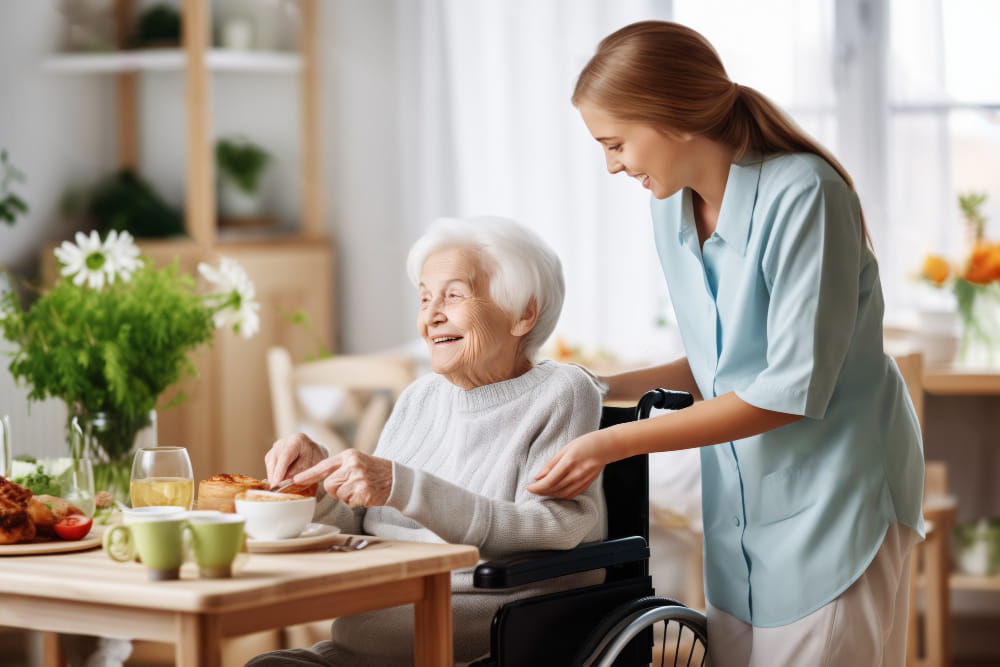
What Does Consistent Caregiving Really Mean?
Consistent caregiving refers to a care model where residents are supported by a stable team of caregivers who know their preferences, routines, and needs intimately. Rather than rotating staff frequently, care homes prioritise continuity so trust can grow naturally. This approach typically includes:- A dedicated caregiving team for each resident
- Predictable daily routines
- Clear communication across staff
- Strong relationships between residents and caregivers
Why Trust Is the Foundation of Resident Confidence
Trust doesn’t appear overnight. It’s built through repeated, positive interactions—small moments that add up. When residents consistently see the same caregivers:- They feel safe asking for help
- Personal boundaries are respected
- Care feels more personal, not clinical
- Anxiety and uncertainty decrease
Emotional Security Through Familiarity
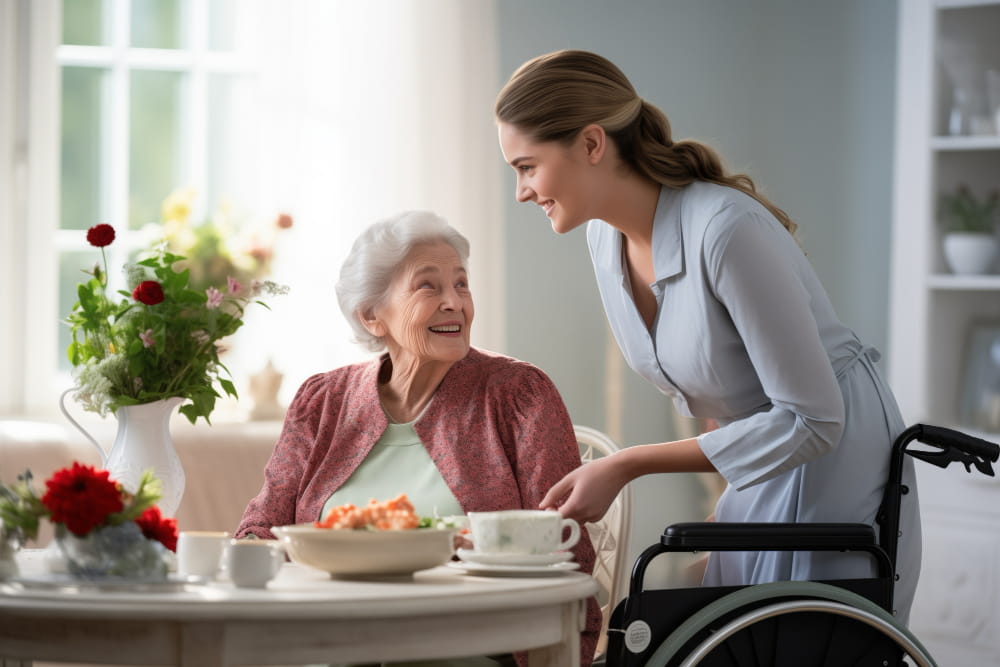
Imagine needing help with everyday tasks—dressing, bathing, or taking medication—from someone you barely know. Now imagine receiving that help from a caregiver who understands your habits, humour, and comfort levels. Consistent caregiving offers:- Emotional reassurance through familiarity
- Reduced stress for residents with dementia or memory loss
- Greater comfort during intimate or sensitive care moments
How Consistency Improves Day-to-Day Wellbeing
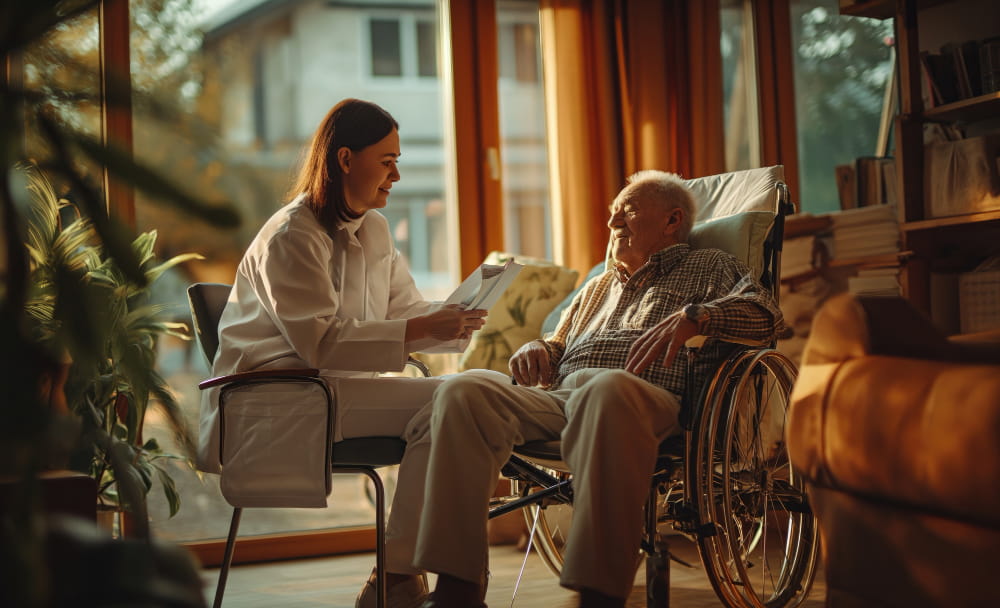
A stable care team doesn’t just feel better—it works better. Caregivers who know residents well can:- Spot subtle changes in mood or health
- Anticipate needs before they’re voiced
- Adapt care routines smoothly
- Provide proactive, rather than reactive, support
Building Confidence Through Personalised Care
Confidence flourishes when people feel understood. Consistent caregivers learn the details that matter most, such as:- Preferred wake-up times
- Favourite meals or activities
- Communication styles
- Cultural or personal values
The Role of Consistency in Dementia and Memory Care
For residents living with dementia, change can be deeply unsettling. New faces, voices, or routines may cause confusion or distress. Consistent caregiving helps by:- Reinforcing familiarity and recognition
- Reducing agitation and anxiety
- Supporting cognitive stability through routine
- Creating a calmer, more predictable environment
Stronger Communication, Better Outcomes
When care teams are stable, communication improves naturally. Benefits include:- Fewer misunderstandings
- More accurate care records
- Better collaboration with families
- Clearer insight into residents’ evolving needs
Why In-House Care Teams Matter
One of the key in-house care benefits is accountability. When caregivers are part of a permanent, on-site team:- Standards remain consistent
- Training is aligned with care home values
- Staff feel invested in resident outcomes
- Relationships are nurtured, not rushed
Reduced Anxiety for Families
Consistency doesn’t just benefit residents—it reassures families too. Knowing that loved ones are cared for by familiar professionals provides:- Peace of mind
- Greater trust in the care home
- Confidence in long-term care decisions
- Open, ongoing communication
Confidence Leads to Greater Independence
When residents trust their caregivers, they’re more likely to:- Participate in social activities
- Try new routines or therapies
- Communicate discomfort early
- Maintain independence longer
Staff Satisfaction Fuels Better Care
Consistency works both ways. Caregivers who work with the same residents:- Feel more fulfilled and motivated
- Develop deeper empathy
- Deliver higher-quality care
- Stay longer in their roles
A Community, Not a Care Schedule
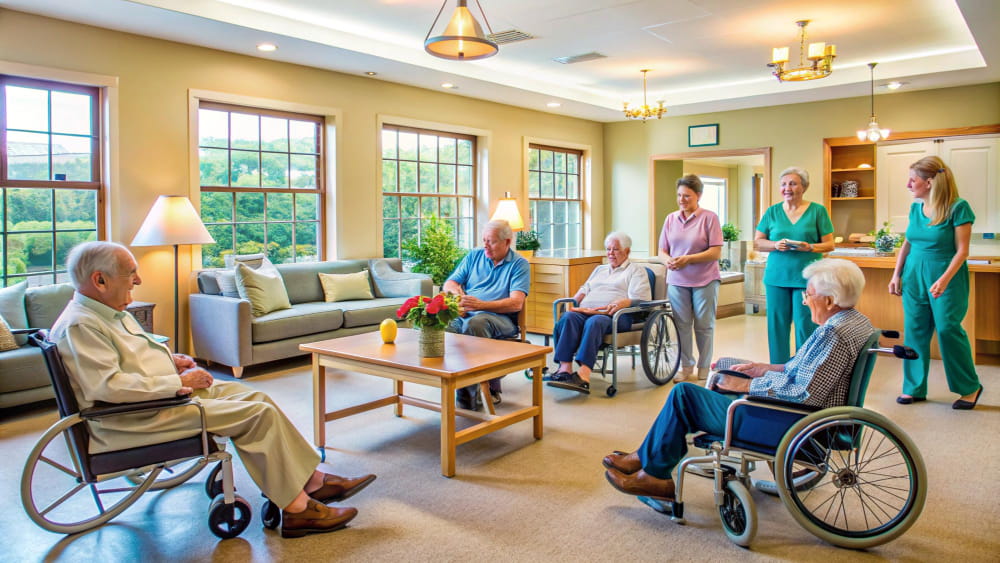
At its best, a care home feels like a community—one where relationships matter. Consistency allows caregivers to become trusted companions, not just providers of tasks. This human-centred approach:- Strengthens emotional bonds
- Enhances daily joy and comfort
- Builds a culture of respect and kindness
Why Consistency Is a Hallmark of Quality Care
Care homes that prioritise consistency demonstrate:- Long-term commitment to residents
- High professional standards
- Thoughtful care planning
- A deep understanding of what seniors truly need