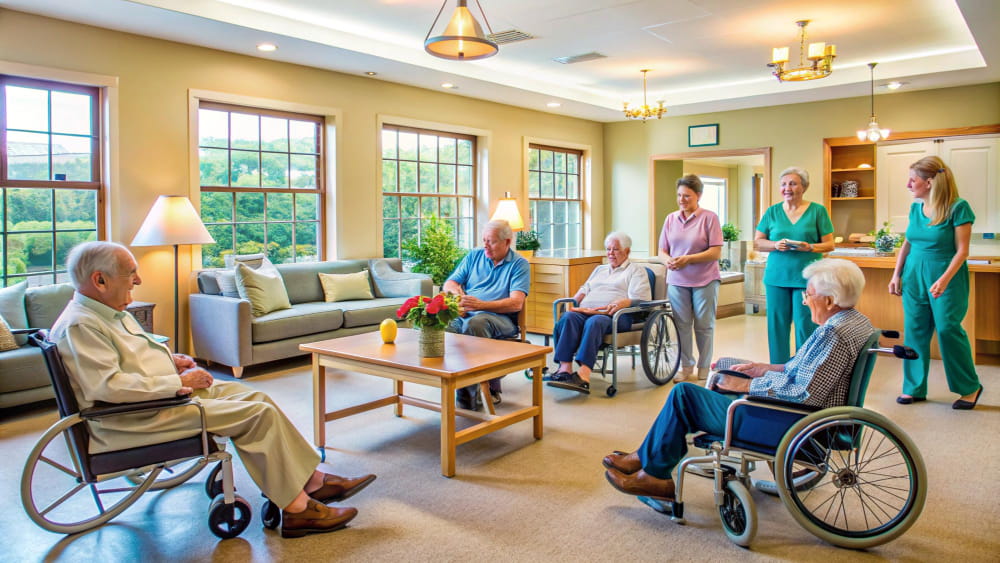
Supporting Seniors with Dementia Through Familiar Routines and Environments

As our loved ones age, the challenges of dementia can feel overwhelming—not just for them, but for the entire family. Watching someone you cherish gradually lose their memory, sense of self, and connection to the world is heartbreaking. Yet, amidst this struggle, there’s a powerful yet often overlooked strategy that can bring comfort, stability, and even moments of joy: supporting seniors with dementia through familiar routines and environments.

This approach isn’t just about keeping things the same; it’s about creating a safe, predictable, and meaningful framework that helps individuals with dementia navigate their daily lives with less confusion and anxiety. Whether you’re a caregiver in Halifax, a family member in the UK, or someone exploring dementia care options, understanding how to harness the power of familiarity can transform the caregiving experience.

In this guide, we’ll explore why routines and environments matter so deeply for those living with dementia, break down the key concepts behind this strategy, and provide practical, actionable advice to implement it effectively. By the end, you’ll have a clearer path to supporting your loved one—or making informed decisions about their care—with confidence and compassion.

The Hidden Power of Familiarity in Dementia Care

Dementia doesn’t just affect memory; it disrupts the very way a person perceives and interacts with the world. As cognitive functions decline, the brain struggles to process new information, leading to confusion, frustration, and even distress. This is where familiarity becomes a lifeline.

Imagine waking up in a place you don’t recognize, surrounded by people you can’t place, and facing a day with no structure to guide you. For someone with dementia, this isn’t just disorienting—it’s terrifying. Familiar routines and environments act as anchors, providing a sense of control and predictability in an otherwise unpredictable world.

Research in neuroscience and gerontology consistently shows that familiarity reduces stress and agitation in individuals with dementia. When the brain encounters something it recognizes—whether it’s a morning cup of tea, the layout of a favorite chair, or the face of a trusted caregiver—it triggers a sense of safety and comfort. This isn’t just psychological; it’s physiological. Familiarity can lower cortisol levels, reduce blood pressure, and even improve sleep patterns.

But why does this work? The answer lies in how dementia affects the brain. As the disease progresses, the hippocampus (the region responsible for memory) and the prefrontal cortex (involved in decision-making) deteriorate. However, the amygdala—linked to emotional memory—often remains intact longer. This means that while a person may forget names or recent events, they can still recall deep-seated emotions tied to familiar experiences. A song from their youth, the scent of a favorite meal, or the touch of a well-loved blanket can evoke powerful, comforting memories, even if the person can’t articulate why.

Why Routines and Environments Matter More Than You Think

The Science Behind Routines

Routines aren’t just about keeping a schedule; they’re about creating a cognitive scaffold that helps the brain function more efficiently. For someone with dementia, every decision—what to wear, when to eat, how to bathe—can feel like a monumental task. A structured routine eliminates the need for constant decision-making, reducing mental fatigue and anxiety.

Studies have shown that predictable routines can slow cognitive decline by minimizing the brain’s need to adapt to new situations. When a person with dementia follows the same sequence of activities each day, their brain expends less energy trying to process unfamiliar stimuli. This doesn’t mean the routine has to be rigid; it just needs to be consistent enough to provide a sense of security.

The Role of Environment in Dementia Care

An environment that feels safe and familiar can significantly reduce the risk of wandering, agitation, and sundowning (a condition where confusion and restlessness worsen in the late afternoon or evening). For example, a dementia care home in Halifax that’s designed with homelike features—soft lighting, familiar decor, and quiet spaces—can help residents feel more at ease than a sterile, hospital-like setting.

Key environmental factors to consider include:

  • Lighting: Natural light regulates circadian rhythms, which can improve sleep and reduce confusion. Dim lighting in the evening can signal bedtime, while bright light during the day helps maintain a sense of time.
  • Sound: Loud or sudden noises can trigger anxiety. A quiet, calm environment with familiar background sounds (e.g., soft music or nature sounds) can be soothing.
  • Scent: Familiar scents, like lavender or citrus, can evoke positive memories and create a calming atmosphere.
  • Layout: A dementia-friendly home or care facility should have clear pathways, minimal clutter, and recognizable landmarks (e.g., a favorite painting or piece of furniture) to help with navigation.

In the UK, dementia care homes are increasingly adopting the “dementia-friendly design” principles, which prioritize homelike environments over institutional aesthetics. This approach has been linked to lower rates of agitation and improved quality of life for residents.

Breaking Down the Key Concepts: What Makes Routines and Environments Effective?

1. Consistency Over Rigidity

While routines are essential, they shouldn’t be so rigid that they cause stress. The goal is to create a balance between structure and flexibility. For example, if your loved one always had tea in the morning, keeping that ritual is important—but if they prefer herbal tea instead of their usual black tea one day, it’s okay to adapt. The key is maintaining the sequence of activities rather than the specifics.

2. Personalization is Everything

Not all routines or environments will work for everyone. A dementia care home in the UK that tailors its approach to individual preferences—whether it’s a resident who loves gardening or one who enjoys music—can make a world of difference. Personalization extends to:

  • Daily activities: If your loved one was a teacher, incorporating light teaching-related tasks (e.g., sorting papers or reading aloud) can provide a sense of purpose.
  • Decor: Surrounding them with items from their past—photos, books, or furniture—can create a sense of continuity.
  • Social interactions: Some individuals with dementia thrive in group settings, while others prefer one-on-one time. Observing their preferences is crucial.

3. The Role of Sensory Cues

Sensory cues are powerful tools in dementia care. They can trigger memories, reduce anxiety, and even improve communication. For example:

  • Visual cues: A clock with large numbers can help orient your loved one to the time of day. A bulletin board with family photos can spark conversations.
  • Tactile cues: A soft blanket or a textured object (like a stress ball) can provide comfort during moments of agitation.
  • Olfactory cues: The scent of freshly baked cookies might remind them of holidays with their grandmother, evoking warmth and nostalgia.

4. The Importance of Transitions

People with dementia often struggle with transitions between activities. Moving from one task to another can feel abrupt and confusing. To ease this, use transition cues—gentle reminders that signal a change is coming. For example:

  • Saying, “In five minutes, we’ll have lunch,” before mealtime.
  • Playing a familiar song that signals it’s time for an activity (e.g., a hymn before church or a lullaby before bed).
  • Using a visual schedule with pictures to show the day’s plan.

Real-World Examples: How Familiarity Transforms Dementia Care

Case Study 1: The Power of a Morning Routine in a Halifax Dementia Care Home

At Harbour View Care Home in Halifax, staff noticed that residents with advanced dementia became increasingly agitated during morning care routines. After observing their behaviors, they realized that the abrupt transition from sleep to bathing was overwhelming. They decided to implement a “slow morning” approach:

  • Residents were given a warm drink (tea or hot chocolate) in bed to ease them into wakefulness.
  • Soft music played in the background as they dressed, using familiar scents like lavender lotion.
  • Bathing was scheduled after breakfast, when residents were more alert and cooperative.

The result? A 40% reduction in agitation and a noticeable improvement in mood among residents. Families also reported that their loved ones seemed happier and more engaged.

Case Study 2: A UK Dementia Care Home That Recreated a Resident’s Childhood Home

At Greenfield House in London, a resident named Margaret had become increasingly withdrawn and confused. She often spoke about her childhood home in the 1950s, describing the wallpaper, the scent of her mother’s baking, and the sound of the wireless. The care team decided to recreate a corner of her childhood home in the facility:

  • They covered a wall with vintage floral wallpaper (similar to what she described).
  • They played 1950s music softly in the background.
  • They introduced baking sessions where Margaret could help mix ingredients, evoking memories of her mother.

Within weeks, Margaret’s mood improved dramatically. She began singing along to the music, sharing stories about her past, and even helping new residents feel more comfortable. This approach not only enhanced her quality of life but also gave staff a deeper understanding of her history and preferences.

Case Study 3: Family-Led Routines in a UK Dementia Care Setting

When John, a man in his late 70s with vascular dementia, moved into a care home in Manchester, his family was concerned about how he’d adapt. They worked with the staff to create a personalized routine based on his lifelong habits:

  • Every morning, his wife visited to help him with his shaving routine, using his favorite aftershave.
  • His son took him for a walk in the garden every afternoon, where they’d sit on the same bench and talk about the flowers.
  • His daughter-in-law brought in his favorite meals once a week, and they’d eat together in the dining room.

This continuity of care—where family members were actively involved in maintaining his routines—helped John feel more secure and connected. The care home staff noted that he was less likely to wander or become agitated, and his overall well-being improved significantly.

Practical Tips for Implementing Familiar Routines and Environments

For Family Caregivers

If you’re caring for a loved one with dementia at home, start by observing their daily habits and preferences. Ask yourself:

  • What activities did they enjoy before dementia? (e.g., gardening, cooking, reading)
  • What time of day do they seem most alert and engaged?
  • What scents, sounds, or textures bring them comfort?

Once you have a sense of their preferences, build a routine around them. For example:

  • Morning: Start the day with a familiar activity, like making tea or listening to the news.
  • Afternoon: Schedule a walk or light exercise, followed by a rest period.
  • Evening: Wind down with a calming activity, like listening to music or looking at photo albums.

Remember to keep the routine flexible. If your loved one resists an activity, try a different approach or time of day. The goal is to reduce stress, not enforce rigidity.

For Dementia Care Homes

If you’re working in a dementia care facility, consider the following strategies to create a dementia-friendly environment:

  • Personalized care plans: Each resident should have a care plan that incorporates their life history, preferences, and routines.
  • Sensory-friendly design: Use calming colors, soft lighting, and familiar decor to create a homelike atmosphere.
  • Staff training: Caregivers should be trained in techniques like validation therapy (acknowledging the person’s feelings) and reminiscence therapy (using memories to connect).
  • Family involvement: Encourage families to share stories, photos, and mementos to personalize the resident’s space.

For Those Exploring Dementia Care Options

If you’re researching dementia care homes in the UK or Halifax, look for facilities that prioritize:

  • Homelike environments: Avoid places that feel institutional. Instead, look for homes with cozy living rooms, gardens, and communal spaces that encourage socialization.
  • Personalized care: Ask how the home tailors routines and activities to individual residents. Do they take the time to learn about each person’s history and preferences?
  • Staff consistency: Familiar faces can be just as important as familiar routines. Find out how often staff members interact with residents and whether they’re trained in dementia care.
  • Sensory stimulation: Are there opportunities for residents to engage with familiar scents, sounds, and textures? For example, a home that offers baking classes or gardening sessions can provide meaningful sensory experiences.

Common Mistakes to Avoid When Using Familiarity in Dementia Care

1. Assuming One Size Fits All

Just because a routine works for one person doesn’t mean it’ll work for another. Avoid imposing your own preferences or assumptions onto your loved one. Instead, observe their reactions and adjust accordingly. What brings comfort to one person might be a source of frustration for another.

2. Ignoring the Need for Change

While familiarity is important, it’s also essential to introduce gentle variations to prevent boredom and stagnation. For example, if your loved one always watches the same TV show, try introducing a new but similar program occasionally. The key is to balance consistency with novelty to keep their brain engaged.

3. Overlooking the Environment’s Impact

A cluttered, noisy, or overly stimulating environment can undo all the benefits of a familiar routine. Avoid bright, fluorescent lighting, loud noises, and confusing layouts. Instead, create a space that feels safe, calm, and easy to navigate. For example, use contrasting colors to highlight doorways or pathways to prevent wandering.

4. Forgetting to Involve the Person with Dementia

Even if their communication is limited, involve your loved one in decisions about their routine and environment. Ask open-ended questions like, “Would you like to wear the blue shirt or the red one today?” or “Would you prefer tea or coffee this morning?” This gives them a sense of control and autonomy, which is crucial for their well-being.

5. Neglecting Self-Care for Caregivers

Supporting someone with dementia is emotionally and physically demanding. It’s easy to get caught up in creating the perfect routine or environment and forget to take care of yourself. Burnout can lead to frustration, which can inadvertently affect the person you’re caring for. Make time for breaks, seek support from friends or support groups, and don’t hesitate to ask for help when you need it.

Frequently Asked Questions About Dementia Care and Familiarity

Q: How can I tell if a dementia care home in Halifax or the UK is truly dementia-friendly?

A dementia-friendly care home will prioritize personalization, sensory-friendly design, and staff training. Look for homes that:

  • Have homelike decor (e.g., soft furnishings, familiar artwork).
  • Offer activities tailored to residents’ past interests (e.g., music therapy, gardening).
  • Use clear signage and contrasting colors to aid navigation.
  • Encourage family involvement in care planning.

Visit the home at different times of day to observe how staff interact with residents and whether the environment feels calm and inviting.

Q: My loved one with dementia resists routines. What should I do?

Resistance is common, especially if the routine feels forced or unfamiliar. Try these strategies:

  • Start small: Introduce one new element at a time, like a morning cup of tea, before building a full routine.
  • Use their energy levels: If they’re more alert in the morning, schedule challenging activities then. Save quieter tasks for later in the day.
  • Make it enjoyable: If they dislike bathing, try incorporating a favorite scent or playing music during the process.
  • Be patient: It can take weeks or even months for a new routine to feel natural. Consistency is key.

Q: Can familiar routines help with sundowning?

Yes! Sundowning—when confusion and agitation worsen in the late afternoon or evening—is often linked to fatigue, hunger, or a disrupted circadian rhythm. A familiar evening routine can help mitigate these symptoms. Try:

  • Dim the lights in the evening to signal that it’s time to wind down.
  • Offer a light snack, like warm milk or a banana, which can promote relaxation.
  • Play calming music or read a familiar story to create a soothing atmosphere.
  • Encourage gentle movement, like a short walk, to reduce restlessness.

Q: How do I handle holidays and special occasions when my loved one has dementia?

Holidays can be both joyful and confusing for someone with dementia. To make them more meaningful:

  • Stick to familiar traditions: If they always hosted Christmas dinner, recreate a smaller version at home or in their care facility.
  • Keep it simple: Avoid overwhelming them with too many people or activities. Focus on one or two special moments, like opening a favorite gift or listening to a holiday song.
  • Use sensory cues: Familiar scents (like cinnamon or pine) and textures (like a cozy blanket) can evoke positive memories.
  • Prepare them in advance: Show them a calendar or use pictures to explain what’s happening and when.

Q: Are there any downsides to relying too much on familiarity?

While familiarity is generally beneficial, over-reliance on routines can sometimes lead to:

  • Rigidity: If a routine becomes too strict, it may cause stress when disruptions occur (e.g., a canceled appointment).
  • Stagnation: Without new experiences, cognitive decline may accelerate. Gentle novelty is important for brain health.
  • Isolation: If routines are too insular, your loved one may miss out on social interactions or new connections.

The key is to strike a balance between familiarity and flexibility, ensuring that routines and environments adapt as their needs change.

Conclusion: Creating a Life of Comfort and Connection

Supporting a loved one with dementia is one of life’s most challenging yet rewarding journeys. It requires patience, empathy, and a willingness to see the world through their eyes. By harnessing the power of familiar routines and environments, you can provide a sense of stability, comfort, and dignity in a world that often feels chaotic and uncertain.

Whether you’re caring for someone at home, exploring dementia care homes in Halifax or the UK, or simply seeking ways to connect with a friend or family member, remember that small gestures can make a big difference. A familiar song, a well-loved blanket, or a simple daily ritual can become a lifeline, grounding your loved one in moments of clarity and joy.

Dementia may change many things, but it doesn’t erase the essence of who someone is. With familiarity as your guide, you can help them navigate this chapter of life with grace, warmth, and love.

And if you ever feel overwhelmed, don’t hesitate to reach out for support—whether it’s from a dementia care specialist, a support group, or simply a friend who understands. You’re not alone in this journey, and every effort you make is a testament to the deep care and connection you share with your loved one.

How Dementia Care Helps Reduce Distress from Memory Confusion

Understanding Dementia-Related Memory Confusion

Memory confusion in dementia is more than just forgetting where you left your keys—it’s a profound disruption in how the brain processes and retains information. This confusion often stems from damage to brain cells, particularly in regions responsible for memory, such as the hippocampus. As dementia progresses, individuals may struggle with short-term memory, struggle to recognize familiar faces, or become disoriented in time and place. These challenges aren’t just frustrating for the person experiencing them; they can lead to significant emotional distress, agitation, and even behavioral changes.

For families and caregivers, witnessing a loved one grapple with memory confusion can feel overwhelming. The person may repeatedly ask the same questions, forget recent conversations, or become anxious in unfamiliar environments. While these symptoms are distressing, they are not inevitable. With the right dementia care strategies, it’s possible to reduce confusion, ease anxiety, and improve quality of life for both the individual and their support network.

Why Dementia Care Matters in Addressing Memory Confusion

Dementia care isn’t just about managing symptoms—it’s about understanding the person behind the diagnosis. Memory confusion is deeply tied to emotional and psychological well-being. When a person with dementia can’t recall a loved one’s name or struggles to follow a conversation, their frustration can escalate into agitation or withdrawal. This is where specialized dementia care makes a difference. Trained caregivers don’t just respond to the confusion; they address the underlying emotions and unmet needs that fuel it.

For example, a person with dementia might repeatedly ask about a deceased spouse not because they’ve forgotten the loss, but because they’re seeking comfort and connection. Traditional care approaches might correct the person, saying, “Your spouse passed away years ago,” which can deepen their distress. In contrast, dementia care focuses on validating their feelings, perhaps by saying, “I miss them too. Let’s talk about them,” while gently redirecting the conversation. This approach reduces distress and fosters a sense of safety and understanding.

Key Concepts in Dementia Care That Reduce Memory Confusion

The Role of Validation Therapy

Validation therapy is a cornerstone of dementia care, particularly for those experiencing memory confusion. Developed by Naomi Feil, this approach emphasizes empathy and acceptance rather than correction. Instead of challenging a person’s reality, caregivers acknowledge their emotions and experiences. For instance, if someone insists they need to go to work even though they retired decades ago, a validating response might be, “It sounds like work was important to you. Tell me about your job.” This technique reduces frustration and helps the person feel heard and respected.

Creating a Dementia-Friendly Environment

The physical environment plays a crucial role in minimizing memory confusion. Bright lighting, clear signage, and familiar objects can help orient a person with dementia. For example, placing a large, easy-to-read clock in a common area can help them track time, while labeling drawers with pictures (e.g., a fork for the kitchen drawer) can reduce frustration when searching for items. In dementia care homes, such as those in Halifax, UK, environments are often designed with these principles in mind, featuring calming colors, secure outdoor spaces, and structured routines to provide stability.

The Importance of Routine and Familiarity

People with dementia thrive on predictability. A consistent daily routine—such as meals at the same time, bedtime rituals, and familiar activities—can reduce anxiety and confusion. For example, if a person always had coffee after breakfast, maintaining that habit can provide a sense of normalcy. In dementia care settings, caregivers often use visual schedules or timelines to help residents anticipate what’s coming next, which can ease transitions and reduce distress.

Communication Strategies That Work

How we communicate with someone experiencing memory confusion can significantly impact their emotional state. Key strategies include:

  • Using simple, clear language: Avoid complex sentences or abstract concepts. Instead of saying, “We’re going to the facility for a social activity,” try, “We’re going to visit friends. It’ll be fun!”
  • Asking yes/no questions: Open-ended questions can overwhelm someone with dementia. Instead of “What would you like for dinner?” ask, “Would you like chicken or fish?”
  • Using non-verbal cues: Body language, tone of voice, and gentle touch can convey reassurance when words fail. A warm smile or holding their hand can be more comforting than verbal explanations.
  • Reducing background noise: Loud environments can exacerbate confusion. Turning off the TV or moving to a quieter space can help the person focus on the conversation.

Real-World Examples of Dementia Care in Action

Case Study: Reducing Sundowning with Structured Evening Routines

Sundowning—when confusion and agitation worsen in the late afternoon or evening—is a common challenge for people with dementia. In a dementia care home in Halifax, UK, caregivers noticed that residents became increasingly restless as the day progressed. They introduced a structured evening routine, including a calming tea time, soft music, and dimmed lighting. Within a week, sundowning episodes decreased by 40%, and residents reported feeling more relaxed. The key was consistency and creating a predictable transition from day to night.

How a Family in Manchester Used Validation to Ease Anxiety

A daughter caring for her mother with advanced dementia found that her mother frequently asked about her late father. Instead of correcting her, the daughter started asking, “What was he like? Tell me about him.” This simple shift allowed her mother to reminisce without frustration. Over time, her mother’s anxiety decreased, and she became more engaged in conversations about her past. This example highlights how validation therapy can transform interactions and reduce distress.

Technology in Dementia Care: GPS Trackers for Safety

In some dementia care homes across the UK, GPS trackers are used to monitor residents who may wander due to confusion. For example, a resident in a dementia care facility in Halifax was prone to leaving the premises unnoticed. With a discreet GPS device, caregivers could quickly locate her and guide her back safely. This technology not only prevents dangerous situations but also reduces the anxiety of family members, who know their loved one is being monitored.

Practical Tips for Families and Caregivers

Start with a Professional Assessment

Before implementing care strategies, it’s essential to understand the specific type of dementia and its progression. A neurologist or geriatric specialist can provide insights into the individual’s challenges and recommend tailored approaches. For example, someone with Lewy body dementia may benefit from different strategies than someone with Alzheimer’s disease.

Incorporate Reminiscence Therapy

Reminiscence therapy involves using photos, music, or familiar objects to stimulate memories. This can be particularly effective for reducing confusion around past events. For instance, playing a favorite song from the person’s youth might spark joy and connection, even if they can’t recall recent events. In dementia care homes, reminiscence rooms are often designed with vintage decor, old photographs, and tactile items to encourage engagement.

Encourage Gentle Physical Activity

Physical activity, such as walking or chair exercises, can improve mood and reduce agitation. It also helps regulate sleep patterns, which can be disrupted in dementia. In a study conducted in a dementia care facility in the UK, residents who participated in daily gentle exercise programs showed a 30% reduction in restless behaviors. Even short walks in a secure garden can make a significant difference.

Use Memory Aids Wisely

While memory aids like calendars or whiteboards can be helpful, they should be used judiciously. For someone in the early stages of dementia, a large calendar with important dates might provide comfort. However, for someone in the later stages, too many visual cues can be overwhelming. Focus on one or two aids at a time and observe what works best.

Prioritize Self-Care for Caregivers

Caregivers often neglect their own well-being while focusing on their loved one. Burnout can lead to frustration, which may inadvertently increase the person’s distress. Regular breaks, support groups, and respite care are essential. In the UK, organizations like the Alzheimer’s Society offer resources and counseling for caregivers. Remember, you can’t pour from an empty cup.

Common Mistakes to Avoid in Dementia Care

Correcting Instead of Validating

One of the most common mistakes is trying to “correct” a person with dementia by reminding them of the truth. For example, saying, “Your son is not coming today; he lives in Canada,” can cause deep sadness. Instead, validate their feelings: “I know you miss your son. Would you like to call him later?” This approach preserves their dignity and emotional well-being.

Overstimulating the Environment

Bright lights, loud noises, and too many people in one space can overwhelm someone with dementia. A cluttered room or a crowded gathering might trigger confusion or agitation. Keep the environment calm and predictable. If hosting family, consider smaller, quieter gatherings rather than large parties.

Assuming All Memory Loss is the Same

Dementia is not a one-size-fits-all condition. Alzheimer’s disease, vascular dementia, frontotemporal dementia, and Lewy body dementia each have unique symptoms and progression patterns. Tailoring care to the specific type of dementia is crucial. For example, someone with frontotemporal dementia may struggle with impulse control, requiring different strategies than someone with Alzheimer’s.

Ignoring the Emotional Needs Behind the Behavior

Memory confusion often leads to behaviors that seem irrational, such as refusing to bathe or becoming aggressive. These actions are usually driven by unmet needs—fear, discomfort, or a desire for control. Instead of reacting to the behavior, try to understand the underlying cause. Is the person afraid of the water? Do they feel cold? Addressing the root cause can resolve the issue more effectively than scolding or forcing compliance.

Neglecting to Involve the Person in Decisions

Even in the later stages of dementia, individuals retain a sense of autonomy. Involving them in decisions—such as choosing what to wear or what to eat—can reduce frustration and foster a sense of control. For example, offering two options (e.g., “Would you like the blue shirt or the red one?”) gives them a choice without overwhelming them with too many options.

Frequently Asked Questions About Dementia Care and Memory Confusion

Can memory confusion in dementia be reversed?

While some types of dementia, such as those caused by vitamin deficiencies or medication side effects, may be reversible with treatment, most forms of dementia (like Alzheimer’s) are progressive and cannot be reversed. However, dementia care strategies can significantly reduce distress and improve quality of life, even as the condition advances.

How can I tell if my loved one’s confusion is due to dementia or something else?

Memory loss alone doesn’t necessarily indicate dementia. Other conditions, such as depression, thyroid issues, or medication interactions, can also cause confusion. It’s essential to consult a healthcare professional for a thorough evaluation. A doctor may perform cognitive tests, blood work, or brain imaging to determine the cause.

What should I do if my loved one becomes aggressive due to confusion?

Aggression is often a response to fear, pain, or unmet needs. Stay calm and avoid confronting the person directly. Instead, try to identify the trigger—are they hungry, tired, or in pain? Use a gentle tone and reassuring body language. If the aggression persists, consult a dementia care specialist for tailored strategies.

Are there medications that can help with memory confusion?

Some medications, such as cholinesterase inhibitors (e.g., donepezil) or memantine, may help slow cognitive decline in Alzheimer’s disease. However, they don’t cure dementia and are most effective when combined with non-pharmacological approaches like those discussed in this article. Always consult a doctor before starting or changing medications.

How can I find a good dementia care home in Halifax or the UK?

When searching for a dementia care home in Halifax or elsewhere in the UK, look for facilities with specialized dementia units, trained staff, and a focus on person-centered care. Key questions to ask include:

  • What training do caregivers receive in dementia care?
  • How is the environment adapted for dementia (e.g., secure exits, calming spaces)?
  • What activities are offered to stimulate memory and engagement?
  • How are medical needs and behaviors managed?

Websites like the Care Quality Commission (CQC) in the UK provide ratings and reviews of care homes, which can help you make an informed decision.

Conclusion: A Compassionate Approach to Dementia Care

Memory confusion in dementia is a complex challenge, but it’s not insurmountable. With the right care strategies—validation therapy, a dementia-friendly environment, and compassionate communication—it’s possible to reduce distress and enhance the well-being of those living with dementia. Whether you’re a family caregiver or exploring options like a dementia care home in Halifax, remember that the goal isn’t to “fix” the confusion but to meet the person where they are, with patience and understanding.

Dementia care is as much about the caregiver’s approach as it is about the care itself. By focusing on emotional connection, routine, and dignity, you can transform challenging moments into opportunities for comfort and joy. For those in the UK seeking support, organizations like the Alzheimer’s Society and local dementia care services offer invaluable resources. Together, we can create a world where memory confusion doesn’t have to mean distress—where every person with dementia feels safe, valued, and understood.

Dementia Care for Seniors with Difficulty Completing Familiar Daily Tasks

Caring for a loved one with dementia is one of the most emotionally challenging and complex responsibilities a family can face. As dementia progresses, even the most routine daily tasks—brushing teeth, dressing, or preparing a meal—can become overwhelming barriers. The frustration isn’t just for the person with dementia; caregivers often feel helpless, exhausted, and unsure of how to provide meaningful support without escalating stress or diminishing dignity.

In Halifax, UK, and beyond, dementia care has evolved into a specialized field that blends compassion with practical strategies. Whether you’re exploring dementia care in Halifax, considering a dementia care home in Halifax, or seeking guidance on supporting a senior at home, understanding how to help someone complete familiar tasks is crucial. This isn’t just about maintaining independence—it’s about preserving identity, reducing anxiety, and fostering connection in a world that’s becoming increasingly confusing.

In this guide, we’ll explore the nuances of dementia care for seniors struggling with daily tasks. We’ll break down why these challenges arise, how to approach them with patience and strategy, and what resources—like dementia care homes in Halifax or local support services—can make a difference. Our goal isn’t just to offer solutions, but to help you feel empowered and less alone in this journey.


Understanding Dementia and Its Impact on Daily Living

What Dementia Does to the Brain

Dementia isn’t a single disease—it’s an umbrella term for conditions like Alzheimer’s, vascular dementia, or Lewy body dementia, all of which progressively damage brain cells. As neurons deteriorate, cognitive functions such as memory, problem-solving, and coordination decline. But dementia doesn’t just erase memories; it disrupts the brain’s ability to process familiar sequences, recognize objects, or follow multi-step instructions.

For example, a person who has cooked for decades may suddenly struggle to remember the order of steps in a recipe they’ve used hundreds of times. This isn’t laziness or stubbornness—it’s a neurological barrier. Tasks that once felt automatic now require conscious effort, which can lead to frustration, confusion, and withdrawal.

Why Familiar Tasks Become Unfamiliar

The brain relies on neural pathways to automate routine actions. In dementia, these pathways degrade, making it difficult to retrieve stored procedures. Even if the person remembers the individual steps (e.g., turning on the stove), the sequence may collapse under cognitive load. Stress or environmental distractions (like noise or clutter) can further impair performance.

This explains why someone might dress themselves perfectly one day and struggle the next. The brain’s ability to compensate fluctuates, leading to unpredictable challenges. Recognizing this variability is key to adapting care strategies.

The Emotional Toll on Seniors and Caregivers

For seniors with dementia, the inability to complete familiar tasks can feel like a loss of control. It may trigger embarrassment, anger, or withdrawal—emotions that caregivers often mirror. Watching a parent forget how to use a fork or a spouse lose the ability to button a shirt can be heartbreaking.

In Halifax, where community support for dementia care is growing, many families turn to dementia care homes in Halifax or local day programs to share the burden. Yet even with professional help, the emotional weight remains. Understanding the psychological impact helps caregivers respond with empathy rather than frustration.


Why Dementia Care for Daily Tasks Matters More Than You Think

Preserving Independence and Dignity

Independence isn’t just about physical ability—it’s about feeling capable and valued. When a senior with dementia can no longer complete tasks independently, their sense of self-worth may erode. Caregivers often face a delicate balance: offering help without stripping away autonomy.

For instance, if a person struggles to tie their shoes, instead of doing it for them, you might lay out the shoes and socks and guide their hands gently. Small adjustments like this maintain dignity while reducing frustration.

Reducing Caregiver Burnout

Caregiving for someone with dementia is physically and emotionally demanding. Studies show that caregivers of dementia patients are at higher risk for depression, anxiety, and health issues. When daily tasks become battles, burnout accelerates.

In Halifax, respite care services and dementia care homes in Halifax offer temporary relief, allowing caregivers to recharge. Even small breaks—like a few hours at a local day program—can make a significant difference in long-term well-being.

The Ripple Effect on Family Dynamics

Dementia doesn’t just affect the person diagnosed—it reshapes entire families. Siblings may argue over care decisions, spouses may feel overwhelmed, and grandchildren may struggle to connect with a grandparent who no longer recognizes them. When daily tasks become points of conflict, family relationships can strain.

Proactive dementia care—whether through in-home support, memory cafés, or specialized care homes—can ease these tensions by providing structured, professional assistance. In Halifax, organizations like the Alzheimer’s Society offer family counseling and education to help navigate these challenges.


Key Concepts in Dementia Care for Daily Tasks

The Role of Routine and Structure

Routine acts as a safety net for the brain. When tasks follow a predictable pattern, they require less cognitive effort. For example, if dressing always happens after breakfast, the brain can rely on habit rather than active recall.

Caregivers can use visual schedules (e.g., a chart with pictures of each step) to reinforce routines. In dementia care homes in Halifax, staff often use color-coded labels or timers to help residents navigate daily activities.

Simplifying the Environment

Clutter, noise, and visual distractions can overwhelm a person with dementia. A kitchen with too many utensils or a bathroom with multiple steps may become insurmountable barriers.

Practical adjustments include:

  • Using contrasting colors to highlight important objects (e.g., a red plate on a white tablecloth).
  • Removing non-essential items from task areas (e.g., clearing the counter before meal prep).
  • Ensuring good lighting to reduce shadows that can cause confusion.

The Power of Step-by-Step Guidance

Instead of asking, “Can you make tea?” (which requires multiple decisions), break it down:

  • “Let’s get the kettle.”
  • “Now, let’s fill it with water.”
  • “Shall we put a tea bag in the cup?”

This technique, called “scaffolding,” provides support without overwhelming the person. It’s a cornerstone of care in many dementia care homes in Halifax, where staff are trained in person-centered approaches.

Adapting Communication Styles

How you speak can determine success or failure. Avoid open-ended questions (“What do you want to wear?”) and instead offer choices (“Would you like the blue shirt or the red one?”). Use short, clear sentences and maintain eye contact.

Non-verbal cues—like demonstrating a task or gently guiding hands—can also be more effective than verbal instructions alone.


Real-World Examples: How Dementia Care Works in Practice

Case Study 1: The Frustrated Chef

Margaret, 78, loved cooking but began burning meals and forgetting ingredients. Her daughter, Sarah, tried to help by taking over, which led to arguments. After consulting a Halifax-based dementia care advisor, Sarah learned to simplify the process:

  • She pre-measured ingredients into clear containers.
  • She provided a step-by-step recipe card with pictures.
  • She turned the cooking into a shared activity, sitting with Margaret and talking through each step.

Within weeks, Margaret regained confidence, and Sarah’s stress decreased. This approach is now used in some dementia care homes in Halifax, where residents participate in “cooking clubs” tailored to their abilities.

Case Study 2: The Lost Dresser

John, a former engineer, struggled to dress himself. His wife, Linda, noticed he’d put his pants on over his shirt. After researching, she discovered that John’s spatial awareness was declining. She tried:

  • Laying out clothes in the order they should be worn.
  • Using a mirror to help him see his reflection.
  • Breaking the task into smaller parts (e.g., “First, let’s put on your socks”).

With patience, John relearned the sequence. Linda also discovered a local memory café in Halifax where John could practice dressing in a supportive group setting.

Case Study 3: The Nighttime Wanderer

Ethel, 85, would wake up at night, disoriented, and try to “go to work”—a routine from her past. Her caregiver in a Halifax dementia care home noticed the pattern and introduced:

  • A nightlight to reduce shadows.
  • A recorded message playing softly: “It’s nighttime. Let’s go back to bed.”
  • A “comfort box” with familiar items (a scarf, a photo) to ground her.

These small changes reduced Ethel’s nighttime agitation, a common challenge addressed in specialized dementia care settings.


Practical Tips for Supporting Seniors with Dementia

Create a Dementia-Friendly Home

Start with small, high-impact changes:

  • Bathroom: Install grab bars, use non-slip mats, and keep toiletries in clear containers.
  • Kitchen: Label cabinets with pictures (e.g., a cup icon on the cupboard), use automatic shut-off appliances, and keep a limited set of utensils.
  • Bedroom: Place a clock and calendar in clear view to help with orientation.

Use Technology Wisely

Smart home devices can assist without feeling intrusive:

  • Voice assistants: “Alexa, remind me to take my medication.”
  • Automatic pill dispensers: Reduce the cognitive load of managing prescriptions.
  • GPS trackers: For seniors prone to wandering (common in mid-stage dementia).

In Halifax, some dementia care homes use these tools to enhance safety while maintaining independence.

Encourage Movement and Engagement

Physical activity can improve mood and cognitive function. Simple activities like:

  • Folding laundry (even if it’s just holding a towel).
  • Watering plants (a task that provides purpose).
  • Walking in a familiar park (with a caregiver for safety).

These tasks give a sense of accomplishment and reduce restlessness.

Prioritize Self-Care for Caregivers

You can’t pour from an empty cup. Prioritize:

  • Respite care: Use local services in Halifax, such as the Alzheimer’s Society’s day programs.
  • Support groups: Connecting with others facing similar challenges reduces isolation.
  • Professional help: Therapists or counselors specializing in dementia care can provide coping strategies.

Common Mistakes to Avoid in Dementia Care

Assuming They’re “Just Being Difficult”

It’s easy to interpret resistance as stubbornness, but dementia alters perception. A senior who refuses to bathe may not dislike cleanliness—they might feel cold, scared, or overwhelmed by the sensation of water. Instead of insisting, try:

  • Warming the bathroom first.
  • Using a handheld showerhead for more control.
  • Singing or talking to distract from the discomfort.

Overcorrecting or Taking Over

While it’s natural to want to help, doing everything for the person can accelerate decline. Instead of dressing them, guide their hands. Instead of feeding them, place the spoon in their hand and wait. This maintains muscle memory and dignity.

Ignoring the Emotional Need Behind the Behavior

Agitation or refusal often stems from unmet needs—fear, pain, or loneliness. For example, a senior who repeatedly asks about a deceased spouse may be seeking comfort, not facts. Validate their feelings: “I miss them too. Let’s look at this photo together.”

Neglecting Safety in the Pursuit of Independence

While independence is important, safety must come first. If a senior insists on cooking but forgets to turn off the stove, consider alternatives like a microwave-safe meal or a stovetop with an automatic shut-off. In dementia care homes in Halifax, staff use safety checks without making residents feel restricted.


Frequently Asked Questions About Dementia Care

How do I know if my loved one needs a dementia care home?

Signs include:

  • Inability to perform basic tasks safely (e.g., leaving the stove on).
  • Wandering or getting lost in familiar places.
  • Aggression or severe anxiety that’s difficult to manage at home.
  • Caregiver burnout or health decline.

In Halifax, many families explore dementia care homes as a way to ensure 24/7 support while maintaining quality of life.

What’s the difference between dementia care in Halifax and other areas?

Halifax, like other UK cities, has unique resources:

  • Memory clinics: Specialized diagnostic services (e.g., at Calderdale Royal Hospital).
  • Day centers: Local options like the Halifax Dementia Support Group offer social activities.
  • Care homes: Facilities like dementia care homes in Halifax often have smaller, homely settings with trained staff.

However, the core principles of dementia care—patience, routine, and person-centered support—are universal.

How can I make meal times easier for someone with dementia?

Try these strategies:

  • Serve one course at a time to avoid overwhelm.
  • Use brightly colored plates to enhance contrast.
  • Cut food into bite-sized pieces beforehand.
  • Play calming music to reduce distractions.

In some dementia care homes in Halifax, mealtimes are social events with gentle guidance from staff.

Is it okay to use white lies to comfort someone with dementia?

Yes, when done with kindness. For example, if your loved one asks when their parent will visit, saying, “They’ll be here soon” can ease anxiety without causing distress. Avoid correcting factual inaccuracies unless it’s necessary for safety.

How do I handle sundowning (evening agitation)?

Sundowning is common in dementia and may stem from fatigue, hunger, or disrupted circadian rhythms. Try:

  • Reducing noise and clutter in the evening.
  • Offering a light snack or warm drink.
  • Engaging in calming activities (e.g., listening to music).
  • Ensuring the person gets enough sunlight during the day.

In Halifax, some care homes use “quiet hours” to help residents wind down.


Conclusion: Finding Hope in the Small Moments

Dementia care is not about fixing what’s broken—it’s about adapting, connecting, and finding new ways to engage with the person you love. The challenges of daily tasks may feel insurmountable at times, but the moments of clarity, laughter, and connection are worth every effort.

In Halifax, a growing network of dementia care homes, support groups, and healthcare services stands ready to help. Whether you’re caring for a loved one at home or exploring residential options, remember: you’re not alone. Small steps—like simplifying routines, using visual cues, or seeking respite care—can make a world of difference.

To the caregivers reading this: Your patience, love, and perseverance are invaluable. The world may not always see the battles you fight behind closed doors, but they matter. And when the familiar tasks become a struggle, it’s not a failure—it’s a reminder of the depth of your relationship. Keep going. One day, one task, one shared laugh at a time.

If you’re in Halifax and seeking support, reach out to local organizations like the Alzheimer’s Society or explore dementia care homes in Halifax that prioritize person-centered care. You deserve help, and your loved one deserves dignity.

When Families Need Professional Residential Care Instead of Home Support

As families grow and change, so do the needs of their loved ones. For many, the decision to move a family member into professional residential care can feel overwhelming, emotional, and even daunting. Yet, when aging parents or disabled relatives require more support than can be provided at home, residential care often becomes the most practical and compassionate choice. This isn’t about giving up on care—it’s about ensuring the highest quality of life through professional expertise, safety, and community.

In Halifax and across Nova Scotia, residential care homes offer structured environments where trained staff provide 24/7 support tailored to individual needs. Whether due to chronic illness, mobility challenges, or cognitive decline, these facilities are designed to promote dignity, health, and social engagement. But how do you know when home support isn’t enough? And what should you look for in a care home in Halifax?

This guide explores the critical factors that signal the need for residential care, the benefits it offers, and how to navigate the transition with care and confidence. It’s not just about finding a place to live—it’s about finding a place where your loved one can thrive.

Understanding Residential Care: More Than Just a Place to Live

Residential care, often referred to as long-term care or nursing home care, provides round-the-clock assistance for individuals who can no longer live independently due to health, mobility, or cognitive limitations. Unlike home care, where support comes to the individual, residential care involves moving into a dedicated facility where medical, personal, and social needs are met by trained professionals.

In Halifax, residential care homes range from basic assisted living facilities to specialized dementia care units. These homes are regulated by provincial standards to ensure safety, cleanliness, and quality of care. They typically include private or shared rooms, communal dining areas, activity spaces, and access to nursing staff and personal support workers.

But residential care isn’t just about meeting physical needs. It’s also about fostering a sense of belonging. Many seniors experience isolation at home, especially if family members live far away or are unable to provide constant companionship. Care homes address this by offering social programs, group activities, and opportunities for friendship—elements that are vital to emotional well-being.

It’s important to distinguish residential care from other forms of support, such as home care or retirement living. Home care provides assistance in the individual’s own home, which is ideal for those who only need occasional help. Retirement living offers independent or semi-independent living with minimal support. Residential care, however, is for those who require daily medical monitoring, personal care, and a structured environment.

Why Residential Care Matters: Safety, Health, and Peace of Mind

The decision to transition a loved one into residential care is rarely made lightly. Families often struggle with guilt, fear, or uncertainty about whether they’re doing the right thing. Yet, in many cases, residential care isn’t just a convenience—it’s a necessity for maintaining health, safety, and quality of life.

One of the most compelling reasons for residential care is safety. Falls, medication mismanagement, and wandering (in cases of dementia) are common risks at home, especially when caregivers are stretched thin. In a care home, staff are trained to prevent accidents, respond to emergencies, and monitor health conditions closely. This reduces the risk of hospitalizations and complications.

Another critical factor is health management. Many seniors with chronic conditions like diabetes, heart disease, or Parkinson’s require regular medical attention, physical therapy, or specialized diets. Residential care homes have nurses on-site and access to physicians, ensuring that health needs are met promptly and professionally. This is particularly important for individuals who need help with daily tasks like bathing, dressing, or taking medication correctly.

Beyond physical health, residential care also supports mental and emotional well-being. Loneliness and depression are significant issues among seniors living alone. Care homes combat this by providing social interaction, mental stimulation through activities, and a sense of community. Studies show that seniors in residential care often report higher levels of happiness and engagement compared to those living in isolation.

For families, residential care offers peace of mind. Knowing that a loved one is in a secure environment, receiving proper care, and being monitored around the clock can alleviate the stress and guilt that often accompany caregiving. It allows family members to focus on being present and supportive rather than overwhelmed by the demands of daily care.

Key Concepts in Residential Care: What Families Need to Know

Navigating the world of residential care can feel like stepping into a maze of jargon, regulations, and options. To make informed decisions, families need to understand several core concepts that define quality care.

Levels of Care: From Assisted Living to Nursing Homes

Not all residential care homes are the same. The level of care provided depends on the facility’s designation and the needs of its residents. In Nova Scotia, care homes are typically categorized as:

  • Assisted Living Facilities: For individuals who need help with daily activities like bathing, dressing, or meal preparation but are otherwise independent. These homes offer personal support but limited medical care.
  • Nursing Homes: Provide 24/7 nursing care for individuals with complex medical needs, such as chronic illnesses, advanced dementia, or post-surgery recovery. These facilities have registered nurses and access to medical professionals.
  • Specialized Dementia Care Units: Designed for individuals with Alzheimer’s or other forms of dementia. These units have secure environments, trained staff, and activities tailored to cognitive abilities.
  • Respite Care: Short-term stays for individuals recovering from illness or when primary caregivers need a break. This is ideal for families testing the waters of residential care.

Understanding these distinctions helps families choose a facility that aligns with their loved one’s current and future needs.

Staffing and Training: The Heart of Quality Care

The quality of a residential care home is largely determined by its staff. Families should inquire about the training and qualifications of caregivers, nurses, and administrators. In Nova Scotia, personal support workers (PSWs) must complete accredited programs, and nursing staff must be licensed by the provincial college of nurses.

Ask about staff-to-resident ratios, especially during overnight shifts. A higher ratio ensures that residents receive timely assistance and that emergencies are handled promptly. Additionally, look for homes where staff turnover is low—consistent caregivers build trust and familiarity with residents.

Licensing and Accreditation: Ensuring Standards Are Met

In Nova Scotia, residential care homes are licensed and inspected by the Department of Seniors and Long-Term Care. These inspections cover everything from cleanliness and food safety to staffing levels and resident rights. Families can request inspection reports or check them online through the provincial government’s website.

Accreditation from organizations like Accreditation Canada is another mark of quality. Accredited homes undergo rigorous evaluations to ensure they meet national standards for safety, care, and resident satisfaction.

Costs and Funding: Planning for the Financial Side

Residential care is a significant financial investment. In Nova Scotia, costs vary depending on the level of care and the facility. As of recent data, basic assisted living can range from $3,000 to $5,000 per month, while nursing home care may exceed $6,000 monthly. These costs are not covered by Medicare but may be partially subsidized by the Nova Scotia Seniors’ Pharmacare program or other provincial assistance programs.

Families should also consider additional expenses, such as private rooms, specialized therapies, or extra services like hairdressing or outings. It’s wise to plan financially early, exploring options like long-term care insurance, reverse mortgages, or selling assets to fund care.

Real-World Examples: When Home Care Isn’t Enough

Every family’s situation is unique, but certain scenarios often signal the need for residential care. Here are real-life examples that illustrate when moving into a care home becomes the best option.

The Case of Mrs. Thompson: Managing Chronic Illness with Dignity

Mrs. Thompson, 82, had lived independently in her Halifax home for decades. After a series of falls and a diagnosis of advanced osteoarthritis, her children noticed she was struggling with daily tasks. She forgot to take her medications, skipped meals, and became increasingly isolated. Home care aides visited twice a day to help with bathing and meals, but her children lived out of town and couldn’t provide consistent oversight.

After a hospitalization due to a medication error, her family realized home care wasn’t sustainable. They researched residential care homes in Halifax and found one specializing in arthritis and mobility support. Within weeks, Mrs. Thompson was in a facility with physical therapy, medication management, and social activities. Her health stabilized, and she regained confidence in her daily routine. Her children visited regularly, and she enjoyed the company of peers—something she’d missed for years.

Mr. and Mrs. Patel: When Dementia Requires Specialized Care

The Patels had been married for 58 years and cared for each other at home. But as Mrs. Patel’s dementia progressed, Mr. Patel struggled to manage her wandering, agitation, and refusal to eat. He was exhausted, sleep-deprived, and at risk of burnout. Home care aides provided respite, but the situation was unsustainable.

A dementia care unit in Halifax offered a solution. The unit was designed with secure exits, calming spaces, and activities tailored to residents’ cognitive levels. Staff were trained in dementia care techniques, such as redirection and validation therapy. Mr. Patel visited daily and saw his wife’s quality of life improve—she was happier, safer, and engaged in activities that suited her abilities. The care home also provided Mr. Patel with support groups and counseling, helping him cope with the emotional toll of the transition.

The Johnson Family: Balancing Work, Caregiving, and Burnout

Sarah Johnson worked full-time while caring for her 80-year-old father, who had Parkinson’s disease. She hired home care aides for mornings and evenings, but during the day, her father was alone. She felt guilty leaving him but knew she couldn’t quit her job. After a series of near-falls and a hospitalization for dehydration, she realized she needed a more structured solution.

She found a residential care home in Halifax that offered part-time respite care, allowing her father to stay during weekdays while she worked. On weekends, he returned home, giving her a break and maintaining a sense of normalcy. This arrangement gave her the breathing room she needed while ensuring her father’s safety and well-being.

Practical Tips for Choosing the Right Residential Care Home in Halifax

Selecting a residential care home is one of the most important decisions a family will make. It’s essential to approach the process methodically, asking the right questions and visiting multiple facilities. Here’s a step-by-step guide to help families navigate this journey.

Start Early: Don’t Wait for a Crisis

Many families delay researching care homes until a health crisis forces their hand. By then, options may be limited, and the transition can feel rushed and stressful. Start exploring care homes in Halifax while your loved one is still relatively independent. This gives you time to compare facilities, understand costs, and make a decision without pressure.

Tour facilities when your loved one is present. Their comfort and preferences should guide the choice. Some seniors may resist the idea of moving, so involving them in the process can ease the transition.

Tour Facilities Thoroughly: What to Look For

During tours, pay attention to details that reveal the home’s quality of care and atmosphere:

  • Cleanliness and Safety: Are hallways well-lit and free of hazards? Are common areas clean and odor-free? Check bathrooms for grab bars and non-slip flooring.
  • Staff Interaction: Observe how staff interact with residents. Do they greet them by name? Are they patient and attentive? A warm, respectful demeanor is a sign of a caring environment.
  • Resident Engagement: Are residents participating in activities? Are common areas inviting and well-used? A lack of engagement may indicate a lack of programming or staffing.
  • Meal Quality: Request a sample meal or visit during lunchtime. Nutritious, tasty meals are crucial for health and morale.
  • Room Comfort: If possible, see a sample room. Is it spacious, well-ventilated, and personalized with familiar items? A homelike environment eases the transition.

Ask the Right Questions: A Checklist for Families

Prepare a list of questions to ask during tours or interviews with care home administrators. Key inquiries include:

  • What levels of care do you provide, and how do you determine when a resident needs a higher level?
  • What is the staff-to-resident ratio during day and night shifts?
  • How do you handle medical emergencies or hospital transfers?
  • What activities and social programs are available? Are they tailored to different abilities?
  • How do you accommodate residents with dementia or behavioral challenges?
  • What is your policy on family visits and involvement in care planning?
  • How do you handle complaints or concerns from families?
  • What are the costs, and what is included in the fees? Are there additional charges for services?

Trust Your Instincts: Comfort and Compatibility Matter

Beyond the logistics, trust your gut feeling about a facility. Does it feel warm and welcoming? Do the residents seem happy? Is the staff approachable and transparent? A care home should feel like a community, not an institution.

Involve your loved one in the decision-making process as much as possible. If they’re resistant, consider a short-term respite stay to help them acclimate before making a permanent move.

Common Mistakes Families Make When Transitioning to Residential Care

Even with the best intentions, families can make missteps that complicate the transition to residential care. Being aware of these pitfalls can help avoid unnecessary stress and ensure a smoother experience.

Waiting Too Long to Make the Move

Some families delay moving a loved one into care until a health crisis occurs, such as a fall, hospitalization, or severe illness. In these cases, the transition is rushed, and the individual may struggle to adapt to a new environment during a vulnerable time. Early planning allows for a more gradual and thoughtful transition.

Choosing Based on Cost Alone

While budget is a significant factor, selecting a care home solely based on price can backfire. A facility with lower fees may have inadequate staffing, poor food quality, or limited activities. Conversely, a higher-priced home isn’t always the best fit. Balance cost with quality, reputation, and the specific needs of your loved one.

Not Visiting Enough or Skipping Tours

Relying solely on online reviews or brochures can lead to disappointment. Every care home has its own culture and environment, which can only be truly assessed through multiple visits. Visit at different times of day, including meal times and evenings, to get a full picture of daily life.

Overpacking or Underpacking

Families often struggle with what to bring when moving a loved one into care. Overpacking can create clutter and make the room feel cramped, while underpacking may leave the individual feeling disconnected from their personal belongings. Focus on comfort items like photos, a favorite blanket, or a cherished piece of furniture. Check with the home about their policies on decorations and personal items.

Neglecting Emotional Support During the Transition

The move to residential care is emotionally taxing for both the individual and their family. Some seniors may feel abandoned or resentful, while family members may experience guilt or grief. It’s essential to acknowledge these feelings and provide emotional support. Regular visits, phone calls, and involvement in care planning can help ease the transition.

Ignoring Contracts and Fine Print

Care home contracts can be lengthy and complex. Families should review them carefully, paying attention to policies on eviction, fee increases, and termination clauses. Ask for clarification on anything unclear, and consider having a lawyer review the contract if necessary. Ensure you understand what happens if your loved one’s needs change or if the home’s policies shift.

Frequently Asked Questions About Residential Care in Halifax

Families often have lingering questions about residential care. Here are answers to some of the most common inquiries.

How do I know if my loved one needs residential care?

Signs that residential care may be necessary include:

  • Frequent falls or near-falls at home.
  • Difficulty managing medications, leading to missed doses or overdoses.
  • Neglecting personal hygiene or household tasks.
  • Wandering or getting lost, especially in cases of dementia.
  • Isolation and withdrawal from social activities.
  • Caregiver burnout or inability to provide safe, consistent support.

If home care isn’t sufficient or family caregivers are overwhelmed, residential care is worth considering.

Is residential care covered by Medicare or private insurance?

In Nova Scotia, residential care is not covered by Medicare (the public healthcare system). However, some costs may be subsidized through provincial programs like the Nova Scotia Seniors’ Pharmacare or the Department of Seniors and Long-Term Care. Private insurance may cover a portion of costs, depending on the policy. Families should explore all financial assistance options and plan accordingly.

How can I help my loved one adjust to life in a care home?

Adjustment takes time, but these strategies can help:

  • Personalize their space: Bring familiar items like photos, books, or a favorite chair to make the room feel like home.
  • Encourage socialization: Attend activities with them at first to help them feel more comfortable.
  • Visit regularly: Consistency in visits helps them feel connected to family and loved ones.
  • Communicate openly: Listen to their concerns and validate their feelings. Reassure them that the move is about their well-being.
  • Stay involved in care: Attend care planning meetings and ask questions about their daily routine.

What should I do if I’m unhappy with the care my loved one is receiving?

If you have concerns about the quality of care, start by speaking with the care home’s administrator or director of care. Most issues can be resolved through open communication. If the problem persists, you can file a complaint with the Nova Scotia Department of Seniors and Long-Term Care. In cases of abuse or neglect, contact local authorities immediately.

Can my loved one still see their family doctor?

Many care homes have visiting physicians or nurse practitioners who provide primary care. However, residents can typically continue seeing their own doctors for specialist appointments. Coordinate with the care home’s staff to ensure continuity of care and manage any medical needs.

What happens if my loved one’s health declines in the care home?

Care homes are equipped to handle health changes, from minor illnesses to more serious conditions. Staff will monitor residents closely and coordinate with healthcare providers as needed. If a resident’s needs exceed the home’s capabilities, the staff will work with the family to explore higher-level care options, such as a nursing home or hospital transfer.

Conclusion: Making the Transition with Confidence and Compassion

The decision to move a loved one into residential care is never easy. It’s a choice often made out of love, necessity, and a deep desire to ensure their safety and well-being. While the process can feel daunting, residential care offers a lifeline for families who can no longer provide the level of support their loved one needs at home.

In Halifax, families have access to a range of residential care options, from assisted living facilities to specialized dementia units. The key to a successful transition lies in thorough research, open communication, and a focus on the individual’s comfort and happiness. By understanding the levels of care, asking the right questions, and trusting your instincts, you can find a home where your loved one will not only be cared for but will thrive.

Remember, residential care isn’t about giving up—it’s about giving your loved one the best possible quality of life. It’s about ensuring they have access to medical care, social engagement, and a supportive community. And for families, it’s about finding peace of mind, knowing their loved one is in good hands.

If you’re at the beginning of this journey, take it one step at a time. Visit care homes, talk to staff, and involve your loved one in the process. With patience and care, you’ll find a solution that honors their dignity, respects their wishes, and meets their needs—today and in the years to come.

Choosing Residential Care in Halifax for Seniors with Long-Term Support Needs

Navigating Residential Care in Halifax for Seniors: A Thoughtful Guide to Long-Term Support

As our loved ones age, the decision to move into residential care becomes less about choice and more about ensuring safety, dignity, and quality of life. In Halifax, a town known for its historic charm and tight-knit community, families face a unique challenge: finding a residential care home that not only meets medical and personal care needs but also honours the individual’s lifestyle and values. This isn’t just about ticking boxes on a care plan—it’s about finding a place where your parent or grandparent can thrive, not just survive.

Choosing the right residential care in Halifax for seniors with long-term support needs is a deeply personal journey. It involves balancing practical considerations—like staff ratios, facility standards, and funding—with emotional ones, such as proximity to family, cultural fit, and the home’s atmosphere. With over 30 residential care homes in the Halifax area, each offering different levels of care and ambiance, the process can feel overwhelming. But with the right information and a structured approach, you can make a decision that brings peace of mind to your entire family.

In this comprehensive guide, we’ll walk you through everything you need to know about residential care in Halifax. We’ll explore what long-term support really means, how to assess care homes objectively, and what red flags to watch for. Whether you’re just starting your search or comparing options after a recent health change, this article will help you make an informed, compassionate choice.

Understanding Residential Care for Seniors with Long-Term Support Needs

What Does Residential Care Actually Provide?

Residential care homes in Halifax, like those across the UK, are designed for individuals who can no longer live independently due to physical or cognitive limitations but do not require the intensive medical oversight of a nursing home. These homes offer 24-hour support with daily activities such as bathing, dressing, medication management, and meal preparation. Unlike nursing homes, residential care typically focuses on personal care and social engagement rather than complex medical treatments.

In Halifax, many residential care homes are registered with the Care Quality Commission (CQC), the independent regulator of health and social care in England. A CQC rating of “Good” or “Outstanding” indicates that the home meets essential standards in safety, effectiveness, caring, responsiveness, and leadership. This is your first checkpoint—always verify the CQC rating before visiting.

Who Needs Residential Care?

Residential care is ideal for seniors who:

  • Have mobility challenges that make living alone unsafe
  • Require assistance with personal hygiene or continence care
  • Experience early-stage dementia or memory loss but are not in need of specialist nursing
  • Feel isolated and would benefit from a community setting
  • Have complex care needs that exceed what can be safely managed at home, even with carers

It’s important to distinguish residential care from sheltered housing or supported living, which offer less intensive support. Residential care is for those who need hands-on assistance daily—not just occasional check-ins.

How Halifax Stands Out in Elderly Care

Halifax, part of the Calderdale borough, benefits from a strong network of local care providers, many of which are family-run or community-focused. The town’s care homes often reflect its heritage—some are converted Victorian buildings with large gardens, while others are modern purpose-built facilities with dementia-friendly layouts. The cost of care in Halifax is generally lower than in nearby cities like Leeds or Bradford, making it a practical choice for families on a budget.

Additionally, Calderdale Council offers support through its Adult Social Care team, which can help assess eligibility for funding and provide guidance on local care options. This local infrastructure makes Halifax a supportive place to navigate the care journey.

Why This Decision Matters More Than You Think

The Emotional Weight of the Move

Moving into residential care is often described as one of the most difficult transitions in later life. For many seniors, it represents a loss of independence, a shift in identity, and a move away from a familiar home filled with memories. The emotional impact can ripple through the entire family, triggering feelings of guilt, grief, or even relief. Acknowledging these emotions is crucial—not just for your peace of mind, but for your loved one’s adjustment.

Research shows that seniors who feel a sense of belonging and purpose in their care home adjust better and experience lower rates of depression. That’s why the “feel” of a home—its warmth, its activities, its staff interactions—can be just as important as its clinical standards. A home that feels like a prison will never be the right choice, no matter how many stars it has on paper.

Long-Term Health and Safety Implications

Choosing the wrong care home can lead to rapid decline in health. Poor nutrition, lack of stimulation, or inadequate mobility support can result in weight loss, falls, or cognitive deterioration. Conversely, a well-chosen home can slow progression of conditions like dementia through structured routines, social engagement, and tailored therapies.

For example, a senior with Parkinson’s disease may benefit from a home with physiotherapy on-site and staff trained in movement disorders. Without this, they could become increasingly isolated or suffer preventable complications like pressure ulcers or malnutrition.

The Financial and Legal Consequences

Residential care in the UK is means-tested, and costs in Halifax can range from £600 to £1,200 per week, depending on the level of care and the home’s facilities. Making an uninformed choice could lead to unexpected expenses or even legal disputes over contracts. Some homes require large upfront deposits or have clauses that allow them to increase fees without notice. Understanding the financial fine print is essential to avoid financial strain later.

Additionally, if your loved one has assets or property, improper planning could affect their eligibility for NHS Continuing Healthcare funding, which covers 100% of care costs for those with complex medical needs. Consulting a specialist care fees advisor early can save thousands.

Key Concepts in Residential Care: What You Need to Know

Levels of Care: From Residential to Nursing

Not all residential care homes are the same. Some specialise in:

  • Low-level support: Help with bathing, dressing, and reminders for medication.
  • Dementia care: Secure units, colour-coded corridors, and staff trained in person-centred care.
  • Palliative care: For those nearing end of life, with focus on comfort and dignity.
  • Respite care: Short-term stays for recovery or to give carers a break.

Some homes in Halifax offer “dual-registered” status, meaning they can care for both residential and nursing needs. This is useful if your loved one’s condition is likely to progress.

Staffing Ratios and Training

A critical factor in care quality is the staff-to-resident ratio. The UK has no legal minimum, but best practice suggests:

  • At least one care worker per 5 residents during the day
  • One trained senior carer per 10 residents
  • Night staffing sufficient to respond to calls within 10 minutes

Ask homes about staff turnover—high turnover often indicates poor management or low morale. Also inquire about training: Are staff trained in dementia care, infection control, and mental health first aid?

Environmental Design and Accessibility

A well-designed care home minimises risks and maximises independence. Look for:

  • Level-access showers with grab rails
  • Wide corridors and doorways for wheelchairs
  • Natural light and outdoor spaces (gardens, patios)
  • Quiet zones for those with sensory sensitivities
  • Clear signage and colour contrast for dementia-friendly navigation

In Halifax, some older homes have been modernised with these features, while newer builds often incorporate them from the start.

Activities and Social Life

Boredom and loneliness are silent killers in care homes. The best homes offer a structured programme of activities tailored to residents’ abilities, such as:

  • Reminiscence therapy using local history
  • Gardening clubs or pet therapy
  • Live music, bingo, or gentle exercise classes
  • Outings to local attractions like Piece Hall or Halifax Minster

Ask to see the activity calendar during your visit. If it’s blank or repetitive, that’s a warning sign.

Real-World Examples: How Halifax Care Homes Compare

Case Study 1: A Family’s Journey to Oakwood House

When 82-year-old Margaret, who has vascular dementia, could no longer safely live alone, her daughter Sarah began searching for a residential care home in Halifax. After touring five homes, she chose Oakwood House—a small, family-run home with a garden and a high staff-to-resident ratio.

“The difference was in the details,” Sarah says. “At Oakwood, they knew Margaret’s favourite tea, her love of gardening, and even played her late husband’s favourite hymns during activities. She settled in within weeks, something we never thought possible.”

Oakwood has a CQC rating of “Good” and specialises in dementia care. Its secure garden allows residents to walk freely without risk of wandering. The home also offers reminiscence sessions using old photos of Halifax, which sparked joy in Margaret and other residents.

Case Study 2: The Challenge of Transitioning to Calderdale Lodge

John, 78, had Parkinson’s disease and required assistance with all daily tasks. His wife, Mary, wanted to keep him at home but found it increasingly difficult after a fall. After a hospital stay, they moved to Calderdale Lodge, a larger home with a nursing wing.

While the clinical care was excellent, John struggled with the size of the home and lack of personalisation. “It felt like a hospital,” Mary recalls. “He lost weight, stopped talking, and became withdrawn.” After six months, they moved him to a smaller, more intimate home where staff had time to sit and chat with him.

This case highlights the importance of matching the home’s size and culture to the individual’s personality. Not all seniors thrive in large, institutional settings.

Case Study 3: Affordable Care at Halifax Green

For budget-conscious families, Halifax Green offers a modern, affordable option with a CQC rating of “Good.” The home uses a mix of local staff and agency workers, which can affect continuity of care. However, its location near Halifax town centre allows easy family visits, and the activity programme includes weekly trips to the market.

While not as luxurious as some private homes, Halifax Green provides reliable care at a lower cost. Families who prioritise accessibility and affordability over luxury often find it a good fit.

Practical Tips for Choosing the Right Care Home in Halifax

Start Early—Even Before You Need It

Ideally, begin your search before a crisis occurs. This gives you time to visit homes, compare options, and involve your loved one in the decision. Many families wait until after a hospital admission, which limits choices and increases stress.

Use the CQC website to filter homes by location, rating, and specialism. Create a shortlist of 3–5 homes and schedule visits at different times of day to observe routines.

Ask the Right Questions During Your Visit

Don’t just tour the building—interview the manager and staff. Key questions include:

  • “How do you handle medical emergencies outside of GP hours?”
  • “What’s your policy on visiting hours and overnight stays?”
  • “How do you personalise care plans?”
  • “What happens if my loved one’s needs increase?”
  • “Can we trial a short stay before committing?”

Also ask residents and families (if possible) about their experiences. Are they happy? Do they feel safe? Are staff respectful?

Visit Multiple Times and at Different Times

A single tour doesn’t reveal the full picture. Visit:

  • During meal times to assess food quality and assistance
  • In the evening to see how staff handle night-time routines
  • On a weekend to observe staffing levels and activity programmes

Pay attention to smells, noise levels, and the demeanour of staff. A home that feels sterile or tense is a red flag.

Involve Your Loved One in the Decision

Even if they have dementia, their preferences matter. Take them to visit homes and observe their reactions. Do they seem comfortable? Do they engage with staff or other residents?

If they’re resistant, consider a short respite stay to help them acclimatise. Forced moves often lead to distress, so patience is key.

Plan for the Future

Choose a home that can accommodate changing needs. Ask:

  • Can they provide nursing care if needed?
  • Do they have a dementia unit or palliative care team?
  • What’s their policy on hospital admissions and re-admission?

A home that can grow with your loved one avoids the trauma of another move.

Common Mistakes Families Make When Choosing Residential Care

Mistake 1: Prioritising Cost Over Quality

It’s tempting to choose the cheapest option, especially when care costs are rising. But a home that charges £600 per week may cut corners on staffing, food, or activities. Conversely, the most expensive home isn’t always the best—some luxury care homes in Halifax cater more to wealthy retirees than to those with complex needs.

Solution: Balance cost with CQC ratings, staff ratios, and resident feedback. Use the NHS Find Local Care Services tool to compare homes.

Mistake 2: Ignoring the Small Print in Contracts

Many families sign care home contracts without reading the fine print. Common issues include:

  • Hidden fees for incontinence products or hairdressing
  • Automatic fee increases tied to inflation
  • Limits on the number of visitors or overnight stays
  • No refund policy if the resident passes away

Solution: Have a solicitor review the contract before signing. Ask for a breakdown of all costs and clarify what’s included in the weekly fee.

Mistake 3: Overlooking the Home’s Culture and Atmosphere

Some homes feel like hospitals, while others feel like family homes. The difference lies in the culture—how staff interact with residents, how meals are served, and whether residents are encouraged to make choices.

Solution: Trust your gut. If the home feels cold or institutional, it probably is. Look for warmth, laughter, and a sense of community.

Mistake 4: Not Planning for the Emotional Transition

Moving into care is a major life change. Families often underestimate the emotional toll—on both the senior and themselves. Guilt, grief, and anxiety are common, and they can affect the senior’s adjustment.

Solution: Acknowledge these feelings and seek support. Join a local carers’ group or speak to a counsellor. Many care homes in Halifax also offer family support sessions.

Mistake 5: Assuming All Staff Are Equally Trained

Even in a well-rated home, staff training varies. Some may be agency workers with limited experience, while others are long-term employees with specialist skills.

Solution: Ask about staff retention and training programmes. A home that invests in its team is more likely to provide consistent, high-quality care.

Frequently Asked Questions About Residential Care in Halifax

How much does residential care cost in Halifax?

Costs range from £600 to £1,200 per week, depending on the home’s size, location, and level of care. Some homes offer all-inclusive pricing, while others charge extra for therapies or outings.

Is residential care the same as a nursing home?

No. Residential care provides personal support (e.g., bathing, dressing), while nursing homes have qualified nurses on-site for medical care like wound management or PEG feeding.

Can I get funding for residential care?

Yes, but it’s means-tested. If your loved one has savings over £23,250 (as of 2024), they’ll need to pay for care. If their assets are below this threshold, Calderdale Council may contribute. NHS Continuing Healthcare is also available for those with complex medical needs.

How do I know if a care home is safe?

Check the CQC rating, visit unannounced, and ask about safeguarding policies. Look for secure windows/doors (especially in dementia units), fire safety certificates, and infection control measures.

What should I pack for my loved one when moving into care?

Bring familiar items like photos, a favourite blanket, or a piece of furniture. Label everything clearly. Avoid bringing valuables—most homes have secure storage but can’t guarantee safety.

Can my loved one still see their GP?

Yes. Most care homes have visiting GPs or arrange transport to appointments. Ask the home about their healthcare arrangements.

What if my loved one doesn’t like the home?

It’s normal for adjustment to take time. Give them 4–6 weeks to settle. If they’re still unhappy, discuss alternatives with the home’s manager. Some homes offer trial periods.

Are pets allowed in care homes?

Some homes allow small pets, but policies vary. Ask during your visit. If pets aren’t permitted, consider regular visits from family pets or therapy animals.

Conclusion: Making a Choice That Honours Your Loved One’s Life

Choosing residential care in Halifax for a senior with long-term support needs is not a decision to be made lightly. It’s a process that demands time, research, and emotional resilience. But when done thoughtfully, it can lead to a new chapter of safety, dignity, and even joy—for both your loved one and your family.

The key is to look beyond the brochures and ratings. Visit homes multiple times, talk to residents and families, and trust your instincts. The right home will feel like a place where your loved one can live—not just exist. It will have staff who remember their favourite songs, activities that spark their curiosity, and a community where they feel valued.

Remember, this isn’t about finding the “perfect” home—it’s about finding the best possible fit at this stage of life. And as Halifax’s care homes continue to evolve, offering more person-centred and innovative approaches, families in the area have more options than ever before.

Start your search with an open heart and a critical eye. Involve your loved one every step of the way. And when you find the right place, celebrate the peace of mind it brings. Because in the end, that’s what truly matters.

Residential Care for Seniors with Increasing Dependency on Daily Assistance

Understanding Residential Care for Seniors with Growing Care Needs

As we age, the level of support required for daily living often increases—sometimes gradually, other times suddenly after a health event. For seniors and their families, navigating the transition to residential care can feel overwhelming, especially when dependency levels rise. Residential care homes, such as those in Halifax, offer structured environments where trained staff provide assistance with personal care, medication management, meals, and social engagement. But what exactly does this kind of care entail, and how do you know it’s the right choice?

This guide explores residential care for seniors with increasing dependency, offering clarity on what to expect, how to choose a facility, and how to ensure a smooth transition. Whether you’re researching options in Halifax or simply preparing for the future, understanding the nuances of residential care can help you make informed, compassionate decisions.

What Is Residential Care for Seniors with Increasing Dependency?

Residential care—often referred to as assisted living, nursing home care, or elderly care homes—provides 24-hour support in a home-like setting. Unlike independent living communities, these facilities are designed for individuals who need help with activities of daily living (ADLs) such as bathing, dressing, toileting, eating, and mobility. The level of care can range from minimal assistance to complex medical supervision, depending on the facility and the resident’s needs.

In Halifax, residential care homes are regulated by provincial standards and often include licensed nursing staff, personal support workers, and access to physiotherapy, occupational therapy, and social programs. Some homes specialize in dementia care or palliative support, while others offer general senior care with varying degrees of dependency.

It’s important to distinguish residential care from home care. While home care allows seniors to remain in their own homes with visiting caregivers, residential care provides a permanent, communal living arrangement where support is available around the clock. This shift can bring peace of mind for families concerned about safety, social isolation, or the strain of caregiving.

Why Residential Care Matters: Safety, Health, and Quality of Life

The decision to move a senior into residential care is rarely made lightly. Yet, research consistently shows that appropriate care environments can significantly improve health outcomes, reduce hospitalizations, and enhance emotional well-being. For seniors with increasing dependency, residential care offers more than just assistance—it provides structure, social connection, and access to professional care that may be difficult to replicate at home.

One of the most compelling reasons for residential care is safety. Falls, medication errors, and unmet care needs are leading causes of emergency room visits among older adults living alone. In a care home, trained staff monitor residents, respond to emergencies, and ensure medications are taken correctly. This proactive approach can prevent crises and extend independence for longer.

Social isolation is another critical concern. Loneliness in seniors is linked to higher rates of depression, cognitive decline, and even mortality. Residential care homes foster community through group meals, activities, and shared spaces, helping residents maintain a sense of purpose and belonging. For families, knowing their loved one is engaged and cared for can alleviate guilt and reduce caregiver burnout.

In Halifax, where access to healthcare and community resources varies by neighborhood, choosing a well-located care home can also mean better access to hospitals, specialists, and rehabilitation services—critical for seniors with progressive conditions like Parkinson’s or advanced arthritis.

Key Concepts in Residential Care: Levels of Support and Care Models

Not all residential care homes are the same. Understanding the different levels of support and care models can help you find the best fit for your loved one’s current and future needs.

Levels of Dependency and Care Plans

Residential care homes typically assess residents using standardized tools that evaluate their ability to perform ADLs and their medical complexity. These assessments determine the level of care required:

  • Low Dependency: Residents may need minimal help with bathing or dressing but are otherwise independent. They may still drive, manage medications, and participate in activities.
  • Moderate Dependency: Assistance is needed with several ADLs, such as toileting, transferring from bed to chair, or managing continence. Staff provide reminders and hands-on support as needed.
  • High Dependency: Residents require full assistance with most ADLs, may have limited mobility, and need help with eating or using the toilet. They may also have chronic health conditions requiring regular nursing care.
  • Complex Medical Care: For seniors with advanced illnesses, palliative needs, or conditions like advanced dementia, specialized units offer higher nurse-to-resident ratios, advanced wound care, and symptom management.

Care plans are individualized and updated regularly based on changing needs. Families should expect transparency in care planning and regular communication with staff.

Types of Residential Care Models

In Canada, residential care models vary by province and funding structure. In Nova Scotia, including Halifax, most long-term care is publicly funded through the Department of Seniors and Long-Term Care, with some private or not-for-profit options available.

  • Publicly Funded Long-Term Care Homes: These are subsidized by the government and prioritize residents with the highest care needs. Waitlists can be long, and eligibility is based on care requirements and financial assessment.
  • Private Pay Residential Care: Often called retirement homes or assisted living facilities, these homes charge monthly fees and may offer more amenities and flexibility. They can be ideal for seniors who don’t yet qualify for public care but need increasing support.
  • Not-for-Profit and Faith-Based Homes: These facilities balance affordability with community values, often offering spiritual support and volunteer programs alongside care.
  • Memory Care Units: Specialized sections within care homes or standalone facilities designed for individuals with Alzheimer’s or other dementias. They feature secure environments, sensory stimulation, and staff trained in dementia care.

Choosing the right model depends on your loved one’s health status, financial situation, and personal preferences regarding lifestyle and values.

Real-World Examples: When Residential Care Becomes Necessary

While every senior’s journey is unique, certain situations often signal that residential care is the safest and most supportive option.

After a Hospital Stay or Fall

Mrs. Thompson, 82, was recovering from hip surgery when she fell at home while reaching for her walker. Her daughter found her on the floor and called an ambulance. Though she avoided a fracture, the fall highlighted her growing frailty. Her doctor recommended short-term rehabilitation, but her daughter realized Mrs. Thompson couldn’t safely return home without 24-hour supervision. They toured a residential care home in Halifax that offered rehabilitation support and long-term care options. Within weeks, Mrs. Thompson was walking again and thriving in the communal dining room, where she joined daily trivia games and tea time.

Progressive Dementia Requires Specialized Support

Mr. Patel, 78, had been managing at home with his wife’s help for years, but as his Alzheimer’s progressed, he began wandering at night and forgetting to eat. His wife, exhausted and anxious, could no longer provide safe care. They moved him to a memory care unit in a Halifax care home. The secure environment, structured routines, and trained staff allowed Mr. Patel to maintain dignity while reducing his wife’s stress. She visited daily and participated in support groups offered by the home.

Caregiver Burnout Leads to a Difficult Decision

James had been caring for his 85-year-old mother with Parkinson’s disease for five years. Though he loved her dearly, the physical demands and emotional toll were taking a toll on his marriage and job. After a series of falls and a hospital admission for dehydration, James realized he couldn’t provide the level of care she needed. He researched residential care homes in Halifax and found one with a strong Parkinson’s support program. The transition was emotional, but within months, his mother’s mobility improved with physiotherapy, and she enjoyed daily activities. James regained his peace of mind knowing she was safe and well-cared-for.

These stories reflect common pathways to residential care—often marked by a health crisis, caregiver exhaustion, or a gradual recognition that support is needed beyond what the family can provide.

Practical Tips for Choosing a Residential Care Home in Halifax

Selecting the right care home is one of the most important decisions a family can make. Here’s a step-by-step guide to help you evaluate options with confidence.

Start Early and Plan Ahead

Ideally, research care homes before a crisis occurs. Visit facilities, ask questions, and observe the environment. Many families wait until a hospitalization forces a rushed decision, which can lead to settling for less-than-ideal options. Begin conversations about care preferences while your loved one is still able to participate in the decision.

Tour Facilities with a Checklist in Mind

When visiting care homes in Halifax, bring a checklist that covers:

  • Care Staff: Are they attentive? Do they know residents by name? What’s the staff-to-resident ratio?
  • Safety Features: Are there grab bars, non-slip floors, and emergency call systems? Is the building secure for residents who wander?
  • Activities and Engagement: Are there daily programs? Are they tailored to different mobility and cognitive levels?
  • Food and Nutrition: Can you sample a meal? Are dietary restrictions accommodated? Is dining a social experience?
  • Cleanliness and Comfort: Are common areas tidy? Do rooms feel home-like or institutional?
  • Location and Accessibility: Is it close to family? Are there outdoor spaces? Is public transit accessible?

Take notes and trust your instincts. If a place feels unwelcoming during a tour, it likely won’t improve over time.

Understand Costs and Funding Options

Costs for residential care in Halifax vary widely:

  • Publicly Funded Long-Term Care: Residents pay a co-payment based on income (maximum $3,752.50/month in Nova Scotia as of 2024). Wait times can exceed a year for non-priority cases.
  • Private Pay Residential Care: Monthly fees range from $3,500 to $8,000+, depending on amenities and level of care. Some homes offer tiered pricing as needs increase.
  • Subsidized or Hybrid Models: Some not-for-profits offer sliding-scale fees or bursaries.

Ask about additional costs for therapies, outings, or specialized care. Always review contracts carefully and clarify policies on increases, discharges, and refunds.

Involve Your Loved One in the Decision

Whenever possible, include your loved one in tours and discussions. Their comfort and preferences matter. Some seniors resist the idea of moving, fearing loss of independence or unfamiliarity. Reassure them by emphasizing the benefits: safety, social opportunities, and relief from household chores. Visit multiple times, including during meals or activities, to help them visualize living there.

Ask the Right Questions

Prepare a list of questions for administrators and staff:

  • How do you handle medical emergencies or sudden health declines?
  • What’s your staff turnover rate? How long have key team members been here?
  • How do you manage medication administration and health monitoring?
  • What’s your policy on family visits and involvement?
  • How do you support residents with cognitive decline or behavioral challenges?
  • Can residents personalize their rooms? Are pets allowed?

Transparent answers build trust and help you gauge the home’s culture and quality of care.

Common Mistakes to Avoid When Transitioning to Residential Care

Even with the best intentions, families often encounter pitfalls during the move to residential care. Being aware of these can help you navigate the process more smoothly.

Waiting Too Long to Make the Move

Some families delay transitioning a senior until a crisis forces action. This can result in rushed decisions, limited choices, and emotional distress for the resident. A gradual transition—such as starting with short-term respite care—can ease the adjustment and allow your loved one to acclimate to the environment before making a permanent move.

Overlooking the Emotional Impact

Moving to a care home is a major life change. Residents may experience grief, anger, or anxiety. Families sometimes underestimate this emotional toll and focus only on practical needs. Validate your loved one’s feelings and maintain regular contact. Visit often in the early weeks and encourage them to participate in activities to build connections.

Choosing Based on Cost Alone

While affordability is important, selecting the cheapest option can backfire. A home with low fees may have high staff turnover, limited activities, or poor safety standards. Conversely, a higher-cost facility isn’t always better—some luxury homes prioritize aesthetics over care quality. Balance cost with quality indicators like staff retention, inspection reports, and resident satisfaction.

Always check the Nova Scotia Department of Seniors and Long-Term Care’s public inspection reports for any home you’re considering. These reveal violations, complaints, and areas needing improvement.

Not Planning for the Future

Care needs evolve. A senior who moves into a low-dependency unit may eventually require higher levels of care. Ask about the home’s policies on transitions between levels of care. Can they accommodate increased needs without requiring a move to a different facility? Some homes have specialized dementia units or palliative care wings, making transitions smoother.

Ignoring Family Involvement

Some families assume that placing a loved one in care means stepping back entirely. In reality, family involvement—through visits, participation in care planning, and advocacy—enhances the resident’s quality of life. Staff appreciate families who share insights about their loved one’s preferences and history. Regular communication prevents misunderstandings and ensures continuity of care.

Frequently Asked Questions About Residential Care for Seniors

How do I know if my loved one needs residential care?

Signs include difficulty with daily tasks (e.g., bathing, dressing, managing medications), frequent falls, social withdrawal, weight loss, or caregiver burnout. If safety is compromised or care needs exceed what family can provide, it’s time to explore options.

Can I visit my loved one anytime in a residential care home?

Most homes have open visiting hours, but policies vary. Some encourage scheduled visits during meals or activities to help residents integrate. Always confirm visiting hours and any restrictions, especially during outbreaks or emergencies.

What happens to my loved one’s home and belongings?

You can rent or sell their home, depending on financial needs. Most care homes allow residents to bring personal items to make their room feel like home. Discuss policies on furniture, decorations, and storage with the facility.

How are medications managed in residential care?

Licensed staff or nurses typically administer medications according to a physician’s orders. The home should have a secure medication storage system and protocols for missed doses or side effects. Ask about their medication management system during your tour.

What if my loved one doesn’t like the care home?

Adjustment takes time. Encourage participation in activities and maintain familiar routines. If dissatisfaction persists, discuss concerns with the care team. In some cases, a different room or unit may improve comfort. If issues involve safety or neglect, escalate concerns to management or regulatory bodies.

Are pets allowed in residential care homes?

Policies vary. Some homes allow small pets with restrictions, while others have therapy animal programs. If your loved one has a pet, ask about options early in the selection process.

How do I handle guilt about placing my loved one in care?

Guilt is common but often stems from societal expectations that family should provide all care. Remember that residential care is a form of love—it ensures safety, health, and dignity. Focus on the quality of life your loved one gains, not the loss of independence.

Conclusion: Making the Transition with Confidence and Compassion

Choosing residential care for a senior with increasing dependency is a deeply personal decision, often made during a time of vulnerability and change. Yet, for thousands of families across Halifax and beyond, this step has brought peace of mind, improved health, and renewed joy for their loved ones.

The key to success lies in preparation, transparency, and empathy. Start conversations early, tour facilities with a critical eye, and involve your loved one in every step. Understand that the transition is a process—not an event—and that adjustment takes time. A well-chosen care home becomes more than a residence; it’s a community where dignity, connection, and care come together.

For families in Halifax, the journey may begin with a search for “elderly care homes near me” or “residential care Halifax,” but it ends with the quiet relief of knowing their loved one is safe, supported, and surrounded by care. Whether through publicly funded long-term care or a private assisted living community, the right home exists—and with thoughtful planning, you can find it.

As you move forward, remember: residential care isn’t a surrender of responsibility. It’s a responsible, compassionate choice that honors your loved one’s life while ensuring their well-being in the years ahead.

How Residential Care Supports Better Daily Monitoring for High-Risk Seniors

Why Residential Care Is a Game-Changer for High-Risk Seniors

As our loved ones age, their health and safety become top priorities—especially for those facing high-risk conditions like dementia, mobility challenges, or chronic illnesses. While many families initially consider aging in place, the reality is that 24-hour residential care offers unmatched advantages in daily monitoring, emergency response, and overall well-being. In cities like Halifax, where healthcare resources are accessible but stretched thin, residential care homes provide a structured, supportive environment tailored to seniors who need more than just occasional check-ins.

This isn’t about surrendering independence—it’s about enhancing safety without sacrificing dignity. The best residential care facilities in Halifax combine trained staff, advanced monitoring systems, and personalized care plans to ensure high-risk seniors receive the attention they deserve. Whether it’s preventing falls, managing medications, or responding to medical crises, these homes act as a safety net that many families can’t replicate at home.

In this guide, we’ll explore how residential care supports better daily monitoring, what to look for in a care home in Halifax, and how to make the transition smoother for your family.

Understanding Residential Care: More Than Just a Place to Live

Residential care, often called 24-hour residential care or elderly care homes, is a long-term housing solution for seniors who need assistance with daily activities but don’t require the intensive medical oversight of a nursing home. Unlike assisted living—which focuses on light support—residential care provides round-the-clock supervision, ensuring that residents are safe, engaged, and well-cared for.

In Halifax, residential care homes vary in size, services, and specialization. Some cater to seniors with mild cognitive decline, while others are equipped for those with advanced Parkinson’s, late-stage Alzheimer’s, or severe mobility limitations. The key difference? Personalized monitoring that adapts to each resident’s evolving needs.

Unlike home care, where a caregiver visits for a few hours a day, residential care ensures that help is always available—whether it’s at 2 AM during a medical episode or during a fall in the dining room. This constant presence reduces the risk of undetected health declines, medication errors, and accidents that can go unnoticed in a home setting.

Why Daily Monitoring in Residential Care Matters for High-Risk Seniors

For seniors with conditions like heart disease, diabetes, or dementia, unmonitored health changes can escalate quickly. A missed medication dose, a sudden drop in blood pressure, or a fall that goes unnoticed for hours can lead to hospitalizations—or worse. Residential care addresses these risks through:

  • Structured medication management: Staff administer and track medications, reducing errors that can occur with self-management at home.
  • Regular health check-ins: Vital signs, mobility assessments, and cognitive screenings are often part of daily routines.
  • Emergency response systems: Many homes use wearable alert devices or in-room call buttons to ensure immediate assistance.
  • Falls prevention: Trained staff assist with transfers, provide mobility aids, and monitor high-risk areas like bathrooms.
  • Nutrition and hydration tracking: Malnutrition and dehydration are common in seniors but are closely monitored in care homes.

In a care home in Halifax, these systems are often integrated with local healthcare providers, ensuring seamless communication between caregivers, doctors, and specialists. This network is critical for seniors with complex needs who require coordinated care.

Key Concepts in Residential Care Monitoring: What Families Should Know

Personalized Care Plans

Every resident in a residential care home has a customized care plan developed by healthcare professionals. This plan outlines their medical history, daily routines, preferences, and risk factors. For example, a senior with Parkinson’s might have a plan that includes:

  • Scheduled medication times to manage tremors.
  • Physical therapy sessions to maintain mobility.
  • Fall-prevention strategies like grab bars and non-slip flooring.
  • Regular cognitive assessments to track dementia progression.

Without this structure, these details can slip through the cracks in a home setting, leading to complications.

Technology Integration

Modern residential care homes leverage technology to enhance monitoring. Some key tools include:

  • Wearable health monitors: Devices like smartwatches track heart rate, oxygen levels, and activity, alerting staff to abnormalities.
  • Automated medication dispensers: These machines dispense the correct dosage at the right time, reducing human error.
  • Motion sensors: Installed in hallways or bedrooms, these detect unusual movement patterns (e.g., wandering in dementia patients).
  • Electronic health records (EHRs): Shared between staff, doctors, and pharmacists to ensure continuity of care.

Staff Training and Ratios

The quality of monitoring depends heavily on staff expertise. In Halifax, reputable elderly care homes employ:

  • Certified nursing assistants (CNAs): Trained in basic medical care, fall prevention, and dementia support.
  • Licensed practical nurses (LPNs): Oversee medication administration and health assessments.
  • Registered nurses (RNs): Available for complex medical needs and emergencies.
  • Specialized caregivers: For conditions like Parkinson’s, stroke recovery, or advanced Alzheimer’s.

Ideal staff-to-resident ratios ensure that no senior is left unattended for long periods. In Halifax, top-tier homes aim for at least 1 caregiver per 5 residents during the day and higher ratios at night.

Real-World Examples: How Residential Care Prevents Crises

Case Study 1: Preventing a Fall-Related Hospitalization

Margaret, 82, has osteoporosis and a history of falls. At home, she relied on a part-time caregiver who visited twice a day. One evening, she slipped in her bathroom but couldn’t reach her phone to call for help. By the time her daughter arrived the next morning, Margaret had been on the floor for 12 hours, suffering from dehydration and a fractured hip.

After her recovery, Margaret moved to a care home in Halifax with 24-hour monitoring. Staff now assist her to the bathroom, provide a walker, and check on her every two hours. Since the move, she hasn’t had a single fall.

Case Study 2: Managing Medication Errors

James, 78, takes 10 different medications for heart disease, diabetes, and arthritis. His wife, who manages his care, often mixed up doses or forgot to refill prescriptions. After a scare where James was hospitalized for an overdose, the family enrolled him in a residential care home.

The home’s automated dispenser ensures James gets the correct medications at the right times. Staff also monitor for side effects and adjust dosages as needed. James’s health has stabilized, and his wife now visits with peace of mind.

Case Study 3: Dementia Care and Wandering Prevention

Eleanor, 85, has Alzheimer’s and tends to wander at night. Her family tried home care, but Eleanor would slip out unnoticed. In a Halifax residential care home, staff use motion sensors and secure exits to prevent wandering. Eleanor now sleeps safely, and her family receives updates on her condition.

Practical Tips for Choosing the Right Residential Care Home in Halifax

Assess Your Loved One’s Needs First

Not all residential care homes are the same. Before touring facilities, ask:

  • Does your loved one need memory care, palliative support, or general assistance?
  • Are there specific medical conditions that require specialized staff?
  • Do they need help with activities of daily living (ADLs) like bathing, dressing, or eating?

Tour the Facility Thoroughly

During your visit, observe:

  • Staff interactions: Are caregivers patient and attentive? Do they know residents by name?
  • Safety measures: Are there grab bars, non-slip floors, and emergency call buttons?
  • Activity programs: Are there social events, exercise classes, or cognitive stimulation activities?
  • Cleanliness and odor: A well-maintained home should smell fresh and be free of clutter.

Ask About Staff Training and Turnover

High turnover rates can indicate poor management. Ask:

  • What’s the average tenure of caregivers?
  • Do staff receive ongoing training in dementia care, fall prevention, or emergency response?
  • Is there a registered nurse on-site 24/7?

Review the Contract Carefully

Before signing, check for:

  • Hidden fees: Are there extra charges for incontinence supplies, therapy, or special diets?
  • Discharge policies: Under what circumstances could your loved one be asked to leave?
  • Visitation rules: Are family visits encouraged, or are there restrictive hours?

Visit at Different Times

Seeing the home during meal times, evenings, or weekends can reveal inconsistencies in care. Are residents engaged? Is the staff attentive? These observations are crucial.

Common Mistakes Families Make When Transitioning to Residential Care

Assuming All Homes Are the Same

Some families choose a care home in Halifax based solely on location or cost, only to realize later that the facility lacks the specialized care their loved one needs. Always match the home’s services to your loved one’s health requirements.

Rushing the Decision

Moving to residential care is a major life change. Families often feel guilty or pressured to decide quickly. Take time to research, tour multiple homes, and involve your loved one in the process if possible.

Ignoring the Emotional Impact

Seniors may resist the move due to fear of losing independence or grief over leaving home. Address these concerns by:

  • Framing the transition as a way to stay safe and active rather than a loss of freedom.
  • Decorating their new room with familiar items (photos, blankets, furniture).
  • Encouraging them to participate in social activities to build new connections.

Not Planning for the Financial Side

Residential care can be expensive, and costs vary widely. Common mistakes include:

  • Assuming Medicare or private insurance covers long-term care (they often don’t).
  • Overlooking government subsidies or veterans’ benefits.
  • Failing to budget for unexpected expenses like medical supplies or therapy.

Neglecting to Build a Relationship with Staff

Families who visit sporadically or don’t communicate openly with caregivers may miss critical updates about their loved one’s health. Schedule regular check-ins and ask staff for feedback.

Frequently Asked Questions About Residential Care for High-Risk Seniors

Is residential care the same as a nursing home?

No. Nursing homes provide medical care for seniors with serious illnesses or disabilities, while residential care homes focus on assisted living with 24-hour supervision. Residents in care homes are typically more independent but need help with daily tasks.

How much does 24-hour residential care cost in Halifax?

Costs vary based on the level of care needed. On average, expect to pay:

  • $3,500–$6,000/month for basic assisted living.
  • $6,000–$9,000/month for specialized dementia or palliative care.
  • Additional fees for therapies, private rooms, or extra services.

Some homes offer sliding-scale pricing or subsidies for low-income seniors.

Can seniors with advanced dementia live in a residential care home?

Yes, but not all homes are equipped for late-stage dementia. Look for facilities with:

  • Secured memory care units.
  • Staff trained in dementia-specific behaviors (wandering, aggression).
  • Sensory stimulation programs (music therapy, reminiscence activities).

What happens if my loved one’s health declines in residential care?

Most residential care homes in Halifax have partnerships with local hospitals and specialists. If a resident’s needs exceed the home’s capabilities, the staff will coordinate a transfer to a nursing home or palliative care unit.

How can I stay involved in my loved one’s care?

Many homes encourage family participation through:

  • Regular care plan reviews with staff.
  • Volunteering for activities or outings.
  • Using digital portals to track medications, meals, and health updates.

Making the Transition: A Smoother Path to Residential Care

Moving a high-risk senior into a care home in Halifax is a significant step, but it doesn’t have to be overwhelming. The key is preparation, transparency, and patience. Start by involving your loved one in the decision-making process—visit homes together, discuss their concerns, and highlight the benefits (safety, socialization, reduced stress).

Once settled, give them time to adjust. It’s normal for seniors to feel anxious or homesick at first. Encourage them to participate in activities, whether it’s a book club, chair yoga, or bingo. These interactions foster a sense of community and purpose.

For families, the shift from caregiver to visitor can be emotional. Shift your focus from doing everything yourself to being a supportive presence. Visit regularly, bring their favorite treats, and share updates from home to help them feel connected.

Residential care isn’t about giving up control—it’s about ensuring your loved one receives the highest standard of care while maintaining their quality of life. In Halifax, where healthcare options are abundant but resources are limited, these homes provide a lifeline for families navigating the challenges of aging.

If you’re exploring this path, take your time, ask tough questions, and trust your instincts. The right elderly care home will feel like a home—not an institution—and your loved one will thrive in an environment designed for their safety and happiness.

Residential Care for Seniors with Reduced Confidence After Repeated Falls

Residential Care for Seniors with Reduced Confidence After Repeated Falls

Falls are one of the most common yet preventable risks faced by older adults, often leading to a cascade of physical and emotional consequences. When a senior experiences repeated falls, their confidence can plummet, creating a cycle of fear, reduced mobility, and social withdrawal. For families in Halifax and across Nova Scotia, residential care homes offer a specialized solution that goes beyond basic assistance—providing a safe environment, expert supervision, and tailored programs designed to rebuild confidence and independence.

In this comprehensive guide, we’ll explore what residential care for seniors with reduced confidence after falls truly entails, why it matters, and how it can transform lives. Whether you’re considering this option for a loved one or simply seeking to understand the landscape of elderly care in Halifax, this article will equip you with the knowledge you need to make informed decisions.

The Hidden Impact of Repeated Falls on Senior Confidence

Falls are not just physical events—they are emotional and psychological turning points for many seniors. When someone falls once, they may recover with minor bruises and a shaken sense of balance. But when falls become frequent, the fear of falling again can become just as debilitating as the fall itself. This phenomenon, known as post-fall syndrome, is characterized by heightened anxiety, avoidance of movement, and a gradual decline in physical activity.

Studies show that seniors who experience repeated falls often reduce their daily activities out of fear, leading to muscle atrophy, decreased bone density, and even higher risks of future falls. Over time, this self-imposed restriction can erode independence and quality of life. In residential care settings, staff are trained to recognize these emotional and behavioral changes early, intervening with both physical support and psychological encouragement to break the cycle.

Why Residential Care Homes Are the Right Choice for Fall-Prone Seniors

While home care can provide support, residential care homes offer a unique combination of safety, expertise, and community that is difficult to replicate in a private home. For seniors in Halifax who have experienced repeated falls, moving into a care home isn’t about giving up independence—it’s about regaining it in a controlled, supportive environment.

Residential care homes are designed with fall prevention at the forefront. Features like non-slip flooring, grab bars in bathrooms, well-lit hallways, and emergency call systems are standard. But beyond physical safety, these homes employ trained staff who understand the nuances of fall recovery, including how to rebuild confidence through gentle encouragement and structured activities.

Moreover, residential care homes in Halifax are regulated by provincial standards, ensuring that seniors receive consistent, high-quality care. Staff are often certified in fall prevention techniques, first aid, and dementia care, making them better equipped to handle the complex needs of seniors who have lost confidence after falls.

Understanding the Core Components of Residential Care for Fall-Prone Seniors

Personalized Fall Risk Assessments

Every resident in a quality residential care home undergoes a thorough fall risk assessment upon admission. This evaluation considers factors such as medication side effects, vision impairments, balance issues, and cognitive decline. Based on the results, a personalized care plan is developed, which may include physical therapy, medication adjustments, and environmental modifications within the home.

Physical Therapy and Mobility Support

Many residential care homes in Halifax partner with physiotherapists or employ in-house therapists to work with residents on strength-building exercises, gait training, and balance improvement. These programs are not one-size-fits-all; they are tailored to each resident’s abilities and progress. For example, a senior who has lost confidence after a hip fracture may start with seated exercises and gradually progress to standing and walking with assistance.

Confidence-Building Activities

Rebuilding confidence is as much about mental resilience as it is about physical strength. Residential care homes often incorporate activities like chair yoga, tai chi, walking groups, and occupational therapy sessions that focus on safe movement and gradual exposure to physical challenges. These activities are designed to be low-impact yet effective, helping seniors rediscover their mobility without fear.

24/7 Supervision and Emergency Response

One of the most reassuring aspects of residential care is the constant presence of trained staff. Caregivers monitor residents closely, especially during high-risk times like nighttime bathroom visits or transfers from bed to chair. Many homes also use wearable fall detection devices that alert staff immediately if a resident falls, reducing the time spent waiting for help.

Nutrition and Hydration Support

Poor nutrition and dehydration can contribute to weakness and dizziness, increasing fall risks. Residential care homes in Halifax provide balanced meals tailored to dietary needs, with snacks and fluids available throughout the day. Staff also monitor residents for signs of malnutrition or dehydration, which can be subtle but critical factors in fall prevention.

Real-World Success Stories: How Residential Care Transformed Lives in Halifax

Consider the case of Margaret, 82, a retired teacher from Halifax who experienced three falls in six months. After her last fall, she became so fearful of walking that she stopped attending her weekly bridge club and spent most of her days in a recliner. Her family was torn between hiring a full-time caregiver or exploring residential care. After touring several homes, they chose a facility with a strong fall prevention program and a focus on rebuilding confidence.

Within weeks, Margaret was participating in chair yoga and walking short distances with a walker under staff supervision. Her physical therapist worked with her on leg strength, and the care home staff gently encouraged her to join group activities. Six months later, Margaret was walking independently with a cane, attending social events, and even volunteering to help with the home’s newsletter. Her family was amazed at the transformation—not just in her mobility, but in her overall happiness.

Another example is John, 78, a former carpenter who suffered a stroke that left him with partial paralysis on one side. After multiple falls at home, his wife could no longer assist him safely. A residential care home in Halifax with a strong rehabilitation focus became his new home. Through a combination of physiotherapy, occupational therapy, and confidence-building exercises, John relearned to walk with a cane and regained much of his independence. Today, he enjoys woodworking projects in the home’s activity room, a testament to how residential care can restore purpose and dignity.

Practical Tips for Choosing the Right Residential Care Home in Halifax

Not all residential care homes are created equal, especially when it comes to serving seniors with fall-related confidence issues. Here are key factors to consider when evaluating options in Halifax:

  • Fall Prevention Programs: Ask about specific programs in place, such as balance classes, medication reviews, and environmental safety audits. A home that prioritizes fall prevention will have clear protocols and staff training in place.
  • Staff-to-Resident Ratio: Inquire about the ratio of caregivers to residents, particularly during night shifts. A lower ratio ensures that staff can respond quickly to falls or emergencies.
  • Physical Therapy Services: Check if the home has in-house physiotherapists or partnerships with local clinics. Regular therapy is crucial for rebuilding strength and confidence.
  • Emergency Response Systems: Ensure the home uses modern technology like fall detection pendants or bed alarms. Ask how quickly staff respond to alerts.
  • Social and Recreational Activities: Look for homes that offer a variety of activities, especially those that encourage movement in a safe, supervised setting. Social engagement is key to rebuilding confidence.
  • Family Involvement: Some homes encourage family participation in care planning or therapy sessions. This collaboration can ease the transition and ensure continuity between home and care facility.
  • Visiting Hours and Transparency: A good residential care home will welcome family visits and provide regular updates on a resident’s progress. Be wary of homes that restrict access or are vague about care plans.

When touring homes in Halifax, pay attention to the environment. Are hallways well-lit and free of clutter? Are bathrooms equipped with grab bars? Do residents seem engaged and happy? Trust your instincts—if a place feels cold or institutional, it may not be the right fit for someone who needs warmth and encouragement to rebuild confidence.

Common Mistakes Families Make When Considering Residential Care

Choosing residential care for a senior who has lost confidence after falls is a significant decision, and it’s easy to make missteps along the way. Here are some of the most common mistakes families make—and how to avoid them:

Waiting Too Long to Seek Help

Some families delay considering residential care until a major fall or health crisis occurs. By then, the senior may be severely debilitated, making the transition more difficult. It’s better to explore options early, when the senior is still mobile enough to participate in their own care plan.

Overlooking the Emotional Transition

Moving into a care home can feel like a loss of independence, even if it’s the safer choice. Families often focus on physical safety but underestimate the emotional impact. To ease the transition, involve the senior in the decision-making process, visit homes together, and discuss the benefits of the new environment.

Ignoring the Social Aspect

Some families choose a residential care home based solely on cost or location, without considering the social atmosphere. A home with a vibrant community can make a world of difference in rebuilding confidence. Look for homes where residents are active and engaged, not isolated in their rooms.

Another mistake is assuming that all residential care homes are the same. In Halifax, there is significant variation in quality, services, and atmosphere. Some homes specialize in dementia care, while others focus on rehabilitation or palliative support. Be sure to choose one that aligns with your loved one’s specific needs.

Not Asking About Staff Training

Not all caregivers are trained in fall prevention or post-fall syndrome. Ask specifically about staff qualifications, ongoing training, and how they handle emergencies. A home that invests in staff education is more likely to provide high-quality care.

Frequently Asked Questions About Residential Care for Seniors After Falls

Is residential care the only option for seniors who have fallen repeatedly?

No, residential care is one of several options. Home care with a focus on fall prevention, adult day programs, and assisted living communities are alternatives. However, residential care homes are often the best choice when a senior needs 24/7 supervision, rehabilitation, and a structured environment to rebuild confidence.

How much does residential care cost in Halifax?

Costs vary depending on the level of care and the specific home. In Halifax, basic residential care can range from $3,500 to $6,000 per month, with higher fees for specialized services like dementia care or intensive therapy. Some homes offer subsidies or financial assistance programs, so it’s worth inquiring about options.

Will my loved one lose their independence in a residential care home?

On the contrary, many seniors regain independence in residential care. With the right support, they can rebuild strength, confidence, and even learn new skills. The goal is to help them live as independently as possible within a safe environment.

How can I tell if a residential care home is safe for someone with fall risks?

Look for homes with fall prevention features like grab bars, non-slip flooring, and well-lit spaces. Ask about their fall incident rates and how they respond to falls. Visit at different times of day to observe staff interactions and resident engagement.

What should I pack for my loved one when moving into a residential care home?

Pack familiar items like photos, favorite books, and comfortable clothing. Include any assistive devices they use, such as walkers or canes. Label items clearly and consult the home’s guidelines on what to bring.

Can my loved one still see their own doctor in a residential care home?

Most residential care homes in Halifax allow residents to keep their own doctors. The home will coordinate with external healthcare providers for appointments and follow-ups.

Rebuilding Confidence, One Step at a Time

Repeated falls can shatter a senior’s confidence, but they don’t have to define their future. Residential care homes in Halifax offer a lifeline—a place where safety, support, and encouragement come together to help seniors regain their footing, both literally and figuratively. For families navigating this challenging transition, the key is to choose a home that not only prevents falls but also fosters resilience, independence, and joy.

If you’re considering residential care for a loved one in Halifax, start by touring homes with a focus on fall prevention and confidence-building programs. Ask questions, observe the environment, and trust your instincts. The right home will not only provide peace of mind but also open the door to a renewed sense of purpose and well-being for your loved one.

Remember, the goal isn’t to replace independence—it’s to restore it in a way that honors the senior’s dignity and strength. With the right support, every fall can become a stepping stone to a more confident, active, and fulfilling life.

Why Residential Care Helps Seniors Maintain Safer Daily Habits

As we age, maintaining independence while ensuring safety becomes a delicate balance. For many seniors, daily habits—like taking medications on time, eating balanced meals, or staying physically active—can slip through the cracks without proper support. Residential care homes have emerged as a solution that bridges this gap, offering structured environments where seniors can thrive without sacrificing their well-being. But how exactly does residential care help seniors maintain safer daily habits? And why is this model increasingly becoming the preferred choice for families in the UK, including areas like Halifax?

The Role of Residential Care in Supporting Senior Independence

Residential care homes are more than just places where seniors live—they are communities designed to foster independence while providing the necessary support to prevent accidents, health declines, and social isolation. Unlike aging in place, where seniors rely solely on family caregivers or sporadic visits from healthcare providers, residential care offers a proactive approach to daily living.

In a residential care setting, seniors benefit from:

  • Structured routines that reinforce healthy habits, such as scheduled meal times, medication administration, and exercise programs.
  • 24/7 supervision by trained staff who monitor residents for signs of distress, medication mismanagement, or early health concerns.
  • Social engagement through group activities, which combats loneliness—a major risk factor for cognitive decline and depression.

For families considering care options in the UK, residential care homes in Halifax and other regions provide a middle ground between full independence and intensive medical care, ensuring seniors remain active, safe, and socially connected.

Why Safety in Daily Habits Matters for Seniors

Falls, medication errors, and poor nutrition are among the top concerns for seniors living alone. According to the Age UK report, one in three people over 65 experience a fall each year, often leading to hospitalizations. Similarly, missed medications can exacerbate chronic conditions like diabetes or heart disease, while inadequate nutrition weakens the immune system.

Residential care addresses these risks by:

  • Reducing environmental hazards—care homes are designed with slip-resistant flooring, handrails, and emergency call systems.
  • Ensuring medication compliance—staff administer doses at the correct times, reducing the chance of overdoses or missed treatments.
  • Providing balanced meals—dietitians tailor nutrition plans to meet individual health needs, preventing malnutrition.

Beyond physical safety, residential care also safeguards mental well-being by offering cognitive stimulation through activities like puzzles, music therapy, and social outings—key factors in preventing dementia progression.

Key Concepts: How Residential Care Reinforces Safer Habits

The Power of Routine in Senior Care

Humans thrive on predictability, and seniors are no exception. A disrupted routine can lead to confusion, skipped meals, or forgotten doctor’s appointments. Residential care homes implement structured daily schedules that align with natural circadian rhythms, ensuring seniors wake up, eat, and sleep at consistent times.

For example, a typical day in a Halifax care home might include:

  • 7:30 AM – Wake-up call and assistance with morning hygiene.
  • 8:30 AM – Breakfast in a communal dining room, encouraging social interaction.
  • 10:00 AM – Gentle exercise class or physiotherapy session.
  • 12:30 PM – Lunch followed by medication distribution.
  • 2:00 PM – Cognitive games or reminiscence therapy.
  • 6:00 PM – Dinner and evening social activities.

This consistency reduces anxiety and helps seniors feel more in control of their day-to-day lives.

The Role of Staff in Habit Formation

Unlike family caregivers who may struggle with burnout or lack specialized training, residential care staff are equipped to handle the unique challenges of senior care. Caregivers in these settings are trained in:

  • Dementia care techniques—using validation therapy to reduce agitation in residents with memory loss.
  • Fall prevention strategies—identifying hazards like loose rugs or poor lighting before accidents occur.
  • Nutrition education—ensuring meals meet dietary restrictions (e.g., low-sodium for hypertension patients).

In Halifax care homes, staff often undergo continuous professional development to stay updated on best practices, ensuring residents receive the highest standard of care.

Social Connection as a Safety Net

Loneliness is a silent killer among seniors. A study by the NHS found that socially isolated individuals have a 26% higher risk of premature death. Residential care combats this by fostering a sense of community through:

  • Group activities—book clubs, gardening, or art classes that encourage interaction.
  • Shared living spaces—common lounges where residents can chat over tea or watch TV together.
  • Family involvement—regular visits and events that keep loved ones engaged.

When seniors feel connected, they’re more likely to adhere to healthy habits, from attending exercise classes to taking their medications.

Real-World Examples: How Residential Care Transforms Lives

Case Study: Overcoming Medication Mismanagement

Mrs. Thompson, an 82-year-old with Parkinson’s disease, struggled to manage her complex medication regimen. Her daughter, who lived an hour away, visited weekly but often found her mother confused about doses. After moving to a Halifax care home, staff implemented a medication reminder system, including:

  • Automated pill dispensers with alarms.
  • Daily check-ins from nurses to confirm ingestion.
  • A color-coded chart in her room for visual reference.

Within weeks, Mrs. Thompson’s symptoms stabilized, and her daughter reported feeling less anxious about missed doses.

Case Study: Preventing Falls Through Environmental Design

Mr. Patel, a 78-year-old with arthritis, had fallen twice in his own home due to poor lighting and cluttered walkways. His family chose a residential care home in Halifax with accessibility features, including:

  • Motion-sensor lighting in hallways.
  • Grab bars in bathrooms and showers.
  • Regular physiotherapy sessions to improve balance.

Since the move, Mr. Patel has not experienced any falls, and his mobility has improved significantly.

Case Study: Combating Malnutrition with Personalized Meals

Dorothy, a 90-year-old with dementia, had lost 10% of her body weight due to forgetting to eat. Her care home in Halifax introduced a nutritional support program, featuring:

  • Smaller, more frequent meals to prevent overwhelming her.
  • High-calorie shakes and fortified foods.
  • Staff who gently encouraged her to eat during meals.

Within a month, Dorothy’s weight stabilized, and her energy levels improved.

Practical Tips for Families Considering Residential Care

How to Choose the Right Care Home

Not all residential care homes are created equal. When evaluating options in the UK, consider the following:

  • Staff-to-resident ratio—A lower ratio (e.g., 1:5) ensures more personalized attention.
  • Activity programs—Look for homes that offer a variety of social and cognitive activities.
  • Meal options—Ask about dietary flexibility and whether meals are prepared on-site.
  • Safety features—Check for emergency call systems, secure entry points, and trained staff in first aid.

Visiting potential homes at different times of day can also provide insight into the atmosphere and level of care.

Transitioning Smoothly to Residential Care

Moving to a care home can be emotionally challenging for seniors. To ease the transition:

  • Involve your loved one in the decision—Tour homes together and discuss their preferences.
  • Personalize their space—Bring familiar items like photos, blankets, or a favorite chair to make their room feel like home.
  • Encourage gradual socialization—Start with small group activities before diving into larger events.
  • Stay connected—Schedule regular visits or video calls to reassure them.

Questions to Ask During Your Search

When speaking with care home staff, ask:

  • “How do you handle medication management for residents with complex regimens?”
  • “What safety measures are in place to prevent falls and accidents?”
  • “How do you accommodate residents with dietary restrictions or preferences?”
  • “What kind of training do your staff receive in dementia care or palliative support?”

Common Mistakes to Avoid When Choosing Residential Care

Prioritizing Cost Over Quality

While affordability is important, choosing the cheapest care home can lead to subpar care. Some homes cut corners by:

  • Understaffing, leading to delayed responses to emergencies.
  • Serving low-quality meals to reduce costs.
  • Lacking proper training for staff in handling medical or behavioral issues.

Tip: Compare homes based on value, not just price. Look for transparent pricing and ask about what’s included in the fees.

Ignoring the Social Environment

A care home might have excellent medical care, but if the social atmosphere is dull, residents may become withdrawn. Signs of a poor social environment include:

  • Residents spending most of their time in their rooms.
  • Staff appearing rushed or disengaged.
  • A lack of activities or outings.

Tip: Observe interactions between staff and residents during your visit. Do caregivers greet residents by name? Are there lively conversations in common areas?

Overlooking the Home’s Location and Accessibility

A care home might be affordable and well-rated, but if it’s far from family or lacks transportation options, visits may become infrequent. Consider:

  • Proximity to family and friends.
  • Access to public transport or shuttle services for outings.
  • Local amenities like parks or shops for escorted trips.

Frequently Asked Questions About Residential Care

Is residential care only for seniors with severe health issues?

No. Residential care is suitable for seniors who need some support with daily activities but do not require intensive medical care. Many residents are independent but benefit from the social and safety aspects of a care home.

How much does residential care cost in the UK?

Costs vary widely depending on location and services. In Halifax, average fees range from £800 to £1,500 per week. Some homes offer all-inclusive pricing, while others charge extra for therapies or specialized care.

Can seniors keep their pets in residential care?

Some care homes allow pets, but policies vary. If keeping a pet is important, ask about pet-friendly homes or arrangements where a family member can care for the pet.

What happens if a resident’s health declines in a care home?

Reputable care homes have protocols for escalating care. If a resident’s needs exceed what the home can provide, staff will work with families to arrange a transfer to a nursing home or hospital as needed.

How do care homes handle end-of-life care?

Many residential care homes in the UK offer palliative care support, including pain management and emotional counseling. Families can discuss advance care plans with staff to ensure their loved one’s wishes are respected.

Conclusion: A Safer, Happier Future for Seniors

Residential care is more than a safety net—it’s a proactive solution that helps seniors maintain independence while reducing risks associated with aging. From structured routines to personalized care plans, these homes provide the support needed to thrive in later life.

For families in Halifax and across the UK, choosing residential care means choosing peace of mind. Seniors benefit from safer daily habits, while loved ones gain confidence knowing their family member is in capable, caring hands. Whether it’s preventing falls, ensuring proper nutrition, or fostering social connections, residential care homes play a vital role in enhancing quality of life for older adults.

If you’re exploring care options for a senior loved one, take the time to visit homes, ask questions, and prioritize their unique needs. The right care home can make all the difference in helping them live their best—and safest—life.

Supporting Seniors with Safer Transfers from Bed to Chair in Residential Care

Supporting seniors with safe transfers from bed to chair is one of the most critical yet often overlooked aspects of elderly care in residential settings. Whether in a bustling care home in Halifax or a quiet elderly care facility in the UK, ensuring smooth, secure transitions can mean the difference between independence and injury, dignity and discomfort. For caregivers, understanding the mechanics of safe transfers isn’t just about following a protocol—it’s about preserving mobility, preventing falls, and fostering trust between residents and staff.

In residential care homes across Halifax and the wider UK, the challenge of assisting seniors with transfers is compounded by factors like limited staffing, varying levels of mobility among residents, and the physical demands placed on caregivers. Yet, with the right techniques, tools, and mindset, these transfers can be performed safely and efficiently, enhancing the quality of life for both residents and those who care for them.

This guide explores the nuances of supporting seniors during bed-to-chair transfers, from the underlying principles to practical strategies that can be implemented in care homes today. Whether you’re a caregiver, a family member, or a care home manager in Halifax or beyond, understanding these concepts will help you create a safer, more supportive environment for elderly residents.

Understanding Safe Transfers in Elderly Care

What Is a Safe Transfer?

A safe transfer refers to the process of moving a senior from one surface to another—most commonly from a bed to a chair—without causing strain, discomfort, or injury to either the resident or the caregiver. This isn’t just about lifting; it’s about using biomechanics, assistive devices, and communication to ensure the transfer is smooth, controlled, and respectful of the resident’s abilities and limitations.

In residential care settings, transfers are a daily occurrence. A resident may need to move from bed to chair multiple times a day for meals, activities, or personal care. Each transfer carries risks, particularly for those with conditions like arthritis, osteoporosis, or balance disorders. A poorly executed transfer can lead to falls, muscle strains, or even long-term mobility loss.

Why Transfers Matter More Than You Think

The impact of safe transfers extends far beyond physical safety. For seniors, the ability to transfer independently—or with minimal assistance—is closely tied to their sense of autonomy and self-worth. Being able to move from bed to chair without assistance reinforces their confidence and reduces reliance on caregivers, which is crucial for mental well-being.

From a care home perspective, efficient transfers also have operational benefits. Caregivers who are trained in proper techniques experience fewer injuries, leading to lower absenteeism and higher job satisfaction. Additionally, residents who feel safe and respected during transfers are more likely to participate in activities and engage with staff, fostering a positive care environment.

In Halifax and across the UK, where care homes face increasing scrutiny over safety standards, mastering transfer techniques isn’t just good practice—it’s a necessity. Regulatory bodies like the Care Quality Commission (CQC) emphasize the importance of safe handling and mobility support, making this a critical area for training and improvement.

Key Concepts in Safe Bed-to-Chair Transfers

The Biomechanics of Transferring

Understanding the mechanics of a transfer is essential for both safety and efficiency. When a caregiver assists a senior from bed to chair, the movement involves several key components: the resident’s ability to bear weight, the caregiver’s posture, and the use of leverage and momentum.

For the resident, the transfer begins with their ability to sit up. Weakness in the core or lower body can make this difficult, requiring the caregiver to provide support at the shoulders or hips. As the resident leans forward, their center of gravity shifts, making it easier to stand if they have some leg strength. The caregiver’s role is to guide this movement while maintaining their own balance to avoid strain.

Proper body mechanics for caregivers include keeping the back straight, bending at the knees, and using the legs to lift rather than the back. This reduces the risk of injury to the caregiver while ensuring the resident feels secure. Assistive devices like transfer belts or sliding sheets can further distribute the effort, making the transfer smoother for both parties.

The Role of Assistive Devices

Assistive devices are not optional in elderly care—they are essential tools that bridge the gap between a resident’s abilities and the demands of daily living. In residential care homes, the most commonly used devices for bed-to-chair transfers include:

  • Transfer Belts: These adjustable belts are worn around the resident’s waist and provide a secure grip for the caregiver. They allow for better control during the transfer and reduce the risk of the resident slipping.
  • Sliding Sheets: Made from low-friction material, these sheets help reduce shear forces when moving a resident in bed or onto a chair. They are particularly useful for residents who cannot assist with the transfer.
  • Standing Aids: Devices like the Sara Stedy or standing hoists allow residents with some weight-bearing ability to transfer with minimal assistance. These are ideal for residents who can stand but need support to maintain balance.
  • Wheelchairs and Chairs with Adjustable Heights: Chairs that can be raised to the same height as the bed simplify transfers. Some care homes use electric beds that can be lowered to chair height for easier transitions.

Choosing the right device depends on the resident’s mobility level. For example, a resident with advanced dementia may require a full hoist, while someone with mild mobility issues might only need a transfer belt. Regular assessments by occupational therapists can help determine the most appropriate equipment for each resident.

Communication and Resident Involvement

Effective communication is the cornerstone of a safe transfer. Before attempting a transfer, the caregiver should explain the process step-by-step to the resident, even if they have cognitive impairments. Simple, clear instructions like “Lean forward” or “Push up from the bed” can make a significant difference.

Encouraging the resident to participate as much as possible—even if it’s just shifting their weight or pushing up with their arms—reduces the physical strain on the caregiver and helps maintain the resident’s muscle strength. For residents with limited mobility, verbal cues and gentle guidance can build confidence and reduce anxiety.

In care homes where staff turnover is high, consistent communication protocols ensure that all caregivers approach transfers in the same way. This is particularly important in Halifax, where care homes may employ staff from diverse backgrounds with varying levels of training.

Real-World Examples: How Care Homes in Halifax Get It Right

Case Study: The Halifax Elderly Care Home with a Zero-Fall Policy

One residential care home in Halifax implemented a comprehensive transfer training program after noticing an increase in fall-related injuries. The initiative included:

  • Monthly Workshops: Caregivers participated in hands-on training sessions focused on transfer techniques, using mannequins and real residents under supervision.
  • Peer Mentoring: Experienced staff paired with newer employees to model best practices during transfers.
  • Resident Assessments: Occupational therapists conducted regular mobility assessments to determine the safest transfer methods for each resident.

The result? Within six months, the home saw a 40% reduction in transfer-related falls and a noticeable improvement in resident morale. Staff reported feeling more confident in their abilities, and residents expressed greater satisfaction with their care.

Innovative Solutions in UK Care Homes

Across the UK, care homes are adopting innovative approaches to make transfers safer and more efficient. For example:

  • Ceiling Hoists: Some modern care homes in urban areas like Halifax have installed ceiling-mounted hoists in bedrooms, eliminating the need for manual lifting and reducing caregiver injuries.
  • Smart Beds: Electric beds with adjustable heights and built-in sensors can alert staff when a resident attempts to transfer unsafely, prompting intervention before a fall occurs.
  • Virtual Reality Training: A few care homes have experimented with VR simulations to train staff in transfer techniques, providing a risk-free environment to practice.

These innovations highlight how care homes are leveraging technology and design to enhance safety and independence for seniors.

Practical Tips for Caregivers and Care Homes

Assessing Resident Needs Before Transferring

Not all transfers are the same. Before attempting a transfer, caregivers should conduct a quick assessment to determine the resident’s abilities and risks. Key questions to ask include:

  • Can the resident bear weight on their legs? If yes, they may only need minimal assistance. If not, a full hoist may be required.
  • Does the resident have any cognitive impairments? Conditions like dementia can affect their ability to follow instructions, requiring more guidance and patience.
  • Are there any recent injuries or surgeries? Residents recovering from hip replacements or other procedures may need extra support.
  • What is the resident’s usual method of transfer? Some residents may have developed their own techniques, which caregivers should observe and adapt to.

Documenting these assessments ensures consistency among staff and helps identify trends in resident mobility over time.

Step-by-Step Guide to a Safe Transfer

Here’s a proven method for assisting a resident from bed to chair:

  1. Prepare the Environment: Ensure the bed is at the correct height (ideally level with the chair) and that the chair is stable and free of obstacles. Lock the wheels on the wheelchair if applicable.
  2. Explain the Process: Tell the resident what to expect. For example, “I’m going to help you sit up, then we’ll move to the chair.”
  3. Position the Resident: If the resident is lying down, ask them to bend their knees and place their feet flat on the bed. This helps them push up more easily.
  4. Use a Transfer Belt: Secure the belt around the resident’s waist, ensuring it’s snug but not too tight. This gives you a firm grip without restricting their breathing.
  5. Assist with Sitting Up: Place one hand on the resident’s upper back and the other on their opposite hip. Gently guide them to a sitting position, supporting their back if needed.
  6. Encourage Weight Bearing: If the resident can stand, ask them to push up from the bed using their arms. If they can’t stand fully, pivot them toward the chair while keeping their feet on the floor.
  7. Guide to the Chair: Use the transfer belt to help the resident shuffle or pivot toward the chair. Lower them gently into the seat, ensuring their back is supported.
  8. Check Comfort and Safety: Once seated, adjust the resident’s posture, check for any signs of discomfort, and ensure they are stable before leaving.

This method minimizes strain on both the resident and the caregiver while maximizing safety and dignity.

Training and Certification for Care Staff

In the UK, care staff are required to undergo manual handling training as part of their induction. However, not all training programs are created equal. To ensure high standards, care homes should:

  • Provide Hands-On Training: Theory is important, but practical experience is crucial. Use mannequins, simulation dolls, and real residents (with consent) to practice techniques.
  • Refresh Training Regularly: Skills can fade over time, so refresher courses every 6–12 months are essential.
  • Encourage Feedback: After a transfer, caregivers should discuss what went well and what could be improved. This fosters a culture of continuous learning.
  • Use Accredited Programs: Look for training courses accredited by organizations like the Royal Society for the Prevention of Accidents (RoSPA) or the National Back Exchange (NBE).

In Halifax, where care homes often serve diverse communities, training should also include cultural sensitivity and communication strategies to ensure all residents feel respected and understood.

Common Mistakes to Avoid During Transfers

Rushing the Process

One of the biggest mistakes caregivers make is rushing a transfer. Seniors, especially those with mobility issues, need time to process instructions and move at their own pace. Rushing can lead to slips, falls, or injuries to the resident or caregiver. Always allow extra time for transfers, particularly in the morning or evening when residents may be less alert.

Ignoring Pain or Discomfort

Some residents may downplay their pain or discomfort to avoid appearing vulnerable. Caregivers should be vigilant for signs of distress, such as grimacing, shallow breathing, or verbal cues like “It hurts.” If a resident expresses pain during a transfer, stop immediately and reassess the approach. Chronic pain conditions like arthritis are common in elderly care and require gentle handling.

Using Poor Body Mechanics

Caregivers are at high risk of back injuries if they don’t use proper body mechanics. Common mistakes include:

  • Bending at the waist instead of the knees.
  • Twisting the spine while lifting.
  • Holding the resident too far from their body, increasing strain.

To avoid these errors, always keep the resident close to your body, bend your knees, and use your leg muscles to lift. If a transfer feels too heavy, don’t hesitate to ask for assistance or use an assistive device.

Over-Reliance on Manual Lifting

While some transfers require manual assistance, over-relying on it can be dangerous for both parties. Many injuries occur when caregivers attempt to lift residents who are too heavy or unable to assist. Assistive devices like hoists or transfer belts should be used whenever possible to reduce physical strain.

Failing to Communicate Effectively

Poor communication can lead to misunderstandings and unsafe transfers. For example, a caregiver might assume a resident can stand when they actually need to be lifted. Always confirm the resident’s abilities before attempting a transfer and use clear, simple language to guide them through the process.

Frequently Asked Questions About Safe Transfers

What Should I Do If a Resident Refuses to Transfer?

Resistance during transfers can stem from fear, pain, or confusion. First, try to understand the reason for their refusal. Are they in pain? Are they afraid of falling? Address their concerns with empathy and reassurance. If they still refuse, document the incident and consult with a healthcare professional to determine the best course of action. Forcing a transfer can lead to injuries and damage trust between the resident and caregiver.

How Often Should Transfer Techniques Be Reviewed?

Transfer techniques should be reviewed regularly as part of ongoing training. Ideally, caregivers should receive refresher training every 6–12 months, or whenever new equipment or protocols are introduced. Additionally, care homes should conduct periodic audits of transfer practices to ensure consistency and safety.

Are There Legal Requirements for Safe Transfers in the UK?

Yes, the UK has strict regulations governing safe handling in care settings. The Health and Safety at Work Act 1974 and the Manual Handling Operations Regulations 1992 require employers to assess risks and provide training to prevent injuries. The Care Quality Commission (CQC) also evaluates care homes on their adherence to safe handling practices during inspections. Failure to comply can result in fines or loss of registration.

What’s the Best Way to Train New Staff in Transfers?

The best training programs combine theoretical knowledge with hands-on practice. New staff should shadow experienced caregivers during transfers, then gradually take the lead under supervision. Role-playing scenarios can also help them practice communication and problem-solving skills. Additionally, pairing new staff with mentors can accelerate their learning and build confidence.

Can Technology Replace Human Assistance in Transfers?

While technology like hoists and smart beds can significantly reduce the physical strain on caregivers, it cannot fully replace human assistance. Seniors often need emotional support, encouragement, and personalized care that only a human caregiver can provide. Technology should be seen as a tool to enhance safety and efficiency, not as a substitute for compassionate care.

Conclusion: Prioritizing Safety and Dignity in Every Transfer

Supporting seniors with safe transfers from bed to chair is more than a procedural task—it’s a fundamental aspect of elderly care that impacts physical health, emotional well-being, and quality of life. In residential care homes across Halifax and the UK, the stakes are high: a single fall can lead to hospitalization, loss of independence, or even long-term disability. Yet, with the right knowledge, tools, and mindset, caregivers can transform transfers from a source of anxiety into an opportunity for empowerment.

The key takeaways from this guide are clear: understand the biomechanics of transferring, use assistive devices wisely, communicate effectively, and never underestimate the importance of training. By adopting these practices, care homes can reduce injuries, improve resident satisfaction, and create a safer, more supportive environment for everyone involved.

For caregivers, mastering transfers is a journey of continuous learning. Each resident is unique, and their needs may change over time. Staying informed, seeking feedback, and embracing innovation will ensure that transfers remain safe, dignified, and respectful of the individual’s autonomy.

In the end, the goal is simple: to help seniors move with confidence, dignity, and as much independence as possible. Whether you’re working in a care home in Halifax or supporting a loved one at home, these principles will guide you toward better, safer care.

eBook Cover

    Discover Life at Park View
    Download Your Free eBrochure

    Learn more about our specialist dementia & elderly care, innovative activities-based environment, and the warm, person-centred approach that makes Park View so special.

    Our eBrochure includes:

    • Overview of our care & facilities
    • Meet our award-winning team
    • Insight into our dementia expertise
    • How we support families and loved ones

    Enter your details below to download your free copy today.

    Please view our Privacy Policy for more information on how we use your data.

    Book A Visit

    Call (01422) 350088 to book

      Apply For... Care Assistant

      Fields marked with an * are required.

      For more details on how we handle your data, please view our Privacy Policy.

        Contact me regarding... Supporting Seniors with Dementia Through Familiar Routines and Environments

        Fields marked with an * are required.

        For more details on how we handle your data, please view our Privacy Policy.

          Write to me here

          Fields marked with an * are required.

          For more details on how we handle your data, please view our Privacy Policy.

            Contact me regarding... Supporting Seniors with Dementia Through Familiar Routines and Environments

            Fields marked with an * are required.

            For more details on how we handle your data, please view our Privacy Policy.

              Contact Us Today

              Fields marked with an * are required.

              For more details on how we handle your data, please view our Privacy Policy.