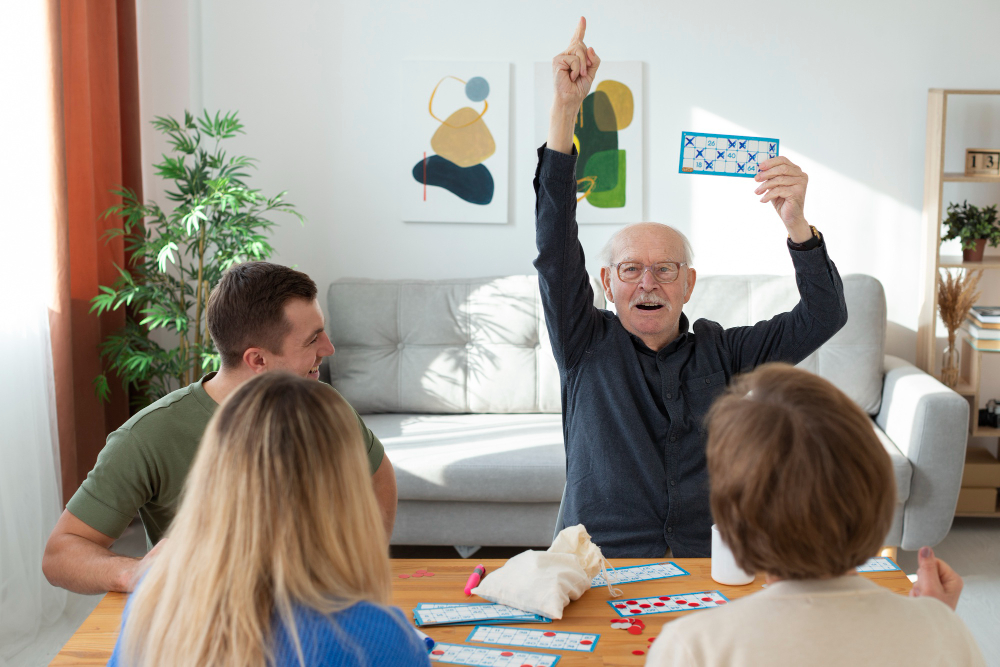
The Benefits of Social Events and Celebrations in Care Homes

A shared laugh, a birthday song, a festive meal—these moments matter more than we often realize. In care homes, social events and celebrations aren’t just pleasant extras; they are essential to emotional health, connection, and overall happiness. From weekly group activities to seasonal festivals and personal milestones, senior social activities play a powerful role in building confidence, reducing loneliness, and creating a true sense of home. In this guide, we’ll explore how elderly celebrations and community-focused events enrich daily life, support wellbeing, and transform care homes into vibrant places to live.

Why Social Connection Is Essential for Older Adults

Human connection is a lifelong need. As people age, social circles can naturally shrink due to retirement, mobility changes, or health concerns. Without intentional opportunities for connection, seniors may experience isolation. Strong social wellbeing for the elderly is linked to:
  • Better emotional health
  • Reduced anxiety and depression
  • Improved cognitive engagement
  • Greater sense of purpose
That’s why social interaction is a cornerstone of quality care.

What Are Social Events and Celebrations in Care Homes?

Social events in care homes are structured or informal gatherings designed to bring residents together in meaningful, enjoyable ways.

Common Senior Social Activities Include:

  • Birthday and anniversary celebrations
  • Cultural and religious festivals
  • Music, dance, and performance events
  • Games, quizzes, and themed afternoons
  • Family-inclusive celebrations
These activities go beyond entertainment—they are life enrichment programs that foster connection and joy.

How Social Events Support Emotional Wellbeing

1. Reducing Loneliness and Isolation

Loneliness is one of the biggest challenges facing older adults. Regular social events help counter this by creating shared experiences. Benefits include:
  • A sense of belonging
  • Emotional reassurance
  • Opportunities for friendship
Even quiet participation—simply being present—can significantly improve mood and comfort.

2. Boosting Happiness and Positive Emotions

Celebrations bring anticipation, excitement, and moments to look forward to. Events often:
  • Spark laughter and smiles
  • Create joyful memories
  • Break up daily routines
This emotional uplift is a key part of life enrichment for seniors.

Strengthening Community Living for Seniors

3. Building a Sense of Community

Care homes thrive when residents feel part of a community—not just occupants of a facility. Community living for seniors is strengthened through:
  • Shared traditions
  • Group participation
  • Collective celebrations
Over time, these shared moments create familiarity, trust, and connection.

4. Encouraging Peer Relationships

Social events naturally encourage conversation and bonding. They help residents:
  • Discover shared interests
  • Form friendships
  • Feel seen and included
Strong peer relationships contribute directly to long-term emotional wellbeing.

Celebrations That Honor Identity and Life Stories

5. Recognizing Milestones and Personal Achievements

Birthdays, anniversaries, and cultural celebrations validate a person’s life journey. These moments:
  • Reinforce personal identity
  • Show respect and appreciation
  • Create feelings of pride and joy
For seniors, being celebrated is deeply meaningful—it says, “You matter.”

6. Cultural and Seasonal Celebrations

Festivals and holidays provide familiarity and continuity. Examples include:
  • Religious observances
  • National holidays
  • Seasonal traditions
These events help seniors stay connected to their past and cultural roots, supporting emotional security.

Cognitive and Mental Health Benefits

7. Stimulating the Mind Through Engagement

Social activities often include games, music, storytelling, or themed discussions. These support:
  • Memory recall
  • Attention and focus
  • Mental stimulation
This makes social events an important part of holistic elderly wellbeing.

8. Supporting Seniors With Dementia

Even for residents with cognitive decline, social celebrations offer powerful benefits. They can:
  • Reduce agitation
  • Encourage engagement
  • Trigger positive emotional responses
Familiar music, routines, and friendly faces provide comfort and reassurance.

Physical Benefits of Social Participation

While social events focus on connection, they also promote gentle movement.

Physical Advantages Include:

  • Encouraging mobility
  • Improving posture and coordination
  • Reducing sedentary behaviour
Dance sessions, games, and group activities help seniors stay active in enjoyable ways.

Family Involvement: Strengthening Emotional Bonds

9. Bringing Families Into the Care Home Community

When families are invited to events, care homes become shared spaces—not separate worlds. Family-inclusive events:
  • Strengthen resident-family bonds
  • Build trust in care providers
  • Create shared memories
This involvement supports emotional comfort for both residents and loved ones.

Life Enrichment Programs Beyond Entertainment

10. Purposeful Programming With Meaning

The best social calendars are thoughtfully designed—not random. Effective life enrichment programs:
  • Reflect resident interests
  • Balance stimulation and rest
  • Adapt to different abilities
This ensures events feel meaningful, inclusive, and enjoyable for everyone.

11. Encouraging Participation Without Pressure

Not all seniors want to lead the dance or sing aloud—and that’s okay. Good programs:
  • Respect individual comfort levels
  • Offer choice and flexibility
  • Celebrate presence, not performance
This inclusive approach builds confidence over time.

The Role of Environment in Social Engagement

A welcoming environment encourages participation.

Social-Friendly Design Features Include:

  • Comfortable seating arrangements
  • Well-lit communal spaces
  • Calm acoustics
  • Easy accessibility
When the setting feels inviting, seniors are more likely to engage socially.

Clothing, Confidence, and Social Comfort

What residents wear can influence how they feel during social events.

Why Clothing Matters for Social Wellbeing

  • Comfortable fabrics encourage longer participation
  • Easy-to-wear designs reduce stress
  • Stylish, familiar outfits boost confidence
When seniors feel good in what they’re wearing, they’re more likely to join in and enjoy social moments.

How Social Events Improve Overall Care Home Satisfaction

Care homes with vibrant social calendars often see:
  • Happier, more engaged residents
  • Stronger community culture
  • Positive family feedback
Social connection directly influences how seniors perceive their living environment.

Supporting Emotional Resilience Through Celebration

Celebrations help seniors navigate life transitions. They:
  • Provide emotional anchors
  • Offer moments of joy during difficult times
  • Reinforce a sense of continuity and meaning
This emotional resilience is a key part of social wellbeing in elderly care.

Why Social Activities Are the Heart of Community Living

Care homes are more than care providers—they are communities. Social events:
  • Bring routines to life
  • Create shared stories
  • Turn neighbours into friends
They transform daily living into connected living.

Final Thoughts: Joy Is Essential at Every Age

Social events and celebrations remind us that joy, connection, and belonging never lose their importance. Through thoughtful senior social activities, meaningful elderly celebrations, and inclusive life enrichment programs, care homes can nurture emotional wellbeing and create truly fulfilling communities. Because aging well isn’t just about care—it’s about living fully, together.

Dress for Every Moment That Matters

Explore our senior-friendly, easy-wear clothing collections, designed for comfort, confidence, and style—perfect for everyday living and special celebrations alike. Because every moment is worth showing up for.  

How Modern Facilities Create a Better Living Experience for Seniors

Stepping into a modern care home today feels nothing like the outdated image many people still imagine. Light-filled spaces, hotel-style comforts, and thoughtfully designed amenities now shape a senior living experience that feels empowering, stylish, and dignified. And that’s exactly how it should be. Modern senior facilities are designed to support not just care needs—but lifestyle, independence, and joy. From smart layouts to calming interiors and community-focused amenities, today’s care home environment plays a powerful role in improving everyday life for older adults. Let’s explore how modern design and features are transforming senior living into a truly enriching experience.

What Defines a Modern Senior Facility?

A modern care home goes beyond basic accommodation. It blends comfort, safety, technology, and lifestyle into a seamless environment that feels welcoming and personal.

Key Characteristics of Modern Senior Facilities:

  • Purpose-built, accessible architecture
  • Thoughtful elderly comfort design
  • Lifestyle-focused shared spaces
  • Technology-enhanced safety and care
  • Warm, home-like aesthetics
These elements work together to create a place where seniors don’t just live—they thrive.

Why the Care Home Environment Matters More Than Ever

As we age, surroundings have a profound impact on emotional wellbeing, confidence, and independence. A well-designed care home environment can reduce stress, encourage movement, and promote social connection. Modern facilities recognize that:
  • Environment influences mood and memory
  • Comfort encourages engagement
  • Design supports dignity and autonomy
Simply put, where seniors live shapes how they feel every day.

Comfort-First Design: The Foundation of Better Living

1. Elderly Comfort Design That Feels Like Home

Modern senior facilities prioritize comfort without sacrificing style. Features often include:
  • Soft lighting and neutral colour palettes
  • Comfortable seating with proper support
  • Quiet zones for relaxation
  • Temperature-controlled rooms
These details reduce sensory overload and help seniors feel relaxed and at ease.

2. Accessibility Without an Institutional Feel

Accessibility no longer means clinical-looking spaces. Modern designs include:
  • Wide corridors and doorways
  • Step-free layouts
  • Stylish handrails and non-slip flooring
  • Easy-to-navigate room layouts
This allows seniors to move freely while maintaining a residential, welcoming atmosphere.

Safety Seamlessly Built Into Modern Design

3. Smart Safety Features That Don’t Feel Restrictive

Safety is essential—but modern care homes integrate it discreetly. Common modern care home features include:
  • Emergency call systems
  • Motion-sensor lighting
  • Fall-prevention flooring
  • Secure yet open layouts
These features protect residents while preserving a sense of independence.

4. Better Visibility and Wayfinding

Clear signage, colour-coded areas, and intuitive layouts help residents:
  • Navigate spaces confidently
  • Reduce confusion and anxiety
  • Feel more independent
This is especially important for seniors with memory or mobility challenges.

Senior Lifestyle Amenities That Enrich Daily Life

5. Social Spaces That Encourage Connection

Loneliness can impact senior health just as much as physical illness. That’s why senior lifestyle amenities focus on connection. Modern care homes often include:
  • Stylish lounges and cafés
  • Communal dining areas
  • Outdoor patios and gardens
  • Activity and hobby rooms
These spaces create opportunities for conversation, laughter, and shared experiences.

6. Wellness-Focused Amenities

Wellbeing is holistic—and modern facilities reflect that. Popular amenities include:
  • Fitness and physiotherapy rooms
  • Yoga or gentle movement spaces
  • Spa-style bathing areas
  • Quiet meditation or prayer rooms
These features support physical, emotional, and mental health.

Nature-Inspired Living for Emotional Wellbeing

7. Access to Green Spaces and Natural Light

Modern design embraces the healing power of nature. Benefits of nature-focused design:
  • Improved mood and sleep
  • Reduced stress and anxiety
  • Encouraged movement and exploration
Landscaped gardens, walking paths, and large windows bring the outdoors in—enhancing the overall care home environment.

Private Spaces That Respect Independence

8. Personalised Rooms With Modern Comforts

Private rooms in modern senior facilities are designed to feel like personal sanctuaries. They often feature:
  • Ensuite bathrooms
  • Adjustable lighting and climate control
  • Space for personal décor and furniture
  • Comfortable, easy-access storage
This balance of privacy and support helps seniors maintain a strong sense of self.

Technology That Enhances, Not Overwhelms

9. Smart Technology for Better Care and Communication

Technology plays a quiet but powerful role in modern senior living. Examples include:
  • Digital care monitoring
  • Video calling for family connections
  • Entertainment systems and Wi-Fi access
Used thoughtfully, technology enhances safety and connection—without replacing human care.

Dining Spaces Designed for Enjoyment

10. Modern Dining Experiences

Mealtimes are a highlight of daily life—and modern facilities treat them as such. Dining areas are:
  • Bright and inviting
  • Social yet calm
  • Designed for comfort and accessibility
This transforms meals into enjoyable social moments, not just routine tasks.

Clothing, Comfort, and Design Go Hand in Hand

Modern care homes understand that what residents wear affects how they feel.

Why Clothing Complements Modern Design:

  • Soft fabrics align with comfort-focused environments
  • Easy-to-wear styles support independence
  • Stylish designs boost confidence
Comfortable, well-designed clothing fits seamlessly into a modern living space—enhancing dignity and ease throughout the day.

Supporting Active and Engaged Lifestyles

11. Spaces Designed for Purposeful Living

Modern senior facilities encourage participation and routine. Dedicated spaces support:
  • Creative arts and crafts
  • Music and movement sessions
  • Reading, games, and learning
These activities keep minds active and spirits lifted—key elements of life satisfaction.

How Families Benefit From Modern Care Homes

Families often feel immediate reassurance when entering a modern care home. They notice:
  • Clean, welcoming spaces
  • Calm, organised environments
  • Comfortable areas for visits
A thoughtfully designed space builds trust and confidence in the care being provided.

Modern Design Supports Consistent, High-Quality Care

Good design makes caregiving easier and safer. Modern layouts help staff:
  • Respond quickly to needs
  • Maintain clear sightlines
  • Deliver care efficiently
This behind-the-scenes benefit directly improves the resident experience.

The Emotional Impact of Beautiful Spaces

Beauty matters—especially later in life. Modern environments:
  • Uplift mood
  • Create pride and belonging
  • Encourage self-care and confidence
When seniors feel proud of where they live, it positively affects mental health and self-esteem.

Why Modern Facilities Represent the Future of Senior Living

The shift toward modern senior facilities reflects a deeper change in values. It shows that:
  • Aging deserves dignity
  • Comfort and style matter at every stage
  • Senior living should feel aspirational, not limiting
This evolution is redefining what it means to age well.

Final Thoughts: Better Design, Better Living

A thoughtfully designed care home does more than house seniors—it enhances daily life. From elderly comfort design and smart safety features to lifestyle amenities and beautiful surroundings, modern care homes create environments where seniors can feel secure, valued, and inspired. Modern design isn’t about luxury—it’s about living well, every day.

Dress Comfortably for a Modern Lifestyle

Explore our senior-friendly, easy-wear clothing collections, designed to complement modern care home living with comfort, confidence, and effortless style. Because great living starts with feeling good—inside and out.  

How In-House Staff Improve Safety and Consistency in Care

When families choose a care home, they aren’t just choosing a building—they’re choosing people. The caregivers who show up every day, learn personal routines, and notice the smallest changes are what truly define quality care. This is why in-house care teams play such a critical role in delivering safe, reliable, and compassionate support. From reducing risks to building trust and consistency, having dedicated residential care staff makes a meaningful difference in the daily lives of older adults. In this guide, we explore how in-house staffing models elevate senior care safety, strengthen relationships, and create a more secure, comforting environment for residents and families alike.

What Are In-House Care Teams?

In-house care teams are caregivers, nurses, and support staff who are directly employed by a care home rather than hired through rotating agencies. They work on-site, follow consistent schedules, and are deeply familiar with residents and routines.

Common Roles Within In-House Teams

  • Care assistants and support workers
  • Registered nurses
  • Activity coordinators
  • Housekeeping and dining staff
  • Supervisors and care managers
This integrated structure creates a stable, coordinated care environment.

Why Staffing Structure Matters in Elderly Care

Care quality isn’t just about services offered—it’s about how consistently those services are delivered. Frequent staff changes can lead to miscommunication, missed cues, and emotional disruption for seniors. In contrast, trusted elderly care thrives when residents see familiar faces who understand their preferences, habits, and needs.

How In-House Staff Improve Senior Care Safety

1. Faster Recognition of Health Changes

Because in-house caregivers work with the same residents daily, they’re more likely to notice subtle changes. This includes:
  • Changes in appetite or sleep
  • Mood or behavior shifts
  • Mobility or balance concerns
  • Early signs of illness
Early detection leads to quicker intervention, reducing the risk of emergencies.

2. Reduced Risk of Errors and Miscommunication

Consistency minimizes mistakes. In-house staff:
  • Follow standardized care plans
  • Communicate regularly across teams
  • Understand individual medication routines
This reduces errors related to handovers, unfamiliarity, or rushed agency placements—key factors in senior care safety.

Consistent Caregiving Builds Confidence and Comfort

3. Familiar Faces Create Emotional Security

For seniors, especially those with cognitive decline, routine and familiarity are essential. Consistent caregiving:
  • Reduces anxiety and confusion
  • Encourages cooperation with care
  • Builds emotional trust
Residents feel safer when they know who is caring for them and what to expect.

4. Stronger Personal Relationships

In-house staff have the time and continuity to build genuine relationships. They learn:
  • Personal preferences and routines
  • Cultural and emotional needs
  • Communication styles
These connections are at the heart of trusted elderly care.

The Role of In-House Staff in Dementia-Friendly Care

Seniors living with dementia benefit immensely from consistent caregiving.

Why In-House Teams Matter for Dementia Care

  • Familiar caregivers reduce agitation
  • Predictable routines lower stress
  • Better understanding of triggers and comforts
Consistency supports dignity, calm, and emotional wellbeing—especially in later stages of care.

Training and Accountability: A Safety Advantage

5. Standardized Training and Protocols

In-house staff receive training aligned with the care home’s values and standards. This ensures:
  • Consistent care delivery
  • Up-to-date safety practices
  • Clear emergency protocols
Uniform training leads to predictable, reliable care.

6. Clear Accountability and Oversight

With in-house teams:
  • Managers know staff strengths and development needs
  • Performance is monitored regularly
  • Feedback loops are clear and constructive
This accountability supports continuous improvement in residential care staff performance.

How In-House Staffing Supports Daily Living

7. Smooth, Predictable Routines

Daily routines—from meals to medication—are smoother when handled by familiar teams. Benefits include:
  • Fewer disruptions
  • Less resident stress
  • Improved cooperation
Routine consistency plays a huge role in physical and emotional stability.

8. Safer Assistance With Mobility and Personal Care

Staff who know residents well understand:
  • Mobility limitations
  • Preferred assistance methods
  • Safety risks during transfers
This personalized knowledge reduces falls and injuries, reinforcing senior care safety.

Family Trust Grows With Consistent Care Teams

Families want reassurance that their loved one is safe, known, and valued. In-house staffing builds trust by:
  • Offering consistent points of contact
  • Providing reliable updates
  • Encouraging open communication
Knowing who is providing care—and seeing those same caregivers regularly—creates peace of mind.

In-House Teams vs Agency Staffing: A Clear Comparison

Agency-Based Care

  • Frequent staff changes
  • Limited familiarity with residents
  • Inconsistent routines
  • Higher risk of miscommunication

In-House Care Teams

  • Stable staffing
  • Deep resident knowledge
  • Strong relationships
  • Greater safety and consistency
For many families, in-house teams represent a higher standard of care.

The Impact on Staff Morale and Care Quality

Happy caregivers provide better care.

Benefits for In-House Staff

  • Stronger team culture
  • Better training and support
  • Sense of purpose and belonging
Motivated staff are more attentive, compassionate, and committed—directly improving resident outcomes.

Environment, Comfort, and Daily Confidence

Safety and consistency extend beyond care tasks.

Small Details That Matter

  • Calm, familiar surroundings
  • Predictable routines
  • Comfortable, easy-to-wear clothing
When residents feel comfortable and confident, they’re more likely to engage positively with care.

Clothing and Care Consistency

Caregivers who know residents well also understand their clothing preferences.

Why This Matters

  • Familiar clothing reduces confusion
  • Easy fastenings support independence
  • Comfortable fabrics improve daily cooperation
Consistency in care extends to how residents feel in their own clothes—supporting dignity and ease.

Why Care Homes Are Investing in In-House Teams

Forward-thinking care homes recognize that:
  • Safety improves with familiarity
  • Trust grows with consistency
  • Outcomes improve with stable teams
In-house staffing isn’t just an operational choice—it’s a commitment to quality.

Long-Term Benefits of Consistent Caregiving

Over time, in-house care teams contribute to:
  • Fewer incidents and hospitalizations
  • Better emotional wellbeing
  • Stronger resident satisfaction
  • Greater family confidence
Consistency is the foundation of sustainable, compassionate care.

Final Thoughts: Safety Starts With Familiarity

True care goes beyond checklists and schedules—it lives in relationships, trust, and consistency. In-house care teams bring stability to daily life, enhance senior care safety, and create an environment where residents feel known, protected, and respected. When care is consistent, safety follows—and dignity thrives.

Support Comfort That Complements Care

Explore our senior-friendly, easy-wear clothing collections, designed to support comfort, confidence, and independence alongside trusted in-house caregiving. Because great care feels even better when comfort is consistent.  

How Creative Arts Improve Senior Mood and Memory

A paintbrush, a melody, a shared laugh—sometimes the simplest creative moments can unlock joy, calm, and clarity in later life. For seniors, especially those living in care homes, creative arts are far more than hobbies. They are powerful tools for emotional wellbeing, memory stimulation, and life enrichment. From painting and music to crafts and storytelling, senior creative activities help older adults reconnect with themselves and others. In this guide, we explore how creativity supports mental health, enhances memory, and brings colour and confidence back into everyday life.

Why Creativity Matters in Later Life

As people age, routines can become repetitive, and opportunities for self-expression may decrease. Creative arts gently reverse this by offering purpose, stimulation, and emotional release.

Creativity Supports:

  • Emotional expression
  • Cognitive engagement
  • Social connection
  • Confidence and self-worth
This makes creative engagement a cornerstone of elderly wellbeing, particularly in care home environments.

What Are Senior Creative Activities?

Senior creative activities include any form of artistic or imaginative expression adapted to suit physical and cognitive abilities.

Popular Creative Options for Seniors:

  • Painting and drawing
  • Music and singing
  • Crafting and DIY projects
  • Dance and movement
  • Poetry, storytelling, and journaling
These activities are flexible, inclusive, and adaptable—making them accessible to seniors at all stages of ability.

How Art Therapy Benefits Seniors Emotionally

1. Improving Mood and Reducing Stress

Creative expression has a calming effect on the brain. For seniors, especially those experiencing loneliness or anxiety, creative activities can significantly improve mood. Art therapy for seniors helps by:
  • Reducing stress and agitation
  • Encouraging relaxation and mindfulness
  • Providing a positive emotional outlet
Even short creative sessions can leave seniors feeling lighter, calmer, and more positive.

2. Supporting Emotional Expression Without Words

Not all seniors find it easy to talk about their feelings—especially those with cognitive decline. Creative arts allow:
  • Expression without pressure
  • Communication beyond language
  • Emotional release through colour, sound, or movement
This makes art therapy particularly valuable for seniors who struggle with verbal communication.

The Link Between Creativity and Memory Improvement

3. Stimulating the Brain Through Creative Thinking

Creative activities activate multiple areas of the brain simultaneously, supporting memory improvement activities in a natural, enjoyable way. Creative engagement can:
  • Strengthen neural connections
  • Improve attention and focus
  • Encourage recall of past experiences
This mental stimulation helps keep the mind active and responsive.

4. Triggering Positive Memories

Music, art, and storytelling often spark memories tied to emotions, places, or people. For example:
  • A song from youth may trigger vivid recollections
  • Painting familiar scenes can revive personal stories
  • Crafts can reconnect seniors with lifelong hobbies
These moments of recall are deeply meaningful and enhance life enrichment.

Creative Arts and Dementia-Friendly Care

Creative activities are especially powerful for seniors living with dementia.

Benefits for Cognitive Decline Include:

  • Reduced agitation
  • Improved engagement
  • Emotional connection
  • Preserved sense of identity
Even when short-term memory fades, creative expression often remains accessible, offering moments of clarity and joy.

Social Benefits of Group Creative Activities

5. Building Connection and Belonging

Group-based creative sessions encourage interaction and shared experiences. Seniors benefit from:
  • Reduced feelings of isolation
  • Increased social confidence
  • Opportunities for laughter and conversation
Creativity brings people together, strengthening community bonds within care homes.

6. Boosting Confidence and Self-Esteem

Completing a creative project—no matter how simple—gives seniors a sense of achievement. This:
  • Reinforces independence
  • Builds self-worth
  • Encourages continued participation
Confidence plays a major role in overall elderly wellbeing.

Physical Benefits Hidden in Creative Arts

While creativity focuses on the mind, it also supports physical health.

Physical Advantages Include:

  • Improved fine motor skills (painting, crafting)
  • Gentle movement and flexibility (dance, music)
  • Better hand-eye coordination
These subtle physical benefits contribute to long-term comfort and independence.

Adapting Creative Activities for All Abilities

Creative arts should always be inclusive.

Tips for Accessibility:

  • Use large tools and soft materials
  • Allow seated or supported participation
  • Focus on enjoyment, not results
  • Offer encouragement without pressure
The goal is participation and pleasure, not perfection.

The Role of Environment in Creative Engagement

A calm, inviting environment enhances creative experiences.

Ideal Creative Spaces Include:

  • Natural lighting
  • Comfortable seating
  • Minimal noise distractions
  • Easy access to materials
A supportive setting helps seniors feel relaxed, focused, and inspired.

Clothing Comfort and Creative Confidence

Comfort plays a quiet but important role in creativity.

Why Clothing Matters During Creative Activities

  • Soft fabrics allow free movement
  • Easy-to-wear designs reduce frustration
  • Familiar clothing boosts confidence
When seniors feel comfortable in what they’re wearing, they’re more likely to engage fully and confidently in creative sessions.

Creative Arts as Daily Life Enrichment

Creative expression isn’t a one-time activity—it’s an ongoing source of joy.

Long-Term Benefits of Regular Creative Engagement:

  • Improved emotional resilience
  • Greater mental stimulation
  • Stronger social bonds
  • Enhanced sense of purpose
These outcomes make creative arts essential for meaningful life enrichment in senior care.

Encouraging Families to Participate

Family involvement in creative activities strengthens emotional bonds. Families can:
  • Join art or music sessions
  • Share stories or photos for inspiration
  • Celebrate creative achievements
Shared creativity creates lasting, joyful memories for everyone involved.

Why Care Homes Are Embracing Creative Arts Programs

Forward-thinking care homes recognize that wellbeing goes beyond physical care. Creative programs:
  • Improve resident satisfaction
  • Support cognitive and emotional health
  • Create vibrant, engaging communities
Creativity transforms care homes into places of expression, connection, and warmth.

Final Thoughts: Creativity Is Ageless

Creative arts remind us that self-expression doesn’t fade with age—it simply evolves. Through senior creative activities, art therapy, and memory-focused engagement, older adults can experience joy, clarity, and connection every single day. Creativity keeps the mind active, the heart light, and life meaningful.

Add Comfort to Creative Living

Explore our senior-friendly, easy-wear clothing collections, thoughtfully designed to support comfort, confidence, and freedom of movement during creative activities and beyond. Because creativity thrives when comfort comes first.  

Supporting Families Emotionally During Palliative Care

When a loved one enters palliative care, families don’t just face medical decisions—they face emotional upheaval, uncertainty, and profound change. The experience can feel overwhelming, even isolating. Yet with the right palliative care support, families can find comfort, clarity, and strength during one of life’s most sensitive chapters. This guide explores how emotional support plays a vital role in palliative care, how families can be gently guided through end-of-life transitions, and why compassionate caregiving extends far beyond physical comfort.

Why Emotional Support Is Essential in Palliative Care

Palliative care focuses on comfort, dignity, and quality of life—but these principles apply just as much to families as they do to patients.

Families Often Experience:

  • Anticipatory grief
  • Emotional exhaustion
  • Fear of loss
  • Guilt, confusion, or helplessness
Providing family emotional care ensures that loved ones are supported, informed, and emotionally held throughout the journey.

Understanding the Emotional Journey of Families

Every family experiences palliative care differently, but emotional responses often follow common patterns.

Common Emotional Phases

  • Shock and denial after diagnosis or prognosis
  • Anxiety and fear about the future
  • Sadness and anticipatory grief
  • Acceptance and reflection
Recognizing these phases allows caregivers and care homes to offer timely, compassionate support rather than reactive reassurance.

What Is Family Emotional Care in Palliative Settings?

Family emotional care is a holistic approach that addresses the psychological, emotional, and relational needs of families alongside medical care.

It Includes:

  • Active listening and emotional validation
  • Clear, empathetic communication
  • Guidance during decision-making
  • Access to grief and counseling resources
This support helps families feel seen, heard, and respected.

The Role of Compassionate Care Teams

1. Creating a Safe Space for Emotions

Families often need permission to express emotions they feel pressured to suppress. Care teams support this by:
  • Encouraging open conversations
  • Normalizing grief, anger, or fear
  • Avoiding judgment or rushed reassurance
This emotional openness is a cornerstone of compassionate caregiving.

2. Clear and Gentle Communication

Uncertainty intensifies emotional distress. Families benefit from communication that is:
  • Honest but sensitive
  • Consistent and clear
  • Free of overwhelming medical jargon
This builds trust and reduces fear during critical moments.

End-of-Life Guidance: Helping Families Feel Prepared

One of the most valuable aspects of palliative care is end-of-life guidance—not to rush the process, but to gently prepare families emotionally and practically.

Guidance May Include:

  • Understanding what to expect physically and emotionally
  • Discussing wishes, values, and preferences
  • Helping families recognize meaningful moments
Preparation helps families feel less helpless and more present.

Supporting Families Through Anticipatory Grief

Grief doesn’t start after loss—it often begins the moment families realize time is limited.

Signs of Anticipatory Grief

  • Persistent sadness
  • Emotional numbness
  • Difficulty concentrating
  • Guilt about future feelings
Acknowledging anticipatory grief allows families to process emotions before loss occurs, reducing long-term emotional strain.

Grief Support During and After Palliative Care

1. Emotional Support During Care

Ongoing grief support during palliative care may include:
  • One-on-one counseling
  • Group or family discussions
  • Spiritual or cultural support
This helps families cope in real time, not just afterward.

2. Bereavement Support After Loss

Compassionate care doesn’t end with death. Post-care support often involves:
  • Follow-up calls or check-ins
  • Grief counseling referrals
  • Memorial or remembrance resources
Continued support reassures families that they are not forgotten once care ends.

How Care Homes Support Families Emotionally

Care homes play a crucial role in delivering emotional care through:
  • Dedicated family liaison staff
  • Comfortable, private spaces for visits
  • Flexible visiting arrangements
  • Family-inclusive care planning
These elements create a sense of partnership rather than separation.

Small Comforts That Make a Big Emotional Difference

Emotional support is often found in small, thoughtful details.

Everyday Comforts That Matter:

  • Quiet, welcoming spaces
  • Soft lighting and calm surroundings
  • Familiar routines and personal items
  • Comfortable, dignified clothing
These details help families feel that their loved one is cared for as a person, not just a patient.

Clothing, Comfort, and Emotional Wellbeing

Clothing plays a surprisingly powerful role in emotional care.

Why Clothing Matters in Palliative Care

  • Soft fabrics reduce physical discomfort
  • Familiar garments bring emotional reassurance
  • Easy-to-wear designs preserve dignity
For families, seeing their loved one comfortable and well-presented can ease emotional distress and create peaceful memories.

Supporting the Emotional Health of Caregivers

Family caregivers often put their own needs last.

Common Caregiver Emotional Challenges

  • Burnout and exhaustion
  • Guilt for needing rest
  • Fear of “not doing enough”
Palliative care teams support caregivers by:
  • Encouraging rest and self-care
  • Validating emotional limits
  • Offering respite and reassurance
Healthy caregivers are better able to provide loving, present support.

Cultural Sensitivity and Emotional Care

Emotional needs vary widely across cultures, beliefs, and family dynamics. Effective palliative care support respects:
  • Cultural rituals and traditions
  • Spiritual beliefs
  • Family decision-making styles
This ensures care feels personal, respectful, and inclusive.

How Families Can Support Each Other Emotionally

Families can strengthen emotional resilience by:
  • Communicating openly
  • Sharing caregiving responsibilities
  • Allowing space for different emotions
  • Seeking support without guilt
No one needs to be strong all the time—shared vulnerability builds connection.

Final Thoughts: Compassion Extends Beyond the Patient

Palliative care is not just about managing symptoms—it’s about supporting hearts, relationships, and emotional wellbeing. By prioritizing family emotional care, offering meaningful end-of-life guidance, and providing ongoing grief support, palliative care creates space for peace, love, and dignity—even in difficult moments. True compassionate caregiving embraces everyone involved.

Create Comfort That Speaks Without Words

Explore our comfort-focused, senior-friendly clothing collections, thoughtfully designed to support dignity, ease, and emotional reassurance during palliative care. Because comfort isn’t just felt—it’s remembered.  

What Makes Palliative Care Different from Hospice Care?

When a loved one is facing serious illness, families are often overwhelmed—not just emotionally, but also by unfamiliar medical terms. One of the most common and confusing questions is this: What’s the difference between palliative care and hospice care? While both focus on comfort, dignity, and compassionate support, they serve different purposes and stages of care. Understanding these distinctions empowers families to make informed decisions, reduce stress, and choose the right elderly care options at the right time. This guide breaks it all down—clearly, calmly, and compassionately.

Why Understanding Care Types Matters

Choosing the right care isn’t just a medical decision—it’s a quality-of-life decision. Misunderstanding palliative vs hospice care can delay vital support or cause unnecessary fear. The truth is:
  • Both prioritize comfort
  • Both support families and caregivers
  • Both improve emotional wellbeing
But they differ in timing, goals, and eligibility.

What Is Palliative Care?

Care Focused on Living Well—At Any Stage

Palliative care is specialized medical care designed to improve quality of life for people living with serious or chronic illness. Importantly, it can be provided at any stage of illness, even alongside curative treatments.

Key Features of Palliative Care

  • Pain and symptom management
  • Emotional and psychological support
  • Coordination with medical treatments
  • Support for families and caregivers
Palliative care is about living better, not giving up.

Who Can Receive Palliative Care?

Palliative care is suitable for individuals with conditions such as:
  • Cancer
  • Heart disease
  • Parkinson’s disease
  • COPD
  • Dementia
It can begin from diagnosis and continue for months or even years.

What Is Hospice Care?

Comfort-Focused Care at Life’s Final Stage

Hospice care is a form of end-of-life care provided when curative treatment is no longer pursued and life expectancy is typically six months or less, as determined by a physician. The focus shifts entirely to:
  • Comfort
  • Dignity
  • Emotional and spiritual peace
Hospice supports both the individual and their loved ones during this deeply personal time.

Core Principles of Hospice Care

  • Symptom and pain control
  • Emotional and spiritual counseling
  • Family guidance and grief support
  • Respect for personal wishes
Hospice is about quality of life, not length of life.

Palliative vs Hospice: The Key Differences

1. Timing of Care

Palliative Care
  • Can begin at diagnosis
  • Provided alongside treatment
  • No life expectancy limit
Hospice Care
  • Begins when treatment stops
  • Typically last six months of life
  • Focused on end-of-life comfort

2. Treatment Goals

Palliative Care Goals
  • Reduce symptoms
  • Support ongoing treatment
  • Improve daily comfort and function
Hospice Care Goals
  • Manage pain and distress
  • Honor end-of-life wishes
  • Provide peaceful, dignified care
Both offer senior comfort care, but at different stages.

3. Location of Care

Both palliative and hospice care can be provided in:
  • Care homes
  • Private residences
  • Hospitals
  • Assisted living communities
Flexibility ensures care meets the individual’s needs and preferences.

Shared Values: Where Palliative and Hospice Care Overlap

Despite their differences, both care models share a strong foundation.

Shared Priorities Include:

  • Compassionate support
  • Pain and symptom relief
  • Respect for dignity
  • Emotional care for families
Both recognize that comfort and humanity matter just as much as medicine.

How Families Benefit From These Care Options

Emotional Relief and Guidance

Serious illness affects the whole family. Both care types offer:
  • Counseling and emotional reassurance
  • Clear communication about care plans
  • Guidance during difficult decisions
This reduces anxiety and uncertainty at every step.

Practical Support for Caregivers

Caregivers receive:
  • Education on symptom management
  • Help coordinating care
  • Respite and emotional relief
Support extends beyond the patient—it surrounds the family.

Choosing the Right Elderly Care Option

When Palliative Care May Be the Right Choice

  • Treatment is ongoing
  • Symptoms are affecting daily life
  • Emotional or psychological support is needed
  • Long-term condition management is required

When Hospice Care May Be the Right Choice

  • Focus has shifted from cure to comfort
  • Frequent hospitalizations are occurring
  • Comfort and dignity are the top priorities
  • Family desires structured end-of-life support
Choosing care is not about giving up—it’s about choosing comfort and compassion.

The Role of Care Homes in Comfort-Focused Care

Care homes play a vital role in delivering both palliative and hospice care by offering:
  • Trained, empathetic staff
  • Calm, supportive environments
  • Personalized care plans
  • Family-inclusive approaches
This holistic setting ensures consistent, compassionate care throughout every stage.

Comfort Beyond Medicine: Why Environment Matters

Comfort care extends beyond clinical treatment.

Everyday Comfort Elements That Matter

  • Quiet, calming spaces
  • Familiar routines
  • Soft lighting
  • Comfortable, easy-to-wear clothing
These details contribute significantly to emotional peace and dignity, especially during end-of-life care.

Clothing, Dignity, and Senior Comfort Care

Clothing may seem small—but during serious illness, it’s deeply important.

Why Clothing Choices Matter

  • Soft fabrics reduce skin sensitivity
  • Easy fastenings preserve independence
  • Familiar garments provide emotional reassurance
Thoughtful clothing supports confidence, comfort, and dignity, aligning perfectly with compassionate care values.

Common Myths About Hospice and Palliative Care

Myth 1: Hospice Means Giving Up

Truth: Hospice means prioritizing comfort and peace.

Myth 2: Palliative Care Is Only for the Dying

Truth: Palliative care supports people at any stage of illness.

Myth 3: Families Lose Control

Truth: Both models empower families and honor personal wishes. Understanding these facts builds confidence and clarity.

Final Thoughts: Care Is About Choice, Comfort, and Compassion

The difference between palliative vs hospice care lies not in compassion—but in timing and goals. Both represent thoughtful, humane end-of-life care types designed to support seniors and families through some of life’s most challenging moments. Choosing the right care option ensures:
  • Comfort is prioritized
  • Dignity is preserved
  • Families feel supported, not alone
Because care should always be guided by kindness, respect, and understanding.

Discover Comfort That Truly Cares

Explore our senior-friendly, comfort-focused clothing collections, thoughtfully designed to support dignity, ease, and wellbeing during palliative and hospice care. Because compassionate care starts with everyday comfort.  

Short-Stay Care After Hospital Discharge: Why It Helps

Leaving the hospital is a relief—but for many seniors and families, it’s also where new challenges begin. Recovery doesn’t end at discharge. In fact, the days and weeks that follow are critical for healing, confidence, and long-term wellbeing. This is where short-stay care after hospital discharge becomes a game changer. Designed to bridge the gap between hospital and home, short-stay support provides professional care, rehabilitation, and peace of mind during a vulnerable transition period. In this guide, we’ll explore why short-stay care works, how it supports senior recovery, and why it’s becoming a preferred choice for families focused on safe, dignified aging.

What Is Short-Stay Care After Hospital Discharge?

Short-stay care, often referred to as transitional care, is temporary residential support provided to seniors who are medically stable but not yet ready to return home independently.

Typical Length of Stay

  • A few days
  • One to three weeks
  • Occasionally longer, depending on recovery needs
This form of post-hospital care focuses on healing, rehabilitation, and regaining independence—without the intensity of hospital settings.

Why the Transition From Hospital to Home Can Be Risky

Hospitals prioritize acute treatment. Once that phase is complete, patients are discharged—sometimes before they’re fully ready to manage daily life.

Common Post-Discharge Challenges

  • Weakness or reduced mobility
  • Medication management confusion
  • Risk of falls
  • Inadequate home support
  • Delayed wound healing
Without proper short-stay support, seniors may face setbacks that lead to readmission.

How Short-Stay Care Supports Senior Recovery

1. A Safer Recovery Environment

Short-stay care facilities are designed specifically for recovery—not emergencies. Residents benefit from:
  • 24/7 professional monitoring
  • Immediate response to health concerns
  • Fall-prevention environments
  • Calm, structured routines
This level of supervision makes recovery safer and more predictable.

2. Professional Elderly Rehabilitation

Many seniors require physical or occupational therapy after hospitalization. Elderly rehabilitation services often include:
  • Mobility and strength exercises
  • Balance training
  • Assistance with walking aids
  • Daily living skill support
Consistent therapy accelerates recovery and reduces long-term dependency.

Transitional Care: The Missing Link in Recovery

3. Smooth Transition From Hospital to Home

Jumping straight from hospital to home can be overwhelming—especially after surgery or illness. Transitional care ensures:
  • Gradual adjustment
  • Ongoing medical oversight
  • Confidence rebuilding
  • Better readiness for independent living
It’s not about delaying homecoming—it’s about doing it right.

4. Reduced Hospital Readmissions

One of the biggest benefits of short-stay care is fewer readmissions. Why it works:
  • Early detection of complications
  • Better medication adherence
  • Ongoing professional assessments
This makes short-stay care a preventive solution, not just a recovery option.

Who Benefits Most From Short-Stay Support?

Short-stay care is ideal for seniors who:
  • Have undergone surgery
  • Are recovering from infections or illness
  • Need temporary mobility support
  • Live alone without immediate caregivers
  • Require monitoring after medication changes
Families also benefit from peace of mind, knowing their loved one is cared for professionally.

Daily Support That Makes a Real Difference

5. Help With Everyday Activities

After discharge, even simple tasks can feel exhausting. Short-stay care provides assistance with:
  • Bathing and dressing
  • Meal preparation
  • Mobility and transfers
  • Personal hygiene
This support preserves dignity while preventing injury or overexertion.

6. Medication Management Made Simple

Medication errors are common after hospital discharge. Short-stay care teams ensure:
  • Correct dosages
  • Timely administration
  • Monitoring for side effects
  • Coordination with healthcare providers
This is a critical component of effective post-hospital care.

Emotional Recovery Matters Too

Healing isn’t just physical—it’s emotional.

7. Confidence, Comfort, and Companionship

Short-stay environments offer:
  • Social interaction
  • Reassurance and routine
  • Reduced feelings of isolation
For many seniors, this emotional support boosts motivation and speeds up recovery.

The Role of Comfort, Clothing, and Familiarity

Recovery is easier when seniors feel comfortable and confident.

Why Clothing Choice Matters During Recovery

  • Soft, breathable fabrics reduce skin irritation
  • Easy-fastening garments support limited mobility
  • Familiar clothing provides emotional reassurance
Comfortable clothing isn’t just about style—it’s about function, dignity, and healing during transitional care.

Short-Stay Care vs Home Recovery: A Clear Comparison

Recovering at Home

  • Limited supervision
  • High reliance on family
  • Risk of falls or complications
  • Emotional strain on caregivers

Short-Stay Care

  • Professional 24/7 support
  • Structured rehabilitation
  • Safer environment
  • Reduced caregiver stress
For many families, short-stay care offers the best of both worlds.

Planning Short-Stay Care After Hospital Discharge

Tips for a Smooth Transition

  • Discuss options with hospital discharge planners
  • Understand therapy and care needs
  • Tour facilities if possible
  • Pack familiar items and clothing
  • Stay involved with regular updates
Preparation ensures a stress-free recovery experience.

How Short-Stay Care Supports Long-Term Independence

The ultimate goal of transitional care is independence. By focusing on:
  • Strength rebuilding
  • Confidence restoration
  • Skill relearning
Short-stay care helps seniors return home stronger, safer, and more self-reliant.

Why Care Homes Are Embracing Transitional Care

Care homes offering short-stay support play a vital role in modern healthcare by:
  • Reducing hospital strain
  • Supporting families
  • Improving recovery outcomes
This integrated approach benefits individuals and the wider healthcare system.

Final Thoughts: Recovery Deserves the Right Environment

Short-stay care after hospital discharge isn’t a detour—it’s a smart step forward. With professional post-hospital care, tailored elderly rehabilitation, and compassionate transitional support, seniors can heal fully and return home with confidence. Recovery isn’t just about getting better—it’s about getting back to living well.

Make Recovery More Comfortable

Explore our easy-wear, recovery-friendly clothing and comfort essentials, thoughtfully designed for seniors during short-stay care and beyond. Because healing feels better when comfort comes first.  

How Respite Care Supports Caregiver Work–Life Balance

Caring for a loved one is an act of love—but doing it alone, nonstop, can be exhausting. When caregiving begins to overshadow careers, relationships, and personal wellbeing, it’s time for support that helps without guilt. That’s where respite care steps in. Designed to provide short-term, high-quality care for older adults, respite care gives caregivers the breathing room they need to rest, recharge, and rebalance life—without compromising the comfort or dignity of their loved one. In this in-depth guide, we explore how respite care benefits caregivers, reduces stress, and restores harmony between work and personal life.

What Is Respite Care?

Respite care is temporary care provided by trained professionals, allowing family caregivers to take a break from their responsibilities. Care can last from a few hours to several weeks, depending on needs.

Common Types of Respite Care

  • Short-stay care in a care home or assisted living facility
  • In-home respite services
  • Adult day care programs
  • Emergency respite support
No matter the format, the goal remains the same: reliable elderly support for your loved one and meaningful caregiver stress relief for you.

Why Caregiver Balance Matters More Than Ever

Modern caregivers often juggle:
  • Full-time or part-time jobs
  • Parenting responsibilities
  • Household management
  • Emotional caregiving duties
Without proper support, this balancing act can quickly lead to burnout, affecting both caregiver and care recipient.

Signs of Caregiver Imbalance

  • Chronic fatigue and sleep deprivation
  • Irritability or emotional overwhelm
  • Declining work performance
  • Social withdrawal
Respite care offers a reset button, helping caregivers return refreshed and more present.

The Core Respite Care Benefits for Caregivers

1. Effective Caregiver Stress Relief

Caregiving without breaks is one of the leading causes of long-term stress. Respite care introduces planned relief, which can dramatically improve mental and emotional health. Key stress-reducing benefits include:
  • Time to rest and sleep properly
  • Space to process emotions
  • Reduced feelings of guilt or frustration
Even a short break can have a long-lasting positive impact.

2. Restoring Work–Life Balance

Balancing a job with caregiving responsibilities is one of the biggest challenges families face. Respite care allows caregivers to:
  • Focus on work commitments without constant worry
  • Attend meetings, travel, or meet deadlines
  • Reduce absenteeism and burnout
This balance protects career stability while ensuring loved ones receive professional care.

How Short-Stay Care Supports the Entire Family

3. Reliable Elderly Support in a Safe Environment

During short-stay care, seniors receive:
  • 24/7 supervision
  • Assistance with daily activities
  • Nutritious meals
  • Medication support
  • Social interaction
This structured care ensures continuity, comfort, and safety—especially for individuals with mobility issues or cognitive decline.

4. Peace of Mind for Caregivers

Knowing your loved one is in capable, compassionate hands makes it easier to truly disconnect during your break. Caregivers report:
  • Less anxiety while away
  • Greater trust in professional care teams
  • Improved emotional wellbeing
Peace of mind is one of the most valuable respite care benefits.

Respite Care Isn’t a Luxury—It’s a Necessity

Many caregivers delay seeking help due to guilt or fear of judgment. But respite care is not a sign of failure—it’s a sustainable caregiving strategy.

Why Regular Breaks Improve Long-Term Care

  • Prevents caregiver burnout
  • Improves patience and empathy
  • Strengthens caregiver–senior relationships
  • Supports long-term independence
Healthy caregivers provide better care.

How Respite Care Improves Quality of Life for Seniors

Respite care doesn’t just benefit caregivers—it also enriches the lives of older adults.

Benefits for Seniors Include:

  • New social connections
  • Structured routines
  • Mental stimulation
  • Professional health monitoring
Short stays can feel like a refreshing change of environment, not a disruption.

Fashion, Comfort, and Confidence During Short-Stay Care

Comfort plays a major role in helping seniors feel at ease during respite stays.

Why Clothing Matters in Elderly Support

  • Soft fabrics reduce skin irritation
  • Easy fastenings promote independence
  • Familiar clothing enhances emotional security
Thoughtfully chosen clothing helps seniors feel confident, dignified, and at home, even in a temporary care setting.

When Is the Right Time to Consider Respite Care?

You might benefit from respite care if:
  • You feel physically or emotionally exhausted
  • Work responsibilities are becoming overwhelming
  • You need time for personal health or family events
  • You’re planning travel or a holiday
Respite care works best when planned proactively, not as a last resort.

How to Choose the Right Respite Care Option

Key Factors to Consider:

  • Level of care required
  • Duration of stay
  • Staff qualifications
  • Environment and amenities
  • Communication with families
Visiting facilities, asking questions, and understanding care plans ensures a smooth, stress-free experience.

Supporting Caregiver Balance Through Community and Care Homes

Care homes that offer respite care play a crucial role in:
  • Supporting working families
  • Reducing caregiver burnout
  • Strengthening community health
By normalizing short-term care, we create a culture where asking for help is encouraged—not judged.

The Long-Term Impact of Caregiver Stress Relief

Caregivers who regularly use respite services report:
  • Better physical health
  • Improved emotional resilience
  • Stronger relationships
  • Increased confidence in caregiving decisions
Sustainable care begins with caring for the caregiver.

Final Thoughts: Balance Is the Best Gift You Can Give

Respite care isn’t about stepping away—it’s about stepping back stronger. With reliable elderly support and professional short-stay care, caregivers can restore balance, protect their wellbeing, and continue providing loving care without sacrificing their own lives. Work–life balance isn’t selfish—it’s essential.

Ready to Make Care More Comfortable?

Explore our senior-friendly, easy-wear clothing and comfort essentials, designed to support dignity, confidence, and ease during short-stay care and beyond. Because when caregivers are supported, everyone thrives.  

Understanding the Early Signs of Dementia: A Caregiver’s Guide

Noticing small changes in memory or behavior in a loved one can feel unsettling—but early awareness makes all the difference. Dementia rarely appears overnight. Instead, it often begins with subtle shifts that are easy to dismiss as “normal aging.” Understanding the early dementia signs empowers families, caregivers, and care homes to seek timely support, improve quality of life, and protect long-term elderly cognitive health. In this comprehensive guide, we’ll break down what to watch for, what’s normal, what’s not—and how early action can change outcomes.

What Is Dementia? A Simple Explanation

Dementia is an umbrella term used to describe a group of conditions that affect memory, thinking, behavior, and daily functioning. It is not a normal part of aging, although it primarily affects older adults. Common forms include:
  • Alzheimer’s disease
  • Vascular dementia
  • Lewy body dementia
  • Frontotemporal dementia
Each type presents differently, but many share similar early warning signs.

Dementia vs Normal Aging: Knowing the Difference

One of the biggest challenges in dementia awareness is separating typical age-related changes from symptoms that signal something more serious.

Normal Aging

  • Occasionally forgetting names but remembering later
  • Slower processing of information
  • Needing reminders for appointments

Possible Early Dementia Signs

  • Frequently forgetting recent conversations
  • Repeating the same questions
  • Difficulty following familiar routines
  • Confusion about time or place
If these symptoms become persistent or progressive, it’s time to pay closer attention.

Early Dementia Signs You Should Never Ignore

1. Memory Loss That Disrupts Daily Life

Memory loss is often the first and most noticeable symptom. This goes beyond occasionally misplacing keys. Red flags include:
  • Forgetting recently learned information
  • Relying heavily on notes or family reminders
  • Asking the same question repeatedly
These memory loss symptoms are among the strongest Alzheimer’s indicators in early stages.

2. Difficulty Performing Familiar Tasks

People in early dementia may struggle with tasks they once handled effortlessly. Examples include:
  • Cooking a familiar recipe
  • Managing finances or paying bills
  • Using household appliances
This isn’t about lack of confidence—it’s about cognitive processing challenges.

3. Confusion With Time and Place

Losing track of dates or seasons occasionally is normal. But early dementia often causes deeper confusion. Warning signs:
  • Forgetting where they are or how they got there
  • Mixing up day and night
  • Missing appointments repeatedly
This can increase anxiety and disorientation, especially in unfamiliar environments.

Communication and Language Changes

4. Trouble Finding the Right Words

Language-related changes are common early dementia signs. You may notice:
  • Pausing mid-sentence
  • Using incorrect or vague words
  • Difficulty following conversations
This can lead to frustration, withdrawal, or embarrassment.

5. Repeating Stories or Losing Train of Thought

Someone may:
  • Tell the same story multiple times
  • Lose focus during conversations
  • Struggle to stay engaged in group discussions
These symptoms often affect social confidence, leading to isolation if not supported.

Behavioral and Personality Changes

6. Mood Swings and Emotional Changes

Dementia doesn’t just affect memory—it impacts emotions too. Common early changes include:
  • Increased anxiety or irritability
  • Depression or loss of interest
  • Unusual fearfulness
Sudden emotional shifts with no clear cause are important dementia awareness signals.

7. Withdrawal From Social Activities

People experiencing early dementia may:
  • Avoid hobbies they once enjoyed
  • Decline social invitations
  • Seem unusually quiet or disengaged
This withdrawal often stems from fear of embarrassment or difficulty keeping up.

Changes in Judgment and Decision-Making

8. Poor Judgment or Risky Choices

Early dementia can affect reasoning and judgment. Watch for:
  • Giving away large sums of money
  • Falling for scams easily
  • Wearing inappropriate clothing for the weather
These behaviors can compromise safety and independence if unnoticed.

9. Difficulty Managing Finances

Handling money often becomes overwhelming early on. Signs include:
  • Unpaid bills
  • Confusion over bank statements
  • Trouble understanding numbers
This is often one of the earliest practical signs families notice.

Visual and Spatial Difficulties

10. Problems With Depth Perception and Vision

Some people experience changes in how they see and interpret space. This may look like:
  • Difficulty judging distance
  • Trouble reading
  • Problems recognizing faces
These symptoms can increase the risk of falls and accidents, especially in older adults.

Why Early Detection Matters for Elderly Cognitive Health

Recognizing early dementia signs allows for:
  • Timely medical evaluation
  • Slower symptom progression with treatment
  • Better care planning
  • Improved emotional wellbeing
Early diagnosis doesn’t just benefit the individual—it supports families, caregivers, and care homes in providing the right level of care.

When Should You Seek Medical Advice?

Consider consulting a healthcare professional if:
  • Symptoms persist for more than a few months
  • Daily activities are affected
  • Changes are noticed by multiple people
Early assessments can rule out reversible causes such as vitamin deficiencies, depression, or medication side effects.

Supporting a Loved One in the Early Stages

Practical Ways to Help

  • Use clear, calm communication
  • Establish predictable routines
  • Encourage mental stimulation
  • Promote physical activity and social engagement
Support should focus on dignity, independence, and reassurance.

The Role of Environment, Comfort, and Clothing

A supportive environment plays a key role in managing early dementia.

Helpful Environmental Adjustments:

  • Clear signage and labels
  • Adequate lighting
  • Calm, clutter-free spaces
Comfortable, easy-to-wear clothing also supports independence and confidence—especially when fine motor skills begin to decline.

Building Dementia Awareness in Care Homes

Care homes that prioritize dementia awareness create safer, more compassionate spaces by:
  • Training staff to spot early symptoms
  • Encouraging open communication with families
  • Designing dementia-friendly environments
This proactive approach improves outcomes and trust.

Final Thoughts: Knowledge Is the First Step to Care

Understanding the early signs of dementia allows us to respond with empathy rather than fear. Memory loss symptoms, behavioral changes, and Alzheimer’s indicators are easier to manage when recognized early—and support is introduced gently and respectfully. Dementia may change the journey, but quality of life, comfort, and dignity can always be preserved.

Take the Next Step Toward Better Care

Explore our thoughtfully designed elderly-friendly and sensory-comfort clothing collections, created to support confidence, ease, and wellbeing at every stage of cognitive change. Learn more, care better, and make every day more comfortable.  

How Sensory Activities Improve Life for Dementia Patients

Caring for someone with dementia isn’t only about medical support—it’s about preserving joy, dignity, and connection. One of the most powerful yet gentle ways to do this is through sensory activities that awaken memories, soothe anxiety, and create meaningful engagement. From calming music to comforting textures and familiar scents, dementia sensory activities play a vital role in improving quality of life for individuals living with Alzheimer’s and related conditions. In this guide, we’ll explore how sensory stimulation works, why it’s essential in memory care, and how caregivers and care homes can use it effectively every day.

Understanding Dementia and Sensory Decline

Dementia affects how the brain processes information, including sight, sound, touch, taste, and smell. As memory and communication skills decline, people often rely more heavily on their senses to understand and interact with the world.

Common Sensory Challenges in Dementia

  • Difficulty interpreting sounds or visual cues
  • Increased sensitivity to noise or light
  • Reduced ability to recognize familiar faces or objects
  • Heightened anxiety due to sensory confusion
This is where elderly sensory support becomes essential. Sensory-based activities help bridge the gap between confusion and comfort, offering reassurance without relying on complex language or memory recall.

What Are Dementia Sensory Activities?

Dementia sensory activities are structured or informal experiences designed to stimulate one or more senses in a safe, calming, and meaningful way. These activities don’t require cognitive effort—making them ideal even in later stages of dementia.

Sensory Stimulation Can Include:

  • Touch: soft fabrics, stress balls, hand massages
  • Sound: music, nature sounds, familiar voices
  • Sight: photo albums, light projectors, colorful textiles
  • Smell: lavender, fresh bread, familiar perfumes
  • Taste: favorite foods, flavored teas, gentle spices
Unlike traditional activities, sensory engagement meets individuals where they are, not where we expect them to be.

Why Sensory Activities Matter in Memory Care

1. Enhancing Emotional Wellbeing

Sensory experiences activate parts of the brain linked to emotion and long-term memory, often remaining intact even when short-term memory fades. A familiar song or scent can instantly trigger feelings of safety and happiness. Benefits include:
  • Reduced agitation and restlessness
  • Lower stress and anxiety levels
  • Improved mood and emotional regulation
This is a cornerstone of Alzheimer’s wellbeing, especially for residents prone to distress or withdrawal.

2. Improving Dementia Engagement and Social Connection

One of the biggest challenges in dementia care is disengagement. Sensory activities gently invite participation without pressure.

How Sensory Engagement Helps:

  • Encourages eye contact and non-verbal communication
  • Sparks curiosity and attention
  • Creates shared experiences between residents and caregivers
Even individuals who struggle with speech can connect through touch, sound, or rhythm, strengthening relationships and trust. 4

The Role of Sensory Stimulation in Memory Care Programs

Modern care homes increasingly integrate memory care stimulation into daily routines rather than treating it as a separate activity.

Sensory-Based Approaches Used in Care Homes:

  • Music therapy sessions with personalized playlists
  • Sensory rooms featuring calming lights and textures
  • Reminiscence corners with familiar household items
  • Tactile stations using clothing, scarves, and blankets
These approaches support person-centered care, ensuring each resident’s preferences, history, and comfort are respected.

Sensory Activities by Dementia Stage

Early-Stage Dementia

At this stage, individuals often enjoy interactive sensory experiences. Recommended activities:
  • Gardening and nature walks
  • Cooking or baking with familiar smells
  • Sorting fabrics or clothing by color and texture
These activities promote independence while gently stimulating memory.

Mid-Stage Dementia

As confusion increases, activities should be simpler and more soothing. Effective options include:
  • Folding soft clothes or towels
  • Listening to familiar music
  • Hand or foot massages with calming oils
Consistency and routine are key for comfort and reassurance.

Late-Stage Dementia

In advanced stages, sensory support becomes primarily about comfort and presence. Best practices:
  • Gentle touch and holding hands
  • Soft lighting and quiet environments
  • Familiar scents and voices
Even minimal sensory input can provide profound emotional relief. 4

How Clothing and Textiles Support Sensory Comfort

While often overlooked, clothing plays a significant sensory role in dementia care.

Sensory-Friendly Clothing Benefits:

  • Soft, breathable fabrics reduce skin irritation
  • Familiar textures provide emotional reassurance
  • Easy fastenings support dignity and independence
Items like shawls, cardigans, and textured blankets can act as comfort tools, offering warmth, familiarity, and tactile stimulation—especially valuable in care home settings.

Tips for Implementing Sensory Activities Successfully

To get the most from sensory engagement, follow these best practices:
  • Personalize experiences based on life history and preferences
  • Avoid overstimulation—less is often more
  • Observe reactions carefully and adjust accordingly
  • Create a calm environment free from loud noise or harsh lighting
  • Involve caregivers and family members when possible
Remember, the goal isn’t performance—it’s connection and comfort.

The Long-Term Impact on Alzheimer’s Wellbeing

Consistent sensory engagement has been shown to:
  • Improve sleep patterns
  • Reduce reliance on medication for agitation
  • Enhance overall quality of life
  • Support emotional stability and self-identity
For care homes, investing in elderly sensory support isn’t just beneficial—it’s essential to compassionate, modern dementia care.

Final Thoughts: Small Sensory Moments, Big Life Improvements

Sensory activities may seem simple, but their impact on dementia engagement and wellbeing is profound. By focusing on the senses rather than lost abilities, caregivers and care homes can create moments of peace, recognition, and joy—no matter the stage of dementia.

Ready to Enhance Comfort and Care?

Explore our thoughtfully designed sensory-friendly clothing and comfort essentials, created to support dignity, ease, and emotional wellbeing for individuals living with dementia. Discover how small sensory details can make a meaningful difference—every single day.  
eBook Cover

    Discover Life at Park View
    Download Your Free eBrochure

    Learn more about our specialist dementia & elderly care, innovative activities-based environment, and the warm, person-centred approach that makes Park View so special.

    Our eBrochure includes:

    • Overview of our care & facilities
    • Meet our award-winning team
    • Insight into our dementia expertise
    • How we support families and loved ones

    Enter your details below to download your free copy today.

    Please view our Privacy Policy for more information on how we use your data.

    Book A Visit

    Call (01422) 350088 to book

      Apply For... Care Assistant

      Fields marked with an * are required.

      For more details on how we handle your data, please view our Privacy Policy.

        Contact me regarding... The Benefits of Social Events and Celebrations in Care Homes

        Fields marked with an * are required.

        For more details on how we handle your data, please view our Privacy Policy.

          Write to me here

          Fields marked with an * are required.

          For more details on how we handle your data, please view our Privacy Policy.

            Contact me regarding... The Benefits of Social Events and Celebrations in Care Homes

            Fields marked with an * are required.

            For more details on how we handle your data, please view our Privacy Policy.

              Contact Us Today

              Fields marked with an * are required.

              For more details on how we handle your data, please view our Privacy Policy.