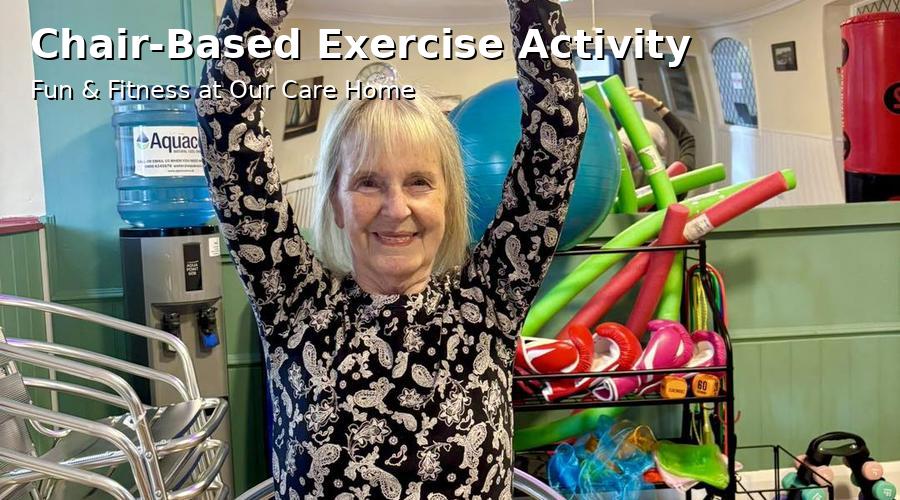
Chair-Based Exercise for Seniors – Staying Active at Any Age!

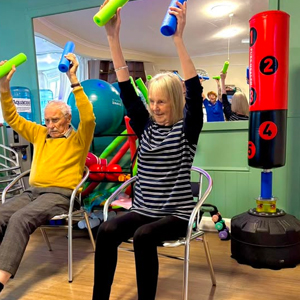
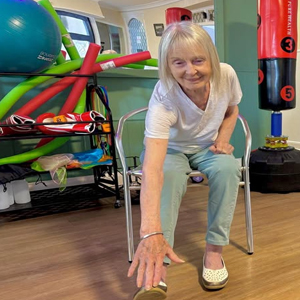
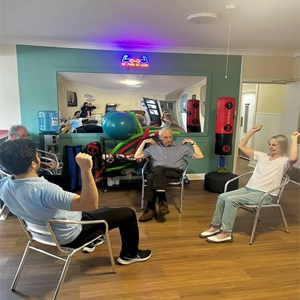
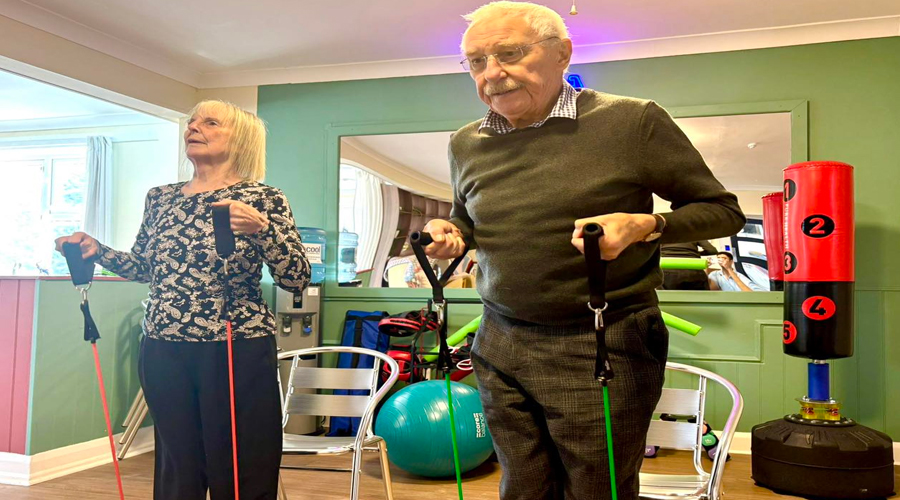
At our care home, we believe that staying active is essential for physical and mental well-being, no matter your age. This photo captures a joyful moment during one of our chair-based exercise sessions, specially designed for older adults. These gentle exercises help improve flexibility, mobility, and overall fitness—all while being fun and safe. Led by our friendly and supportive team, participants enjoy moving their bodies, socializing, and boosting their confidence in a welcoming environment. Whether it’s stretching, light resistance movements, or just enjoying a group routine, our residents thrive through regular, adapted physical activities. Because here, movement means joy—and every stretch is a step toward better health!

Resistance Band Exercise Session at a Care Home

Resistance bands offer low-impact strength training that supports daily activities like sit-to-stand transfers and walking. They help counter age-related muscle loss (sarcopenia) and may even improve bone density through gentle loading effects.

Physical Strength, Mobility & Fall Prevention

Resistance band workouts are highly effective for seniors:
  • They help preserve muscle mass and combat sarcopenia, improving independence in daily tasks like standing or walking.
  • Bands deliver low-impact resistance—gentle on joints while building bone density and strength.
  • Regular resistance training improves balance and stability, reducing falls.
  • Clinical studies report significant gains in walking speed, endurance, and single-leg balance after weeks of elastic band exercise.

Cognitive & Emotional Well‑Being

  • Physical exercise supports mental health—boosting mood, self-esteem, and cognitive function.
  • Structured group activity encourages social interaction, decreases loneliness, and builds community.
  • In participants with dementia, resistance training often improves attention, communication, and day‑to‑day engagement.

A New Beginning at Park View

It’s an incredibly exciting time for everyone here at Park View Care Home — we’re thrilled to announce that we have officially welcomed our very first resident!

This moment marks a huge milestone in what has been a three-year journey filled with dedication, teamwork, and passion. The development of Park View has been a true labour of love, and seeing it finally come to life is an achievement we are all so proud of.

A heartfelt thank you goes out to everyone who has played a part in making this dream a reality. From the teams who worked tirelessly behind the scenes to our wonderful supporters in the community — your encouragement and belief in us have meant the world.

Now, with our doors open, we are more than ready to provide the highest standard of care and create a warm, welcoming environment where our residents can truly feel at home. Our goal has always been to deliver the best possible care experience, and this is just the beginning of that journey.

We also want to take a moment to thank our Facebook community, who have supported Lee Mount Care Home so wonderfully over the years. Your ongoing support has been invaluable, and we hope you’ll continue to be part of our story by showing the same love for Park View.

Please like our new Facebook page and share our posts to help us spread the word — your support helps us grow our community and make a difference in more people’s lives.

Opening Ceremony Of The Park View Care Home

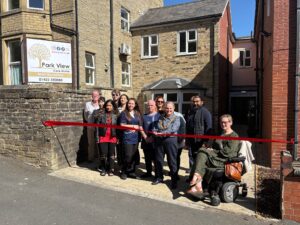
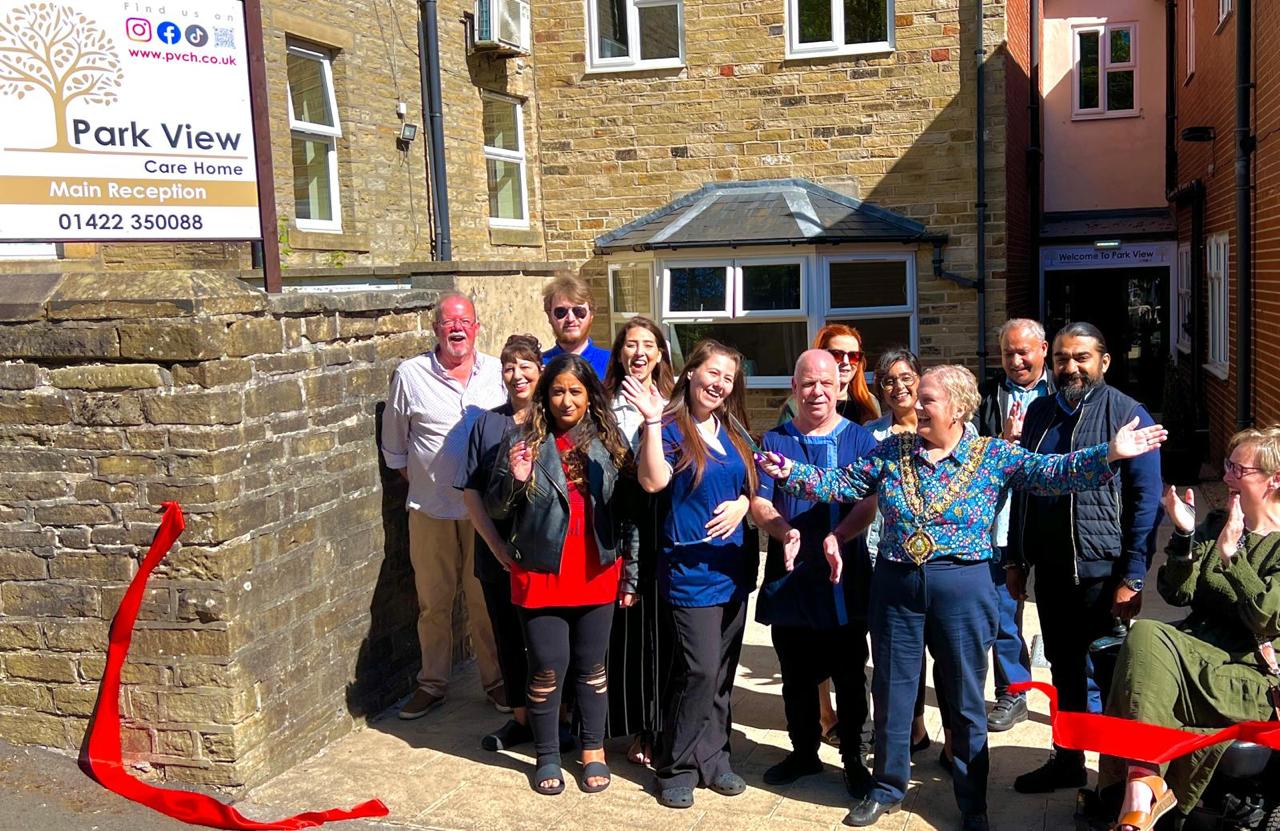
Lee Mount’s newly developed Park View Care Home proudly celebrated its grand reopening with a special event on 13 May, 2025. After two years of extensive redevelopment, the home has been transformed into a unique, open-plan, activity-based care environment, designed to meet the needs of older adults while creating a vibrant, welcoming space for residents and their families. Park View Care Home, the sister home to Lee Mount Care Home, represents a significant investment in the local community and is set to provide residential, respite, and dementia care services in a modern and compassionate setting. The care home has now welcomed its first residents and care team, setting a new standard in specialist dementia and elderly care. The home features a purpose-built, open-plan layout informed by leading dementia research—encouraging independence, reducing confusion, and fostering meaningful engagement. A skilled and compassionate team delivers 24/7 personalised care, ensuring each resident feels safe, supported, and truly valued. Among the standout facilities are a 10-seater cinema with a 140-inch screen, a vibrant creative studio, an interactive therapy kitchen, and a dedicated sensory relaxation area. Residents can also enjoy the Halifax Legends Sports Bar, a self-serve café, a traditional sweet shop, a library, an indoor exercise area, and a beautifully landscaped sensory garden. A memorable reopening celebration welcomed guests including the Mayor of Calderdale, Danielle Durrans; Howard Priestley of Phoenix FM 96.7; community leaders; and local residents. Attendees enjoyed a warm and lively atmosphere, with speeches, tours of the new facilities, and plenty of opportunities to share in the excitement of this new chapter. The Mayor of Calderdale, Danielle Durrans, shared moving words at the ceremony: “It is a real honour to join you today for the official opening of Park View, a new and much-needed care home here in Ovenden, and the proud sister home to Lee Mount Care Home. This is a moment that holds personal meaning for me. In 2016, my own mother spent a couple of months at Lee Mount. During that time, our family saw first-hand what compassionate, personalised care truly looks like. The staff did not just provide support — they provided warmth, dignity, and genuine kindness. They made my mother feel at home, and for that I remain deeply grateful. That same spirit now lives on here at Park View. This new home is not just a building; it is a promise — a promise to care for our older residents with the respect they deserve, to create a safe and welcoming space where they can thrive, and to support families during times of change. The design, the attention to comfort, and most importantly, the people who will work here reflect a true commitment to excellence and heart. It is clear that Park View is not just about delivering care, but about building a real sense of home and community. So to everyone who helped bring Park View to life — thank you. You are not only changing the care landscape here in Calderdale — you are making a difference in people’s lives every single day. Congratulations, and welcome to Park View.” Councillor Ann Kingston, who also attended, praised the home’s development in her post: “I was invited to the opening of the new Park View Care Home, under the same ownership as Lee Mount Care Home. The facilities are wonderful — including a cinema, library, music room, café kitchen, creative centre, Players Bar, and a tuck shop. The care they provide for their residents is something we are exceptionally proud of locally, and we recognise the impact this has for both residents and their families.” Not all care homes are created equal — this Halifax-based dementia and elderly care home has been carefully designed to offer more: more comfort, more connection, more value, and more joy. We’d love for you to book a visit to look around and see first-hand the warm, welcoming environment we’ve created. Stay tuned for more upcoming events by following our Facebook page! To learn more about Park View Care Home, schedule a tour, or reserve a place, click here or call 01422 369081
    • park view opening ceremony

The Importance of Community Engagement for Care Home Residents

At Park View, we understand the profound impact of staying connected with the community on our residents’ well-being. A few years ago, a survey revealed that many of our residents missed engaging in everyday activities such as shopping, visiting cafes, attending church, going to the library, watching movies at the cinema, and even simple tasks like posting a letter. This insight prompted us to rethink our approach to community engagement and develop strategies to help our residents maintain these connections.

The Challenge of Maintaining Everyday Activities

When individuals move into care homes, they often stop participating in the activities they once enjoyed by 80-90%. This significant reduction in engagement can be attributed to various factors, including the transition to a new living environment, the need for increased care, and logistical challenges related to outings. Activities like cooking, cleaning, doing laundry, and going out become less frequent, impacting their overall quality of life. Recognising this issue, we were determined to find ways to help our residents continue to engage in the community. However, this is not as simple as it sounds. There are numerous challenges, such as managing a busy care home environment, ensuring adequate staffing, arranging transportation, conducting safety and risk assessments, and more.

Developing a Routine for Community Engagement

Over time, we have developed a robust routine to facilitate community outings. We now have two dedicated activities coordinators, one of whom focuses specifically on organising community trips. This dedicated approach ensures we can provide consistent and meaningful opportunities for our residents to engage with the community. We have also signed up all our residents for the Access Bus service, which has significantly helped with transportation costs. This service is invaluable in making outings more accessible and affordable. To ensure fairness and safety, we tailor our outings to meet the individual needs of our residents. Those who require more support or have higher mobility challenges are often taken out one-to-one. This personalised approach allows us to cater to each resident’s needs, ensuring they can safely enjoy their time out.

The Positive Impact of Community Trips

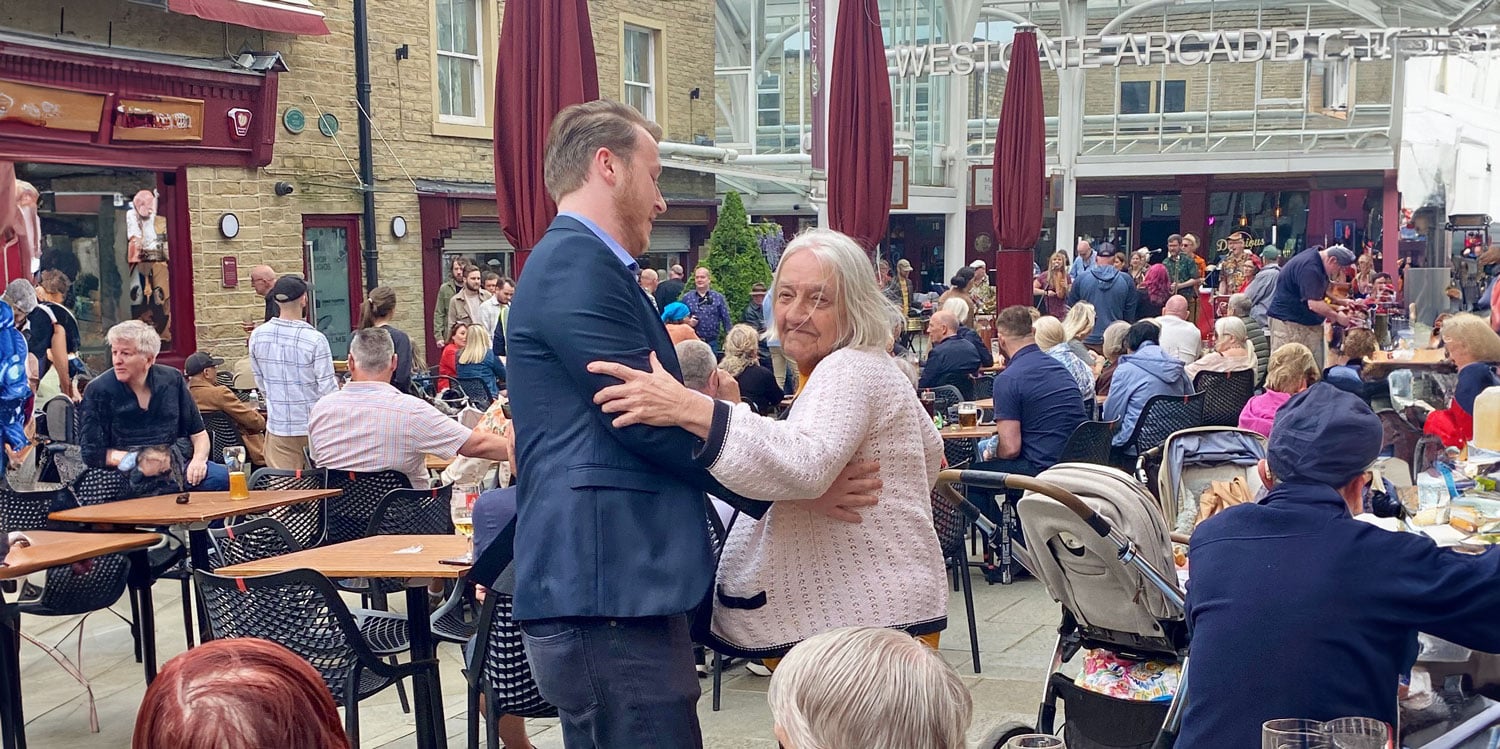
The benefits of our community trips are now becoming increasingly evident. Our residents are building meaningful links within the community and becoming familiar faces at local businesses and events. The local community and businesses have been incredibly supportive, welcoming our residents and helping them feel included. We have observed a significant positive impact on our residents’ general well-being. Regular outings have boosted their spirits, provided a sense of purpose, and allowed them to maintain independence. The joy and satisfaction derived from these activities are immeasurable. Our commitment to being person-centred in our approach is highlighted by our efforts to tailor outings to individual interests. For instance, one of our residents, a devoted fan of the band Status Quo, is set to attend a surprise concert at the Piece Hall in town. We are all very excited about this personalised outing and showcasing our dedication to making our residents’ dreams come true.

Building Strong Community Links

Engaging with the community goes beyond just providing outings. It helps our residents feel valued and connected, reducing feelings of isolation and loneliness. The relationships formed with local community members and businesses enrich our residents’ lives and foster a sense of belonging. We encourage other care homes to consider the benefits of facilitating community engagement for their residents. While there are challenges to overcome, the rewards are well worth the effort. The positive impact on residents’ well-being, the strengthened community ties, and the joy of seeing residents thrive make it a truly worthwhile endeavour.

The Benefits of Care Home Services Doing Fundraisers for Local Charities

At Park View, we have a proud tradition of fundraising for local charities, having raised thousands of pounds over the past 7-8 years. While raising money for important causes is a significant outcome, the benefits of these efforts extend far beyond financial contributions. Engaging in fundraising activities has profound positive effects on our staff, residents, and the wider community.

A Break from Routine and a Source of Joy

Fundraising activities give our staff and residents a refreshing break from the daily routine. The preparation and execution of these events offer a much-needed change of pace, providing everyone with something exciting to look forward to. Whether it’s planning a bake sale, organising a charity auction, or hosting a community fair, these events inject a sense of purpose and enthusiasm into our daily lives. For our staff, these activities can alleviate day-to-day work stresses, fostering a more positive and cohesive team environment. The collaborative nature of fundraising projects encourages teamwork and creativity, helping to build stronger bonds among colleagues.

Resident Engagement and Empowerment

One of the most rewarding aspects of our fundraising efforts is the active involvement of our residents. Many of our residents take great pleasure in contributing to these events by crafting items for sale, manning stalls, or even choosing the charities we support. A particularly heartwarming example is the story of one of our residents who, as part of her 100th birthday celebrations, chose to support Overgate Hospice. She was passionate about giving back and continued to raise funds for Overgate every year until she passed away. Her dedication not only raised substantial funds but also inspired others to get involved and showed the profound impact that these activities can have on individual lives.

Building Strong Community Relationships

Fundraising activities significantly strengthen our connections within the local community. By supporting local charities, we build relationships with these organisations, often leading to ongoing collaborations. For example, our sustained efforts in supporting Overgate Hospice have resulted in a strong, mutually beneficial relationship. Overgate regularly provides our staff with specialist training in end-of-life care, enhancing our residents’ quality of care. These relationships are invaluable, fostering a sense of community and shared purpose. They also allow our residents to interact with the broader community, enhancing their social well-being and sense of belonging.

Enhancing the Service Reputation

Participating in fundraising activities can also enhance the reputation of care home services. Commitment to the community and local causes helps build trust and respect from current and prospective residents and their families. It shows that the care home is dedicated not only to the well-being of its residents but also to the welfare of the wider community.

Personal Recommendation

Based on our experiences at Park View, I highly recommend that other care home services consider engaging in fundraising activities. The benefits are manifold: financial support for worthy causes, improved staff morale, enriched resident lives, stronger community ties, and a positive public image. Fundraising is more than just raising money; it’s about building a vibrant, connected community and enriching the lives of everyone involved. By Manjinder (Boo) Dhiman Registered Manager/Director

The Importance Of Building Strong Relationships As An Activities Coordinator

Building strong relationships and connections is crucial in any job role, but it holds special significance for an Activities Coordinator. This role demands more than just showing up for a paycheck; it requires passion, dedication, and genuine care for the people you serve.

Beyond the Job: Creating a Second Family

For me, the clients I work with are not just part of my job—they are like a second family. They are friends and, in many ways, feel like my own grandparents. Establishing strong bonds with them makes delivering activities more effective and enjoyable. Without these connections, it becomes challenging to encourage participation and engagement in the activities we plan.

The Foundation of Effective Activities: Strong Relationships

A solid relationship foundation makes activities more meaningful and enjoyable for everyone involved. Clients are more likely to participate and engage when they feel a personal connection with the Activities Coordinator. This bond fosters trust and makes tailoring activities that resonate with their interests and preferences easier.

Dedication and Personal Connection

I have dedicated myself to building these relationships. I want my clients to see me as a shoulder to cry on, a helping hand when needed, and a safe, trustworthy space filled with fun. This dedication involves learning about their backgrounds, likes, dislikes, and those unique quirks you pick up through conversations. It also means allowing them to get to know me, creating a mutual trust that enriches our interactions.

More Than Just Activities: Genuine Engagement

Being an Activities Coordinator is about more than just organising events and activities. Sometimes, it’s about sitting down for a good old natter over a hot cup of tea. Often, everyone needs your time and attention to feel that their thoughts and opinions matter. Listening and engaging in meaningful conversations are just as important as any planned activity.

Person-Centered Care: A Key to Success

Person-centred care is at the heart of my approach. By appreciating and incorporating clients’ likes and interests into activities, we create familiar and enjoyable experiences. This personalised attention makes the activities more engaging and reinforces positive memories and feelings, strengthening our bond.

The Rewards of Strong Connections

The impact of these strong connections is evident. I see smiles when I walk into the room, hear clients telling me I am a godsend, and feel their trust in me for advice and support. These moments remind me of the difference I am making in their lives, making even the hard days worthwhile. Building strong relationships and connections is not just a part of the job for an Activities Coordinator; it is the essence of it. These bonds make the role rewarding and fulfilling, turning a job into a vocation and clients into a second family. By Sherrie Steptoe Activities Coordinator

A Journey of Growth and Development at Park View

My journey at Park View Residential Home began in March 2019, when I joined as a junior care staff member on the night shift. Thanks to the support and opportunities provided by Park View, I have grown and developed both personally and professionally over the years.

Starting as a Junior Carer

When I first started, I was eager to learn and make a difference. Working nights allowed me to develop a deep understanding of our resident’s needs and preferences by engaging with them and reviewing their personalised care plans. The management team recognised my dedication and enrolled me in an NVQ Level 3 in Health and Social Care. This opportunity was pivotal in my career progression.

Transitioning to a Senior Carer

After two years on the night shift, I transitioned to a senior carer role on the day shift. This change was challenging initially due to the increased interaction with family members and various healthcare professionals, including doctors, district nurses, and specialists from different organisations. However, this experience enhanced my understanding of the importance of working in partnership with other professionals, increasing my knowledge and skills.

Expanding My Skills and Knowledge

Throughout my time at Park View, I have completed numerous training courses on topics such as dementia, mental health, and fire safety. I expressed an interest in end-of-life care, and my managers supported me by enrolling me in a specialised training course at Overgate Hospice and Huddersfield Royal Infirmary. This course covered pain management, skin integrity, spiritual preferences, and end-of-life care planning, which I recently completed, earning the title of End of Life Champion. Additionally, I have completed a course in skin integrity and wound care, further enhancing my capabilities as a champion of care. These training opportunities have been invaluable in helping me provide the best possible support to our residents.

Becoming a Team Leader

With continued support from the management team, I have progressed from a senior carer to a team leader. In this role, I work closely with other staff members, supporting their development and ensuring we provide high-quality care to our residents. I have built strong relationships with external professionals, staff, and family members, all of which contribute to the well-being of our residents.

Looking to the Future

Having been at Park View Residential Home for five years, I am now enrolled in an NVQ Level 4 in Health and Social Care, which I aim to complete this year. My goal is to continue learning and developing my skills to provide the best support possible to our residents, staff, family members, and the management team. I am committed to fostering a supportive and collaborative environment that ensures the highest standards of care for everyone at Park View. My journey at Park View has been incredibly rewarding, and I am grateful for the opportunities and support I have received. I look forward to continuing to grow and make a positive impact on the lives of our residents. By Jemma Ogden Team Leader

24 Hour Residential Care in Halifax: What Families Need to Know

Choosing the right care option for a loved one is one of the most important decisions a family can make. When round-the-clock support becomes necessary, 24-hour residential care in Halifax offers a safe, structured environment where individuals receive continuous assistance with daily living, medical needs, and emotional wellbeing. Unlike hospital stays or short-term respite care, residential care homes in Halifax provide a permanent home-like setting designed to support people who can no longer live independently due to age, disability, or chronic illness. In this comprehensive guide, we’ll explore what 24-hour residential care in Halifax entails, why it matters for families, and how to choose the best option for your loved one. Whether you’re just beginning your search or comparing care homes, this article will help you make an informed and confident decision.

Understanding 24-Hour Residential Care in Halifax

What Does 24-Hour Residential Care Mean?

24-hour residential care refers to long-term support provided in a home-like setting, where trained staff are available around the clock to assist with personal care, medication management, meals, mobility, and social activities. These facilities are not medical hospitals but are regulated care homes that prioritize dignity, safety, and quality of life. In Halifax, residential care homes are typically licensed by the Nova Scotia Department of Health and Wellness and must meet provincial standards for staffing, safety, nutrition, and resident rights. They can range from small, family-run homes with 4–6 residents to larger facilities with 20–50+ beds, each offering varying levels of support depending on the needs of the residents.

Types of Residential Care in Halifax

Not all residential care homes are the same. In Halifax, families can choose between several types of care settings:
  • Personal Care Homes (PCHs): These are the most common type of residential care in Nova Scotia. They provide assistance with daily activities such as bathing, dressing, eating, and toileting, but do not offer complex medical care like nursing homes in other provinces.
  • Enhanced Care Units: Some homes have specialized units for residents with advanced dementia or complex health needs. These units offer higher staff-to-resident ratios and tailored programs.
  • Dementia-Specific Homes: Facilities like Halifax’s designated dementia care units are designed to support individuals with Alzheimer’s or other forms of dementia, using secure environments and sensory-friendly design.
  • Bilingual or Culturally Focused Homes: Some care homes in Halifax cater to specific cultural or linguistic communities, offering meals, activities, and staff who speak languages like Mandarin, Cantonese, or French.
Understanding these distinctions is crucial, as the level of care and environment can significantly impact your loved one’s comfort and happiness.

Why 24-Hour Residential Care Matters for Families

Peace of Mind for Caregivers

Many families reach a point where providing round-the-clock care at home becomes unsustainable—whether due to physical exhaustion, financial strain, or the need for specialized medical attention. Placing a loved one in a 24-hour residential care home in Halifax doesn’t mean giving up; it often means ensuring they receive better, safer, and more consistent care than a family caregiver can provide alone. Caregiver burnout is a real and often overlooked issue. According to the Canadian Centre for Caregiving Excellence, nearly 30% of family caregivers report high levels of stress, and 1 in 5 experience depression. Residential care can alleviate this burden while ensuring the senior’s needs are met by trained professionals.

Safety and Health Monitoring

Falls, medication errors, dehydration, and undetected health changes are common risks for seniors living alone. In a 24-hour care home, staff conduct regular wellness checks, monitor vital signs, manage medications accurately, and respond immediately to emergencies. This proactive approach can prevent hospitalizations and complications. For example, a resident with Parkinson’s disease may need assistance getting out of bed at night to prevent falls. In a care home, staff are trained to assist safely, whereas a family member might not be available or equipped to help at 3 AM.

Social Connection and Mental Wellbeing

Isolation is a leading cause of cognitive decline and depression in older adults. Residential care homes in Halifax prioritize social engagement through group activities, outings, music therapy, and communal dining. This structured social environment can improve mood, cognitive function, and overall quality of life. Many seniors who move into care homes report feeling less lonely and more energized, especially when they participate in programs tailored to their interests—whether it’s gardening, book clubs, or gentle exercise classes.

Key Concepts in 24-Hour Residential Care

Staffing and Training Standards

In Nova Scotia, personal care home staff must meet minimum training requirements set by the provincial government. This includes certification in first aid, dementia care, infection control, and resident rights. However, the quality of care often depends on the home’s staffing levels and ongoing training. Look for homes where staff turnover is low and where employees receive regular education on topics like fall prevention, mental health support, and palliative care. Some high-quality homes also employ registered nurses (RNs) or licensed practical nurses (LPNs) to oversee medical needs.

Costs and Funding Options

The cost of 24-hour residential care in Halifax varies widely depending on the type of home, location, and level of care required. As of 2024, the average monthly cost ranges from $3,500 to $7,000, with dementia care units often at the higher end. Funding options include:
  • Private Pay: Most families pay out-of-pocket, using savings, pensions, or family contributions.
  • Nova Scotia Seniors’ Pharmacare: May cover some medication costs for eligible seniors.
  • Home Care Subsidies: While not directly for residential care, some programs may help transition a senior into a care home.
  • Long-Term Care Insurance: If your loved one has a policy, it may cover part of the costs.
It’s important to ask each home for a detailed breakdown of fees—some may include utilities, activities, and transportation, while others charge extra for these services.

Regulations and Accreditation

All residential care homes in Halifax must be licensed and inspected annually by the Nova Scotia Department of Health and Wellness. However, some homes voluntarily seek additional accreditation from organizations like Accreditation Canada, which indicates they meet higher standards of care. When touring a home, ask to see recent inspection reports and accreditation certificates. Pay attention to any past violations and how they were addressed.

Real-World Examples: Residential Care in Halifax

Case Study: Transitioning to a Dementia Care Unit

Margaret, 82, was diagnosed with vascular dementia. Her daughter, Sarah, noticed she was getting lost in her own neighborhood, forgetting to take her medication, and becoming agitated at night. After a fall that required stitches, Sarah knew it was time for residential care. They chose a dementia-specific unit at Mount Saint Vincent University’s Long-Term Care Home in Halifax, which offers a secure, circular layout to prevent wandering. The staff used reminiscence therapy and personalized activities to help Margaret feel at home. Within weeks, her sleep improved, and she began participating in group sing-alongs—something she hadn’t done in years. This example highlights how specialized care can transform a senior’s quality of life when general home care isn’t enough.

Case Study: A Family-Run Home with a Personal Touch

John, 78, had mobility issues following a stroke. His wife, Linda, wanted him to stay close to home but needed help with transfers and personal care. They chose a small, family-operated care home in Dartmouth called Haven Care Home, which has only 8 residents. The owner, a former nurse, lives on-site and knows each resident by name. Staff prepare home-cooked meals, and the home feels more like a large family than an institution. John regained confidence in walking with the help of physiotherapy sessions offered on-site, and Linda visits daily, feeling reassured by the close-knit environment. This case shows that smaller, community-based homes can offer a level of personalization that larger facilities sometimes lack.

How to Choose the Right 24-Hour Residential Care Home in Halifax

Step 1: Assess Your Loved One’s Needs

Start by making a list of essential care requirements:
  • Level of assistance needed (e.g., help with bathing, feeding, mobility)
  • Medical conditions requiring monitoring (e.g., diabetes, Parkinson’s)
  • Behavioral needs (e.g., aggression, wandering, anxiety)
  • Preferences (e.g., language, cultural meals, religious services)
This list will help you narrow down homes that can meet these specific needs.

Step 2: Tour Multiple Homes

Never choose a care home based solely on photos or a website. Schedule in-person tours and observe:
  • Cleanliness and Safety: Are hallways well-lit? Are there grab bars in bathrooms? Is the home free of strong odors?
  • Staff Interaction: Do staff greet residents warmly? Do they seem patient and attentive?
  • Resident Engagement: Are residents participating in activities, or are they sitting alone?
  • Food Quality: Ask for a sample meal or visit during lunchtime.
  • Atmosphere: Does the home feel warm and welcoming, or institutional and cold?
Bring a checklist and take notes during each visit. Compare your observations across homes.

Step 3: Understand the Contract and Costs

Before signing anything, review the contract carefully. Key points to check include:
  • What’s included in the monthly fee?
  • Are there additional charges for incontinence products, physiotherapy, or special diets?
  • What’s the policy on medical emergencies or hospital transfers?
  • Is there a waiting list, and what’s the refund policy if the resident passes away or moves out?
If possible, have a lawyer or financial advisor review the contract before signing.

Step 4: Involve Your Loved One in the Decision

While safety and care are top priorities, it’s also important that your loved one feels comfortable in their new home. Involve them in the selection process—visit homes together, discuss their preferences, and respect their feelings. A senior who feels heard and valued is more likely to adapt positively to the transition.

Common Mistakes Families Make When Choosing Residential Care

Choosing Based on Cost Alone

While affordability is important, the cheapest option isn’t always the best. A home with low fees may have high staff turnover, outdated facilities, or inadequate care. Conversely, a more expensive home doesn’t guarantee better care—some luxury homes prioritize aesthetics over resident wellbeing. Focus on value: What services are included? How are needs assessed and met? What do current residents and families say in reviews?

Ignoring the Home’s Culture and Values

Every care home has its own culture—some are strict and regimented, while others are flexible and family-oriented. If your loved one values independence or has strong cultural beliefs, a home that doesn’t align with those values can lead to frustration or resistance. For example, a home that enforces early bedtimes may not suit someone who’s always been a night owl. Ask about daily routines and see if they match your loved one’s lifestyle.

Not Planning for the Emotional Transition

Moving into a care home is a major life change, and it’s normal for seniors to feel grief, anger, or anxiety. Some families make the mistake of assuming their loved one will “adjust quickly” without providing emotional support. Tips to ease the transition:
  • Decorate their new room with familiar items (photos, blankets, books).
  • Visit regularly at first, then gradually reduce frequency to encourage independence.
  • Encourage them to participate in activities to build social connections.
  • Be patient—it can take 3–6 months for a senior to fully settle in.

Overlooking the Home’s Location

The location of the care home matters more than you might think. A home far from family may lead to fewer visits, increasing feelings of isolation. Conversely, a home close to a park or community center can offer more opportunities for outings and fresh air. Consider proximity to:
  • Your home or workplace (for regular visits)
  • Medical facilities (in case of emergencies)
  • Public transit (if your loved one still enjoys outings)
  • Family or friends (for social support)

Frequently Asked Questions About 24-Hour Residential Care in Halifax

Is 24-hour residential care the same as a nursing home?

No. In Nova Scotia, “nursing home” typically refers to publicly funded long-term care facilities for seniors with high medical needs. Residential care homes (also called personal care homes) provide assistance with daily living but do not offer the same level of medical care as nursing homes. However, some residential care homes have enhanced care units for residents with complex needs.

Can my loved one bring their own furniture and belongings?

Yes, most residential care homes in Halifax encourage residents to personalize their rooms with familiar items. This helps create a sense of home and comfort. However, check the home’s policy on large furniture or decorations—some may have space limitations.

What happens if my loved one’s health declines?

If their needs exceed what the home can provide, the staff will work with you to explore higher-level care options, such as a nursing home or palliative care unit. Some homes have partnerships with local hospitals or hospices to facilitate smooth transitions.

Are pets allowed in residential care homes?

Policies vary by home. Some allow small, well-behaved pets (like cats or birds), while others do not permit animals due to allergies or safety concerns. If your loved one has a pet, ask about the home’s pet policy during your tour.

How do I know if a residential care home is safe?

Look for these safety features:
  • 24-hour staffing with trained caregivers
  • Emergency call systems in each room
  • Secure exits (especially important for dementia units)
  • Regular safety drills and fire inspections
  • Clean, well-maintained facilities with non-slip flooring
You can also check the home’s latest inspection report from the Nova Scotia Department of Health and Wellness.

Conclusion: Making the Right Choice for Your Loved One

Choosing 24-hour residential care in Halifax is a deeply personal decision—one that balances practical needs with emotional considerations. While the process can feel overwhelming, approaching it with thorough research, realistic expectations, and compassion will help you find a home where your loved one can thrive. Remember, the best care home isn’t necessarily the most expensive or the largest—it’s the one that aligns with your loved one’s needs, values, and personality. Take your time, ask tough questions, and trust your instincts. Visit multiple homes, talk to current residents and families, and involve your loved one in the process whenever possible. Ultimately, 24-hour residential care is about more than just meeting medical and physical needs—it’s about fostering dignity, connection, and joy in the later stages of life. With the right support, your loved one can continue to live with meaning, comfort, and dignity in a place they’re proud to call home. If you’re ready to start your search, begin by making a list of your top priorities, scheduling tours, and reaching out to local resources like the Seniors’ Navigator or Halifax Regional Municipality’s senior services for guidance. The right care home is out there—and with patience and care, you’ll find it.
eBook Cover

    Discover Life at Park View
    Download Your Free eBrochure

    Learn more about our specialist dementia & elderly care, innovative activities-based environment, and the warm, person-centred approach that makes Park View so special.

    Our eBrochure includes:

    • Overview of our care & facilities
    • Meet our award-winning team
    • Insight into our dementia expertise
    • How we support families and loved ones

    Enter your details below to download your free copy today.

    Please view our Privacy Policy for more information on how we use your data.

    Book A Visit

    Call (01422) 350088 to book

      Apply For... Care Assistant

      Fields marked with an * are required.

      For more details on how we handle your data, please view our Privacy Policy.

        Contact me regarding... Chair-Based Exercise for Seniors – Staying Active at Any Age!

        Fields marked with an * are required.

        For more details on how we handle your data, please view our Privacy Policy.

          Write to me here

          Fields marked with an * are required.

          For more details on how we handle your data, please view our Privacy Policy.

            Contact me regarding... Chair-Based Exercise for Seniors – Staying Active at Any Age!

            Fields marked with an * are required.

            For more details on how we handle your data, please view our Privacy Policy.

              Contact Us Today

              Fields marked with an * are required.

              For more details on how we handle your data, please view our Privacy Policy.