26th December 2025
How In-House Staff Improve Safety and Consistency in Care
When families choose a care home, they aren’t just choosing a building—they’re choosing people. The caregivers who show up every day, learn personal routines, and notice the smallest changes are what truly define quality care. This is why in-house care teams play such a critical role in delivering safe, reliable, and compassionate support.
From reducing risks to building trust and consistency, having dedicated residential care staff makes a meaningful difference in the daily lives of older adults. In this guide, we explore how in-house staffing models elevate senior care safety, strengthen relationships, and create a more secure, comforting environment for residents and families alike.
What Are In-House Care Teams?
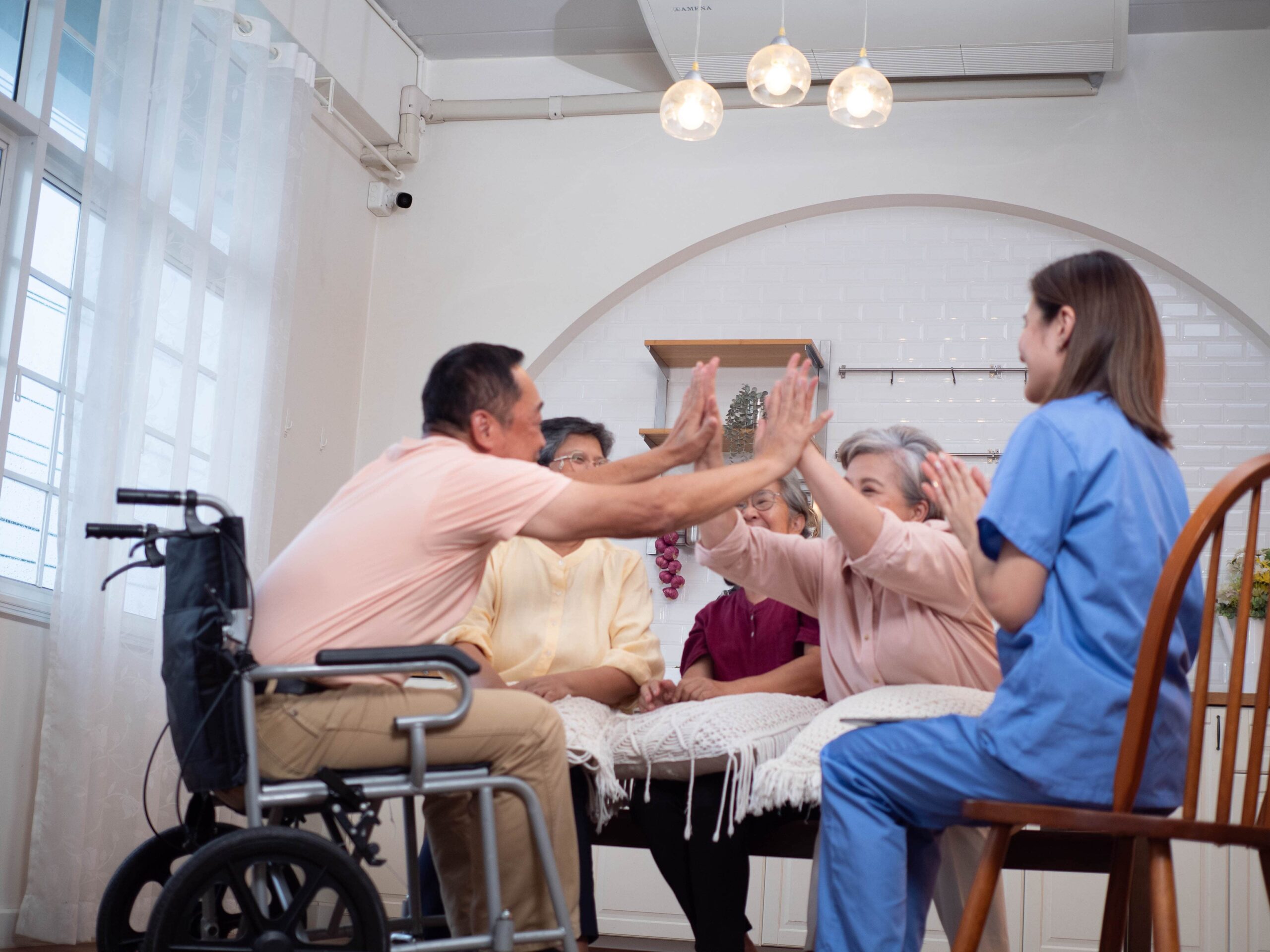
In-house care teams are caregivers, nurses, and support staff who are directly employed by a care home rather than hired through rotating agencies. They work on-site, follow consistent schedules, and are deeply familiar with residents and routines.
Common Roles Within In-House Teams
- Care assistants and support workers
- Registered nurses
- Activity coordinators
- Housekeeping and dining staff
- Supervisors and care managers
This integrated structure creates a stable, coordinated care environment.
Why Staffing Structure Matters in Elderly Care
Care quality isn’t just about services offered—it’s about how consistently those services are delivered. Frequent staff changes can lead to miscommunication, missed cues, and emotional disruption for seniors.
In contrast, trusted elderly care thrives when residents see familiar faces who understand their preferences, habits, and needs.
How In-House Staff Improve Senior Care Safety
1. Faster Recognition of Health Changes
Because in-house caregivers work with the same residents daily, they’re more likely to notice subtle changes.
This includes:
- Changes in appetite or sleep
- Mood or behavior shifts
- Mobility or balance concerns
- Early signs of illness
Early detection leads to quicker intervention, reducing the risk of emergencies.
2. Reduced Risk of Errors and Miscommunication
Consistency minimizes mistakes. In-house staff:
- Follow standardized care plans
- Communicate regularly across teams
- Understand individual medication routines
This reduces errors related to handovers, unfamiliarity, or rushed agency placements—key factors in senior care safety.
Consistent Caregiving Builds Confidence and Comfort
3. Familiar Faces Create Emotional Security
For seniors, especially those with cognitive decline, routine and familiarity are essential.
Consistent caregiving:
- Reduces anxiety and confusion
- Encourages cooperation with care
- Builds emotional trust
Residents feel safer when they know who is caring for them and what to expect.
4. Stronger Personal Relationships
In-house staff have the time and continuity to build genuine relationships.
They learn:
- Personal preferences and routines
- Cultural and emotional needs
- Communication styles
These connections are at the heart of trusted elderly care.
The Role of In-House Staff in Dementia-Friendly Care
Seniors living with dementia benefit immensely from consistent caregiving.
Why In-House Teams Matter for Dementia Care
- Familiar caregivers reduce agitation
- Predictable routines lower stress
- Better understanding of triggers and comforts
Consistency supports dignity, calm, and emotional wellbeing—especially in later stages of care.
Training and Accountability: A Safety Advantage
5. Standardized Training and Protocols
In-house staff receive training aligned with the care home’s values and standards.
This ensures:
- Consistent care delivery
- Up-to-date safety practices
- Clear emergency protocols
Uniform training leads to predictable, reliable care.
6. Clear Accountability and Oversight
With in-house teams:
- Managers know staff strengths and development needs
- Performance is monitored regularly
- Feedback loops are clear and constructive
This accountability supports continuous improvement in residential care staff performance.
How In-House Staffing Supports Daily Living
7. Smooth, Predictable Routines
Daily routines—from meals to medication—are smoother when handled by familiar teams.
Benefits include:
- Fewer disruptions
- Less resident stress
- Improved cooperation
Routine consistency plays a huge role in physical and emotional stability.
8. Safer Assistance With Mobility and Personal Care
Staff who know residents well understand:
- Mobility limitations
- Preferred assistance methods
- Safety risks during transfers
This personalized knowledge reduces falls and injuries, reinforcing senior care safety.
Family Trust Grows With Consistent Care Teams
Families want reassurance that their loved one is safe, known, and valued.
In-house staffing builds trust by:
- Offering consistent points of contact
- Providing reliable updates
- Encouraging open communication
Knowing who is providing care—and seeing those same caregivers regularly—creates peace of mind.
In-House Teams vs Agency Staffing: A Clear Comparison
Agency-Based Care
- Frequent staff changes
- Limited familiarity with residents
- Inconsistent routines
- Higher risk of miscommunication
In-House Care Teams
- Stable staffing
- Deep resident knowledge
- Strong relationships
- Greater safety and consistency
For many families, in-house teams represent a higher standard of care.
The Impact on Staff Morale and Care Quality
Happy caregivers provide better care.
Benefits for In-House Staff
- Stronger team culture
- Better training and support
- Sense of purpose and belonging
Motivated staff are more attentive, compassionate, and committed—directly improving resident outcomes.
Environment, Comfort, and Daily Confidence
Safety and consistency extend beyond care tasks.
Small Details That Matter
- Calm, familiar surroundings
- Predictable routines
- Comfortable, easy-to-wear clothing
When residents feel comfortable and confident, they’re more likely to engage positively with care.
Clothing and Care Consistency
Caregivers who know residents well also understand their clothing preferences.
Why This Matters
- Familiar clothing reduces confusion
- Easy fastenings support independence
- Comfortable fabrics improve daily cooperation
Consistency in care extends to how residents feel in their own clothes—supporting dignity and ease.
Why Care Homes Are Investing in In-House Teams
Forward-thinking care homes recognize that:
- Safety improves with familiarity
- Trust grows with consistency
- Outcomes improve with stable teams
In-house staffing isn’t just an operational choice—it’s a commitment to quality.
Long-Term Benefits of Consistent Caregiving
Over time, in-house care teams contribute to:
- Fewer incidents and hospitalizations
- Better emotional wellbeing
- Stronger resident satisfaction
- Greater family confidence
Consistency is the foundation of sustainable, compassionate care.
Final Thoughts: Safety Starts With Familiarity
True care goes beyond checklists and schedules—it lives in relationships, trust, and consistency. In-house care teams bring stability to daily life, enhance senior care safety, and create an environment where residents feel known, protected, and respected.
When care is consistent, safety follows—and dignity thrives.
Support Comfort That Complements Care
Explore our senior-friendly, easy-wear clothing collections, designed to support comfort, confidence, and independence alongside trusted in-house caregiving.
Because great care feels even better when comfort is consistent.
Recent Posts



