28th November 2025
The Benefits of Having Dedicated In-House Care Teams
When it comes to senior care, nothing matters more than trust, consistency, and comfort. And that’s exactly where dedicated in-house care teams shine. Instead of relying on rotating agency staff or unfamiliar faces, care homes with in-house teams offer continuity, familiarity, and truly personalised attention.
From stronger relationships to higher-quality support, the advantages are felt not just by seniors — but by families and care home staff as well. In this article, we’ll explore the many in-house care team benefits, how they elevate senior care quality, and why they’re becoming an essential part of modern residential care.
What Are In-House Care Teams?
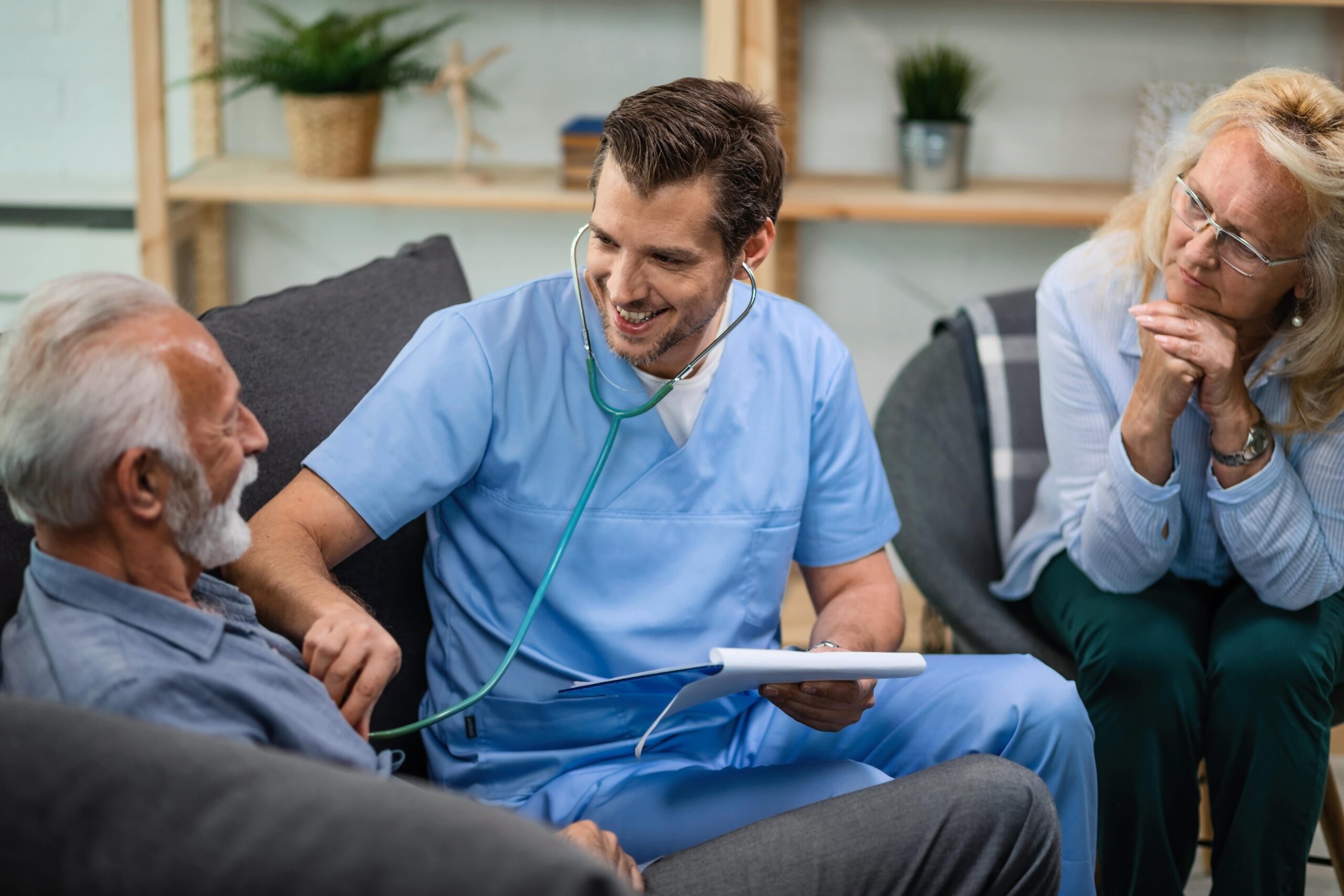
In-house care teams are caregivers, nurses, wellbeing staff, and support professionals employed directly by the care home. They work full-time or long-term within the same environment, supporting the same residents daily.
Unlike agency staff who may rotate frequently, in-house teams offer:
- Familiar faces
- Consistent routines
- Deep understanding of resident needs
- Personalised and specialized elderly care
This structure creates a more stable, nurturing, and trustworthy care environment.
Why Dedicated In-House Teams Are the Heart of Quality Senior Care
A consistent, well-trained team plays a key role in overall senior care quality. From emotional comfort to clinical precision, in-house caregivers create an environment where seniors feel safe, seen, and truly cared for.
Here’s why in-house care teams make such a meaningful difference.
1. Consistent Caregiving That Builds Trust
Consistency is everything in senior living — especially for residents with cognitive challenges, mobility issues, or emotional sensitivities.
How consistent caregiving helps:
- Seniors feel more secure with familiar caregivers
- Daily routines become calmer and smoother
- Trust develops naturally over time
- Care plans stay consistent and accurate
- Families feel more confident in the care being provided
When seniors see the same caregivers each day, it reduces anxiety and builds deep, meaningful relationships.
2. Stronger Personal Connections With Residents
In-house teams have time to truly understand each resident’s:
- Personality
- Habits
- Comfort preferences
- Health needs
- Emotional triggers
- Communication style
This creates personalised care experiences that simply aren’t possible with rotating external staff.
Caregivers often know:
- How warm a resident likes their tea
- Which side they prefer to sleep on
- The stories that make them smile
- The cues that indicate discomfort
These small but powerful details make care feel more human, compassionate, and thoughtful.
3. Higher Senior Care Quality Through Familiarity
Continuity allows caregivers to quickly spot changes in health, behaviour, or mood. Because they know each resident deeply, they can identify subtle signals that might go unnoticed by agency workers.
Examples of benefits:
- Early detection of health issues
- Faster response to emotional needs
- Improved accuracy in medication support
- Safer mobility assistance
- Better coordination with nurses and clinicians
This kind of specialised elderly care improves outcomes and enhances everyday wellbeing.
4. Faster and More Effective Communication
In-house care teams communicate more efficiently because they work together every day. They share updates quickly, collaborate smoothly, and respond promptly to emerging needs.
Communication strengths of in-house staff:
- Clear handovers
- Shared care notes
- Team-based problem-solving
- Faster decision-making
- Better consistency in care plans
This leads to better stability and fewer gaps in care.
5. Stronger Emotional Support for Seniors
Seniors thrive when surrounded by people they know and trust. In-house caregivers often become like extended family members, offering emotional comfort that can’t be replicated by temporary staff.
Emotional benefits include:
- Reduced loneliness
- Increased confidence
- Greater willingness to engage in activities
- Enhanced sense of belonging
- Improved wellbeing and mood
For seniors living with dementia, familiarity is especially important for reducing confusion and anxiety.
6. Specialized Elderly Care Tailored to Individual Needs
Because in-house caregivers know residents so well, they can provide highly personalised, specialized elderly care, including:
- Dementia care
- Mobility and fall-prevention support
- Chronic condition management
- Behavioural support
- Nutritional and dietary assistance
- End-of-life comfort care
This deep knowledge helps staff anticipate needs, adapt quickly, and deliver care that feels intuitive and seamless.
7. Improved Stability and Lower Stress in Care Environments
In-house teams bring structure, predictability, and calmness to the care home environment.
They help create:
- Smooth daily routines
- Balanced workloads
- Better-resourced shifts
- Less stress for residents
- More peaceful communal spaces
This stability improves not only the resident experience but also the overall atmosphere of the care home.
8. High Staff Morale and Better Training
When care homes invest in their teams, the teams invest back in their residents.
In-house employment supports:
- Continuous training
- Skill development
- Career growth
- Team spirit
- Strong leadership
This leads to motivated staff who genuinely care — not just temporary workers fulfilling a shift.
9. Reduced Errors and Increased Safety
Because in-house staff know:
- Each resident’s medication
- Mobility challenges
- Feeding requirements
- Personal behavioural patterns
…they are less likely to make mistakes. This familiarity enhances overall safety and reduces risks associated with care transitions or new staff onboarding.
10. Residential Staff Advantages for Families
Families feel reassured when they see consistent, familiar caregivers supporting their loved one.
Families benefit through:
- Easier communication
- Stronger relationships with staff
- More transparency
- Peace of mind knowing who is providing care
- Confidence that their loved one is understood and valued
Trust between families and caregivers is essential — and in-house teams make it stronger.
11. Enhanced Activity Programs and Social Engagement
In-house staff understand what each resident enjoys, which allows them to tailor activities, wellbeing programs, and social moments more effectively.
Examples include:
- Activities based on personal preferences
- Encouragement for residents who need extra support
- Consistent participation in physical, cognitive, or creative sessions
This personalised engagement leads to improved emotional and cognitive wellbeing.
What Makes In-House Care Teams More Effective Than Agency Staff?
| In-House Care Teams | Agency/External Staff |
| Familiar with residents | Often unfamiliar |
| Provide consistency | Rotating schedules |
| Build relationships | Limited interaction |
| Specialised training for the home | General training |
| Strong communication | Varies day-to-day |
| High accountability | Lower continuity |
This comparison highlights why in-house teams provide superior long-term care quality.
Final Thoughts: In-House Care Teams Are the Foundation of Exceptional Senior Care
The presence of a dedicated in-house care team transforms a care home from a service into a community. Through consistent caregiving, emotional connection, and specialised elderly care, these teams create an environment where seniors feel safe, valued, and understood.
For families seeking the very best care experience, in-house staffing isn’t just a benefit — it’s a game-changer.
Recent Posts



