26th November 2025
How Gardening Programs Improve Senior Wellbeing
There’s something magical about watching a seed turn into a flower — something calming, joyful, and deeply therapeutic. For seniors, this magic is more than a hobby; it’s a meaningful path to better health, happiness, and emotional peace.
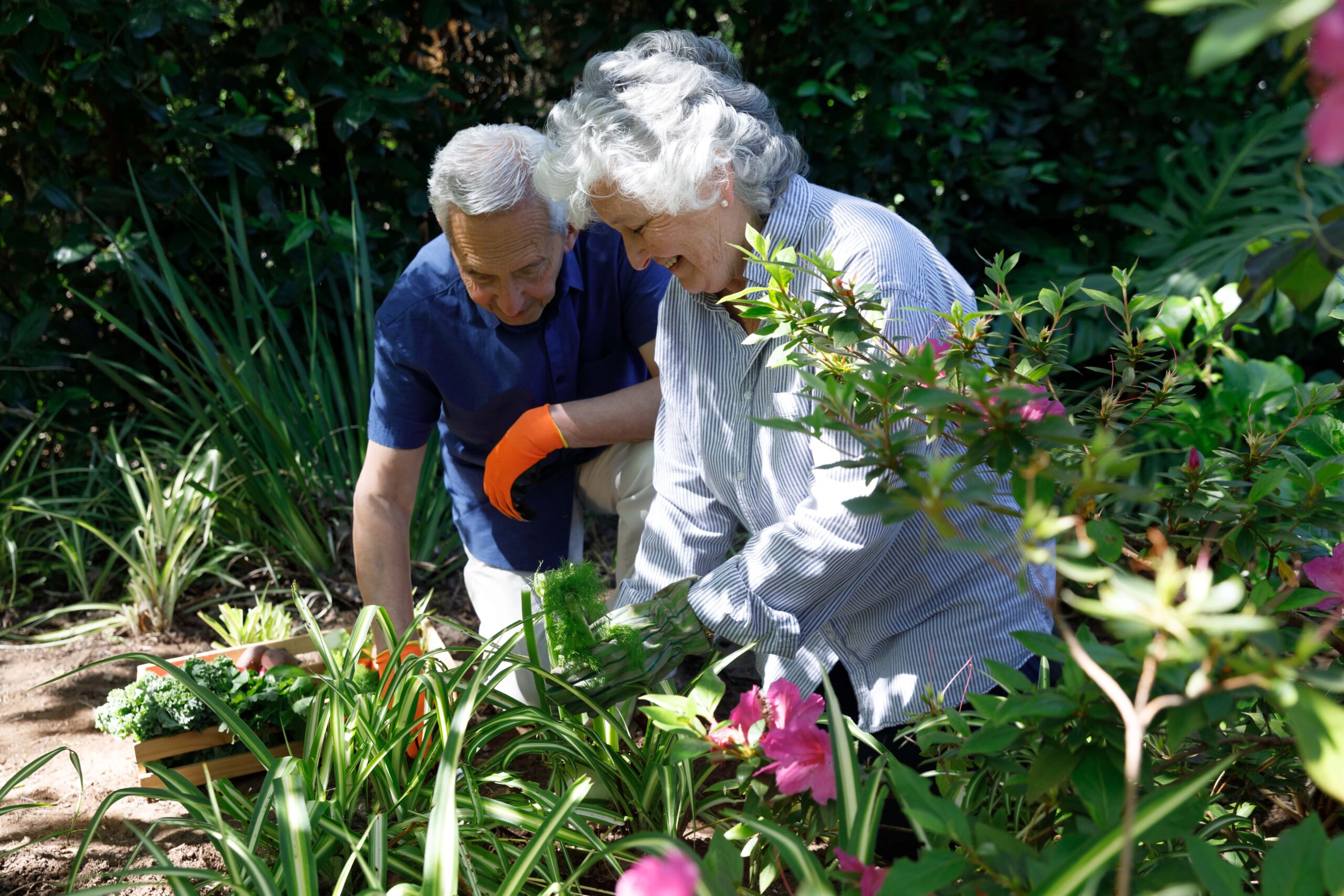
Gardening programs in care homes have become one of the most powerful wellbeing programs for seniors, offering everything from physical activity to sensory stimulation, social connection, and improved mental health. In fact, senior gardening benefits go far beyond what many families expect.
In this article, we explore how horticulture therapy, outdoor activities for the elderly, and nature therapy for seniors work together to improve wellbeing — one plant, one flower, and one peaceful moment at a time.
Why Gardening Matters in Senior Living
Gardening is more than a leisure activity. For older adults, it is a form of therapy, expression, and connection. Seniors often experience loneliness, limited physical activity, or reduced mental stimulation. Gardening gently restores joy, purpose, and routine.
Here’s why gardening is especially significant for older adults:
- It connects them with nature
- It reduces stress and anxiety
- It provides gentle physical exercise
- It stimulates memory and cognitive function
- It creates social interaction opportunities
- It boosts mood and encourages positive thinking
When integrated into a care home’s wellbeing program, gardening becomes a powerful tool for enhancing quality of life.
Understanding Horticulture Therapy
Horticulture therapy, sometimes called therapeutic gardening, uses plants and outdoor activities to support emotional, cognitive, and physical health. It’s widely used in care homes, dementia care environments, and rehabilitation centres.
Horticulture therapy includes activities such as:
- Planting seeds and flowers
- Watering and nurturing plants
- Harvesting vegetables and herbs
- Creating container gardens
- Sensory gardening (touch, smell, colour)
- Nature-based mindfulness exercises
- Outdoor walks and garden maintenance
This therapy is guided by trained staff who help seniors engage safely and meaningfully in each activity.
The Physical Benefits of Gardening for Seniors
Gardening is gentle yet effective exercise — perfect for seniors with varying mobility levels.
1. Improved Strength and Flexibility
Simple movements like reaching, bending, stretching, and lifting help:
- Strengthen muscles
- Maintain joint flexibility
- Enhance balance
- Improve hand–eye coordination
These activities are especially beneficial for seniors recovering from mobility limitations.
2. Boosted Motor Skills
Fine-motor tasks like planting seeds or trimming small plants enhance:
- Hand strength
- Finger mobility
- Dexterity
This is particularly helpful for seniors with arthritis or limited grip strength.
3. Encouraging Daily Movement
Since many seniors have sedentary routines, gardening offers safe, enjoyable, and purposeful physical activity.
The Emotional and Mental Benefits of Gardening Programs
Gardening is known to lift spirits and create emotional stability, especially for seniors experiencing loneliness or cognitive decline.
1. Reduces Stress and Promotes Relaxation
Being outdoors naturally lowers stress hormones. Gardening offers:
- Calmness
- Emotional grounding
- Peaceful distraction
- Stress relief
Nature has a therapeutic effect that nurtures emotional wellbeing.
2. Supports Memory and Cognitive Function
Gardening stimulates the brain through:
- Planning tasks
- Following steps
- Recognising plants
- Using sensory memory
This is particularly beneficial for seniors with early dementia or cognitive decline.
3. Boosts Mood and Reduces Depression
Green spaces and sunshine increase serotonin levels, improving mood. Seniors often report feeling:
- Happier
- More optimistic
- More engaged
The sense of accomplishment from growing plants also boosts confidence.
Social Benefits: Bringing Seniors Together
Gardening programs create opportunities for seniors to connect with others. This reduces feelings of isolation and encourages social wellbeing.
Group gardening encourages:
- Shared conversations
- Teamwork
- Social bonding
- Purposeful interaction
- Peer encouragement
Working together on a garden fosters friendships and gives seniors something meaningful to share.
Nature Therapy for Seniors: Benefits Beyond the Garden
Nature doesn’t just heal — it inspires. Nature therapy for seniors extends beyond gardening beds and includes:
- Garden walks
- Outdoor meditation
- Bird watching
- Sunlight therapy
- Sensory garden experiences
These activities promote mindfulness, calmness, and emotional clarity.
Sensory gardens are especially powerful because they engage:
- Smell (herbs and flowers)
- Touch (soft leaves, soil)
- Sight (colourful plants)
- Sound (birdsong, water features)
This multi-sensory experience is incredibly helpful for seniors with dementia, anxiety, or depression.
How Gardening Strengthens Senior Dignity and Purpose
Many seniors feel a loss of independence or identity as they age. Gardening restores a sense of purpose, responsibility, and self-worth.
They may think:
- “I helped grow this.”
- “These flowers are my contribution.”
- “I nurtured something beautiful.”
This encourages:
- Confidence
- Pride
- Emotional stability
- A sense of achievement
Even small gardening tasks remind seniors that they still have skills, value, and purpose.
Outdoor Activities for the Elderly: More Than Just Gardening
Gardening often leads to other enriching outdoor activities, such as:
- Fresh-air walking sessions
- Tea or social gatherings in the garden
- Light stretching classes
- Bird feeder refilling
- Nature art sessions
Each activity encourages movement, creativity, and connection with nature.
Gardening for Seniors With Limited Mobility
Gardening programs can be adapted for seniors with limited mobility or disabilities. Inclusive options include:
Adaptive gardening tools:
- Lightweight tools
- Extended-handle instruments
- Ergonomic grips
Raised garden beds:
Allow seniors to garden comfortably without bending.
Container gardening:
Perfect for wheelchair users or those who prefer seated gardening.
Indoor gardening:
Herb gardens, tabletop planters, and mini greenhouses bring nature indoors.
Inclusivity ensures every senior can enjoy gardening, regardless of physical limits.
The Role of Care Home Staff in Gardening Programs
Well-trained staff support safe and enriching gardening experiences by:
- Guiding seniors through activities
- Ensuring safety and accessibility
- Offering emotional encouragement
- Monitoring physical movement
- Helping with plant maintenance
Their involvement ensures that gardening is both therapeutic and secure.
Why Families Love Gardening Programs
Families appreciate gardening programs because:
- They see improvements in their loved one’s mood
- Seniors become more active and engaged
- It provides new shared experiences during visits
- Gardens make the care home environment feel warm and welcoming
A thriving garden often becomes a favourite place for family moments.
Creating Garden Moments That Matter
Gardening programs create meaningful experiences such as:
- First-time plant sprouts
- Harvesting fresh herbs
- Creating flower arrangements
- Smelling freshly grown mint or lavender
- Sharing gardening stories
These moments stay with seniors and bring daily joy.
Final Thoughts: The Transformative Power of Gardening
Gardening programs are more than recreational activities — they are healing experiences that support physical health, emotional resilience, cognitive function, and social connection.
Whether it’s planting a seed, touching soft leaves, or enjoying sunshine on a peaceful afternoon, gardening offers seniors a beautiful way to stay active, engaged, and inspired.
Recent Posts



